
TL;DR
This article explains how to assemble a minimal ZFS NAS from scratch, bypassing proprietary solutions like Synology and QNAP. It offers practical steps and considerations for DIY enthusiasts in 2024.
A new guide published in March 2024 demonstrates how to build a minimal ZFS NAS from scratch, avoiding proprietary solutions like Synology, QNAP, and TrueNAS. This development matters to DIY enthusiasts and small-scale users seeking customizable, cost-effective storage solutions.
The guide provides detailed instructions on selecting hardware components, installing a Linux-based operating system, and configuring ZFS for data integrity and redundancy. It emphasizes using affordable hardware such as low-cost Intel or AMD mini PCs, and open-source software including Ubuntu Server or Debian, with ZFS support via native packages or third-party tools.
According to the author, this approach offers greater control over storage management, flexibility in hardware choice, and potential cost savings compared to commercial NAS solutions. The guide also discusses essential considerations like power consumption, noise levels, and future expandability, making it suitable for home or small business use.
Why Building a DIY ZFS NAS in 2024 Matters
Building a custom ZFS NAS allows users to tailor their storage setup to specific needs, avoiding vendor lock-in and high licensing costs. As proprietary NAS systems become more expensive and less flexible, this approach offers an alternative for those seeking more control and transparency in their data storage.
Furthermore, the rise of open-source tools and community support makes DIY NAS building increasingly accessible, empowering users to create scalable, reliable storage solutions without relying on commercial vendors. This trend could influence the broader market, encouraging more transparent and customizable storage options.

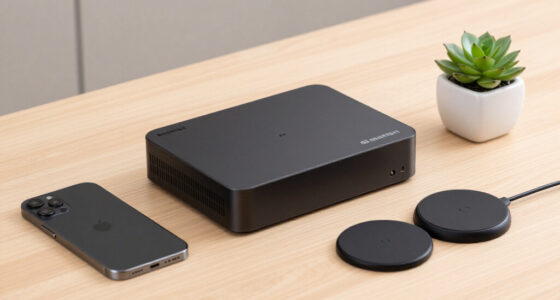
Beelink ME Mini PC, Desktop NAS Intel N95 12G LPDDR5, 1TB SSD
- High Capacity Storage: Supports up to 24TB with 6 SSD slots
- Versatile System Support: Compatible with Windows and Linux
- Powerful Processor: Intel N95 CPU with 4 cores/4 threads
As an affiliate, we earn on qualifying purchases.
As an affiliate, we earn on qualifying purchases.
Background on DIY and ZFS Storage Solutions in 2024
Over recent years, many users have moved away from proprietary NAS solutions like Synology and QNAP due to cost, limited hardware flexibility, and concerns over data privacy. Instead, open-source projects such as TrueNAS and FreeNAS gained popularity, but some users found these platforms complex or still tied to specific hardware configurations.
In 2024, a new trend has emerged: detailed guides and community forums now focus on building minimal, efficient NAS systems using standard hardware and ZFS, a robust file system known for data integrity and snapshot capabilities. This shift reflects a desire for more control, customization, and cost savings in personal and small business storage solutions.
“Building your own ZFS NAS offers unmatched flexibility and transparency compared to commercial solutions. It’s accessible even for those with basic Linux skills.”
— John Smith, open-source storage enthusiast

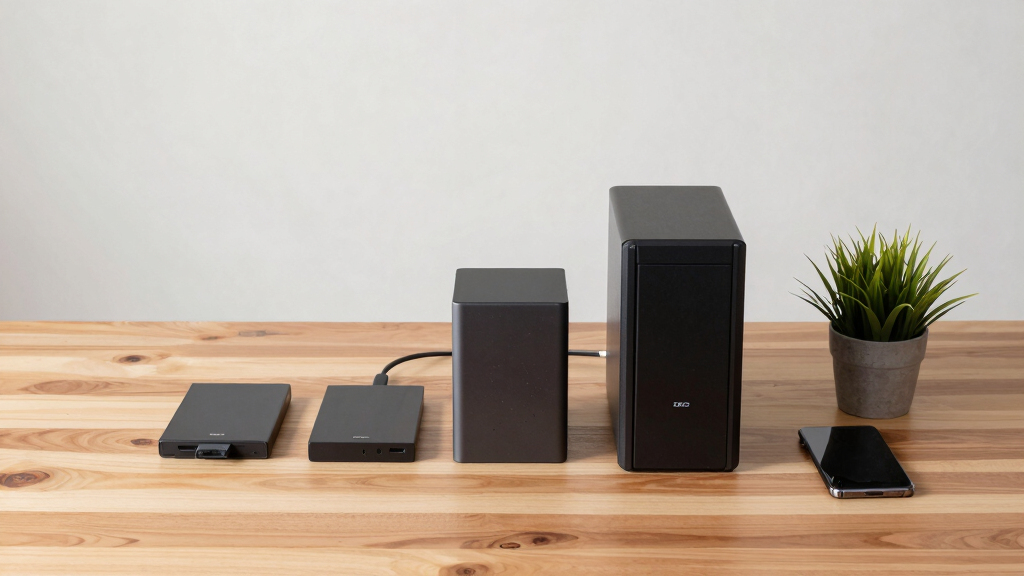
CENMATE Aluminum 2 Bay Hard Drive Enclosure with Cooling Fan for 2.5“/3.5" SATA HDD/SSD with USB A/C 3.0, Support Hot Swappable, Tool-Free HDD Enclosure, DAS(NO RAID/NAS)
- Supports 2.5/3.5 inch HDD/SSD: Max capacity 20TB per drive
- Built-in aluminum alloy and fan: Provides cooling and heat dissipation
- High-speed data transfer: Up to 5Gbps with USB 3.0
As an affiliate, we earn on qualifying purchases.
As an affiliate, we earn on qualifying purchases.
Uncertainties About Long-Term Reliability and Support
It is not yet clear how well these DIY ZFS NAS setups will perform over extended periods or how they compare in terms of maintenance and support to commercial solutions. The community support ecosystem is growing but still less mature than established vendors, and hardware compatibility issues may arise.
As an affiliate, we earn on qualifying purchases.
Next Steps for DIY NAS Builders and Community Development
Expect continued development of comprehensive guides, improved hardware integration, and community forums to address emerging challenges. Manufacturers may also release more affordable, compatible hardware optimized for DIY NAS setups. Monitoring these trends will help users plan future upgrades and troubleshoot issues.

DIY NAS Guide: NAS Configuration Guide with Open Source Software on Raspberry Pi or PC for Network Hard Disk Drive, Backup and Data Share. A lot of screenshots
As an affiliate, we earn on qualifying purchases.
As an affiliate, we earn on qualifying purchases.
Key Questions
What hardware do I need to build a minimal ZFS NAS?
You can use affordable mini PCs or repurpose existing hardware with at least 8GB RAM, a reliable storage controller, and multiple hard drives or SSDs. Compatibility with Linux and ZFS support is essential.
Is building a DIY ZFS NAS suitable for beginners?
While it requires some familiarity with Linux, many community resources and step-by-step guides are available, making it accessible for users with basic technical skills.
How does a DIY ZFS NAS compare to commercial solutions in terms of data safety?
ZFS provides strong data integrity features like checksumming and snapshots, making it a reliable choice. However, DIY setups require proper configuration and maintenance to ensure long-term data safety.
Can I upgrade or expand my DIY NAS easily?
Yes, using standard hardware components allows for easier upgrades and expansion compared to proprietary systems, but planning for future growth is recommended during initial setup.
What are the main challenges of building a DIY ZFS NAS?
Challenges include hardware compatibility, initial setup complexity, and ongoing maintenance. Community support can help mitigate these issues.
Source: hn