TL;DR

Get the latest gadgets delivered free with Prime
- Fast, free delivery on millions of items
- Prime Video, Amazon Music and more included
- Member-only deals all year
A new on-device webcam app is being developed to monitor blink rates and promote eye health among remote workers. It aims to reduce screen-related eye strain through real-time nudges and logging. Testing is planned to validate its impact on eye comfort and break adherence.
A new webcam-based application is being developed to monitor blink rate and promote eye health for remote knowledge workers spending long hours at screens. The tool aims to reduce symptoms of digital eye strain by providing real-time nudges for breaks and logging daily eye comfort scores. This development comes amid increased concern over screen-related health issues due to the rise in remote work.
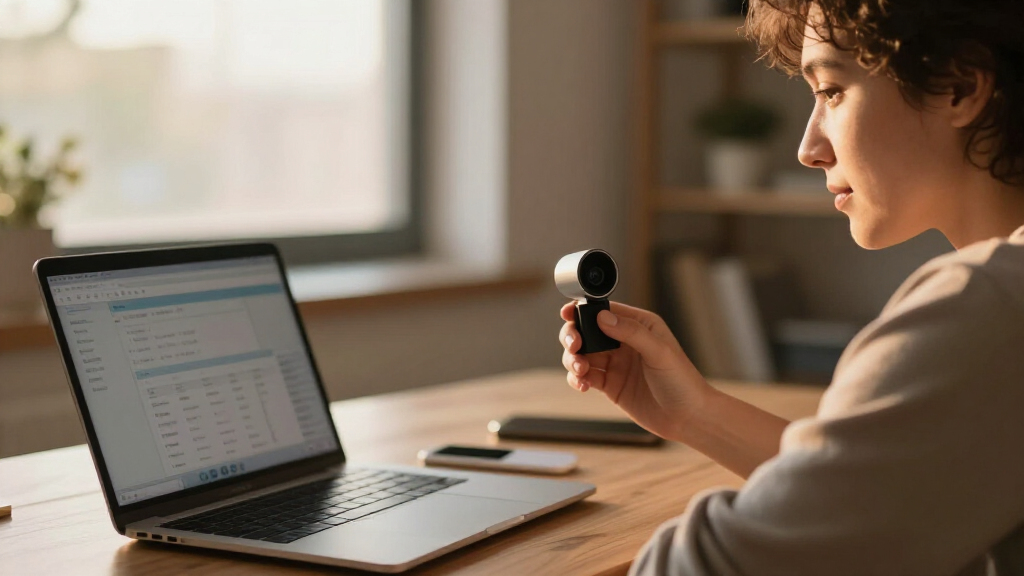
The proposed webcam blink tracker uses on-device computer vision to estimate blink rate without transmitting video data externally. It targets remote workers who typically spend over eight hours daily at laptops, a group vulnerable to dry eyes, headaches, and fatigue. The app will notify users to take a 20-20-20 break—looking 20 feet away for 20 seconds—when blinking frequency drops below a healthy threshold, aiming to prevent eye discomfort before symptoms become severe.
According to an anonymous researcher involved in the project, the system logs daily eye comfort scores and provides insights into individual eye health trends. The initial plan is to run a two-week pilot with twenty remote workers, assessing whether the intervention improves self-reported eye comfort and break compliance enough to justify a subscription model. The app will be sold on a per-seat basis to individuals and small teams.
Potential Impact on Remote Work Eye Health
This innovation could address a widespread problem among remote workers, who often lack objective signals of eye strain and break adherence. By providing real-time feedback based on blink rate, the app could help prevent chronic eye issues, reduce headaches, and improve overall productivity. As remote work continues to expand, tools that promote health without disrupting workflow could become essential components of digital wellness strategies.
As an affiliate, we earn on qualifying purchases.
Growing Concern Over Digital Eye Strain in Remote Work
The shift to remote and hybrid work models has significantly increased daily screen time for millions, leading to a rise in digital eye strain symptoms such as dryness, tiredness, and headaches. Current solutions largely rely on user self-awareness or generic reminders, which often fail to prevent symptoms until they become severe. Advances in computer vision and on-device processing now enable real-time monitoring of blink rate and eye distance without privacy concerns, opening new possibilities for proactive eye health management.
Previous efforts to address eye strain have focused on ergonomic setups and break reminders, but these lack objective, personalized data. The development of a blink tracker app represents a targeted approach to fill this gap, leveraging existing webcam technology and AI to provide continuous, non-intrusive health signals.
“Monitoring blink rate with on-device vision can provide timely nudges to prevent eye discomfort before symptoms escalate.”
— an anonymous researcher
As an affiliate, we earn on qualifying purchases.
Uncertainties Around Effectiveness and Adoption
It is not yet confirmed how effective the blink tracker will be in real-world settings or whether users will consistently respond to nudges. The pilot phase will be critical to assess whether the app can meaningfully improve eye comfort and break adherence. Additionally, questions remain about user privacy, data security, and the app’s integration into existing work routines.
digital eye strain prevention device
As an affiliate, we earn on qualifying purchases.
As an affiliate, we earn on qualifying purchases.
Next Steps in Testing and Deployment
The development team plans to conduct a two-week pilot with twenty remote workers to evaluate the app’s impact on eye comfort and break compliance. Following this, they will analyze user feedback and health data to refine the application. If successful, a broader rollout targeting small teams and individual users could follow within the next few months, supported by marketing efforts emphasizing health benefits and privacy safeguards.
As an affiliate, we earn on qualifying purchases.
Key Questions
How does the blink tracker work without sending video data externally?
The system uses on-device computer vision algorithms to estimate blink rate directly within the user’s device, ensuring privacy by not transmitting video footage outside the computer.
Will this app work with all webcams?
It is designed to be compatible with standard webcams commonly used in laptops and desktops, but compatibility details are still being finalized during testing.
Can this help prevent long-term eye damage?
While initial testing aims to show improvements in immediate eye comfort and break adherence, long-term benefits such as preventing damage will require extended studies and ongoing monitoring.
Is this solution suitable for all remote workers?
The app is targeted at knowledge workers with high screen time, but suitability may vary based on individual health conditions and work environments. Further testing will clarify its broad applicability.
When will the app be available for general use?
If pilot results are positive, a commercial version could be launched within the next few months, with updates based on user feedback and further validation.
Source: IdeaNavigator AI
Halloween Picks
halloween
As an affiliate, we earn on qualifying purchases.