
TL;DR

Get the latest gadgets delivered free with Prime
- Fast, free delivery on millions of items
- Prime Video, Amazon Music and more included
- Member-only deals all year
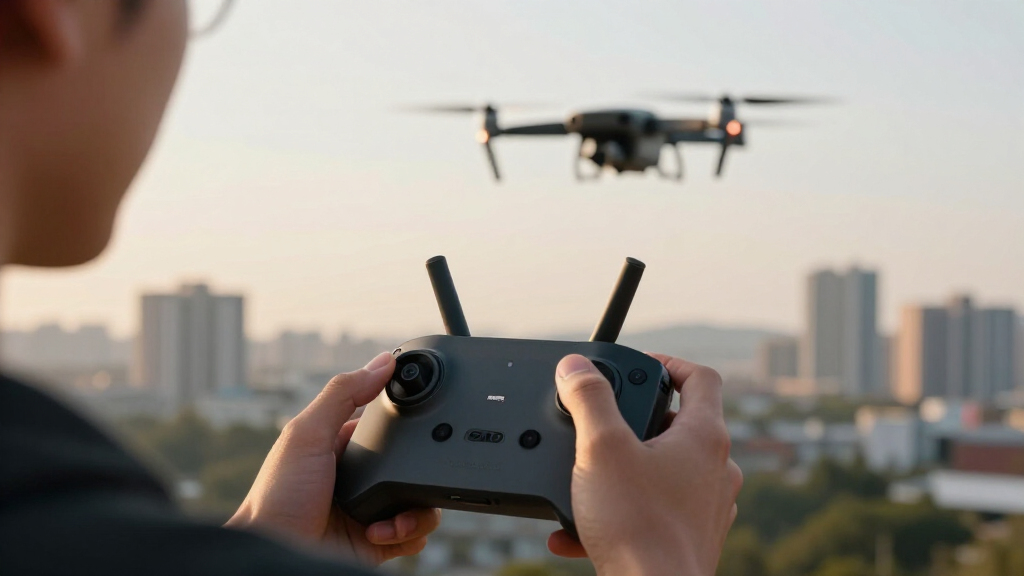
Recent developments show Ukraine employs a combined system of inexpensive drones, electronic warfare, and AI-driven guidance to penetrate dense air defenses. This integrated approach challenges traditional notions of warfare and shifts strategic balances.
Ukraine is now employing a combined system of inexpensive, expendable drones, electronic warfare, and artificial intelligence to penetrate dense Russian air defenses. This integrated approach marks a significant shift in modern conflict strategies, challenging traditional notions of air superiority and battlefield dominance.
The core of this new system involves cheap, attritable drones capable of deep strikes against strategic targets deep inside Russia, such as oil refineries and military bases. These drones face a formidable electronic warfare wall—a complex electromagnetic curtain designed to jam or deceive signals, rendering traditional radio-controlled systems ineffective. To overcome this, the UK has supplied Ukraine with the Stone Cloak electronic deception system, which employs electronic deception techniques rather than brute jamming, making drones harder to track and target. In addition, Ukraine is now integrating artificial intelligence into drone guidance systems, enabling autonomous final targeting phases that do not rely on active radio links. This AI-driven autonomy makes jamming efforts largely irrelevant during the critical terminal phase of attack, significantly increasing the likelihood of successful penetration.
These developments are not isolated but part of a cohesive strategic framework. The transfer of intellectual property rights for systems like Stone Cloak to Ukraine signals a shift towards production sovereignty, allowing Kyiv to rapidly adapt and upgrade its capabilities in response to evolving threats. Meanwhile, the use of AI to enable autonomous targeting represents a decisive technological leap, reducing dependence on human operators and rendering traditional electronic countermeasures less effective.
Implications for Modern Warfare Tactics
This integrated system fundamentally alters the strategic landscape by enabling inexpensive drones to penetrate heavily defended areas, challenging the dominance of layered air defenses. The combination of electronic deception and AI autonomy shifts the advantage towards the attacker, making traditional defenses less reliable and forcing a reevaluation of battlefield tactics. It also accelerates the pace of technological innovation, as capabilities can be rapidly adapted and improved through intellectual property rights transfer, rather than reliance on hardware alone. For global military strategy, this signals a move toward more autonomous, deception-based, and low-cost attack systems that can operate effectively in contested electromagnetic environments.
As an affiliate, we earn on qualifying purchases.
Evolution of Ukraine’s Deep Strike Capabilities
Ukraine’s use of long-range strike drones has increased significantly since 2023, targeting Russian military and infrastructure sites deep behind enemy lines. Russia has responded with a layered air-defense network designed to intercept these drones, but the cost disparity favors Ukraine: inexpensive, attritable drones are easier to replace than the costly, complex defenses they face. Electronic warfare has played a central role, with Russian systems employing jamming and deception, creating a ‘curtain’ that complicates drone navigation. The UK’s recent transfer of electronic deception technology and the integration of AI into drone guidance mark a new phase, where offensive and defensive capabilities are increasingly intertwined, and technological innovation is central to battlefield success.
“The real breakthrough is how AI and electronic deception systems like Stone Cloak are transforming the very logic of penetrating dense air defenses.”
— Thorsten Meyer
As an affiliate, we earn on qualifying purchases.
What Aspects of the System Remain Unclear
While the broad outlines of this integrated system are known, specific technical details about how systems like Stone Cloak deceive radar remain classified. It is also unclear how quickly these capabilities will evolve and whether adversaries will develop countermeasures capable of neutralizing AI-guided autonomous drones or electronic deception techniques. The long-term effectiveness of these combined systems in different combat environments is still under assessment, and the pace of technological adaptation by opposing forces remains uncertain.
electronic deception system for drones
As an affiliate, we earn on qualifying purchases.
As an affiliate, we earn on qualifying purchases.
Future Developments in Autonomous Deep Strike Systems
Expect further integration of AI and electronic deception techniques into drone swarms and autonomous systems. Ukraine and its allies will likely accelerate the development of adaptive, low-cost strike capabilities, while adversaries will seek to develop countermeasures. The transfer of IP rights indicates a trend toward rapid domestic production and continuous upgrades, making these systems more resilient and harder to counter. Monitoring how these capabilities perform in ongoing conflicts will be key to understanding their long-term impact.
As an affiliate, we earn on qualifying purchases.
Key Questions
How does AI improve drone penetration of air defenses?
AI enables drones to autonomously identify and lock onto targets during the final attack phase, reducing reliance on radio links and making electronic jamming less effective during critical moments.
What is Stone Cloak, and how does it deceive radar?
Stone Cloak is an electronic deception system that employs techniques to confuse or mislead radar systems, making it harder for air defenses to track and target drones without relying solely on jamming signals.
Why is the transfer of intellectual property rights significant?
It allows Ukraine to manufacture, modify, and upgrade systems like Stone Cloak domestically, enabling rapid adaptation and reducing dependence on foreign suppliers.
Are these systems effective against all types of air defenses?
While promising, the effectiveness of AI-guided autonomous drones and deception systems depends on the specific environment and countermeasures employed by adversaries. Ongoing developments will determine their overall success.
Source: ThorstenMeyerAI.com
Halloween Picks
halloween
As an affiliate, we earn on qualifying purchases.