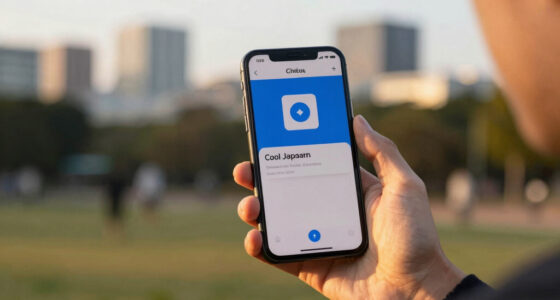
📊 Full opportunity report: The Promise Of Group Recovery Programs For Digital Health on IdeaNavigator AI — validation score, market gap, and execution plan.
TL;DR

A new initiative proposes eight-week group recovery programs for adults struggling with phone addiction, aiming to fill a gap between cheap blockers and expensive coaching. Pilot testing is planned to validate effectiveness.
Developers are preparing to launch structured, cohort-based recovery programs for adults with severe phone addiction, aiming to address a market gap left by ineffective blockers and costly coaching. This initiative targets adults who have already failed traditional digital wellness solutions, offering a new, group-oriented approach to reduce screen time and break phone habits.
The proposed program involves eight-week cohorts of ten adults, with weekly facilitated sessions, daily check-ins, and personalized trigger maps and relapse plans. Participants may also opt into in-group screen-time sharing, with graduates joining ongoing alumni groups.
According to an anonymous researcher involved in the project, the program aims to leverage existing infrastructure such as screen-time APIs and cohort-based course models, making implementation feasible at a low cost. The plan is to run two paid pilot cohorts at a fee of $400 per participant, measuring screen-time reductions at weeks 8 and 16, and tracking alumni conversion into ongoing memberships.
This initiative is positioned within the digital wellness and behavioral health markets, targeting adults with entrenched phone habits who have already exhausted other solutions.
Potential Impact on Digital Wellness Market
This program could fill a critical gap in digital health solutions by providing a structured, community-based approach for adults with severe phone addiction, a segment largely underserved by existing products.
If successful, it may demonstrate that peer accountability and structured group support can produce measurable reductions in screen time, potentially influencing broader digital wellness strategies and insurance coverage options.
Moreover, the initiative could validate a scalable, low-cost intervention model that leverages existing technology and infrastructure, making digital addiction recovery more accessible.
As an affiliate, we earn on qualifying purchases.
Growing Concern Over Phone Overuse and Existing Solutions
Concern about excessive phone use has become mainstream, with clinicians and researchers recognizing it as a behavioral health issue. Current solutions mainly include inexpensive blockers, which adults often override within days, and high-priced coaching that reaches only a small elite.
Despite the market’s size, there remains a significant gap for effective, affordable, and scalable interventions targeting adults with entrenched habits. The rise of screen-time APIs and cohort-based course infrastructure creates an opportunity for new, structured programs that combine peer support with behavioral techniques.
This development comes amid increased awareness of digital overuse, with calls for more evidence-based, community-driven recovery options.
As an affiliate, we earn on qualifying purchases.
Uncertainties About Program Effectiveness and Scalability
It is not yet clear whether the proposed cohort-based model will produce significant or sustained reductions in screen time. The success of the pilot cohorts will depend on participant engagement, the effectiveness of facilitation, and the ability to maintain accountability over time.
Additionally, questions remain about scalability, funding, and whether the model can be adapted for diverse populations or integrated into broader health systems.
As an affiliate, we earn on qualifying purchases.
Next Steps for Pilot Testing and Validation
The team plans to launch two paid pilot cohorts within the next two months, measuring outcomes at weeks 8 and 16. Success will be determined by reductions in screen time and alumni conversion rates. If results are positive, the program could expand into larger trials or commercial offerings, with potential adaptations based on initial feedback.
Further research will be needed to compare this approach with existing solutions and to explore long-term sustainability and behavioral change.
As an affiliate, we earn on qualifying purchases.
Key Questions
How does this group recovery program differ from existing digital wellness apps?
This program emphasizes structured, peer-supported recovery over simple blocking tools or one-on-one coaching, aiming to foster accountability and behavioral change through group dynamics.
What is the expected cost for participants, and how does it compare to other solutions?
The pilot program charges $400 for an eight-week cohort, positioning it between inexpensive blockers and high-cost coaching, making it more accessible than private therapy or coaching.
Will participation be suitable for all adults with phone addiction?
The program targets adults who have already failed basic blockers and are seeking a more structured, community-based approach. Suitability for specific individuals will depend on engagement levels and personal preferences.
What metrics will be used to evaluate success?
Screen-time reduction at weeks 8 and 16, participant engagement, relapse rates, and alumni conversion into ongoing groups will be key indicators of program effectiveness.
Could this model be adapted for other behavioral health issues?
Potentially, yes. The cohort-based, peer-supported framework could be applied to various behavioral health challenges, provided it is tailored to specific needs.
Source: IdeaNavigator AI