
TL;DR

Get the latest gadgets delivered free — and shop member deals
- Fast, free delivery on millions of items
- Access to Prime Big Deal Days deals on October 6–7
- Prime Video, Amazon Music and more included
A developer has introduced a tool on Show HN that leverages OpenType ligatures to generate intentionally distorted, ‘cursed’ fonts like ‘Times New Bastard.’ The tool runs entirely in the browser using WebAssembly. Its popularity highlights growing interest in playful font manipulation, though details about its origin remain unconfirmed.
A developer has launched a new tool on Show HN that allows users to generate intentionally distorted fonts by exploiting OpenType’s ligature feature. The tool, which operates entirely in the browser using WebAssembly, has quickly gained attention for its playful approach to font manipulation. This development reflects a broader interest in creative font design and the meme-like culture surrounding ‘cursed’ fonts, though the origin of the tool remains unconfirmed.
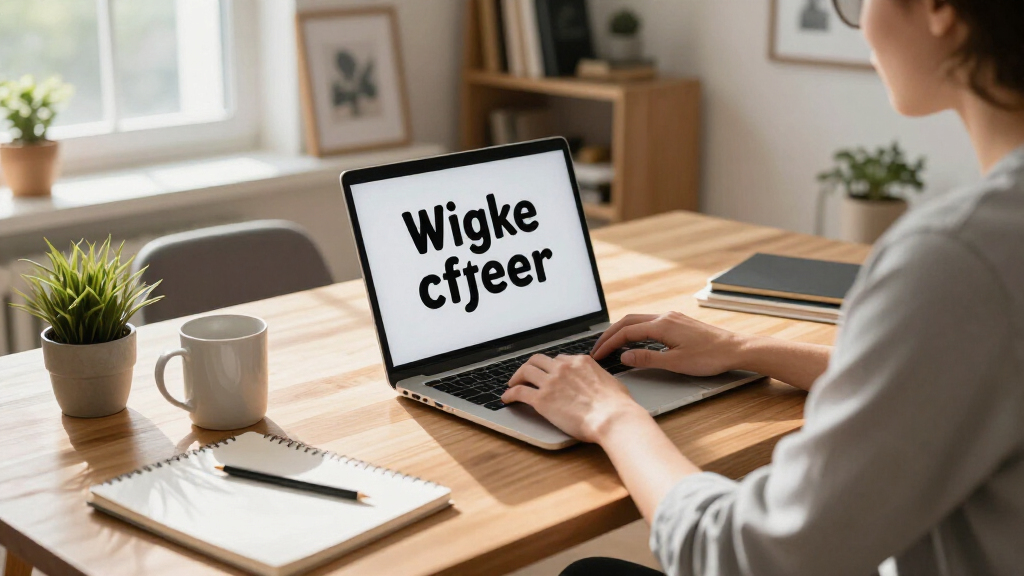
The tool, titled ‘Make cursed fonts like Times New Bastard,’ is designed as a joke or novelty utility that abuses the ligature capabilities of OpenType fonts to produce bizarre, distorted text styles. Ligatures are typically used to combine characters for aesthetic purposes, but this tool repurposes them to create chaotic visual effects. It loads Python code compiled to WebAssembly (WASM), enabling real-time font modifications directly in the user’s browser without server-side processing.
According to the creator, the tool is fast and user-friendly, allowing anyone to generate ‘cursed’ fonts with minimal effort. The project was shared on Show HN, a platform for showcasing new projects and tools, and has since attracted significant attention within developer and design communities. The tool’s simplicity and novelty have sparked a wave of interest in playful font experimentation, especially among meme and internet culture circles.
While the technical implementation—using Python in WASM—is confirmed, details about the developer’s identity, the origins of the idea, and the broader intent behind the project are still unclear. The tool is presented as a joke, but its technical approach demonstrates how open standards like OpenType can be manipulated for creative or humorous purposes.
Impact of Playful Font Manipulation on Digital Culture
This development highlights the increasing intersection of technical creativity and internet meme culture. Tools like this demonstrate how open standards such as OpenType can be repurposed for entertainment, pushing the boundaries of digital design and user-generated content. The popularity of ‘cursed fonts’ reflects a broader trend of experimenting with digital aesthetics for humor and social engagement, which may influence future font design and online communication styles.
Moreover, the use of WebAssembly to run Python code in the browser exemplifies ongoing innovations in web technology, making complex manipulations accessible without requiring server infrastructure. While primarily a novelty, such tools can also inspire more serious explorations of font customization and creative coding, blurring lines between art, humor, and technical skill.
As an affiliate, we earn on qualifying purchases.
Rise of Meme-Inspired Font Tools and OpenType Hacks
The concept of ‘cursed fonts’ has gained traction in online communities over recent years, often as a form of humorous or rebellious expression. This trend aligns with the popularity of meme culture, where exaggerated or distorted visuals serve as social commentary or entertainment. The use of OpenType ligatures for such purposes is not new, but recent tools have made it easier for non-experts to experiment with font manipulation.
The specific focus on ‘Times New Bastard’—a parody of the classic Times New Roman—fits into this meme culture, parodying traditional fonts with intentionally flawed or grotesque variants. The recent spike in search interest and social media mentions appears to be triggered by the Show HN post, although the origin of the tool remains unconfirmed. Historically, font hacking and playful design experiments have often circulated informally online, but now they are gaining visibility through developer communities and social platforms.
As an affiliate, we earn on qualifying purchases.
Unconfirmed Origins and Future Developments
The exact creator of the tool has not publicly disclosed their identity, and the motivations behind its development are unclear. It is also uncertain whether this project is part of a broader initiative or a standalone joke. Additionally, the long-term impact or potential for further development remains unknown, as does the extent of its adoption beyond initial social media buzz.
There is no official statement confirming the project’s origin or future updates, and some community members speculate it may be a prototype or proof of concept rather than a finished product. As the trend gains attention, more details may emerge, but at present, much about the project’s background remains unverified.
As an affiliate, we earn on qualifying purchases.
Potential for Broader Meme Font Trends and Technical Exploration
Given the rapid interest in this tool, future developments could include more advanced font manipulation features or integration into popular design platforms. Developers and designers may experiment further with OpenType features, pushing the boundaries of digital type design for humor or artistic expression.
Community-driven projects and open-source contributions might expand on this idea, creating a new niche of meme-inspired, customizable fonts. Additionally, the trend could influence mainstream font design, prompting more playful or experimental approaches in commercial and open-source fonts alike.
As for the immediate future, the creator or community may release updates, tutorials, or similar tools to capitalize on the current momentum. Monitoring social media and developer forums will be essential to gauge the evolution of this playful font hacking movement.
As an affiliate, we earn on qualifying purchases.
Key Questions
What exactly does the ‘Times New Bastard’ font do?
The font exploits OpenType ligature features to create distorted, chaotic text styles, making it look intentionally ‘cursed’ or grotesque for humorous or artistic effect.
Is this tool officially supported or just a joke?
It appears to be a joke or novelty project shared on Show HN, with no indication of official support or commercial intent. Its primary purpose seems to be entertainment and experimentation.
Can I use this tool for professional design work?
Given its playful and experimental nature, it is not suitable for professional or formal design projects. It is intended for fun, meme culture, and creative exploration.
How does it run in the browser without server support?
The tool uses WebAssembly to run Python code directly in the browser, enabling real-time font manipulation without needing server-side processing.
Will this trend lead to more serious font customization tools?
While currently a novelty, the technical approaches demonstrated could inspire more serious or artistic font editing tools, blending humor with technical innovation in typography.
Source: hn
Fall Picks
fall essentials
As an affiliate, we earn on qualifying purchases.