
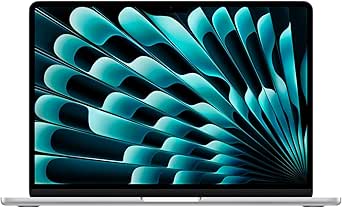
The best MacBook laptops in this lineup suit different needs: I’d choose the 13-inch MacBook Air with M5, 16GB memory, and 512GB SSD as the best overall balance of portability and capability. The 15-inch MacBook Air with M5 is a better fit if you want more screen space, while the MacBook Neo offers a simpler entry point for lighter tasks. The main tradeoffs are display size versus portability, memory and storage headroom versus a basic configuration, and the Air’s broader capacity versus the Neo’s more limited specs. I compare those differences across all 12 options so you can match a model to your work, study, and budget priorities. Read on for the full breakdown and buying advice.

Get the latest gadgets delivered free — and shop member deals
- Fast, free delivery on millions of items
- Access to Prime Big Deal Days deals on October 6–7
- Prime Video, Amazon Music and more included
Complete the kit



Key Takeaways
- The 13-inch M5 Air with 16GB memory and 512GB storage is the most balanced configuration here: it keeps the portable Air format without cutting below a practical baseline for everyday multitasking.
- The 15-inch Air’s main advantage is workspace, not a different class of performance; choose it for comfortable split-screen work, and the 13-inch version if carrying weight and compactness matter more.
- Models with 24GB memory and 1TB storage suit longer-term or heavier workloads, but many general-use buyers can get the core Air experience from the 16GB/512GB configurations.
- The MacBook Neo is the entry-level outlier: its 8GB memory and 256GB SSD make it a better match for browsing, documents, and streaming than demanding creative work or large local files.
- Several Air listings share the same core chip, memory, and storage; once those specs match, screen size, color, and any explicitly listed camera details become the main distinctions.




| MacBook laptop | Display | Storage | Battery life | Camera |
|---|---|---|---|---|
| MacBook Air 15-inch Laptop wit | 15.3-inch Liquid Retina | 1TB SSD | Up to 18 hours | 12MP Center Stage |
| Apple MacBook Air 13-inch Lapt | 13.6-inch Liquid Retina | 1TB SSD | Up to 18 hours | 12MP Center Stage |
| Apple MacBook Air 13-inch with | 13.6-inch Liquid Retina | 512GB SSD | Up to 18 hours | 12MP Center Stage |
| Apple MacBook Air 13-inch Lapt | 13.6-inch Liquid Retina | 512GB SSD | Up to 18 hours | 12MP Center Stage |
| Apple MacBook Air 13-inch with | 13.6-inch Liquid Retina, supports 1 billion colors | 512GB SSD | Up to 18 hours | 12MP Center Stage |
| Apple MacBook Air 15-inch Lapt | 15.3-inch Liquid Retina | 512GB SSD | Up to 18 hours | 12MP Center Stage |
| Apple MacBook Air 15-inch | 15.3-inch Liquid Retina | 512GB SSD | Up to 18 hours | — |
| Apple MacBook Air 13-inch Lapt | 13.6-inch Liquid Retina | 512GB SSD | Up to 18 hours | 12MP Center Stage |
| Apple MacBook Air 15-inch | 15.3-inch Liquid Retina | 512GB SSD | Up to 18 hours | 12MP Center Stage |
| Apple MacBook Air 15-inch with | 15.3-inch Liquid Retina | 512GB SSD | Up to 18 hours | 12MP Center Stage |
| MacBook Neo 13-inch Laptop wit | 13-inch Liquid Retina, 1 billion colors | 256 GB SSD | Up to 16 hours | 1080p FaceTime HD |
| MacBook Neo 13-inch Laptop wit | 13-inch Liquid Retina, 1 billion colors | 256 GB SSD | Up to 16 hours | 1080p FaceTime HD |
More Details on Our Top Picks
MacBook Air 15-inch Laptop with M5 chip, 15.3-inch Liquid Retina Display, 24GB Unified Memory, 1TB SSD, 12MP Center Stage Camera, Touch ID, Wi-Fi 7 – Midnight
I’d make this the strongest all-around pick for buyers who want a spacious screen without stepping up to a heavier, more performance-focused MacBook. Its 15.3-inch Liquid Retina display gives documents, timelines, and side-by-side windows more room than the 13-inch M5 MacBook Air, while the 24GB of unified memory and 1TB SSD provide more headroom for demanding multitasking and larger local files than the 16GB/512GB configurations elsewhere in this group. The M5 chip, Wi-Fi 7, and stated battery life of up to 18 hours round out a capable everyday setup. The tradeoff is portability: at 3.32 pounds, it is less convenient to carry than the 2.71-pound 13-inch models. I’d also look elsewhere if you need many built-in connections or support for more than two external displays.
Pros:- 15.3-inch display gives more working room than the 13-inch Air models in this roundup.
- 24GB unified memory offers more multitasking headroom than the 16GB configurations.
- 1TB SSD provides more local storage than the 512GB options.
- M5 chip, Wi-Fi 7, and up to 18 hours of stated battery life suit a broad mix of daily work.
Cons:- At 3.32 pounds, it is heavier than the 13-inch Air models.
- Two Thunderbolt 4 ports limit direct peripheral connections.
- External display support is capped at two displays.
Best for: People who work across several windows, keep large files locally, and want a roomy laptop display without choosing a Pro-class MacBook.
Not ideal for: Frequent travelers who prioritize the lightest carry, or desk users who need more than two external displays or extensive built-in port selection.
- Chip:Apple M5
- Display:15.3-inch Liquid Retina
- Unified memory:24GB
- Storage:1TB SSD
- Battery life:Up to 18 hours
- Camera:12MP Center Stage
- Wireless:Wi-Fi 7
- Ports:Two Thunderbolt 4 ports, MagSafe charging, headphone jack
- Weight:3.32 pounds
Our verdict“Choose this 15-inch Air if you want the roundup’s strongest combination of screen space, memory, and storage, and can accept extra carry weight.”
Apple MacBook Air 13-inch Laptop with M5 Chip, 24GB Memory, 1TB SSD, 12MP Center Stage Camera, Wi-Fi 7, Midnight
This 13-inch Air is the better fit than the 15-inch M5 MacBook Air for buyers who want its higher memory and storage configuration in a smaller, lighter chassis. It pairs 24GB unified memory and a 1TB SSD with the M5 chip, making it a compelling choice for people who juggle demanding apps or keep sizable projects on their laptop, while its 2.71-pound weight is easier to carry than the larger model’s 3.32 pounds. The 13.6-inch Liquid Retina display still gives plenty of room for everyday work, but it cannot match the 15-inch model when you want more visible content at once. Two Thunderbolt 4 ports also leave limited room for wired accessories, and the listed feature disclaimers are a reason to check the exact configuration before buying.
Pros:- 24GB unified memory exceeds the 16GB found in the other 13-inch M5 Airs listed here.
- 1TB SSD offers twice the listed capacity of the 512GB configurations.
- 2.71-pound design is more portable than the 15-inch Air.
- 12MP Center Stage camera and Wi-Fi 7 support modern calls and wireless networking.
Cons:- The 13.6-inch screen offers less workspace than the 15.3-inch Air.
- Two Thunderbolt 4 ports can require a hub for multiple wired accessories.
- Some advertised features have footnoted limitations or disclaimers.
Best for: Mobile professionals and students who want a light 13-inch laptop but need more memory and storage for heavier multitasking or large project files.
Not ideal for: Buyers who prioritize a large built-in workspace, need several direct peripheral connections, or want a simpler configuration without feature fine print.
- Chip:Apple M5
- Display:13.6-inch Liquid Retina
- Unified memory:24GB
- Storage:1TB SSD
- Battery life:Up to 18 hours
- Camera:12MP Center Stage
- Wireless:Wi-Fi 7, Bluetooth 6
- Ports:Two Thunderbolt 4 ports, MagSafe charging, headphone jack
- Weight:2.71 pounds
Our verdict“Pick this model if portability matters but you still want 24GB memory and 1TB storage in the lineup’s smaller Air size.”
Apple MacBook Air 13-inch with M5 chip, 16GB Memory, 512GB SSD (Starlight)
For everyday tasks, I’d choose this 13-inch M5 MacBook Air over the higher-capacity 24GB/1TB model if those extra resources are not part of your workload. Its 16GB memory and 512GB SSD pair with the same listed M5 chip, 13.6-inch Liquid Retina screen, and up-to-18-hour battery estimate, so it covers routine study, office work, browsing, and video calls without the larger footprint of the 15-inch Air. The 12MP Center Stage camera and Wi-Fi 7 are useful for remote work and current wireless networks. Its limitation is headroom: compared with the 24GB/1TB 13-inch option, there is less memory for heavier multitasking and less space for large local libraries. The two Thunderbolt 4 ports also make a hub useful for accessory-heavy desks.
Pros:- M5 chip and 16GB unified memory suit common productivity and study workloads.
- 13.6-inch Liquid Retina display balances useful screen space with a portable size.
- 12MP Center Stage camera supports clearer video calls.
- Wi-Fi 7 and up to 18 hours of stated battery life support mobile use.
Cons:- 512GB SSD leaves less room for large offline libraries than the 1TB configurations.
- 16GB memory provides less headroom than the 24GB 13-inch Air.
- Two Thunderbolt 4 ports may require a hub for a multi-accessory setup.
Best for: Students and everyday laptop users who want a portable M5 MacBook for coursework, office apps, browsing, and video calls.
Not ideal for: People editing large media projects, keeping extensive files offline, or routinely running memory-intensive apps who would benefit from the 24GB/1TB 13-inch model.
- Chip:Apple M5
- Display:13.6-inch Liquid Retina
- Unified memory:16GB
- Storage:512GB SSD
- Battery life:Up to 18 hours
- Camera:12MP Center Stage
- Wireless:Wi-Fi 7, Bluetooth 6
- Ports:Two Thunderbolt 4 ports, MagSafe charging, headphone jack
- Color:Starlight
Our verdict“Choose this Starlight Air for portable everyday work if 16GB memory and 512GB storage fit your typical apps and files.”
Apple MacBook Air 13-inch Laptop with M5 Chip, 16GB Memory, 512GB SSD, Silver
This Silver configuration makes the most sense for buyers who want the standard 13-inch M5 Air setup and expect to use it at a desk with an external display. It has the same listed 16GB memory and 512GB SSD as the Starlight and Sky Blue 13-inch alternatives, so the practical differences are small; its appeal is the familiar silver finish paired with support for up to two external displays. Compared with the 15-inch M5 Air, it takes up less room and weighs 2.71 pounds, but its 13.6-inch built-in screen is less comfortable for working across several windows away from a monitor. The two Thunderbolt 4 ports are also a constraint for docks and accessories, though MagSafe charging keeps the charging connection separate.
Pros:- Supports connection to up to two external displays.
- At 2.71 pounds, it is easy to move between desk, class, and home.
- M5 chip, 16GB unified memory, and 512GB SSD cover common productivity needs.
- MagSafe charging leaves the Thunderbolt 4 ports available while charging.
Cons:- The 13.6-inch display is smaller than the 15.3-inch Air’s screen.
- Two Thunderbolt 4 ports limit direct connections for wired accessories.
- Its memory and storage match the other listed 16GB/512GB 13-inch colors, so it offers little configuration distinction.
Best for: Desk-based students and office users who want a compact MacBook Air that can connect to up to two external displays.
Not ideal for: Buyers who need a larger laptop screen for work away from a monitor, or anyone who needs many built-in ports without a dock.
- Chip:Apple M5
- Display:13.6-inch Liquid Retina
- Unified memory:16GB
- Storage:512GB SSD
- Battery life:Up to 18 hours
- Camera:12MP Center Stage
- Wireless:Wi-Fi 7, Bluetooth 6
- External display support:Up to two displays
- Weight:2.71 pounds
Our verdict“Choose the Silver 13-inch Air if you want a lightweight everyday MacBook that can anchor a two-display desk setup.”
Apple MacBook Air 13-inch with M5 chip, 16GB memory, 512GB SSD, and 12MP Center Stage camera — Sky Blue
The Sky Blue Air is a straightforward choice for buyers who want a compact M5 laptop in a color that stands apart from the Silver and Starlight versions. Its core setup is the same as those alternatives: 16GB unified memory, a 512GB SSD, and a 13.6-inch Liquid Retina display. That means I’d decide between these three mainly by finish and availability, not expected day-to-day capability. It weighs 2.71 pounds and supports up to two external displays, making it a portable option for school, home, and office use. Compared with the 24GB/1TB 13-inch M5 Air, however, it has less memory and local storage for demanding workloads or extensive files. The two Thunderbolt 4 ports also limit direct accessory connections, and stated battery life can vary with use.
Pros:- Sky Blue finish offers a distinct alternative to the Silver and Starlight configurations.
- 2.71-pound weight suits commuting and travel.
- M5 chip, 16GB memory, and 512GB SSD support common everyday workloads.
- Liquid Retina display supports 1 billion colors and the laptop can connect to up to two external displays.
Cons:- 16GB memory is below the 24GB offered by the higher-capacity 13-inch model.
- 512GB storage may constrain large local media or project collections.
- Two Thunderbolt 4 ports limit direct connections, and battery life varies by use.
Best for: Students and professionals who want a light everyday MacBook Air with a distinctive Sky Blue finish and standard productivity specifications.
Not ideal for: Creative users with large local project libraries, heavy multitaskers seeking 24GB memory, or buyers who need extensive built-in connectivity.
- Chip:Apple M5
- Display:13.6-inch Liquid Retina, supports 1 billion colors
- Unified memory:16GB
- Storage:512GB SSD
- Battery life:Up to 18 hours
- Camera:12MP Center Stage
- Wireless:Wi-Fi 7, Bluetooth 6
- Ports:Two Thunderbolt 4 ports, MagSafe charging, headphone jack
- Color:Sky Blue
Our verdict“Pick the Sky Blue 13-inch Air if you want the standard M5 Air configuration in a distinctive finish and do not need the 24GB/1TB upgrade.”
Apple MacBook Air 15-inch Laptop with M5 Chip, 16GB Memory, 512GB SSD, Midnight
I’d put this 15-inch MacBook Air at the front of the larger-screen options for buyers who want room to work without stepping up to a heavier, more demanding laptop. Its 15.3-inch Liquid Retina display gives spreadsheets, documents, and side-by-side windows more breathing room than the 13.6-inch MacBook Air, while the 3.32-pound weight keeps it relatively portable. The M5 chip, 16GB of memory, and 512GB SSD provide a balanced configuration for everyday work, study, and creative tasks. Up to 18 hours of battery life, a Center Stage camera, and six-speaker sound add to its appeal for mobile work and video calls. The tradeoff is that the smaller 13-inch Air is easier to carry, and 512GB may feel tight for large media libraries. I’d choose this configuration when screen space matters more than the lightest carry.
Pros:- 15.3-inch display offers more workspace than the 13.6-inch MacBook Air
- Up to 18 hours of stated battery life suits long work or study days
- 12MP Center Stage camera and six-speaker sound support calls and media
- Supports up to two external displays
Cons:- At 3.32 pounds, it is heavier and larger to carry than the 13-inch Air
- 512GB of storage may constrain users with large local media collections
Best for: Students and remote workers who want a roomy screen for multitasking, video calls, and everyday creative work without choosing a Pro model.
Not ideal for: Frequent travelers who prioritize the smallest, lightest laptop, or users who keep large video and photo libraries locally and need more than 512GB.
- Display:15.3-inch Liquid Retina
- Processor:Apple M5 chip
- Unified memory:16GB
- Storage:512GB SSD
- Battery life:Up to 18 hours
- Camera:12MP Center Stage
- Ports:Two Thunderbolt 4, MagSafe charging port, headphone jack
- Weight:3.32 pounds
- Color:Midnight
Our verdict“Choose this 15-inch Air if you want a spacious screen and balanced everyday performance more than the easiest possible carry.”
Apple MacBook Air 15-inch (2026) with M5 Chip, 16GB Memory, 512GB SSD, Starlight
I’d favor this Starlight 15-inch Air for buyers whose day moves between classes, meetings, and focused work away from an outlet. It shares the core setup of the Midnight and Silver 15-inch models—M5, 16GB memory, and a 512GB SSD—so its distinction is less about performance than its combination of a large screen and thin, 3.32-pound build. The stated battery life of up to 18 hours can reduce charging interruptions, while Wi-Fi 7 and the Center Stage camera fit connected work and calls. Compared with the 13.6-inch MacBook Air, this model gives documents and split-screen apps more room, but takes up more space in a bag. Its two Thunderbolt 4 ports also mean a dock or adapter may be needed for several wired accessories, and 512GB is a fixed storage constraint for large projects.
Pros:- 15.3-inch display gives more working room than the 13-inch Air
- Up to 18 hours of stated battery life supports long days away from power
- 3.32-pound design is relatively light for a 15-inch laptop
- Wi-Fi 7 and 12MP Center Stage camera suit connected work and calls
Cons:- Only two Thunderbolt 4 ports are listed, limiting direct wired connections
- 512GB SSD may be insufficient for large photo, video, or project libraries
Best for: Commuting students and hybrid workers who need a large workspace and long stated battery life for a full day away from a charger.
Not ideal for: People who carry a laptop all day and want the smallest footprint, or creators who need extensive built-in storage and many direct connections.
- Display:15.3-inch Liquid Retina
- Processor:Apple M5 chip
- Memory:16GB unified memory
- Storage:512GB SSD
- Battery life:Up to 18 hours
- Wireless:Wi-Fi 7, Bluetooth 6
- Ports:Two Thunderbolt 4 ports, MagSafe charging port, headphone jack
- Weight:3.32 pounds
- Color:Starlight
Our verdict“Pick the Starlight 15-inch Air for a large display and long stated battery life when a slightly larger carry is acceptable.”
Apple MacBook Air 13-inch Laptop with M5 Chip, 16GB Memory, 512GB SSD, Liquid Retina Display, and Center Stage Camera (Midnight)
This 13.6-inch MacBook Air is the lineup’s clearest choice for portability: at 2.71 pounds, it is lighter and more compact than the 3.32-pound 15-inch Air models while keeping the same M5 chip, 16GB memory, and 512GB SSD configuration. That makes it a strong fit for students, commuters, and anyone who spends more time carrying a laptop than working with multiple windows open. It also retains up to 18 hours of stated battery life, a 12MP Center Stage camera, Wi-Fi 7, and support for up to two external displays. The compromise is the smaller screen; people who regularly compare documents side by side may prefer the 15-inch Air. The two Thunderbolt 4 ports also leave limited room for wired accessories without a hub.
Pros:- 2.71-pound weight is lower than the 15-inch Air’s 3.32 pounds
- M5 chip, 16GB memory, and 512GB SSD match the listed 15-inch configurations
- Up to 18 hours of stated battery life
- Supports up to two external displays
Cons:- 13.6-inch display provides less workspace than the 15.3-inch Air
- Two Thunderbolt 4 ports may require a hub for multiple wired accessories
Best for: Students, commuters, and frequent travelers who want an M5 MacBook Air with a lighter carry and can work comfortably on a 13.6-inch display.
Not ideal for: People who routinely multitask across several large windows or prefer a spacious built-in screen for spreadsheets and creative timelines.
- Display:13.6-inch Liquid Retina
- Processor:Apple M5 chip
- Memory:16GB unified memory
- Storage:512GB SSD
- Battery life:Up to 18 hours
- Camera:12MP Center Stage
- Wireless:Wi-Fi 7, Bluetooth 6
- Weight:2.71 pounds
- External displays:Supports up to two
Our verdict“Choose this 13-inch Air if carrying comfort matters more than the larger workspace offered by the 15-inch models.”
Apple MacBook Air 15-inch (2026) with M5 Chip, 16GB Memory, 512GB SSD, Silver
I’d shortlist this Silver 15-inch MacBook Air for buyers who want one laptop to serve as both a portable computer and the center of a desk setup. Its 15.3-inch display gives more room than the 13.6-inch Air, and support for up to two external displays makes it more adaptable when connected to monitors. The M5 chip, 16GB unified memory, and 512GB SSD match the other 15-inch options in this batch, so the Silver model is a straightforward alternative to the Midnight and Starlight versions rather than a performance upgrade. Up to 18 hours of stated battery life, a Center Stage camera, and six-speaker audio round out its everyday strengths. The larger chassis is less convenient for frequent travel, and the two Thunderbolt 4 ports may require a hub for a busy desk.
Pros:- 15.3-inch display provides more room than the 13.6-inch Air
- Supports up to two external displays for a flexible desk setup
- Six-speaker audio and 12MP Center Stage camera suit media and video calls
- Up to 18 hours of stated battery life
Cons:- 3.32-pound weight and larger footprint make it less convenient to carry than the 13-inch Air
- Two Thunderbolt 4 ports can limit desk connections without a hub
- 512GB storage may be restrictive for large local creative projects
Best for: Home-office workers and students who split time between a desk with external monitors and a portable laptop setup.
Not ideal for: Buyers who need maximum portability, more than 512GB of built-in storage, or several wired peripherals connected without an adapter.
- Chip:Apple M5
- Display:15.3-inch Liquid Retina
- Memory:16GB unified memory
- Storage:512GB SSD
- Battery life:Up to 18 hours
- Camera:12MP Center Stage
- Ports:Two Thunderbolt 4 ports, MagSafe charging port, headphone jack
- External displays:Supports up to two
- Weight:3.32 pounds
Our verdict“Choose the Silver 15-inch Air if you want a portable Mac that can also anchor a two-monitor workspace.”
Apple MacBook Air 15-inch with M5 chip, 16GB Memory, 512GB SSD, Sky Blue
The Sky Blue 15-inch MacBook Air brings the same practical strengths as the Midnight, Starlight, and Silver configurations: an M5 chip, 16GB memory, a 512GB SSD, and a 15.3-inch Liquid Retina display. I’d choose it for buyers who want the larger Air screen and prefer a more distinctive finish, not because it offers a different performance tier. Compared with the 13.6-inch MacBook Air, it gives more space for split-screen work and media, but its 3.32-pound weight and wider body are less convenient for daily carry. The stated battery life of up to 18 hours, Center Stage camera, and six-speaker audio make it well suited to everyday work and calls. Its two Thunderbolt 4 ports and 512GB storage limit may call for a hub or external drive as needs grow.
Pros:- 15.3-inch display offers more workspace than the 13.6-inch Air
- Up to 18 hours of stated battery life
- 12MP Center Stage camera and six-speaker audio support calls and media
- Supports up to two external displays
Cons:- At 3.32 pounds, it is heavier to carry than the 13-inch Air
- Two Thunderbolt 4 ports may require a hub for multiple accessories
- 512GB SSD can limit users with large local file collections
Best for: Buyers who want a large-screen M5 MacBook Air for work or study and prefer a Sky Blue finish over the other listed colors.
Not ideal for: Frequent travelers who want the lightest MacBook Air, or users who need abundant built-in storage and several direct wired connections.
- Display:15.3-inch Liquid Retina
- Processor:Apple M5 chip
- Unified memory:16GB
- Storage:512GB SSD
- Battery life:Up to 18 hours
- Camera:12MP Center Stage
- Wireless:Wi-Fi 7, Bluetooth 6
- Ports:Two Thunderbolt 4, MagSafe charging, headphone jack
- Color:Sky Blue
Our verdict“Pick the Sky Blue 15-inch Air if you want the larger-screen configuration and its distinctive finish, and can accept its bigger carry and limited ports.”
MacBook Neo 13-inch Laptop with A18 Pro chip, Liquid Retina display, 8 GB unified memory, 256 GB SSD – Indigo
The MacBook Neo 13-inch is the compact, everyday-use choice among these MacBooks: its 2.71-pound aluminum body and up-to-16-hour battery life suit classes, commuting, and work away from an outlet. The A18 Pro chip supports Apple Intelligence and routine productivity, while the Liquid Retina display with 1 billion colors gives photos and video a lively look. Compared with the 13-inch MacBook Air with M5, this Neo has less memory and storage, so it is a better fit for browsing, writing, calls, and lighter creative tasks than sustained professional workloads. Its 8 GB of unified memory can constrain heavy multitasking, and the 256 GB SSD leaves less room for large projects. Indigo is a finish choice, not a performance advantage.
Pros:- Lightweight 2.71-pound aluminum design is easy to carry
- Up to 16 hours of stated battery life supports long days away from an outlet
- A18 Pro chip supports Apple Intelligence and everyday productivity
- Liquid Retina display presents 1 billion colors
Cons:- 8 GB of unified memory can limit demanding multitasking and professional workloads
- 256 GB SSD can fill quickly with large media libraries or project files
- Its 13-inch screen offers less workspace than the 15-inch MacBook Air models
Best for: Students and mobile professionals who prioritize a light 13-inch MacBook for coursework, web use, video calls, and everyday productivity.
Not ideal for: Video editors, developers, or users who routinely keep many demanding apps open; the 8 GB memory and 256 GB SSD offer less headroom than the listed MacBook Air configurations.
- Display:13-inch Liquid Retina, 1 billion colors
- Processor:A18 Pro chip
- Memory:8 GB unified memory
- Storage:256 GB SSD
- Camera:1080p FaceTime HD
- Battery life:Up to 16 hours
- Weight:2.71 pounds
- Material:Recycled aluminum enclosure with 60% recycled content
- Color:Indigo
Our verdict“Choose the Indigo MacBook Neo for portable everyday computing and long battery life, but pick a MacBook Air if your work needs more memory, storage, or screen space.”
MacBook Neo 13-inch Laptop with A18 Pro chip, Liquid Retina Display, 8GB Unified Memory, 256GB SSD, 1080p FaceTime HD Camera – Blush
The Blush MacBook Neo suits students and other buyers who want a portable laptop with a distinctive finish, without giving up the core features of the Indigo version: an A18 Pro chip, a 13-inch Liquid Retina display, and up to 16 hours of stated battery life. Its 1080p camera, dual microphones, and side-firing speakers make video classes and calls easier to handle without extra gear. Compared with the 13-inch MacBook Air with M5, this Neo is the smaller-capacity option: 8 GB of memory and a 256 GB SSD leave less room for intensive creative work or large local files. The Blush color does not change performance, so choose it for its look rather than expecting a different configuration. Buyers who need greater workload headroom should favor the Air.
Pros:- 2.71-pound design is practical for carrying between home, class, and work
- Up to 16 hours of stated battery life supports a full day of mobile use
- 1080p FaceTime HD camera, dual microphones, and side-firing speakers support calls and media
- Liquid Retina display shows 1 billion colors, with a Blush finish among four color options
Cons:- 8 GB of unified memory provides limited headroom for heavy multitasking
- 256 GB SSD may be restrictive for large creative files and offline media
- The 13-inch display is less spacious for split-screen work than a 15-inch MacBook Air
Best for: Students and casual creators who want a lightweight MacBook for classes, video calls, streaming, and everyday tasks, and prefer a Blush finish.
Not ideal for: People handling large creative projects, extensive local file libraries, or demanding multitasking who would benefit from the MacBook Air’s listed 16 GB or 24 GB memory configurations and larger SSD options.
- Display:13-inch Liquid Retina, 1 billion colors
- Processor:A18 Pro chip
- Memory:8 GB unified memory
- Storage:256 GB SSD
- Camera:1080p FaceTime HD
- Battery life:Up to 16 hours
- Weight:2.71 pounds
- Audio:Dual microphones and side-firing speakers
- Color:Blush
Our verdict“Pick the Blush MacBook Neo for student-focused portability, clear video calls, and its color, but choose a MacBook Air for demanding workloads or more storage headroom.”

How We Picked
I compared the 12 configurations through the decisions buyers actually face: chip and memory capacity, storage for apps and files, screen size, portability, and the listed camera features. I gave more weight to configurations that can serve a broad range of everyday tasks without forcing a quick compromise on memory or storage. I also separated the M5 MacBook Air models from the MacBook Neo because their listed hardware points to different workload expectations.
The ranking favors versatility and fit for common workloads, then accounts for the value of moving up to a larger display or more memory and storage. Models with the same core specifications are grouped by practical differences rather than treated as distinct performance tiers based on color. The Neo models rank lower for demanding work because their listed 8GB memory and 256GB SSD leave less headroom, though they remain relevant for buyers whose needs are modest.
| MacBook laptop | Battery life | Wireless | Ports | Color |
|---|---|---|---|---|
| MacBook Air 15-inch Laptop wit | Up to 18 hours | Wi-Fi 7 | Two Thunderbolt 4 ports, MagSafe charging, headphone jack | — |
| Apple MacBook Air 13-inch Lapt | Up to 18 hours | Wi-Fi 7, Bluetooth 6 | Two Thunderbolt 4 ports, MagSafe charging, headphone jack | — |
| Apple MacBook Air 13-inch with | Up to 18 hours | Wi-Fi 7, Bluetooth 6 | Two Thunderbolt 4 ports, MagSafe charging, headphone jack | Starlight |
| Apple MacBook Air 13-inch Lapt | Up to 18 hours | Wi-Fi 7, Bluetooth 6 | — | — |
| Apple MacBook Air 13-inch with | Up to 18 hours | Wi-Fi 7, Bluetooth 6 | Two Thunderbolt 4 ports, MagSafe charging, headphone jack | Sky Blue |
| Apple MacBook Air 15-inch Lapt | Up to 18 hours | — | Two Thunderbolt 4, MagSafe charging port, headphone jack | Midnight |
| Apple MacBook Air 15-inch | Up to 18 hours | Wi-Fi 7, Bluetooth 6 | Two Thunderbolt 4 ports, MagSafe charging port, headphone jack | Starlight |
| Apple MacBook Air 13-inch Lapt | Up to 18 hours | Wi-Fi 7, Bluetooth 6 | — | — |
| Apple MacBook Air 15-inch | Up to 18 hours | — | Two Thunderbolt 4 ports, MagSafe charging port, headphone jack | — |
| Apple MacBook Air 15-inch with | Up to 18 hours | Wi-Fi 7, Bluetooth 6 | Two Thunderbolt 4, MagSafe charging, headphone jack | Sky Blue |
| MacBook Neo 13-inch Laptop wit | Up to 16 hours | — | — | Indigo |
| MacBook Neo 13-inch Laptop wit | Up to 16 hours | — | — | Blush |
Factors to Consider When Choosing Best MacBook Laptops
Before choosing between these MacBooks, decide what will shape daily use: how much screen space you need, whether your workload benefits from extra memory, and how much you keep on the device. The questions below help separate a suitable configuration from one that looks appealing but may not match your habits.
Choose Screen Size Around Your Workday
A 13-inch laptop is easier to carry and fits better on crowded desks, small tables, and transit commutes. A 15-inch display gives documents, timelines, and side-by-side windows more room, which can reduce how often you rearrange your workspace. The larger model does not automatically make sense just because it offers more visible area; the benefit matters most if you regularly work away from an external monitor. If your laptop stays mostly at one desk, a 15-inch screen can be a practical comfort upgrade. If it travels with you every day, the smaller Air may be the better compromise. Think about your typical work setting, not only the screen that looks best in a store.
Match Memory to Your Multitasking
Memory affects how comfortably a laptop handles several active apps, browser tabs, and large projects at once. The listed 16GB Air configurations provide a stronger general-purpose starting point than the Neo models with 8GB. Moving to 24GB is most compelling when you routinely use demanding creative tools, keep many work apps open, or want extra room for future workloads. More memory is less useful if your tasks are mostly writing, video calls, and web browsing. Avoid choosing by chip name alone: the memory configuration can shape everyday flexibility just as much. Base the decision on the applications you keep open together, not on a vague goal of buying the most powerful option.
Estimate Storage Before You Choose a Capacity
A 256GB drive can fill faster than expected once you add apps, downloaded media, photos, and work files. It can still suit a light user who relies on cloud storage and keeps few large files locally, but that habit requires reliable internet and some file housekeeping. The 512GB Air options give many buyers more breathing room without moving to the 1TB configuration. Choose 1TB if you keep large photo libraries, video projects, or substantial offline collections on the laptop. External drives and cloud services can extend capacity, though they add steps and may not suit every workflow. Check how much storage your current computer uses before deciding.
Decide Whether the Neo Fits Your Actual Tasks
The Neo’s listed A18 Pro chip, 8GB memory, and 256GB SSD position it differently from the M5 Air models in this roundup. For everyday browsing, school documents, streaming, and communication, that simpler specification set may be enough. Buyers who rely on multiple demanding apps, large creative projects, or extensive local storage have stronger reasons to choose an Air. A common mistake is to pay for capability that will sit unused, or to choose a basic configuration for a workload that will grow. Write down the apps and file types you expect to use over the next few years. If those needs are light and stable, the Neo is easier to justify; if they are uncertain or expanding, the Air offers more headroom.
Pay for Upgrades That Solve a Real Constraint
Extra memory and storage are useful when they remove a limit you encounter regularly, not simply because a larger number sounds safer. A bigger display can improve comfort every day, while a capacity upgrade may matter only if your work involves large files or heavier apps. Look at which parts of the configuration cannot be changed later and prioritize those before cosmetic preferences. Color is a personal choice, but it does not alter the core performance differences among listings with matching hardware. If you are choosing between a more capable 13-inch Air and a 15-inch Air with less memory and storage, weigh workload headroom against screen comfort. The right upgrade is the one that fits your most frequent tasks.
Compare Like-for-Like Listings
This roundup includes several Air listings with the same chip, memory, and storage, so their names can make the choice seem more complex than it is. Compare screen size first, then verify memory, storage, and any camera detail that matters to your calls. Some listings specify a 12MP Center Stage camera, while others provide less detail in the product name; do not assume a feature is absent simply because it is not named. Use the full configuration information when checking a listing, especially if you are comparing similar colors or generations. This habit also helps prevent an accidental switch from 16GB to 8GB memory or from 512GB to 256GB storage. When the key specs match, choose based on size, appearance, and your preferred setup.
Frequently Asked Questions
Should I choose the 13-inch or 15-inch MacBook Air?
Choose the 13-inch Air if you carry your laptop often or value a smaller footprint in class, on transit, or at a shared desk. The 15-inch Air is a better match for regular split-screen work, spreadsheets, and documents where extra display area can make the day more comfortable. The listed configurations share the M5 chip family, so screen size is the main practical distinction rather than a separate performance tier. If you mostly work at a desk with an external monitor, the 13-inch model may be enough. If the laptop screen is your primary workspace, the larger display has a clearer everyday benefit.
Is the MacBook Neo enough for school or everyday use?
The Neo’s listed 8GB memory and 256GB SSD can suit web browsing, writing, video calls, and streaming when your workload is light. It is less appealing if you keep many apps and tabs open, work with large media files, or expect to use demanding creative software. Cloud storage can help with limited local capacity, but it depends on internet access and can add friction when working offline. Students should also think about whether their course software has demanding requirements. If your needs may expand, an M5 Air with 16GB memory gives more room to grow.
Is it worth choosing 24GB memory and 1TB storage over 16GB and 512GB?
The 24GB/1TB Air configuration is a stronger fit for buyers who work with heavier applications, large projects, or extensive local libraries. For everyday office tasks, study, browsing, and video calls, 16GB and 512GB can already provide a practical balance. More storage is valuable when you need files available offline or regularly handle media that takes up substantial space. Extra memory is most useful when your apps and multitasking habits can make use of it. Review your current usage and likely workload before paying for capacity you may not need.
Which configuration is the better choice for video calls?
Several Air listings explicitly name a 12MP Center Stage camera, while one Neo listing specifies a 1080p FaceTime HD camera. If calls are central to your work or study, check the exact camera information for the configuration you plan to buy rather than relying on the family name alone. Camera quality is only one part of call setup: lighting, microphone placement, and internet connection also affect how you appear and sound. A laptop stand can improve camera angle without changing which model you choose. Pick the camera configuration that matches your expectations, then account for the rest of your setup.
Do the different colors indicate different hardware?
Color alone does not indicate a performance difference in these listings. Several Starlight, Silver, Midnight, and Sky Blue Air options share the same listed M5 chip, 16GB memory, and 512GB SSD. Compare the full configuration because some listings specify different memory, storage, screen size, or camera details. Do not assume two products are identical solely because their names look similar, and do not infer a hardware upgrade from a color label. Once the specifications match, choose the finish that suits your preference.
Conclusion
For most buyers, I recommend the 13-inch M5 MacBook Air with 16GB memory and 512GB SSD as the best overall pick: it balances portability with useful everyday headroom. The best value for light tasks is the MacBook Neo, provided its 8GB memory and 256GB storage fit your habits; choose an M5 Air instead if you expect heavier multitasking or growing storage needs. For a best premium configuration, look at the 15-inch Air with 24GB memory and 1TB SSD, which pairs a larger workspace with more capacity. The best choice for beginners depends on the workload: the Neo suits basic computing, while a 13-inch 16GB Air is the safer step-up for a student or first-time Mac buyer with varied needs. For a specific need—more screen room, choose a 15-inch Air; for frequent travel, choose a 13-inch model. Match the configuration to your daily tasks before deciding on finish.
Halloween Picks
halloween
As an affiliate, we earn on qualifying purchases.