The best Raspberry Pi 5 alternatives in this roundup are led by the Orange Pi 5 Plus with 16GB RAM, a strong fit for demanding multitasking and expansion. The Orange Pi 5B adds built-in eMMC storage, while the Orange Pi R2S suits network projects that need dual 2.5G Ethernet. The main tradeoffs are processing power versus board size, onboard storage, connectivity, and the extra setup some non-Raspberry Pi platforms can require. No single board is best for every project, so matching the hardware to your workload matters more than choosing the largest memory option. Read on for how the 11 boards compare and which one fits your plans.

Get the latest gadgets delivered free with Prime
- Fast, free delivery on millions of items
- Prime Video, Amazon Music and more included
- Member-only deals all year
Complete the kit



Key Takeaways
- The Orange Pi 5 Plus 16GB is the strongest general-purpose pick in this lineup when memory headroom and the RK3588 platform matter more than compact size.
- RK3588 and RK3588S boards make up most of the field, but the Plus models and standard Orange Pi 5 boards differ in their board-level expansion and connectivity, not just their RAM.
- The Orange Pi 5B’s 32GB eMMC changes the setup equation: onboard storage can simplify a compact build, though it is less flexible than choosing a separate storage device.
- The R2S and Zero 2W serve more specialized jobs—network appliance and small, low-demand projects—rather than acting as direct performance rivals to the RK3588 boards.
- More memory is not a substitute for software compatibility; checking operating-system support, peripherals, and community documentation can matter more than moving from 4GB to 8GB or 16GB.
| Orange Pi 5 Plus RK3588 Single-Board Computer, 16GB LPDDR4X |  | Best for High-Memory Expansion | Processor: Rockchip RK3588, 8-core 64-bit: 4 Cortex-A76 and 4 Cortex-A55 | Processor frequency: Up to 2.4 GHz | RAM: 16GB LPDDR4X | VIEW LATEST PRICE | See Our Full Breakdown |
| Orange Pi 5 Single-Board Computer, 6GB LPDDR5, Rockchip RK3588S |  | Best for AI Experiments | Processor: Rockchip RK3588S, 8-core 64-bit: 4 Cortex-A76 up to 2.4GHz and 4 Cortex-A55 up to 1.8GHz | Memory: Title lists 6GB LPDDR5; other product details describe LPDDR4/LPDDR4X configurations | Graphics: ARM Mali-G610 | VIEW LATEST PRICE | See Our Full Breakdown |
| Orange Pi 5 Plus Single-Board Computer, 6GB RAM, Rockchip RK3588 |  | Best for Multi-Display and Networking | Processor: Rockchip RK3588, 8-core 64-bit: 4 Cortex-A76 up to 2.4GHz and 4 Cortex-A55 up to 1.8GHz | Memory: Title lists 6GB LPDDR; listing also describes 4GB, 8GB, and 16GB variants | Graphics and NPU: ARM Mali-G610 GPU; NPU rated up to 6 TOPS | VIEW LATEST PRICE | See Our Full Breakdown |
| Orange Pi Zero 2W 1GB Single-Board Computer |  | Best Compact Option | Processor: Allwinner H618 quad-core Cortex-A53, up to 1.5GHz | Graphics: Mali G31 MP2 | Memory: 1GB LPDDR4 | VIEW LATEST PRICE | See Our Full Breakdown |
| Orange Pi 5 4GB Rockchip RK3588S 8 Core 64 Bit Single Board Computer, 2.4GHz Frequency Open Source Development Board Mini PC Desktop Run Orange Pi OS, Android12, Debian11 (Pi 5 4GB) | | Best for Everyday Development | Processor: Rockchip RK3588S, 8-core 64-bit: 4 Cortex-A76 and 4 Cortex-A55 | Processor frequency: Up to 2.4GHz | RAM: 4GB LPDDR4/4X | VIEW LATEST PRICE | See Our Full Breakdown |
| Orange Pi R2S Single-Board Computer, 8GB RAM, 8GB eMMC, RISC-V 8-Core, Dual 2.5G Ethernet |  | Best for Multi-Port Networking | Processor: Ky X1, 8-core RISC-V | AI arithmetic: 2 TOPS | RAM: 8GB LPDDR4X | VIEW LATEST PRICE | See Our Full Breakdown |
| Orange Pi 5 Plus Single-Board Computer, 4GB LPDDR4 RAM, Rockchip RK3588 8-Core Processor |  | Best for Connectivity and Expansion | Processor: Rockchip RK3588, 8-core 64-bit: 4× Cortex-A76 up to 2.4GHz and 4× Cortex-A55 up to 1.8GHz | RAM: 4GB LPDDR4/4X | GPU: Arm Mali-G610 | VIEW LATEST PRICE | See Our Full Breakdown |
| Orange Pi 4 Pro Single-Board Computer, 4GB LPDDR5, Allwinner A733, Wi-Fi 6 and Bluetooth 5.4 |  | Best for Wireless Edge Projects | SoC: Allwinner A733 | CPU: 2× Cortex-A76 + 6× Cortex-A55, up to 2.0 GHz | RAM: 4GB LPDDR5; maximum supported memory up to 16GB | VIEW LATEST PRICE | See Our Full Breakdown |
| Orange Pi 5 Single-Board Computer, 4GB LPDDR4X RAM, Rockchip RK3588S |  | Best for Compact High-Performance Builds | Processor: Rockchip RK3588S, 8-core 64-bit: 4× Cortex-A76 and 4× Cortex-A55, up to 2.4 GHz | RAM: 4GB LPDDR4X | GPU: ARM Mali-G610 | VIEW LATEST PRICE | See Our Full Breakdown |
| Orange Pi 5B Single-Board Computer with Rockchip RK3588S, 4GB RAM and 32GB eMMC |  | Best for Built-In Storage and Wireless | Processor: Rockchip RK3588S, 8-core 64-bit: 4× Cortex-A76 up to 2.4 GHz and 4× Cortex-A55 up to 1.8 GHz | GPU: Arm Mali-G610 MP4 | NPU: Up to 6 TOPS | VIEW LATEST PRICE | See Our Full Breakdown |
| Orange Pi 5 Plus Single-Board Computer, 8GB RAM, Rockchip RK3588, 2.4GHz | | Best for High-Speed Networking and Expansion | Processor: Rockchip RK3588, 8-core 64-bit; 4 Cortex-A76 cores up to 2.4GHz and 4 Cortex-A55 cores up to 1.8GHz | Memory: 8GB LPDDR4/4x | GPU: ARM Mali-G610 | VIEW LATEST PRICE | See Our Full Breakdown |
| Raspberry Pi 5 alternatife | Processor | Operating systems | RAM | NPU |
|---|---|---|---|---|
| Orange Pi 5 Plus RK3588 Single | Rockchip RK3588, 8-core 64-bit: 4 Cortex-A76 and 4 Cortex-A55 | Orange Pi OS (Droid), Ubuntu, Debian, Armbian, Linux, and Android | 16GB LPDDR4X | — |
| Orange Pi 5 Single-Board Compu | Rockchip RK3588S, 8-core 64-bit: 4 Cortex-A76 up to 2.4GHz and 4 Cortex-A55 up to 1.8GHz | Orange Pi OS, Android 12, and Debian 11 | — | Up to 6 TOPS |
| Orange Pi 5 Plus Single-Board | Rockchip RK3588, 8-core 64-bit: 4 Cortex-A76 up to 2.4GHz and 4 Cortex-A55 up to 1.8GHz | Orange Pi OS, Android 12, Debian 11, and Ubuntu 22.04 | — | — |
| Orange Pi Zero 2W 1GB Single-B | Allwinner H618 quad-core Cortex-A53, up to 1.5GHz | Android 12, Debian 11/12, Orange Pi OS (Arch), and Ubuntu 20.04/22.04 | — | — |
| Orange Pi 5 4GB Rockchip RK358 | Rockchip RK3588S, 8-core 64-bit: 4 Cortex-A76 and 4 Cortex-A55 | Orange Pi OS, Android 12, and Debian 11 | 4GB LPDDR4/4X | Up to 6 TOPS |
| Orange Pi R2S Single-Board Com | Ky X1, 8-core RISC-V | OpenWrt, Ubuntu | 8GB LPDDR4X | — |
| Orange Pi 5 Plus Single-Board | Rockchip RK3588, 8-core 64-bit: 4× Cortex-A76 up to 2.4GHz and 4× Cortex-A55 up to 1.8GHz | — | 4GB LPDDR4/4X | Up to 6 TOPS |
| Orange Pi 4 Pro Single-Board C | — | — | 4GB LPDDR5; maximum supported memory up to 16GB | 3 TOPS; supports INT8, INT16, FP16, and BF16 |
| Orange Pi 5 Single-Board Compu | Rockchip RK3588S, 8-core 64-bit: 4× Cortex-A76 and 4× Cortex-A55, up to 2.4 GHz | Orange Pi OS (Droid), Ubuntu, Debian, Armbian, Linux, Android 12 | 4GB LPDDR4X | Up to 6 TOPS |
| Orange Pi 5B Single-Board Comp | Rockchip RK3588S, 8-core 64-bit: 4× Cortex-A76 up to 2.4 GHz and 4× Cortex-A55 up to 1.8 GHz | — | 4GB LPDDR4X | Up to 6 TOPS |
| Orange Pi 5 Plus Single-Board | Rockchip RK3588, 8-core 64-bit; 4 Cortex-A76 cores up to 2.4GHz and 4 Cortex-A55 cores up to 1.8GHz | Orange Pi OS, Android 12, Debian 11, and Ubuntu 22.04 | — | Up to 6 TOPS; supports INT4, INT8, INT16, and FP16 |
More Details on Our Top Picks
Orange Pi 5 Plus RK3588 Single-Board Computer, 16GB LPDDR4X
I’d pick this Orange Pi 5 Plus when memory headroom and wired connectivity matter more than a ready-to-go wireless setup. Its 16GB LPDDR4X and RK3588 give it a more capable starting point for multitasking and demanding board projects than the 1GB Orange Pi Zero 2W. Dual 2.5GbE ports and M.2 slots also make it a stronger fit for storage-heavy or network-focused builds than the simpler Orange Pi 5. The tradeoff is that the advertised expansion can require extra purchases: the listing says the eMMC module is supported, not included, and Wi-Fi and Bluetooth need a separate module for the E-Key slot. I’d choose it for a wired, expandable setup, but not when wireless connectivity out of the box is a priority.
Pros:- 16GB LPDDR4X gives demanding multitasking projects more memory headroom than the 6GB Orange Pi 5 options.
- Dual 2.5GbE ports suit fast wired networking and multi-interface projects.
- M.2 M-Key storage expansion supports an NVMe SSD.
- Two HDMI outputs and HDMI input broaden display and video project options.
Cons:- Wi-Fi 6 and Bluetooth require a separate M.2 E-Key module.
- The eMMC socket does not mean an eMMC module is included.
- Its broad expansion is less useful for buyers seeking a simple, ready-to-connect board.
Best for: Makers building memory-intensive Linux projects, network appliances, or storage-focused systems who can add their own wireless and eMMC modules.
Not ideal for: Beginners seeking a board with built-in Wi-Fi and Bluetooth, or anyone expecting an eMMC module to come in the box.
- Processor:Rockchip RK3588, 8-core 64-bit: 4 Cortex-A76 and 4 Cortex-A55
- Processor frequency:Up to 2.4 GHz
- RAM:16GB LPDDR4X
- Ethernet:2 PCIe-extended 2.5G Ethernet ports
- Storage expansion:M.2 M-Key for NVMe SSD; eMMC socket supports 32GB, 64GB, or 256GB modules
- Display and video:2 HDMI outputs, 1 HDMI input; decodes video up to 8K at 60Hz
- USB and Type-C:2 USB 3.0, 2 USB 2.0, and 2 Type-C ports
- Operating systems:Orange Pi OS (Droid), Ubuntu, Debian, Armbian, Linux, and Android
Our verdict“Choose this Orange Pi 5 Plus for a high-memory, wired build with room to expand, and skip it if you need wireless connectivity included.”
Orange Pi 5 Single-Board Computer, 6GB LPDDR5, Rockchip RK3588S
The Orange Pi 5 stands out for pairing an RK3588S processor with an NPU rated up to 6 TOPS, giving AI-focused experiments a hardware feature the compact Zero 2W does not offer. Its 6GB LPDDR5 and M.2 PCIe 2.0 socket also make it a more capable general-purpose project board than that entry-level model, while the smaller feature set is less elaborate than the dual-2.5GbE Orange Pi 5 Plus. The listing includes an important memory inconsistency: the title says 6GB LPDDR5, but other product details describe different memory types. I’d confirm the exact board configuration before buying. This is a sensible middle ground for compute and AI exploration, but its single Gigabit Ethernet port and shared interface functions limit some more elaborate builds.
Pros:- RK3588S combines four Cortex-A76 and four Cortex-A55 cores for mixed workloads.
- NPU rated up to 6 TOPS supports AI experimentation.
- M.2 PCIe 2.0 socket offers an NVMe storage path.
- GPIO header and MIPI camera interfaces support hardware and vision projects.
Cons:- Memory information conflicts between the 6GB LPDDR5 title and other listed configurations.
- Gigabit Ethernet lacks the dual 2.5GbE connectivity of the Orange Pi 5 Plus models.
- Some interfaces share functions or ports, limiting simultaneous connections.
Best for: Developers exploring edge-AI projects who want an onboard NPU, M.2 storage, and a GPIO header on a compact board.
Not ideal for: Buyers who need dual 2.5GbE networking, extensive simultaneous I/O, or a clearly consistent memory specification before ordering.
- Processor:Rockchip RK3588S, 8-core 64-bit: 4 Cortex-A76 up to 2.4GHz and 4 Cortex-A55 up to 1.8GHz
- Memory:Title lists 6GB LPDDR5; other product details describe LPDDR4/LPDDR4X configurations
- Graphics:ARM Mali-G610
- NPU:Up to 6 TOPS
- Video output:HDMI 2.1 up to 8K at 60Hz; USB-C DisplayPort 1.4
- Storage:16MB QSPI NOR flash, microSD slot, and M.2 M-Key PCIe 2.0 socket
- Connectivity:Gigabit Ethernet, USB 3.0, 2 USB 2.0, and USB-C
- Expansion:26-pin GPIO header and MIPI camera interfaces
- Operating systems:Orange Pi OS, Android 12, and Debian 11
Our verdict“Choose this Orange Pi 5 for NPU-enabled experiments in a compact format, after confirming the memory configuration with the seller.”
Orange Pi 5 Plus Single-Board Computer, 6GB RAM, Rockchip RK3588
For projects that need multiple fast network links and several video paths, this Orange Pi 5 Plus is a more flexible alternative to the standard Orange Pi 5. It combines dual 2.5GbE with two HDMI outputs, USB-C DisplayPort output, and HDMI input, making it suited to media, capture, and network appliance builds. The RK3588’s NPU and eight-core CPU add room for workloads beyond basic GPIO projects. Compared with the 16GB Orange Pi 5 Plus, this model is listed with 6GB RAM, and the product information also mentions other memory variants; I’d verify the exact configuration before purchase. Wi-Fi and Bluetooth modules, like eMMC modules, are not included, so its expansion options add flexibility but can also add setup steps and extra components.
Pros:- Dual 2.5GbE supports faster wired networking than the standard Orange Pi 5’s Gigabit Ethernet.
- Multiple HDMI and DisplayPort outputs plus HDMI input suit complex video projects.
- M.2 M-Key PCIe 3.0 x4 slot supports NVMe expansion.
- 40-pin header exposes interfaces including UART, I2C, SPI, CAN, and GPIO.
Cons:- Wi-Fi/Bluetooth and eMMC modules are not included.
- Memory details conflict between the 6GB title and other listed variants.
- Its multiple interfaces and add-on requirements can complicate setup for first-time board users.
Best for: Makers building multi-display systems, video capture projects, or wired network appliances who can configure expansion modules themselves.
Not ideal for: Buyers who want built-in Wi-Fi and Bluetooth, included eMMC storage, or a memory configuration stated consistently across the listing.
- Processor:Rockchip RK3588, 8-core 64-bit: 4 Cortex-A76 up to 2.4GHz and 4 Cortex-A55 up to 1.8GHz
- Memory:Title lists 6GB LPDDR; listing also describes 4GB, 8GB, and 16GB variants
- Graphics and NPU:ARM Mali-G610 GPU; NPU rated up to 6 TOPS
- Video connections:2 HDMI 2.1 outputs up to 8K at 60FPS, USB-C DisplayPort up to 8K at 30FPS, and HDMI input up to 4K at 60FPS
- Ethernet:2 × 2.5GbE
- Storage:M.2 M-Key PCIe 3.0 x4 NVMe slot, eMMC socket, and microSD slot supporting up to 128GB
- Wireless expansion:M.2 E-Key slot for Wi-Fi 6/Bluetooth module
- Expansion header:40-pin header with UART, I2C, SPI, CAN, I2S, SDIO, PWM, and GPIO
- Operating systems:Orange Pi OS, Android 12, Debian 11, and Ubuntu 22.04
Our verdict“Pick this Orange Pi 5 Plus for fast wired networking and flexible video I/O, provided you confirm the RAM variant and supply your own modules.”
Orange Pi Zero 2W 1GB Single-Board Computer
The Orange Pi Zero 2W earns its place as the compact, low-memory option—not as a performance substitute for the RK3588 boards. Its 30 × 65 mm footprint, built-in dual-band Wi-Fi 5, and Bluetooth 5.0 make it attractive for small embedded projects where wireless connectivity matters more than processing capacity. The 1GB of RAM is a clear limit beside the 4GB Orange Pi 5 or the 6GB and 16GB Orange Pi 5 Plus configurations, so I’d reserve it for lightweight services, simple controls, and basic Linux tasks. The 40-pin port and 24-pin connector provide expansion, but Ethernet and audio need an adapter board. That keeps the board small, while making it less convenient for projects that rely on those connections.
Pros:- Small 30 × 65 mm PCB fits space-constrained builds.
- Dual-band Wi-Fi 5 and Bluetooth 5.0 with BLE are listed onboard.
- 40-pin expansion port and 24-pin connector allow additional interfaces.
- Supports several Android and Linux operating systems.
Cons:- 1GB RAM is far below the 4GB Orange Pi 5 and higher-memory Orange Pi 5 Plus options.
- Ethernet and audio require an adapter board.
- Its quad-core Cortex-A53 processor is less suited to demanding workloads than the RK3588 family.
Best for: Makers fitting a lightweight wireless controller, small embedded Linux device, or simple sensor project into a tight space.
Not ideal for: Users running memory-hungry desktop software, intensive AI tasks, or projects that need Ethernet and audio without an adapter board.
- Processor:Allwinner H618 quad-core Cortex-A53, up to 1.5GHz
- Graphics:Mali G31 MP2
- Memory:1GB LPDDR4
- Wireless:Dual-band 2.4GHz/5GHz Wi-Fi 5
- Bluetooth:Bluetooth 5.0 with BLE
- Display:Supports 4K display output
- Expansion:24-pin connector and 40-pin expansion port
- Dimensions:30 × 65 × 1.2 mm PCB
- Operating systems:Android 12, Debian 11/12, Orange Pi OS (Arch), and Ubuntu 20.04/22.04
Our verdict“Choose the Zero 2W for compact, wireless, lightweight projects; choose an Orange Pi 5 model for heavier computing or more direct connectivity.”
Orange Pi 5 4GB Rockchip RK3588S 8 Core 64 Bit Single Board Computer, 2.4GHz Frequency Open Source Development Board Mini PC Desktop Run Orange Pi OS, Android12, Debian11 (Pi 5 4GB)
This 4GB Orange Pi 5 is the straightforward choice for general development when the 16GB Orange Pi 5 Plus feels excessive and the 1GB Zero 2W too constrained. Its RK3588S combines Cortex-A76 and Cortex-A55 cores with a Mali-G610 GPU and an NPU rated at 6 TOPS, while 4GB LPDDR4/4X RAM supports lighter desktop, server, and maker projects. M.2 PCIe 2.0 storage expansion and HDMI 2.1 output add useful flexibility. The board gives up the Plus model’s dual 2.5GbE and richer video connections for a simpler set of ports, including Gigabit Ethernet and one USB 3.0. The listing is less detailed than the other models, so I’d check the exact board revision and included accessories before choosing it for a project with specific I/O needs.
Pros:- Eight-core RK3588S and Mali-G610 provide more computing capacity than the Zero 2W.
- 4GB LPDDR4/4X suits general-purpose projects that do not need the 16GB Plus model.
- M.2 PCIe 2.0 interface supports NVMe storage expansion.
- HDMI 2.1, USB-C DisplayPort, and MIPI interfaces support display and camera projects.
Cons:- Single Gigabit Ethernet is less capable than the dual 2.5GbE setup on the Orange Pi 5 Plus.
- Only 4GB RAM limits demanding multitasking compared with higher-memory alternatives.
- The provided product information does not fully specify every interface or included accessory.
Best for: Hobbyist developers and makers who want an eight-core board for general Linux, Android, or GPIO projects without needing the Plus model’s networking and display extras.
Not ideal for: Buyers needing dual 2.5GbE, several video inputs and outputs, more than 4GB RAM, or a fully itemized listing of included accessories.
- Processor:Rockchip RK3588S, 8-core 64-bit: 4 Cortex-A76 and 4 Cortex-A55
- Processor frequency:Up to 2.4GHz
- RAM:4GB LPDDR4/4X
- GPU:ARM Mali-G610
- NPU:Up to 6 TOPS
- Storage expansion:M.2 PCIe 2.0 interface for NVMe SSD
- Connectivity:Gigabit Ethernet, 1 USB 3.0, 2 USB 2.0, and USB-C
- Video:HDMI 2.1 up to 8K output, USB-C DisplayPort 1.4, and dual MIPI D-PHY video output
- Operating systems:Orange Pi OS, Android 12, and Debian 11
Our verdict“Choose this 4GB Orange Pi 5 for general development if you want RK3588S-class capability and do not need the Orange Pi 5 Plus’s extra networking and I/O.”
Orange Pi R2S Single-Board Computer, 8GB RAM, 8GB eMMC, RISC-V 8-Core, Dual 2.5G Ethernet
The Orange Pi R2S is the most network-focused alternative here: its pair of 2.5G Ethernet ports plus two Gigabit ports suit router, firewall, and network-monitoring projects better than the general-purpose Orange Pi 5. It also pairs an 8-core RISC-V processor with 8GB of RAM and onboard eMMC, so a basic system can run without buying a separate boot drive. OpenWrt support makes its intended role especially clear, while Ubuntu offers another software route. The tradeoff is specialization: its 8GB eMMC is limited for larger files or a growing collection of services, and the supplied specs list only USB 2.0 and USB 3.0 ports. Choose it for wired networking, not as a broad desktop replacement or a direct match for the RK3588 boards’ media capabilities.
Pros:- Four Ethernet ports, including two 2.5G connections, support demanding wired-network layouts.
- 8GB LPDDR4X memory gives network services room to run concurrently.
- Onboard 8GB eMMC provides built-in system storage.
- OpenWrt and Ubuntu support suit router and Linux appliance projects.
Cons:- The specified 8GB eMMC leaves limited room for logs, packages, and local data.
- RISC-V software compatibility may require more checking than the ARM-based Orange Pi 5 models.
- Requires a 5V, 3A USB Type-C power supply.
Best for: Home-lab builders and network administrators creating a compact OpenWrt router, firewall, or multi-port network appliance.
Not ideal for: Buyers seeking a general-purpose desktop, extensive local storage, or an established ARM-based board ecosystem; the 8GB eMMC and RISC-V platform make it a more specialized choice.
- Processor:Ky X1, 8-core RISC-V
- AI arithmetic:2 TOPS
- RAM:8GB LPDDR4X
- Storage:8GB eMMC
- Ethernet:2 × 2.5G ports and 2 × 1000M ports
- USB:1 × USB 3.0, 1 × USB 2.0
- Operating systems:OpenWrt, Ubuntu
- Power:USB Type-C, 5V 3A
- Dimensions:79.2 × 46 × 1.6 mm
Our verdict“Choose the Orange Pi R2S for a compact, multi-port wired network appliance, but pick the Orange Pi 5 if you want a more versatile media or desktop board.”
Orange Pi 5 Plus Single-Board Computer, 4GB LPDDR4 RAM, Rockchip RK3588 8-Core Processor
If the Raspberry Pi 5 alternative you want is a flexible base for displays, storage, and peripherals, the Orange Pi 5 Plus offers the broadest connection mix in this group. Its dual 2.5G Ethernet, two HDMI 2.1 outputs, HDMI input, USB-C DisplayPort, and M.2 NVMe slot give it more room for elaborate setups than the simpler Orange Pi 5B. The RK3588 also combines Cortex-A76 and Cortex-A55 cores with a 6 TOPS NPU, making this a stronger fit for demanding compute and media projects than the RISC-V Orange Pi R2S. The compromises are practical: this configuration has only 4GB of RAM, and Wi-Fi and Bluetooth require separate compatible modules. Budget for an eMMC module or NVMe drive too, since neither is included in the listed storage configuration.
Pros:- Dual 2.5G Ethernet supports fast wired networking and network-heavy projects.
- Multiple HDMI paths and USB-C DisplayPort offer flexible display setups.
- M.2 NVMe and eMMC sockets allow storage choices to grow with the project.
- RK3588 processor and up-to-6-TOPS NPU suit more demanding compute workloads.
Cons:- The listed configuration includes just 4GB of RAM.
- Wi-Fi and Bluetooth require compatible modules.
- An eMMC module or NVMe SSD must be added for those storage options.
Best for: Makers building a multi-display workstation, media system, or development platform that needs fast wired networking and expandable storage.
Not ideal for: Beginners who want wireless connectivity and ready-to-use storage on the board, or memory-heavy users who need more than the listed 4GB RAM.
- Processor:Rockchip RK3588, 8-core 64-bit: 4× Cortex-A76 up to 2.4GHz and 4× Cortex-A55 up to 1.8GHz
- RAM:4GB LPDDR4/4X
- GPU:Arm Mali-G610
- NPU:Up to 6 TOPS
- Storage:16MB QSPI Nor Flash, microSD up to 128GB, eMMC socket, M.2 2280 NVMe SSD slot
- Video:2× HDMI 2.1 output up to 8K@60Hz; HDMI input up to 4K@60Hz; USB-C DisplayPort output up to 8K@30Hz
- Networking:2× 2.5G Ethernet; M.2 E-Key supports Wi-Fi 6 and Bluetooth modules
- Expansion:40-pin header with UART, I2C, SPI, CAN, I2S, PDM, SDIO, PWM, and GPIO
- Power:USB Type-C, 5V/4A
Our verdict“Pick the Orange Pi 5 Plus when connectivity and expansion matter more than a ready-to-run wireless setup or higher installed memory.”
Orange Pi 4 Pro Single-Board Computer, 4GB LPDDR5, Allwinner A733, Wi-Fi 6 and Bluetooth 5.4
The Orange Pi 4 Pro is a more self-contained pick for wireless and edge projects than the Orange Pi 5 Plus, which needs add-on modules for Wi-Fi and Bluetooth. Its Wi-Fi 6 and Bluetooth 5.4 arrive alongside Gigabit Ethernet with PoE support, while MIPI camera and display connections make it a natural fit for embedded screens, smart devices, and camera-based builds. The A733’s 3 TOPS NPU adds support for local AI workloads, though it is below the up-to-6-TOPS NPU listed for the Orange Pi 5 and 5 Plus. The board has 4GB of installed LPDDR5 memory, and the listed specs give no user-upgrade path for that configuration. Storage also needs planning: NVMe is supported, but eMMC is optional. This is a connectivity-first alternative, not the strongest choice for maximum compute.
Pros:- Wi-Fi 6 and Bluetooth 5.4 are built into the listed configuration.
- PoE support and Gigabit Ethernet suit installations near network cabling.
- MIPI camera and display interfaces support embedded vision and screen projects.
- 3 TOPS NPU and LPDDR5 memory provide a capable edge-computing feature set.
Cons:- Installed memory is 4GB and the listing does not specify user upgrades.
- eMMC storage is optional, so a separate storage plan is needed.
- Its 3 TOPS NPU is less capable on paper than the 6 TOPS units in the Orange Pi 5 family.
Best for: Developers building wireless smart devices, camera projects, or compact edge-AI systems that benefit from Wi-Fi 6, Bluetooth, and PoE.
Not ideal for: Users prioritizing the highest listed NPU capability, easy memory expansion, or generous onboard storage.
- SoC:Allwinner A733
- CPU:2× Cortex-A76 + 6× Cortex-A55, up to 2.0 GHz
- RAM:4GB LPDDR5; maximum supported memory up to 16GB
- GPU:Imagination BXM-4-64N
- NPU:3 TOPS; supports INT8, INT16, FP16, and BF16
- Wireless:Wi-Fi 6, Bluetooth 5.4, BLE
- Networking:Gigabit Ethernet with PoE support
- Storage:M.2 M-Key PCIe/NVMe slot, microSD up to 128GB, optional eMMC and SPI flash
- Display and camera:HDMI 2.0 up to 4K at 60Hz; 4-lane MIPI DSI; 2-lane and 4-lane MIPI CSI
Our verdict“Choose the Orange Pi 4 Pro for wireless, PoE-connected edge devices with camera or display interfaces, rather than for maximum NPU performance.”
Orange Pi 5 Single-Board Computer, 4GB LPDDR4X RAM, Rockchip RK3588S
The Orange Pi 5 brings the RK3588S platform’s eight-core processing, Mali-G610 graphics, and up-to-6-TOPS NPU to a straightforward single-board setup. It is a better fit than the networking-focused Orange Pi R2S for media playback or general computing, with 8K video support, HDMI 2.1, GPIO, and an M.2 PCIe connection. Compared with the Orange Pi 5 Plus, this model lists Gigabit rather than dual 2.5G Ethernet and fewer display connections, so it gives up some expansion flexibility. That simpler connection set may suit compact projects, but wireless networking is not listed and the configuration has only 4GB of RAM. The M.2 slot expands storage, while a microSD card can cover basic boot needs. Check operating-system support for your intended workload before choosing this over more connection-rich alternatives.
Pros:- Eight-core RK3588S combines Cortex-A76 and Cortex-A55 CPU cores.
- Up-to-6-TOPS NPU and Mali-G610 graphics support varied compute and media tasks.
- HDMI 2.1 and 8K playback suit high-resolution media setups.
- M.2 PCIe and GPIO provide storage and hardware expansion options.
Cons:- The listed board configuration has 4GB of RAM.
- Wireless connectivity is not listed among the board interfaces.
- Gigabit Ethernet and a simpler display selection offer less connectivity than the Orange Pi 5 Plus.
Best for: Makers who want RK3588S-class processing and 8K media capability for a compact Linux, Android, or GPIO project.
Not ideal for: Buyers who need built-in Wi-Fi, more than 4GB RAM, or the dual 2.5G networking and display options of the Orange Pi 5 Plus.
- Processor:Rockchip RK3588S, 8-core 64-bit: 4× Cortex-A76 and 4× Cortex-A55, up to 2.4 GHz
- RAM:4GB LPDDR4X
- GPU:ARM Mali-G610
- NPU:Up to 6 TOPS
- Video:Up to 8K playback at 60 fps
- Connectivity:Gigabit Ethernet, GPIO, HDMI 2.1, USB Type-C, M.2 PCIe 2.0
- USB:2× USB 2.0 and 1× USB 3.0
- Operating systems:Orange Pi OS (Droid), Ubuntu, Debian, Armbian, Linux, Android 12
Our verdict“Choose the Orange Pi 5 for RK3588S performance and 8K playback in a simpler build, but favor the Orange Pi 5 Plus for stronger networking and broader display connectivity.”
Orange Pi 5B Single-Board Computer with Rockchip RK3588S, 4GB RAM and 32GB eMMC
Among these alternatives, the Orange Pi 5B is the easiest to set up as a self-contained system: it includes 32GB eMMC, Wi-Fi 6, and Bluetooth, so there is less need to source storage and wireless modules than with the Orange Pi 5 Plus. Its RK3588S processor and up-to-6-TOPS NPU also put it in the same broad performance class as the Orange Pi 5, while HDMI 2.1 and DisplayPort support high-resolution displays. That convenience comes with limits. This configuration has 4GB of RAM, and its single Gigabit Ethernet port is less suited to fast multi-network builds than the Orange Pi 5 Plus’s dual 2.5G ports. The listed 5V/4A supply requirement also calls for a suitably capable power source. Choose the 5B for a compact board with core essentials built in, not maximum network expansion.
Pros:- 32GB eMMC provides onboard storage without requiring a separate boot drive.
- Wi-Fi 6 and Bluetooth are included in the listed configuration.
- RK3588S processor and up-to-6-TOPS NPU support demanding applications.
- HDMI 2.1 and DisplayPort provide high-resolution display outputs.
Cons:- The listed configuration has 4GB of RAM.
- Single Gigabit Ethernet is less flexible than the Orange Pi 5 Plus’s dual 2.5G ports.
- Requires a 5V/4A USB Type-C power supply.
Best for: First-time SBC buyers and compact Linux or Android system builders who want onboard eMMC and wireless connectivity without separate modules.
Not ideal for: Network appliance builders needing multiple high-speed Ethernet ports, or users whose workloads need more than the listed 4GB RAM.
- Processor:Rockchip RK3588S, 8-core 64-bit: 4× Cortex-A76 up to 2.4 GHz and 4× Cortex-A55 up to 1.8 GHz
- GPU:Arm Mali-G610 MP4
- NPU:Up to 6 TOPS
- RAM:4GB LPDDR4X
- Storage:32GB eMMC; MicroSD card slot
- Wireless:Wi-Fi 6, Bluetooth
- Networking:10/100/1000 Mbps Ethernet
- Video output:HDMI 2.1 up to 8K@60Hz; DisplayPort 1.4 up to 8K@30Hz
- Power:USB Type-C, 5V@4A
Our verdict“Choose the Orange Pi 5B if onboard storage and wireless simplify your build; pick the Orange Pi 5 Plus for faster, more flexible wired networking.”
Orange Pi 5 Plus Single-Board Computer, 8GB RAM, Rockchip RK3588, 2.4GHz
The Orange Pi 5 Plus 8GB is a strong Raspberry Pi 5 alternative for builds that need fast networking, flexible storage, and more than one display connection. Its dual 2.5G Ethernet ports set it apart from the Orange Pi 5 models in this lineup, while the M.2 PCIe 3.0 x4 slot supports NVMe storage for larger or faster-running projects. The eight-core RK3588 and 6-TOPS NPU also give it more headroom for parallel workloads and supported AI tasks than a basic single-board setup.
That capability comes with extra setup work: Wi-Fi, Bluetooth, and eMMC modules are not included, and the listed power-supply details are incomplete. Compared with the 16GB Orange Pi 5 Plus, this 8GB version offers less memory for demanding multitasking; compared with smaller Orange Pi 5 boards, it provides more networking and video I/O but may be more board than a simple GPIO project needs. I’d choose it for a networked workstation, media system, or lab build where those connections will be used.
Pros:- Dual 2.5G Ethernet suits fast network services and multi-link projects
- M.2 2280 PCIe 3.0 x4 slot supports NVMe storage expansion
- RK3588 combines four Cortex-A76 and four Cortex-A55 cores with an NPU rated up to 6 TOPS
- Dual HDMI outputs, HDMI input, and USB-C DisplayPort provide flexible video connections
Cons:- Wi-Fi and Bluetooth require a separately obtained M.2 E-Key module
- eMMC storage is not included, and the power-supply details are incomplete
- The 8GB configuration offers less memory headroom than the 16GB Orange Pi 5 Plus
Best for: Makers and homelab builders who need dual 2.5G Ethernet, NVMe storage expansion, and multiple video connections on one board
Not ideal for: Beginners seeking a ready-to-run board or users who need built-in wireless connectivity, included eMMC storage, or a clearly specified power supply
- Processor:Rockchip RK3588, 8-core 64-bit; 4 Cortex-A76 cores up to 2.4GHz and 4 Cortex-A55 cores up to 1.8GHz
- Memory:8GB LPDDR4/4x
- GPU:ARM Mali-G610
- NPU:Up to 6 TOPS; supports INT4, INT8, INT16, and FP16
- Operating systems:Orange Pi OS, Android 12, Debian 11, and Ubuntu 22.04
- Storage expansion:MicroSD up to 128GB, eMMC socket, and M.2 2280 NVMe PCIe 3.0 x4
- Video outputs and input:Two HDMI 2.1 outputs up to 8K at 60 fps; HDMI input up to 4K at 60 fps; USB-C DisplayPort output up to 8K at 30 fps
- Networking:2 × 2.5G LAN; M.2 E-Key slot supports Wi-Fi 6 and Bluetooth modules
- Expansion and USB:40-pin header with UART, I2C, SPI, CAN, I2S, PDM, SDIO, PWM, and GPIO; 2 × USB 3.0, 2 × USB 2.0, and 2 × USB-C
Our verdict“Choose this Orange Pi 5 Plus if fast wired networking and expansion matter more than built-in wireless or the larger memory capacity of its 16GB sibling.”
How We Picked
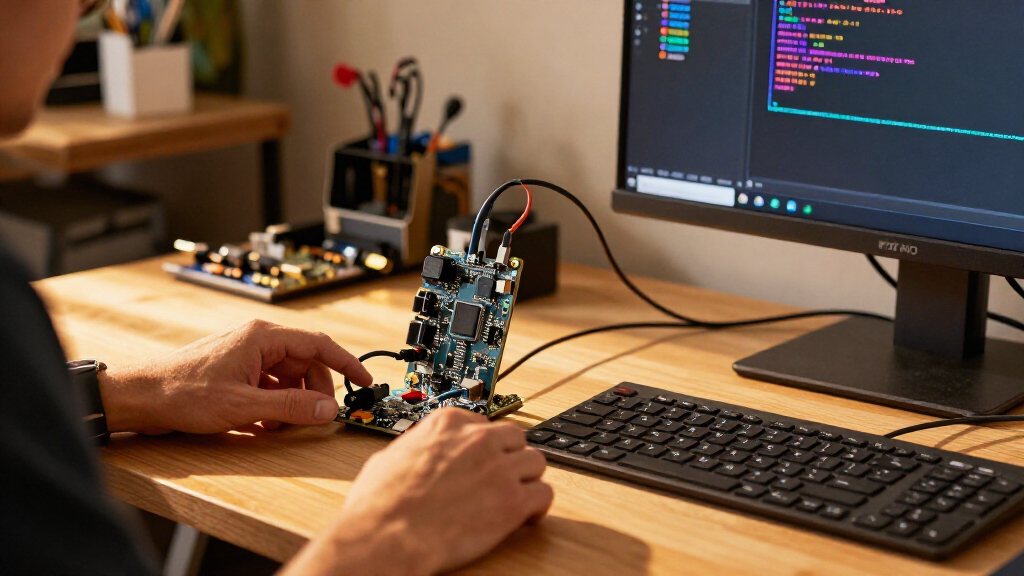
I ranked these alternatives by how well each board can replace a Raspberry Pi 5 for a practical project, rather than by processor specifications alone. The main criteria were compute capability, usable memory, onboard storage, connectivity, expansion potential, and how clearly the board’s hardware suits a particular role. I also weighed the likely setup and software burden: a powerful board is less appealing as a general-purpose pick if its intended use depends on support that buyers have not checked.
The Orange Pi 5 Plus 16GB leads because it pairs the lineup’s most generous memory configuration with the RK3588 platform and a broad general-purpose role. Other RK3588 and RK3588S models follow according to their memory, storage, and board configuration; the 5B earns a distinct place for onboard eMMC, while the R2S and Zero 2W rank as focused choices rather than all-round replacements. The Orange Pi 4 Pro is included as an alternative architecture, but its different processor makes workload and software checks especially relevant. Product listings do not provide enough detail to assume identical operating-system support or accessories across every configuration, so I treat compatibility as something buyers should verify before ordering.
| Raspberry Pi 5 alternatife | Operating systems | GPU |
|---|---|---|
| Orange Pi 5 Plus RK3588 Single | Orange Pi OS (Droid), Ubuntu, Debian, Armbian, Linux, and Android | — |
| Orange Pi 5 Single-Board Compu | Orange Pi OS, Android 12, and Debian 11 | — |
| Orange Pi 5 Plus Single-Board | Orange Pi OS, Android 12, Debian 11, and Ubuntu 22.04 | — |
| Orange Pi Zero 2W 1GB Single-B | Android 12, Debian 11/12, Orange Pi OS (Arch), and Ubuntu 20.04/22.04 | — |
| Orange Pi 5 4GB Rockchip RK358 | Orange Pi OS, Android 12, and Debian 11 | ARM Mali-G610 |
| Orange Pi R2S Single-Board Com | OpenWrt, Ubuntu | — |
| Orange Pi 5 Plus Single-Board | — | Arm Mali-G610 |
| Orange Pi 4 Pro Single-Board C | — | Imagination BXM-4-64N |
| Orange Pi 5 Single-Board Compu | Orange Pi OS (Droid), Ubuntu, Debian, Armbian, Linux, Android 12 | ARM Mali-G610 |
| Orange Pi 5B Single-Board Comp | — | Arm Mali-G610 MP4 |
| Orange Pi 5 Plus Single-Board | Orange Pi OS, Android 12, Debian 11, and Ubuntu 22.04 | ARM Mali-G610 |
Factors to Consider When Choosing Best Raspberry Pi 5 Alternatives
Choosing among these boards starts with the job, not the model number. The lineup includes several variants that share a family name while differing in memory, storage, processor, and board-level features. I would settle the workload and software requirements first, then narrow the options by connectivity, physical fit, and how much setup work I am willing to take on.
Match Compute to the Actual Workload
A fast processor matters most when the board will run several services, compile software, handle media tasks, or serve as a small desktop. For a single-purpose controller or lightweight server, a smaller board may be a better fit even if its peak performance is lower. Avoid treating core count or advertised frequency as a complete performance forecast: cooling, software support, and the specific application affect what the board can sustain. The RK3588 family is the performance-centered group in this roundup, while the Zero 2W is aimed at lighter duties. Write down the applications you plan to run before choosing a processor. That simple check can prevent paying for compute the project never uses.
Choose Memory for Workload Headroom
Memory affects how comfortably a board can handle concurrent applications, large datasets, and memory-hungry development tools. A 4GB model may be enough for a focused service, but multitasking or desktop use can make additional capacity more useful. The 16GB Orange Pi 5 Plus is the clear high-memory option here; that does not mean every project will run faster simply because it has more RAM. Check whether your operating system and workload can make use of the capacity, and leave room for storage and cooling in your build plan. Buyers often focus on RAM while overlooking the practical limits of power, thermal management, and software. Choose headroom for a stated need, not as a substitute for one.
Decide Between Onboard and Removable Storage
The Orange Pi 5B stands apart with 32GB eMMC, which can reduce the number of separate components in a compact build. Other models may suit projects that benefit from selecting or replacing storage independently. Onboard storage can make initial setup neater, but it also ties the build to the capacity supplied and may complicate future changes. Removable storage offers flexibility, though it adds another part to select and manage. Before buying, check the board’s supported boot methods and the operating system’s storage requirements rather than assuming every image works the same way. For a fixed appliance, simplicity may win; for repeated experiments, replaceable storage can be more useful.
Treat Connectivity as a Project Requirement
Ports and network interfaces can determine whether a board fits a project without extra adapters. The R2S is the specialist choice in this group for its dual 2.5G Ethernet, while other boards should be judged by the exact ports and wireless features listed for their configuration. A fast network interface helps only when the rest of the network and the workload can use it. Check connector count, display needs, USB devices, and any storage or sensor connections before choosing a board. A common mistake is to compare processor specifications and discover later that a required port is missing or occupied. Draw a quick connection map before you order.
Check Software Support Before Committing
Single-board computers can differ widely in operating-system images, driver availability, and the quality of setup documentation. That gap may matter more than a modest hardware difference if you depend on a particular camera, display, wireless adapter, or hardware-accelerated application. Confirm that the exact board revision and intended operating system support your peripherals and software. The product names in this lineup include multiple Orange Pi families and processor platforms, so support for one model should not be assumed for another. If you want to learn through community guides, look for instructions written for the same board and revision. A little compatibility research can save more time than choosing a board with a higher specification.
Plan for Cooling, Power, and Physical Fit
A board’s processor and memory are only part of a dependable build; power delivery, cooling, enclosure clearance, and connector access also shape the result. A compact board can be easier to place, but a tight enclosure may restrict airflow or make ports hard to reach. Higher-performance hardware can call for more attention to heat and power than a small, low-demand project. Check the board dimensions and connector layout against your case, then confirm the power requirements for the board and attached devices. Do not assume an old Raspberry Pi case, supply, or accessory will fit or work without checking compatibility. Planning these details early helps avoid a build that runs poorly or needs replacement parts.
Frequently Asked Questions
Which board in this roundup is the closest all-purpose substitute for a Raspberry Pi 5?
I would start with the Orange Pi 5 Plus 16GB if the goal is a flexible, high-capacity board for varied workloads. Its RK3588 platform and generous memory give it the strongest general-purpose case in this group. The best choice can still change if your project needs a particular port, a smaller footprint, or onboard storage. Check software support for your intended operating system and peripherals before treating any board as a direct replacement. For simpler projects, a lower-memory Orange Pi 5 variant may be a more sensible fit.
Is the Orange Pi 5 Plus worth choosing over a standard Orange Pi 5?
Choose the Plus when its board configuration and expansion options serve a real requirement, such as a more involved desktop or multi-device project. A standard Orange Pi 5 can make more sense for a build that mainly needs RK3588S compute and does not depend on the Plus model’s specific connections. Compare the exact version and memory capacity, since these names cover several configurations in the roundup. Also account for enclosure fit and the accessories your project needs. If you cannot name a Plus-specific feature your build will use, the standard model may be the simpler choice.
Should I choose the Orange Pi 5B for its built-in eMMC?
The 5B is a good candidate when a fixed, compact setup benefits from having 32GB of eMMC onboard and fewer separate storage parts. It may be less appealing if you expect to swap storage often, need more capacity, or prefer choosing your own storage device. Check the boot and operating-system support for the exact board before relying on its eMMC for a particular installation. Also compare its other connectivity and expansion features with the Orange Pi 5 models you are considering. Storage convenience is a useful advantage, but it should not outweigh a missing project requirement.
Is the Orange Pi R2S a good choice for a home router or network appliance?
The R2S is the most directly network-focused option here because it lists dual 2.5G Ethernet and an RISC-V processor. That makes it worth investigating for routing, network monitoring, or other appliance-style projects where two fast wired connections matter. Before selecting it, verify that your preferred software supports this specific board and processor architecture. Confirm throughput expectations with the intended applications, since port speed alone does not guarantee a particular real-world result. For a general desktop or media project, one of the RK3588 boards is likely a closer match.
What should a beginner check before buying an Orange Pi board?
A beginner should check for a clear, current operating-system image and setup instructions that match the exact model and revision. Then confirm which power supply, storage, case, cooling parts, and cables are required, since they may not be included with the board. Look up support for the peripherals and applications planned for the first project, especially if it needs a camera, display, or wireless connection. A larger memory capacity does not make setup easier by itself. If the documentation for a specific model is unclear, choosing a board with more relevant setup resources can make the first build less frustrating.
Conclusion
For the broadest mix of compute and memory, I recommend the Orange Pi 5 Plus 16GB as best overall; it is also my best premium pick for workloads that can use its capacity. The Orange Pi 5 4GB RK3588S is my best value choice for projects that need a capable processor without prioritizing maximum memory, while the Orange Pi 5B is better for buyers who want onboard eMMC storage. For beginners, I would choose the model with the clearest documentation and confirmed support for their first project rather than assuming one board is easiest for everyone. For specific needs, pick the R2S for dual-Ethernet network builds or the Zero 2W for compact, modest-demand projects. Before committing, verify software support, required connections, power, and cooling for the exact board configuration.