
TL;DR

Get the latest gadgets delivered free — and shop member deals
- Fast, free delivery on millions of items
- Access to Prime Big Deal Days deals on October 6–7
- Prime Video, Amazon Music and more included
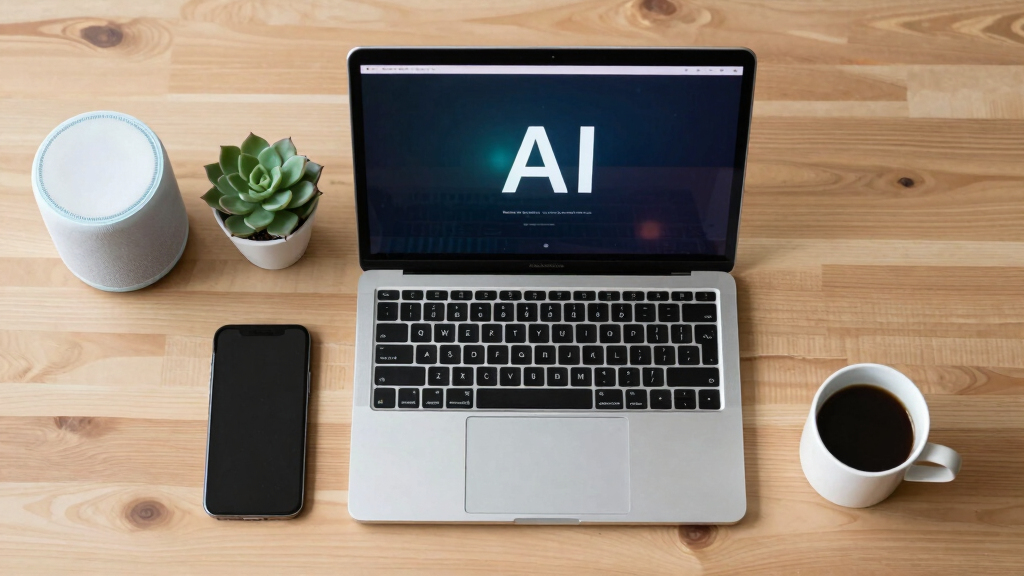
Industry insiders clarify that AI should be viewed as a technology integrated into products, not as a product itself. This perspective influences how companies approach AI development and marketing.
Industry experts and Apple executives confirm that artificial intelligence (AI) is a technology that underpins products, rather than being a product itself, emphasizing its role as a foundational enabler rather than a standalone offering.
Steven Levy, writing for Wired, highlighted comments from Apple’s Ternus and Greg Joswiak, who stated that Apple views AI as an “immense inflection point” but fundamentally as a technology that enhances products and experiences, not as a product to be shipped independently.
Apple’s approach mirrors its historical strategy of focusing on delivering compelling products—such as the iPhone and iPod—centered around user experience rather than technological features alone. Ternus emphasized that Apple’s goal is to ship “amazing products, features, and experiences,” with AI integrated seamlessly into existing and future devices.
Industry analysts note that this perspective counters hype suggesting AI will become a standalone device or interface. Instead, AI is seen as a pervasive technology embedded across devices like smartphones, wearables, and home systems, similar to wireless networking protocols.
Why It Matters
This clarification matters because it influences how consumers, developers, and companies understand and prioritize AI. Viewing AI as a technology rather than a product shifts expectations towards integration and user experience, reducing hype around standalone AI gadgets. It also guides companies in strategic development, emphasizing product ecosystems over one-off AI devices.
As an affiliate, we earn on qualifying purchases.
Background
The recent discourse follows widespread industry discussion about AI’s potential to influence various sectors, including mobile devices and autonomous systems. Historically, Apple’s product philosophy has emphasized creating integrated experiences rather than emphasizing raw technological capabilities. This approach aligns with their past innovations, such as the iPhone, which prioritized user-centric design over technological novelty alone.
Recent statements from Apple executives support this philosophy, emphasizing that AI’s role is to enhance existing products and services, not to replace them with standalone AI devices. This perspective contrasts with some industry narratives that predict a future dominated by AI-powered gadgets.
“We never think about shipping a technology. We want to ship amazing products, features, and experiences, and we don’t want our customers to think about what technology makes it possible.”
— Apple’s Ternus
“AI is an immense kind of inflection point, but it’s one of many leaps Apple has navigated, always integrated into products rather than as a standalone item.”
— Greg Joswiak
wearable devices with AI features
As an affiliate, we earn on qualifying purchases.
As an affiliate, we earn on qualifying purchases.
What Remains Unclear
It remains uncertain how this perspective will influence future product strategies, especially as AI capabilities become more advanced and widespread. There is also uncertainty about how other technology companies will communicate AI’s role—whether they will treat it as a product or a technology—potentially affecting market dynamics and consumer expectations.
As an affiliate, we earn on qualifying purchases.
What’s Next
Next steps include monitoring how major tech firms incorporate AI into their product ecosystems and how they communicate its role. Ongoing developments in AI technology are expected to lead to deeper integration, but the core message that AI is a technology rather than a product is likely to remain consistent.
As an affiliate, we earn on qualifying purchases.
Key Questions
Why is it important to distinguish AI as a technology rather than a product?
Understanding AI as a technology emphasizes its role as an enabler within products, guiding companies to focus on user experience and ecosystem integration rather than creating standalone AI devices. It also helps manage consumer expectations and reduces misconceptions driven by hype.
How does this perspective affect AI development and marketing?
It encourages companies to embed AI into existing products and services, highlighting improvements in functionality rather than promoting AI as a separate gadget. Marketing efforts will likely focus on enhanced experiences rather than standalone AI products.
Will we see standalone AI devices in the future?
While possible, current industry consensus suggests that AI will primarily be integrated into existing devices like smartphones, wearables, and home systems, rather than as separate, standalone products.
How does this view compare to hype around AI in the tech industry?
This perspective counters exaggerated claims that AI will replace all devices or become a new form of standalone product. Instead, it emphasizes AI’s role as a foundational technology that enhances existing hardware and services.
Fall Picks
fall essentials
As an affiliate, we earn on qualifying purchases.