
TL;DR
Prime for Young Adults — start your free trial
Fast free delivery, streaming and member deals for eligible 18–24 year olds.
As an affiliate, we earn on qualifying purchases.
U.S. stock markets extended their winning streak to eight weeks, driven by strong corporate earnings, even as a survey showed consumer confidence hitting record lows. The divergence raises questions about economic resilience amid inflation concerns.
U.S. stock markets closed higher on Friday, extending their streak to eight consecutive weeks of gains, despite a surge in consumer pessimism and rising inflation expectations, according to recent surveys. Project Gutenberg – keeps getting better
The S&P 500 increased by 0.4%, approaching its record high set last week, with the Dow Jones rising 294 points (0.6%) and the Nasdaq gaining 0.2%. Major contributors included Ross Stores, which jumped 8.1% after surpassing earnings expectations, and Estee Lauder, which soared 11.9% following a decision to abandon a potential merger. Other companies like Workday and Zoom also reported better-than-expected quarterly profits, supporting the market’s upward momentum.
Meanwhile, a survey by the University of Michigan revealed consumer sentiment plummeted to a record low, with inflation expectations rising to 4.8% over the next year and 3.9% in the longer term. This decline was driven by concerns over rising oil prices and inflationary pressures, especially among lower-income households. Oil prices fluctuated, with Brent crude ending at $100.21 per barrel after volatility linked to geopolitical tensions involving the Strait of Hormuz.
Bond yields increased globally, with the 10-year U.S. Treasury yield rising to 4.56%, reflecting inflation fears. Traders have largely priced out expectations of rate cuts by the Federal Reserve this year, with Fed officials indicating a cautious stance amid ongoing conflict and economic data. The international markets also posted gains, with Japan’s Nikkei reaching a new high on news of low inflation in April.
Why It Matters
This divergence between rising stock prices and declining consumer confidence highlights a potential disconnect in the U.S. economy. While corporate earnings and market valuations remain strong, households are increasingly worried about inflation and economic stability. This split could signal underlying vulnerabilities that might affect future economic growth and financial stability.

Trading: Technical Analysis Masterclass: Master the financial markets
- Language: English
- Book Title: Trading: Technical Analysis Masterclass
- Material Quality: Premium quality material
As an affiliate, we earn on qualifying purchases.
As an affiliate, we earn on qualifying purchases.
Background
The stock market’s recent gains have been driven by robust corporate earnings reports, with many companies surpassing analyst expectations early in 2026. Despite this, consumer sentiment has weakened sharply, with inflation expectations climbing and fears about economic hardship intensifying, especially among lower-income Americans. Oil prices have been volatile due to geopolitical tensions, influencing inflation and bond yields, which in turn impact borrowing costs and economic activity. Project Gutenberg – keeps getting better
Market analysts note that the current environment presents a paradox: investor optimism fueled by corporate performance contrasts with consumer concerns about inflation and economic prospects, creating a complex outlook for the months ahead. Project Gutenberg – keeps getting better
“Our stores saw strong traffic this quarter, likely helped by households spending their tax refunds.”
— Jim Conroy, CEO of Ross Stores
“If I believe inflation expectations start to become unanchored, I would not hesitate to support an increase in the target range for the federal funds rate.”
— Federal Reserve Governor Christopher Waller
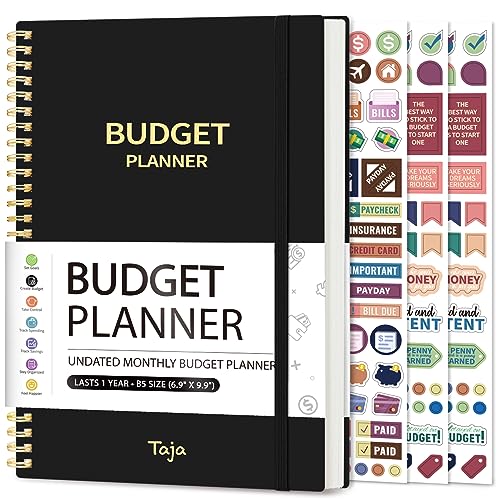
Taja Budget Planner, Undated Budget Book with Expense Tracker, 6.9" x 9.9"
- Effective Budget Planning: Track income, expenses, savings, goals
- User-Friendly Layout: Easy navigation with dedicated pages
- Undated Monthly Calendar: Flexible scheduling with bonus stickers
As an affiliate, we earn on qualifying purchases.
As an affiliate, we earn on qualifying purchases.
What Remains Unclear
It remains unclear whether the current stock market rally can be sustained if consumer sentiment continues to deteriorate, or if inflation pressures force the Federal Reserve to tighten monetary policy further. The trajectory of oil prices and geopolitical developments also pose ongoing risks to economic stability. Project Gutenberg – keeps getting better

SHOP WGS Set of 3-3 Gram – 1 Gram Each Gold Bar 10K Yellow Gold Bullion Gold Bars for Collectible & Value Storage Gifts for Him & Her (Pack of 4)
- Authentic Solid Gold Bars: Made from real 10K or 14K gold
- Premium Craftsmanship: High-polish finish with clear stamping
- Ideal for Gifting or Investment: Perfect for special occasions or portfolio diversification
As an affiliate, we earn on qualifying purchases.
As an affiliate, we earn on qualifying purchases.
What’s Next
Investors will monitor upcoming economic data, including inflation reports and consumer spending figures, to gauge whether the market’s resilience persists. The Federal Reserve’s next policy moves and geopolitical developments in the Middle East will also influence market direction in the coming weeks.

As an affiliate, we earn on qualifying purchases.
Key Questions
Why are stocks rising despite low consumer confidence?
Stocks are rising due to strong corporate earnings reports and investor optimism about corporate profitability, which can diverge from consumer sentiment indicators.
What does the decline in consumer sentiment mean for the economy?
It suggests households are worried about inflation and economic stability, which could lead to reduced spending and slower growth if the trend continues.
How do oil prices affect the economy and markets now?
Volatile oil prices influence inflation and energy costs, which can impact consumer spending, corporate profits, and monetary policy decisions.
Will the Federal Reserve change interest rates soon?
Most traders now expect the Fed to hold rates steady for now, but ongoing inflation concerns could lead to rate hikes if inflation expectations become unanchored.
Source: Google Trends
Fall Picks
fall essentials
As an affiliate, we earn on qualifying purchases.