
TL;DR

Get the latest gadgets delivered free with Prime
- Fast, free delivery on millions of items
- Prime Video, Amazon Music and more included
- Member-only deals all year
Vacuum-formed signs have been a staple of American Main Streets since the 1950s, offering affordable, durable signage for small businesses. Their history reflects advances in plastics and manufacturing, and they remain culturally iconic today.
Vacuum-formed signs, a distinctive style of plastic, illuminated signage, have been a ubiquitous feature of American Main Streets since the 1950s, and their design and manufacturing continue to influence signage today.
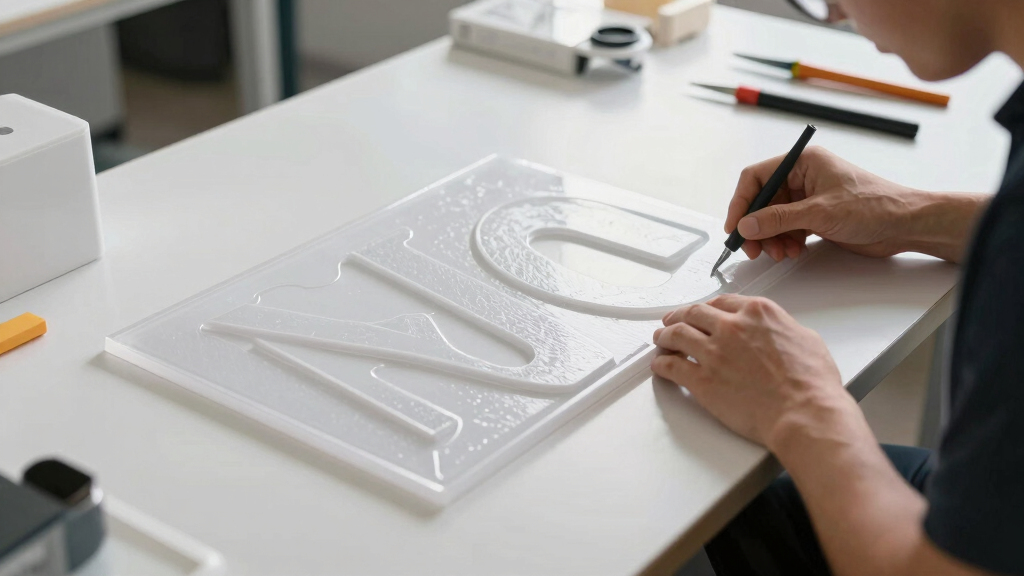
These signs, often called pan-faced or vacu-form signs, are characterized by their 3D embossed plastic appearance, made using vacuum-forming technology that emerged during World War II. This process involved heating thermoplastics until soft, then drawing them over molds with a vacuum to create durable, lightweight signage. Midwestern companies like Timely Products and Embosograf pioneered mass production of these signs for breweries and soft drink brands.
In Southern California, entrepreneurs like Conrad Escalante and Kozy Boren innovated affordable, illuminated signs for small businesses, notably with the creation of the ‘Superior Arrow’ in the late 1950s. Boren’s company, Gulf Development, later became Signtronix, which by 2000 had produced over 500,000 signs, many featuring generic designs like ‘GROCERY’ or ‘BAKERY.’ These signs became emblematic of small-town America, representing a bridge between affordability and visibility for local businesses.
Cultural and Commercial Impact of Vacuum-Form Signs
Vacuum-formed signs played a crucial role in shaping the visual landscape of American small businesses, providing an affordable, customizable, and durable signage option. Their widespread use helped small businesses attract customers at night and contributed to the nostalgic aesthetic of Main Street America. Today, they are recognized as cultural artifacts and continue to influence signage design and branding.
As an affiliate, we earn on qualifying purchases.
Historical Evolution of Signage Technologies in America
Before the advent of vacuum-formed signs, signage was primarily painted or made of metal, with neon signs emerging in the 1920s as a luxury advertising medium. The development of plastics and vacuum-forming technology in the 1950s revolutionized sign manufacturing, enabling rapid, cost-effective production. This period marked a shift toward plastic, illuminated signs that remain iconic in American visual culture.
“Many of the signs we see today are designed to be repurposed if the business changes hands, which explains the generic labels.”
— Chris Fato
illuminated vintage business signs
As an affiliate, we earn on qualifying purchases.
As an affiliate, we earn on qualifying purchases.
Current Trends and Preservation of Vacuum-Form Signs
It is not yet clear how many vacuum-formed signs remain in active use or how they are being preserved or adapted in modern signage practices. The cultural significance of these signs is recognized, but their future in the digital age remains uncertain.
custom 3D embossed plastic signs
As an affiliate, we earn on qualifying purchases.
As an affiliate, we earn on qualifying purchases.
Future of Vacuum-Form Signage in Small Business Branding
Research into current usage and preservation efforts is ongoing. Industry experts suggest that vintage vacuum-formed signs continue to inspire contemporary signage design, and there may be renewed interest in their restoration and collection as nostalgic cultural artifacts. The development of digital and LED signage might influence their continued presence.
retro Main Street business signs
As an affiliate, we earn on qualifying purchases.
As an affiliate, we earn on qualifying purchases.
Key Questions
Are vacuum-formed signs still made today?
While traditional vacuum-formed signs are less common, some manufacturers still produce them for nostalgic, decorative, or specialty purposes. However, digital signage has largely replaced them for everyday business use.
What makes vacuum-formed signs unique?
Their distinctive 3D embossed plastic appearance, durability, and affordability made them a favorite among small businesses in mid-20th-century America. They are also culturally iconic and easily recognizable.
Can vintage vacuum-formed signs be restored or preserved?
Yes, there are restoration specialists and collectors dedicated to preserving these signs. Restoration involves cleaning, repairing plastics, and sometimes rewiring illumination components.
How can I identify a Signtronix or Gulf Development vacuum-formed sign?
Look for signs with embossed plastic lettering, generic design labels like ‘GROCERY’ or ‘BAKERY,’ and specific manufacturing details or markings that are characteristic of Signtronix products.
Source: Hacker News
Halloween Picks
halloween
As an affiliate, we earn on qualifying purchases.