
TL;DR

Get the latest gadgets delivered free — and shop member deals
- Fast, free delivery on millions of items
- Access to Prime Big Deal Days deals on October 6–7
- Prime Video, Amazon Music and more included
Overwatering is the leading cause of houseplant death, but proper watering and drainage can reverse damage. Experts recommend checking roots, using drainage pots, and watering thoroughly.
Overwatering remains the primary cause of houseplant decline, with experts emphasizing that many plants die not from lack of water but from excess. Proper watering techniques, drainage, and root inspection are crucial for reversing damage and maintaining healthy indoor plants.
According to Jesse Waldman of Pistils Nursery, overwatering leads to root rot, which kills plants by preventing roots from absorbing water and nutrients. Signs of overwatering include yellowing leaves, brown tips, mushiness, and wilting. To diagnose, carefully remove the plant from its pot and inspect the roots; black or brown, mushy roots indicate rot. Pruning affected roots and repotting in well-draining soil can save the plant.
Experts recommend using planters with drainage holes and a tray underneath to control water flow and prevent water from sitting at the bottom. Watering should be thorough, allowing excess water to drain completely, which flushes out mineral buildup. For larger plants, watering until water drains out of the bottom and then removing excess is advised. Bottom watering can be effective for porous containers, but is less suitable for glazed or plastic pots.
While some plants like succulents tolerate less drainage, most indoor plants require proper drainage to avoid root rot. Regularly checking soil dryness by feeling it and watering only when it feels dry helps maintain balance. Water quality is also a consideration, with some experts suggesting avoiding tap water with high chlorine or fluoride levels, though this is still debated among horticulturists.
Why Proper Watering Is Critical for Houseplant Survival
Understanding correct watering techniques is essential because overwatering is the leading cause of houseplant death. Proper watering and drainage practices can extend a plant’s lifespan, improve its appearance, and reduce the risk of fungal and bacterial infections. This knowledge empowers plant owners to care for their indoor greenery more effectively, enhancing both plant health and indoor air quality.
indoor plant drainage pots with holes
As an affiliate, we earn on qualifying purchases.
As an affiliate, we earn on qualifying purchases.
Houseplant Care: Common Mistakes and Expert Advice
Many indoor plant failures stem from overwatering, a mistake often made by new plant owners who interpret wilting or yellowing as signs of thirst. Experts like Waldman stress that many plants appear thirsty but are actually drowning, which leads to root rot. Historically, plant care guidelines have emphasized watering frequency, but recent advice highlights the importance of soil dryness and drainage to prevent damage. The trend toward more informed watering practices is part of a broader shift in houseplant care, emphasizing root health and soil management.
“Overwatering is the easiest way to kill a houseplant. Roots rot, fungi and bacteria take hold, and the plant can’t recover.”
— Jesse Waldman, Pistils Nursery
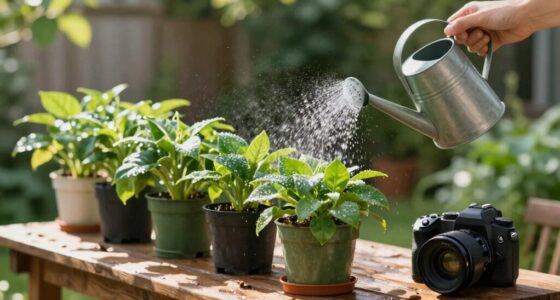
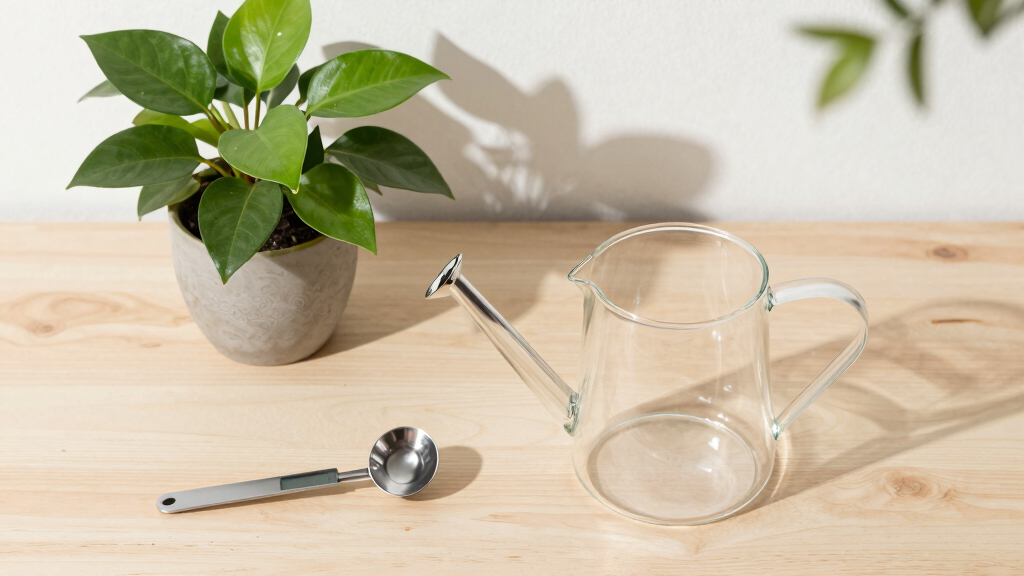
watering can with long spout for houseplants
As an affiliate, we earn on qualifying purchases.
As an affiliate, we earn on qualifying purchases.
Uncertainties in Water Quality and Long-Term Practices
While experts agree on the dangers of overwatering, opinions vary on optimal water quality; some suggest avoiding tap water due to chemicals, but definitive research is limited. Additionally, the best practices for watering larger, heavy plants without lifting them remain under discussion, especially for plants that cannot be easily moved for thorough watering.
soil moisture meter for houseplants
As an affiliate, we earn on qualifying purchases.
As an affiliate, we earn on qualifying purchases.
Next Steps for Improving Houseplant Care and Watering Habits
Plant owners are encouraged to inspect roots regularly, use planters with drainage, and adopt thorough watering routines. Ongoing research into water quality and soil management will further refine best practices. Retailers and horticulturists are expected to promote these updated guidelines through educational campaigns and product innovations, helping consumers prevent common mistakes.
As an affiliate, we earn on qualifying purchases.
Key Questions
How can I tell if my houseplant is overwatered?
Look for yellowing leaves, brown tips, mushy stems, and roots that are black or brown and soft when inspected. These are signs of root rot caused by overwatering.
What type of planter should I use for my houseplants?
Use planters with drainage holes and a tray underneath to control water flow and prevent water from sitting at the bottom, which can cause root rot.
How often should I water my houseplants?
Water only when the top inch of soil feels dry, and aim for deep watering that allows excess water to drain out completely. Frequency varies based on plant type and environment.
Is bottom watering better than top watering?
Bottom watering can be effective for certain porous containers, but most plants benefit from thorough top watering that flushes out salts and minerals. Use the method best suited to your plant and container type.
Should I use filtered or tap water for my houseplants?
While some experts recommend filtered or dechlorinated water to avoid chemical buildup, many houseplants tolerate tap water. If your water is heavily chlorinated or fluoridated, letting it sit overnight before watering can help reduce chemicals.
Source: Architectural Digest
Fall Picks
fall essentials
As an affiliate, we earn on qualifying purchases.