

📊 Full opportunity report: The referral. How AI search severs the content-for-traffic contract that funded the open web. on ThorstenMeyerAI.com — validation score, market gap, and execution plan.
TL;DR
AI search results are increasingly delivering answers without sending readers to publisher sites, breaking the longstanding content-for-traffic contract. This shift threatens the revenue model of independent publishers, especially smaller ones.
Google’s AI Overviews now answer search queries directly on the results page, with an estimated 80-83% of searches ending in zero clicks, effectively severing the longstanding content-for-traffic contract that funded publishers.
For two decades, publishers relied on search engines to send readers to their sites in exchange for indexing their content. This mutual agreement fueled the digital publishing economy, with revenue generated from advertising and subscriptions driven by traffic. Recent data shows that the adoption of AI Overviews has sharply reduced this referral traffic. An Ahrefs study in February 2026 reports a 58% decrease in click-through rates on top-ranking pages, nearly doubling the decline seen in April 2025. Pew Research indicates only 8% of users click traditional results when an AI overview appears, compared to 15% without it. Chartbeat’s data reveals a 33-38% drop in Google search referrals globally, with small publishers experiencing the steepest declines, losing up to 60% of their traffic over two years. This trend signifies a fundamental shift: the traditional click economy—where publishers monetize visits—is giving way to a citation economy, where being mentioned in an AI answer offers little direct revenue.
The referral.
How AI search severs the
content-for-traffic contract
that funded the open web.
AI Overview · up from 34.5% in 2025
two years · large publishers only −22%
AI Overview appears
despite 200%+ growth
for
traffic
The referral was a contract that was only a custom, severed by the party that always held the power to sever it. What survives is not a new channel but a different asset — the direct relationship with the reader — and the publishers who endure are converting from the rented audience to the owned one before “Google Zero” arrives in full.Thorsten Meyer · The Referral · Post-Wire 03
Implications for Publisher Revenue and Industry Structure
This development threatens the core revenue model of independent and niche publishers, especially smaller ones, who rely heavily on search referrals. As AI answers bypass the click, publishers lose the primary channel for audience acquisition and monetization. Larger publishers are better positioned to adapt through direct relationships, subscriptions, and licensing, but smaller players face existential risks. The shift from a traffic-based to a citation-based economy favors established brands and complicates the survival prospects of small publishers, potentially reducing content diversity and increasing media consolidation.
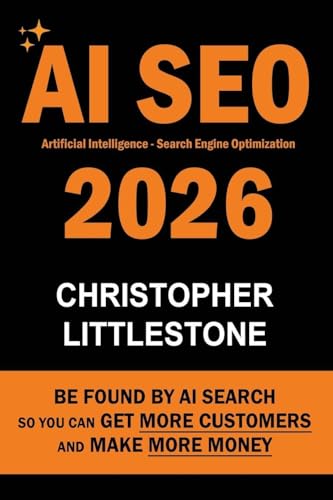
AI SEO 2026: Be Found by AI Search – So You Can Get More Customers and Make More Money
As an affiliate, we earn on qualifying purchases.
As an affiliate, we earn on qualifying purchases.
Historical Shift from Content to Referral-Based Revenue
For decades, the open web operated on a tacit agreement: publishers allowed search engines to index their content in exchange for referral traffic that generated advertising and subscription revenue. This model created a symbiotic relationship, fueling the growth of digital media. However, the rise of AI search tools that answer queries directly—such as Google’s AI Overviews, ChatGPT, and others—has begun dismantling this model. Data from various sources, including Chartbeat and Pew, show a consistent decline in search referrals, especially impacting smaller publishers. The trend indicates a structural change in how online content is consumed and monetized, moving away from the traditional click economy toward a citation-driven model that favors larger, well-known brands.
“The referral was the load-bearing contract of the open web, and AI search is dissolving it—replacing a click economy with a citation economy—where mentions do not pay the bills.”
— Thorsten Meyer
publisher analytics software
As an affiliate, we earn on qualifying purchases.
As an affiliate, we earn on qualifying purchases.
Extent and Long-Term Impact of Traffic Losses
While current data confirms significant declines in referral traffic, it remains unclear how publishers will adapt long-term, whether new monetization strategies will emerge, and how AI companies might reshape search interfaces or licensing arrangements to mitigate revenue losses.
content monetization tools for publishers
As an affiliate, we earn on qualifying purchases.
As an affiliate, we earn on qualifying purchases.
Publisher Strategies and Industry Adaptation Plans
Publishers are increasingly shifting focus toward building direct relationships with audiences through subscriptions, email lists, and owned platforms. Larger publishers may negotiate licensing deals with AI providers. Monitoring how search engines evolve and whether new revenue models develop will be critical in the coming months. Industry stakeholders expect ongoing negotiations and experimentation to determine sustainable paths forward amid the structural shift from traffic to citation economies.
web traffic analytics tools
As an affiliate, we earn on qualifying purchases.
As an affiliate, we earn on qualifying purchases.
Key Questions
How exactly is AI search changing the way publishers earn revenue?
AI search now provides direct answers on the results page, reducing the referral traffic that traditionally brought readers to publisher sites, which in turn decreased ad and subscription revenues.
Are small publishers more affected than large ones?
Yes, data shows small publishers have experienced the steepest declines in search referrals, losing up to 60% over two years, because they rely heavily on search traffic that AI answers bypass.
Can publishers still benefit from AI search traffic?
While AI-referred traffic converts better when it arrives, overall volumes are declining, and small publishers are less able to capture value from citations compared to larger brands.
Is this change temporary or permanent?
Current trends suggest a structural shift rather than a cyclical fluctuation, but the long-term impact depends on how AI search interfaces and monetization strategies evolve.
What can publishers do to survive this shift?
Many are focusing on building direct relationships with audiences through subscriptions, email, and licensing deals, reducing dependence on search referrals as the primary revenue channel.
Source: ThorstenMeyerAI.com