
TL;DR
The Supreme Court’s recent decisions indicate a pattern of dismissing racial motives behind policies, even when evidence of racism is clear. This raises concerns about the Court’s stance on recognizing racial discrimination.
The U.S. Supreme Court has upheld a policy that critics argue is rooted in racial bias, despite clear evidence of racist statements by former President Trump and others involved. This decision signals a potential shift in the Court’s approach to recognizing racial discrimination, which could have significant implications for civil rights litigation and immigration policy.
In a recent ruling, the Supreme Court dismissed evidence of racial animus in the Trump administration’s immigration policies, including statements by Trump describing Haiti as a ‘shithole’ country and suggesting that immigrants from Africa and the Caribbean are ‘poisoning’ the country. The majority opinion, authored by Justice Samuel Alito, argued that none of the statements were overtly racial and that policies could be justified on race-neutral grounds, despite the context and content of the statements.
This decision came in the case Mullin v. Doe, which challenged the termination of temporary protected status (TPS) for Haitians and Syrians. The Court’s ruling effectively allows policies with racially discriminatory origins to stand if they can be justified without explicitly referencing race. Critics, including legal scholars like Guy-Uriel Charles, argue that the Court’s approach sets a dangerous precedent, making it harder to prove racial bias in government actions.
Justice Elena Kagan’s dissent highlighted the clear evidence of racial bias, noting that the majority’s reasoning ignored the context of Trump’s remarks. The ruling has immediate implications, putting thousands of Haitians and Syrians at risk of deportation, despite the dangers they face in their home countries. The decision also raises broader questions about the Court’s willingness to recognize and address racial discrimination in policy-making.
Implications of the Court’s Reluctance to Recognize Racial Bias
This ruling suggests that the Supreme Court may be increasingly unwilling to acknowledge racial bias in government policies, even when evidence of such bias is clear. This shift could hinder civil rights efforts and make it more difficult for marginalized groups to challenge discriminatory practices. The Court’s stance could embolden future policies rooted in racial prejudice, affecting immigration, voting rights, and other civil liberties.

The Civilian Rights Handguide: A Citizen's Guide to Navigating Police Encounters
As an affiliate, we earn on qualifying purchases.
As an affiliate, we earn on qualifying purchases.
Recent Trends in the Supreme Court’s Approach to Racial Discrimination
Over the past few years, the Roberts Court has taken a stance that often minimizes or dismisses claims of racial bias, emphasizing race-neutral justifications for policies with racially discriminatory origins. Learn more about recent Supreme Court rulings. Notable cases include Louisiana v. Callais and Alabama voting rights cases, where the Court upheld restrictions that disproportionately affected Black voters. The recent decision in Mullin v. Doe continues this pattern, suggesting a broader ideological shift within the Court towards limiting the scope of anti-discrimination protections.
Historically, the Court has recognized racial bias as a significant factor in legal challenges, but recent rulings indicate a move towards requiring overt racial statements or actions for discrimination to be acknowledged. Critics argue this trend undermines efforts to combat systemic racism and civil rights protections.
“The Court’s approach sets up an impossible burden for plaintiffs because race is rarely going to be the sole justification for a policy.”
— Guy-Uriel Charles, Harvard Law professor

Making Anti-Racial Discrimination Law
As an affiliate, we earn on qualifying purchases.
As an affiliate, we earn on qualifying purchases.
Unclear Scope of the Court’s Future Rulings on Race
It remains uncertain whether the Court will continue to dismiss racial bias in future cases or if this recent trend represents a temporary ideological shift. The Court’s standards for proving discrimination are now more stringent, but how this will impact civil rights litigation remains to be seen. Additionally, the influence of upcoming appointments and changing legal interpretations could alter this trajectory.
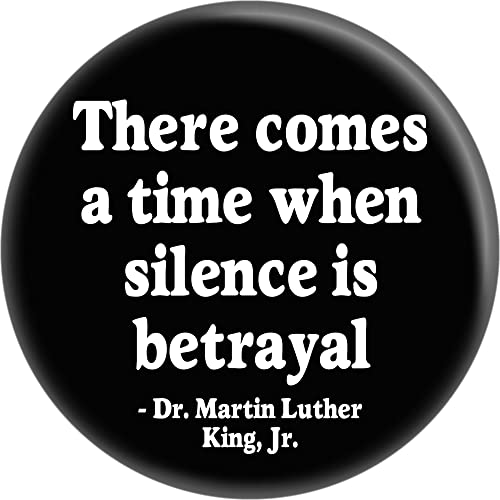
Martin Luther King Jr. – There Comes a Time When Silence is Betrayal – 1.5" Round Button
- Size: 1.5-inch round button
- Versatile Use: Pin on shirts, bags, or straps
- Decorative: Enhance belongings with a cool button
As an affiliate, we earn on qualifying purchases.
As an affiliate, we earn on qualifying purchases.
Next Steps in Civil Rights and Immigration Litigation
Legal advocates are likely to scrutinize upcoming cases for whether the Court will uphold or challenge policies with racial origins. Stay updated on Supreme Court cases. Future rulings could further solidify the Court’s approach or signal a shift back toward recognizing racial bias. Policymakers and civil rights groups will also monitor the Court’s stance, potentially adjusting their strategies accordingly.
racial bias awareness educational kit
As an affiliate, we earn on qualifying purchases.
As an affiliate, we earn on qualifying purchases.
Key Questions
Will the Court change its approach to recognizing racial bias?
It is unclear. Recent rulings suggest a reluctance to acknowledge racial bias unless explicitly overt, but future cases and appointments could influence this trend.
What impact does this have on immigration policies?
The decision allows policies with racially discriminatory origins to stand if they can be justified on nonracial grounds, potentially enabling more racially biased immigration restrictions.
Could this ruling affect civil rights protections?
Yes. The Court’s reluctance to recognize racial bias may make it more difficult for marginalized groups to challenge discriminatory policies in the future.
Is there a way to challenge the Court’s approach legally?
Advocates may need to present more explicit evidence of racial bias or seek legislative reforms, but the Court’s current standards make this increasingly difficult.
Source: The Atlantic