
TL;DR

Get the latest gadgets delivered free — and shop member deals
- Fast, free delivery on millions of items
- Access to Prime Big Deal Days deals on October 6–7
- Prime Video, Amazon Music and more included
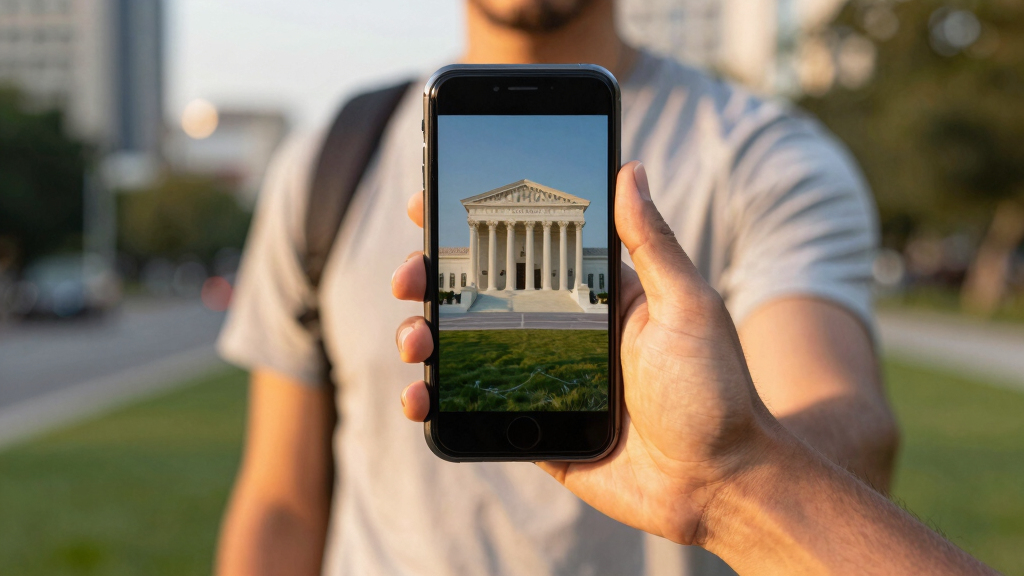
The Supreme Court delivered key rulings affecting Trump, including affirming presidential powers and striking down his policies. Some decisions signal support, others limit his influence. The full impact remains uncertain.
The Supreme Court issued several rulings this week that directly impact Donald Trump’s legal and political landscape. The decisions include affirmations of broad presidential powers and the striking down of Trump-era policies, notably his executive order on birthright citizenship. These rulings are critical because they shape the legal environment in which Trump operates and influence his ongoing efforts to contest legal challenges and policy restrictions.
Among the key rulings, the Court upheld the authority of the president to fire Senate-confirmed officials at independent agencies, citing the broad scope of presidential power under the “unitary executive” theory. This decision could influence Trump’s ability to appoint or remove officials in future administrations. Conversely, the Court struck down Trump’s executive order aimed at ending birthright citizenship for children of some noncitizens, with a 6–3 vote, and clarified that the Fourteenth Amendment requires a broad interpretation of citizenship. Notably, Justice Brett Kavanaugh joined the liberal justices in ruling against Trump’s order, indicating a nuanced position among Trump appointees.
Additionally, the Court upheld state bans on trans women and girls participating in school sports matching their gender identity, a 6–3 decision reflecting ongoing engagement with culture-war issues. The Court also ruled 5–4 that mail-in ballots postmarked by Election Day can be counted, affecting voting procedures. These rulings collectively demonstrate a Court that is both affirming some executive powers favored by Trump and limiting others, especially in the realm of civil rights and immigration policy.
Implications for Trump’s Legal and Political Power
These rulings are significant because they influence Trump’s ability to shape policy and defend himself legally. The affirmation of broad presidential authority, including the power to fire agency officials, could impact investigations or administrative actions related to Trump. The rejection of his birthright citizenship order limits his ability to implement immigration policies unilaterally. Meanwhile, decisions on civil rights and voting procedures may affect the political landscape as Trump seeks to maintain influence and rally support. The Court’s nuanced stance suggests a complex environment where Trump’s legal strategies may face both opportunities and constraints.
As an affiliate, we earn on qualifying purchases.
Recent Supreme Court Decisions and Their Political Impact
The Supreme Court’s recent term has been marked by a series of rulings that reflect a balance between conservative and liberal priorities. Trump’s appointees, including Justices Gorsuch and Kavanaugh, have participated in decisions that both support and limit his agenda. The Court’s ruling on agency independence and presidential powers aligns with conservative efforts to strengthen executive authority, a theme consistent with Trump’s emphasis on strong presidential control. Conversely, the rejection of the birthright citizenship order and the rulings on civil rights issues demonstrate the Court’s willingness to uphold established constitutional protections, sometimes in opposition to Trump’s policies. These decisions follow a pattern of the Court engaging deeply with culture-war issues and questions of presidential authority, shaping the legal landscape for Trump’s ongoing legal challenges and policy ambitions.
“While some rulings bolster Trump’s claims of executive authority, others restrict his policy options, reflecting a Court that is both supportive and cautious in its approach.”
— Political commentator
As an affiliate, we earn on qualifying purchases.
Remaining Uncertainties About Legal Challenges
It is still unclear how these rulings will influence ongoing or future legal cases involving Trump, particularly related to investigations or civil suits. The Court’s decisions on agency independence and executive power could be challenged or tested in lower courts, and the full implications of the birthright citizenship ruling are yet to be seen in practice. Additionally, the political fallout and how Trump and his allies will respond remain uncertain, especially regarding potential legal maneuvers or legislative efforts.
As an affiliate, we earn on qualifying purchases.
Next Steps in Trump’s Legal and Political Strategies
Trump is expected to continue challenging the Court’s rulings, especially the Fed carve-out and the birthright citizenship decision. Legal battles may extend into lower courts, and political efforts could focus on rallying support around claims of judicial bias or overreach. The Court’s decisions may also influence upcoming electoral strategies and policy proposals, with Trump and allies assessing how to navigate the evolving legal landscape. Monitoring upcoming rulings and legislative responses will be key to understanding the full impact on Trump’s future actions.
government agency official appointment kit
As an affiliate, we earn on qualifying purchases.
As an affiliate, we earn on qualifying purchases.
Key Questions
How do these rulings affect Trump’s ability to influence policy?
The rulings on agency independence and presidential powers could strengthen Trump’s capacity to control administrative agencies, but decisions like the birthright citizenship ruling limit his ability to unilaterally change immigration policies.
Could these decisions impact ongoing investigations into Trump?
Potentially. The Court’s affirmation of broad presidential powers might influence how investigations are conducted or challenged, but the rulings do not directly address specific investigations.
What does the Court’s stance on civil rights issues mean for Trump’s policies?
The decisions upholding bans on trans athletes reflect a conservative trend that could support Trump’s emphasis on traditional values, but they also demonstrate the Court’s willingness to uphold protections under the Constitution.
Will Trump attempt to challenge these rulings legally?
It is likely Trump and his legal team will seek to contest or work around these rulings, especially the birthright citizenship decision, which he has already indicated he will fight.
How might these decisions influence upcoming elections?
The rulings could energize Trump’s supporters by framing the Court as a defender of his agenda, while opponents may use the decisions to argue about judicial limits on executive power and civil rights.
Source: The Atlantic
Fall Picks
fall essentials
As an affiliate, we earn on qualifying purchases.