
🔍 Read the full analysis: Bangladesh Forms Wage Board As Garment Workers Press For Change on ThorstenMeyerAI.com

Get the latest gadgets delivered free with Prime
- Fast, free delivery on millions of items
- Prime Video, Amazon Music and more included
- Member-only deals all year
TL;DR
Bangladesh appointed a six-member board on November 1 to review minimum pay for garment workers, as protests demanding a monthly wage of 30,000 taka disrupted 529 factories, according to the industry association. Factories reopened the next day, but the board has not published a meeting date, timetable or proposed wage.
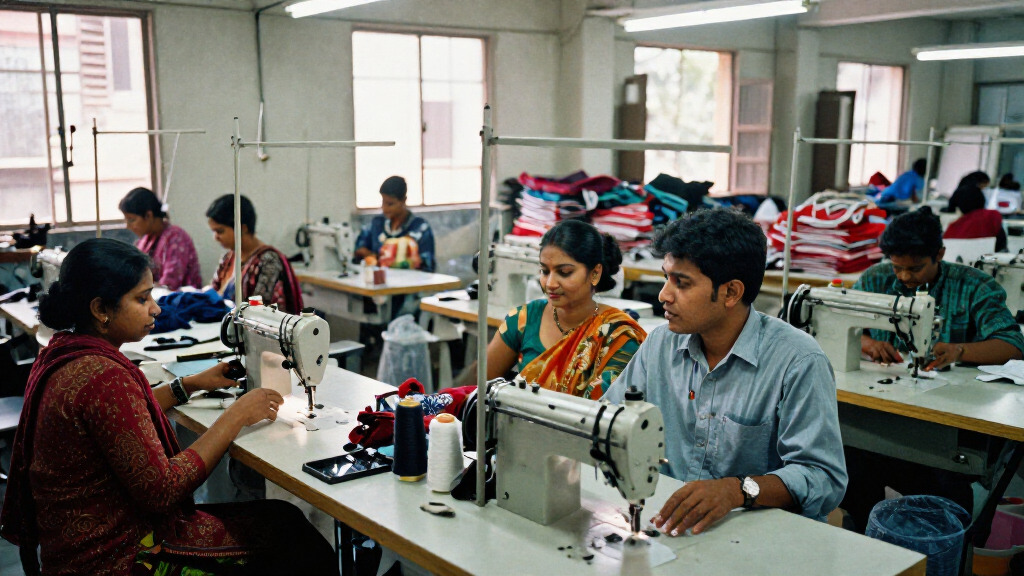
Bangladesh appointed a six-member board on November 1 to review minimum wages for garment workers, as protests over pay disrupted 529 factories, according to a report from the Bangladesh Garment Manufacturers and Exporters Association (BGMEA). Workers are demanding 30,000 taka a month, more than twice the current minimum of 12,500 taka; factories reopened on November 2, Reuters reported, while owners remained concerned about further unrest.
The Ministry of Labour and Employment issued notifications establishing the board under the Bangladesh Labour Act, 2006, as amended in 2026, The Daily Star reported. Its six members include a chair, an independent member, two representatives of employers and two workers’ representatives. The chair is to work with the other members to determine a minimum wage. The government said the board followed discussions with workers’ representatives and industry leaders, according to Reuters and Al Jazeera.
The BGMEA situation report covered 2,134 factories across five industrial regions. It recorded disruptions at 529 factories and said 987,190 workers had left their workplaces on November 1, The Daily Star reported. The largest totals were in Gazipur and Mymensingh, where 276 of 836 factories were affected and 645,360 workers left. The report also recorded disruptions in Savar, Ashulia and Jirani, and in Mirpur. It reported no disruptions in the areas covered in Narayanganj or Chattogram.
Reports described workers walking out and production being disrupted, rather than factories being shut by owners. Reuters reported that police used tear gas and water cannon after bricks were thrown during Sunday’s demonstrations, and that a police vehicle and police post were set alight. Several people, including police officers, were reported injured in clashes in the Ashulia area on October 31. Border Guard Bangladesh personnel were deployed, Reuters reported. The demonstrations followed weeks of road blockades and workplace protests.
Pay Talks Affect Export Production
The wage decision could affect the income of garment workers and the costs and delivery schedules of a major export industry. Labour Minister Ariful Haque Choudhury warned that extended disruptions could delay export shipments and payments from overseas buyers, according to Reuters and Al Jazeera. Although factories reopened on November 2, that did not settle the dispute or establish whether production would remain uninterrupted.
The conflict also involves the prices paid by international buyers. Reuters reported that workers, factory owners and an economist all pointed to brands’ purchasing prices as part of the pressure on suppliers. An International Labour Organization survey from 2016, cited in the source report, found that only 17% of Bangladeshi suppliers said their customers were willing to reflect minimum-wage increases in the prices they paid. That older survey does not establish current buyer practices, but it provides context for why a domestic wage negotiation can involve the wider supply chain.
Pay changes also intersect with concerns about jobs and automation. The source report cites research discussed by the Centre for Policy Dialogue warning that automation could threaten up to 1.22 million garment jobs. That figure is a projected risk, not a confirmed count of jobs already lost. It underscores the competing pressures facing workers and employers as the board considers a new wage structure.
Products Worth Considering

Bose QuietComfort Ultra Headphones (2nd Gen), Wireless Bluetooth Noise-Cancelling Over-Ear Headphones, Black

Logitech MX Brio Ultra HD 4K Webcam, Graphite

Logitech MX Keys S Wireless Keyboard, Graphite
As an affiliate, we earn on qualifying purchases.
A Wage Review After 2023
The current minimum wage of 12,500 taka a month has applied since December 2023. Workers in the recent protests are seeking 30,000 taka, which Reuters converted to about $243 to $245. That is the workers’ demand, not a wage approved by the government or the newly formed board. Factory owners have argued that the demand has “no logical or mathematical basis,” Reuters reported, while workers say their current pay does not cover living costs.
The board’s formation came as protests escalated. The Daily Star reported that workers had blocked roads from mid-October. On October 31, about 30 factories around Ashulia declared holidays, according to Ashulia Industrial Police superintendent Mohammad Mominul Islam Bhuiyan, and clashes injured several people. On November 1, road blockades and demonstrations spread across parts of Dhaka and Gazipur. The government named the board that evening.
A 2026 amendment to the Labour Act shortened the interval for minimum-wage reviews from five years to three, The Daily Star reported. Because the current wage took effect in December 2023, a review was due under that schedule. The protests brought added urgency, but the available reporting does not establish that the board has accepted the workers’ requested figure.
“After paying rent, there is very little left for food, our children’s education and other essential expenses.”
— Garment worker Mahin Hossain, speaking to Reuters
Board Timetable Remains Unset
The ministry notifications, as described by The Daily Star, did not specify when the board would first meet, when it would announce a wage structure or whether it has a deadline. The amount of any increase and the date it might take effect are also unknown. The 30,000-taka figure is a worker demand; no board recommendation or government decision on that amount has been reported.
The BGMEA figures are an association’s account of factories and workers affected, not an independent count. The report describes workers leaving their workplaces and factory operations being disrupted. The available information does not establish how many workers returned after the November 2 reopening, whether every factory resumed normal output, or whether demonstrations continued. Reuters reported that owners were bracing for further unrest.
First Meeting and Wage Proposal
The next concrete step is for the six-member board to meet and begin consultations on a revised minimum wage. No meeting date or timetable has been announced in the reporting available. The board’s work will need to clarify how it weighs workers’ demands, employers’ arguments and the financial conditions of the garment industry.
Factories have reopened, but the dispute remains unresolved. Workers’ decisions about returning to work, any further protests, and the board’s progress are key developments to watch. The government has warned that extended disruption could affect shipments and payments; whether production and exports face further delays remains unknown.
Key Questions
Why did Bangladesh form a garment wage board?
The government appointed the board on November 1 as garment workers protested for higher pay. The ministry said the decision followed talks with workers’ representatives and industry leaders, according to Reuters and Al Jazeera.
How much are garment workers demanding?
Workers are demanding a minimum wage of 30,000 taka a month. That is a demand, not an approved wage. The current minimum is 12,500 taka a month and has applied since December 2023.
How many factories were affected by the November 1 protests?
The BGMEA reported disruptions at 529 of 2,134 factories covered across five industrial regions, with 987,190 workers leaving workplaces. The association’s figures were reported by The Daily Star.
When will the board announce a new wage?
No meeting date, announcement date or deadline was reported in the ministry notifications described by The Daily Star. The timing and amount of any new wage remain unknown.
Were factories still closed after the protests?
Reuters reported that factories reopened on November 2, but owners remained concerned about further unrest. The available reports do not establish whether all factories returned to normal production or how many workers had resumed work.
Source: ThorstenMeyerAI.com