
TL;DR

Get the latest gadgets delivered free — and shop member deals
- Fast, free delivery on millions of items
- Access to Prime Big Deal Days deals on October 6–7
- Prime Video, Amazon Music and more included
The beauty industry is transitioning from physical retail aisles to digital algorithms, with new categories and concepts driving growth toward 2030. This shift impacts brands, channels, and consumer engagement strategies.
The beauty industry is increasingly shifting from traditional retail aisles to digital algorithms, with emerging categories and concepts fueling growth toward 2030, according to recent analyses.
Industry analysts project that by 2030, digital channels will dominate beauty product sales, with online platforms and social media influencing consumer choices more than physical stores. Key categories such as clean beauty, personalized skincare, and inclusive makeup are expanding rapidly, driven by consumer demand for authenticity and customization.
Retail channels are also transforming, with direct-to-consumer brands leveraging e-commerce and social commerce, while traditional brick-and-mortar stores adapt by integrating digital experiences. Concepts like sustainability and ethical sourcing are becoming central to brand identities, aligning with evolving consumer values.
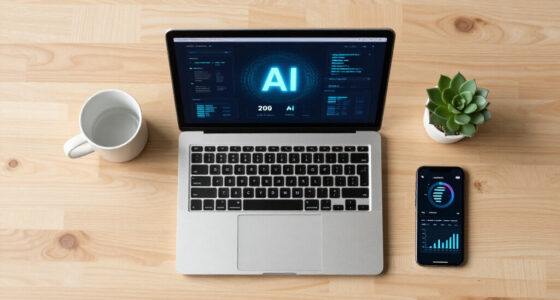
Market reports highlight that beauty brands are increasingly investing in AI-driven personalization tools, virtual try-ons, and augmented reality experiences to engage consumers digitally. This trend reflects a broader industry pivot from aisle-based shopping to algorithm-powered discovery and purchase.
Implications of Digital and Conceptual Shift in Beauty
This shift is significant because it redefines how brands connect with consumers, emphasizing digital engagement over physical retail. Companies that adapt to these changes can better meet consumer expectations for personalization, sustainability, and authenticity, which are becoming key drivers of loyalty and growth. Additionally, the move toward digital channels presents opportunities for new entrants and challenges for traditional retailers to remain competitive in a rapidly evolving landscape.
As an affiliate, we earn on qualifying purchases.
Recent Trends and Industry Evolution in Beauty
Over the past decade, the beauty industry has experienced a major transformation from brick-and-mortar dominance to a digital-first approach. The rise of social media influencers, virtual try-on tools, and e-commerce platforms has accelerated this change. Market research indicates that by 2025, online beauty sales are expected to surpass physical store sales in many regions, underscoring the shift.
Furthermore, consumer preferences are driving demand for clean, sustainable, and inclusive products, prompting brands to innovate along these lines. The integration of AI and augmented reality into beauty shopping experiences reflects a broader trend of technological adoption aimed at enhancing personalization and convenience.
“Categories like clean beauty and personalized skincare are expanding rapidly, driven by consumer demand for authenticity and customization.”
— market researcher
As an affiliate, we earn on qualifying purchases.
Uncertainties in Industry Transition and Consumer Adoption
While projections indicate a strong digital shift, it remains unclear how quickly traditional retail will adapt or whether certain regions or demographics will lag behind in digital adoption. Additionally, the long-term impact of emerging concepts like sustainability on consumer loyalty and brand performance is still being evaluated.
As an affiliate, we earn on qualifying purchases.
Next Steps in Industry Transformation and Innovation
Industry stakeholders are expected to increase investment in AI, virtual try-on technology, and personalized marketing tools. Monitoring how brands integrate these innovations and how consumer preferences evolve will be crucial over the coming years. Market reports and industry conferences in 2024 and beyond will likely provide further insights into the pace and direction of these changes.
As an affiliate, we earn on qualifying purchases.
Key Questions
How are digital channels changing the way consumers buy beauty products?
Digital channels enable consumers to discover, try, and purchase beauty products through online platforms, social media, and virtual try-on tools, making the shopping experience more personalized and convenient.
What categories are driving growth in the beauty industry toward 2030?
Categories such as clean beauty, personalized skincare, inclusive makeup, and sustainable products are expanding rapidly due to changing consumer values and preferences.
Will physical stores disappear completely by 2030?
It is unlikely that physical stores will vanish entirely; instead, they are expected to integrate digital experiences and complement online channels as part of omnichannel strategies.
What role will AI and augmented reality play in future beauty shopping?
AI and AR will enhance personalization, virtual try-ons, and immersive shopping experiences, making digital engagement more effective and appealing to consumers.
Are traditional brands keeping pace with digital transformation?
Some traditional brands are investing heavily in digital tools and e-commerce, but the pace varies. Continuous innovation and adaptation will be key for their competitiveness.
Source: rss
Evergreen bestsellers Picks
bestsellers
As an affiliate, we earn on qualifying purchases.