
TL;DR

Get the latest gadgets delivered free with Prime
- Fast, free delivery on millions of items
- Prime Video, Amazon Music and more included
- Member-only deals all year
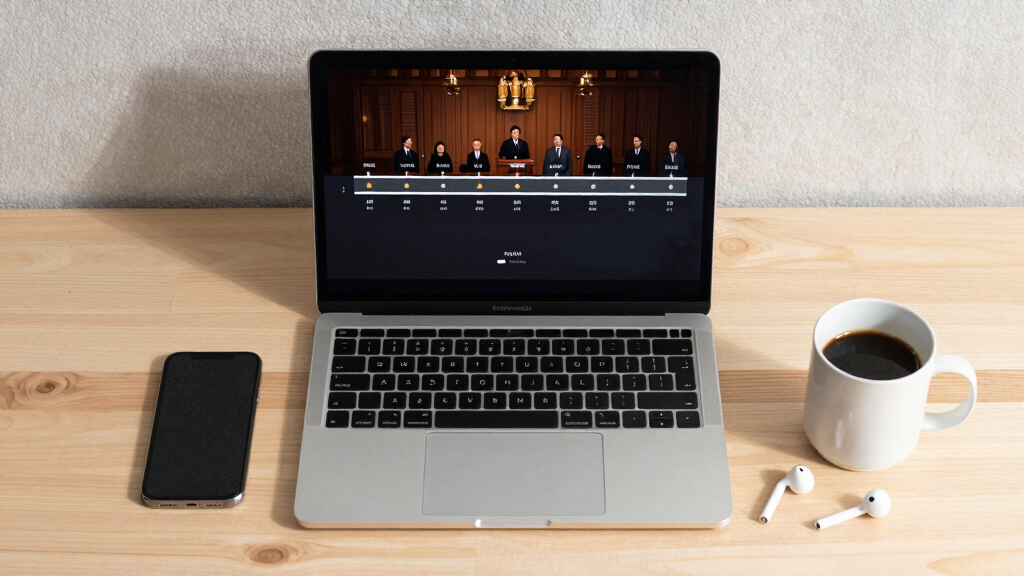
Elon Musk has sued OpenAI, accusing its leaders of abandoning its founding mission for profit. The trial features testimonies from Musk, Altman, and other key figures, revealing deep disagreements over AI development and company ethics.
Elon Musk’s lawsuit against OpenAI is currently underway, with Musk accusing the company’s leadership of betraying its original mission to benefit humanity and shifting focus to profit. The case involves high-profile testimonies from Musk, OpenAI CEO Sam Altman, and other key witnesses, revealing deep disagreements over the company’s direction and ethics.
The trial, which began three weeks ago, features Musk alleging that Altman and cofounder Greg Brockman tricked him into funding OpenAI under false pretenses, only for the company to prioritize profits over its initial mission. Musk is seeking the removal of Altman and Brockman from their positions and demands damages up to $150 billion. Key witnesses include Musk’s manager Jared Birchall, former OpenAI CTO Mura Murati, and Microsoft executives such as Satya Nadella and Kevin Scott. Altman has defended the company’s mission and refuted Musk’s claims, asserting that the lawsuit is a jealous bid to undermine OpenAI and benefit Musk’s other ventures. The trial has also highlighted internal safety measures at OpenAI and the company’s relationships with investors like Microsoft, Softbank, and Nvidia.
Why It Matters
This case is significant because it questions the ethical and strategic direction of one of the world’s leading AI research organizations. The outcome could impact OpenAI’s governance, its relationships with investors, and the future development of AI technology. It also exposes tensions between profit motives and AI safety, which are central to ongoing debates about responsible AI innovation.
As an affiliate, we earn on qualifying purchases.
Background
Elon Musk co-founded OpenAI in 2015 with the goal of developing AI for the benefit of humanity. Over time, tensions grew over the company’s shift towards commercialization and profit generation. Musk’s departure from OpenAI in 2018 and subsequent criticisms have culminated in this lawsuit, which alleges that the current leadership has strayed from its founding principles. The trial is part of a broader struggle over the future of AI development and corporate ethics in the tech industry.
“We created, through a ton of hard work, this extremely large charity, and I agree you can’t steal it. Mr. Musk did try to kill it, I guess.”
— Sam Altman
“I never called anyone a jackass. I might have said, ‘Don’t be a jackass,’ but I never used the term directly.”
— Elon Musk
“Microsoft’s involvement with OpenAI was about building out Azure for AI research, not about the lawsuit.”
— Kevin Scott (Microsoft CTO)
AI research and development tools
As an affiliate, we earn on qualifying purchases.
As an affiliate, we earn on qualifying purchases.
What Remains Unclear
It remains unclear how the court will interpret the allegations of mission betrayal and whether Musk’s claims of financial and ethical misconduct will be substantiated. The final ruling has not been announced, and the case’s broader implications for AI regulation and corporate governance are still uncertain.
AI safety and ethics online courses
As an affiliate, we earn on qualifying purchases.
As an affiliate, we earn on qualifying purchases.
What’s Next
The trial is expected to continue with additional witness testimonies, including further cross-examinations of Musk, Altman, and other executives. A verdict could be reached in the coming months, potentially reshaping OpenAI’s leadership and strategic direction.
As an affiliate, we earn on qualifying purchases.
Key Questions
What are Elon Musk’s main accusations against OpenAI?
Musk alleges that OpenAI’s leadership, including Sam Altman, tricked him into funding the company under false pretenses and has since shifted its focus from developing AI for the benefit of humanity to maximizing profits, betraying its founding mission.
What is Sam Altman’s defense in the trial?
Altman has defended OpenAI’s mission, stating that the company remains committed to safe and beneficial AI development. He also refuted Musk’s claims of misconduct and described the lawsuit as a jealous attempt to undermine OpenAI and benefit Musk’s other ventures.
How might this case impact the future of AI development?
The outcome could influence corporate governance standards in AI research, affect investor relationships, and set legal precedents regarding mission statements and profit motives in AI organizations.
When is a verdict expected in this case?
The trial is ongoing, and a final decision is not yet announced. It may take several more months before a verdict is reached.
Halloween Picks
halloween
As an affiliate, we earn on qualifying purchases.