
TL;DR

Get the latest gadgets delivered free — and shop member deals
- Fast, free delivery on millions of items
- Access to Prime Big Deal Days deals on October 6–7
- Prime Video, Amazon Music and more included
Mayo Clinic has begun using AI-powered ‘Ambient Listening’ to record patient interactions in emergency rooms. The recordings are opt-out, sparking concerns over consent and data accuracy. This development highlights growing AI integration in healthcare and its ethical implications.
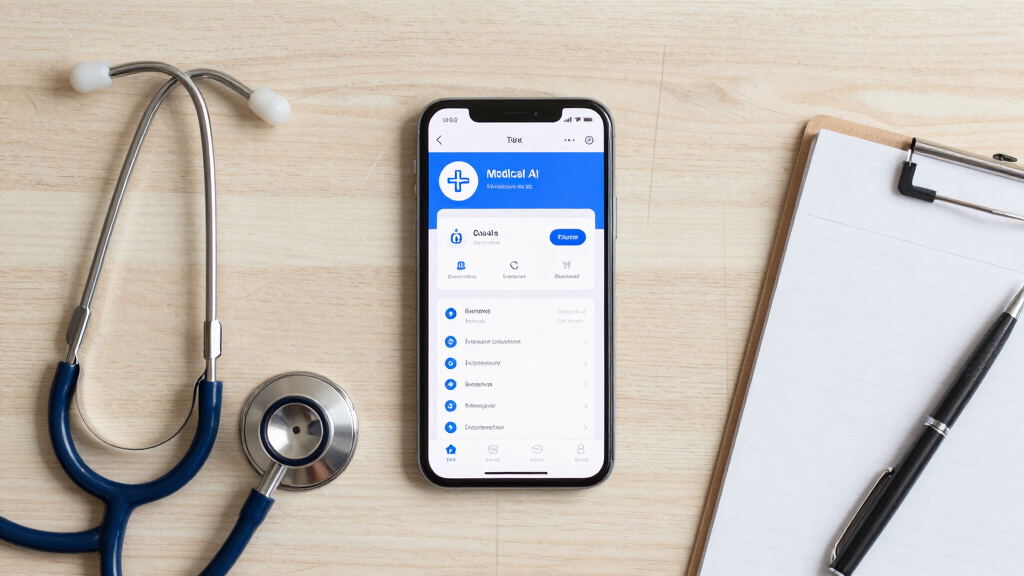
Mayo Clinic is now using ‘Ambient Listening’ technology to record patient interactions in emergency rooms, with AI processing the collected data. The recordings are opt-out, raising questions about patient consent and data privacy. This initiative reflects a broader trend of AI integration in healthcare, potentially transforming how patient interactions are documented and analyzed.
Mayo Clinic’s ‘Ambient Listening’ system captures audio during patient visits in emergency rooms, including conversations between patients and nurses. The recordings are automatically collected unless patients opt out, a choice that some patients may not be fully aware of, according to reports from 404 Media. The recorded data is then processed by AI algorithms to generate notes and insights, aiming to streamline documentation and improve care.
Officials from Mayo Clinic confirmed that the system is currently in use across certain emergency departments. They emphasized that the technology is designed to enhance clinical workflows and patient outcomes. However, the opt-out nature of the recordings has prompted privacy concerns and debates about informed consent, especially since some patients may not be aware they are being recorded.
Why It Matters
This development is significant because it exemplifies how AI is increasingly embedded into healthcare settings, potentially improving efficiency but also raising ethical issues around patient privacy and consent. The use of ambient listening could reshape documentation practices, but it also prompts scrutiny over transparency and data security. For patients, understanding how their conversations are recorded and used is critical, especially in sensitive environments like emergency rooms.
AI-powered medical transcription devices
As an affiliate, we earn on qualifying purchases.
As an affiliate, we earn on qualifying purchases.
Background
The use of AI in healthcare has been expanding, with applications ranging from diagnostic tools to administrative automation. Last month, studies highlighted that AI-powered scribe tools can sometimes produce less accurate notes than human scribes, depending on the context. Mayo Clinic’s adoption of ambient listening is part of a broader trend towards leveraging AI to reduce administrative burdens and improve clinical efficiency, yet it also intensifies ongoing debates about patient privacy and informed consent in digital health innovations.
“Our ambient listening system is intended to support clinicians by providing accurate, real-time documentation of patient interactions.”
— Mayo Clinic spokesperson
“Patients should be fully informed when their conversations are recorded and analyzed, especially without explicit consent.”
— Privacy advocacy group representative
As an affiliate, we earn on qualifying purchases.
What Remains Unclear
It is still unclear how many patients are aware of the recordings, how data security is managed, and whether the system has been evaluated for accuracy and privacy compliance. Details about the scope of implementation across Mayo Clinic’s facilities are also not fully confirmed.
medical ambient listening devices
As an affiliate, we earn on qualifying purchases.
As an affiliate, we earn on qualifying purchases.
What’s Next
Further assessments of patient awareness and consent processes are expected, along with potential regulatory reviews. Mayo Clinic may expand the system to additional departments or facilities, and ongoing studies will likely evaluate the impact on care quality and privacy. Policymakers and privacy advocates may also scrutinize the practice more closely.
AI healthcare documentation tools
As an affiliate, we earn on qualifying purchases.
As an affiliate, we earn on qualifying purchases.
Key Questions
Is patient consent required for ambient listening recordings?
Currently, Mayo Clinic’s system is opt-out, meaning recordings occur unless patients explicitly refuse. The adequacy of consent is under debate, with privacy advocates calling for clearer notification and opt-in options.
How accurate are the AI-generated notes from these recordings?
Studies suggest that AI-powered scribe tools can sometimes produce less accurate notes than human scribes, depending on the context. Mayo Clinic has not publicly disclosed specific accuracy metrics for this system.
What safeguards are in place to protect patient data?
Details about data security measures are not yet fully disclosed. Privacy concerns remain, especially regarding how recordings are stored, accessed, and used.
Could this technology be expanded to other healthcare settings?
While currently limited to certain emergency departments, the success or challenges of this implementation could influence broader adoption across Mayo Clinic and other healthcare providers.
Fall Picks
fall essentials
As an affiliate, we earn on qualifying purchases.