
TL;DR

Get the latest gadgets delivered free with Prime
- Fast, free delivery on millions of items
- Prime Video, Amazon Music and more included
- Member-only deals all year
SenseTime’s Galaxy Project is focused on scaling up domestic AI chip production in China. While the project’s objective is confirmed, specifics about technology, partners, and timelines are still undisclosed. Its success could significantly impact China’s AI infrastructure development.
SenseTime’s Galaxy Project is aiming to significantly increase the production of domestic AI chips in China, according to a recent report. This initiative underscores China’s strategic effort to bolster local computing capacity amid international supply constraints. The project’s specific technology, partners, and timelines have not been publicly disclosed, but the focus on scale-up is confirmed.
The available information confirms that SenseTime’s Galaxy Project is a strategic effort to develop large-scale domestic AI chip manufacturing. The project’s objective is to expand China’s internal computing capacity, which is vital for AI training and inference. However, no details have been provided about the chip architecture, manufacturing partners, production volume, or schedule.
SenseTime, primarily known as an AI software developer, has not revealed whether the project involves designing new chips, coordinating manufacturing, or both. Nor has it disclosed whether the chips are intended mainly for internal use, external customers, or both. The project’s scope and commercial model remain unconfirmed, with no evidence of mass production or deployment at this stage.
Implications for China’s AI Hardware Independence
The Galaxy Project’s focus on domestic chip scale-up could reduce China’s reliance on foreign semiconductor supplies, especially for advanced AI processors. If successful, it may enable Chinese AI developers like SenseTime to access more reliable, locally produced hardware, potentially accelerating AI innovation and deployment within China. The initiative also signals a broader government and industry push toward self-sufficiency in critical AI infrastructure components.
As an affiliate, we earn on qualifying purchases.
China’s Drive for Self-Reliant AI Hardware Development
China has been actively pursuing technological independence, especially in semiconductors, amid US export restrictions and global supply chain disruptions. Several domestic projects aim to develop advanced AI chips, but progress has been uneven. SenseTime’s Galaxy Project appears to be part of this broader national strategy, focusing on scaling up local manufacturing capabilities. Prior efforts have included investments in chip design and manufacturing facilities, but no large-scale domestic AI chip production has yet been publicly confirmed.
As an affiliate, we earn on qualifying purchases.
Unconfirmed Details of Technology and Deployment
Several key details remain unknown, including the specific chip architecture, manufacturing partners, production volume, and timetable. SenseTime has not disclosed whether the chips are designed internally or sourced from external foundries, nor whether they are intended for training, inference, or both. The project’s current stage—development, testing, or deployment—is also unclear.
As an affiliate, we earn on qualifying purchases.
Monitoring for Technical and Commercial Milestones
Future updates from SenseTime regarding hardware specifications, manufacturing partnerships, and production schedules will be critical indicators of progress. Demonstrations of the chips in AI workloads, customer deployments, or official shipment announcements could confirm the project’s advancement beyond strategic planning. Industry observers will also watch for any disclosures about the project’s scale and commercial impact.
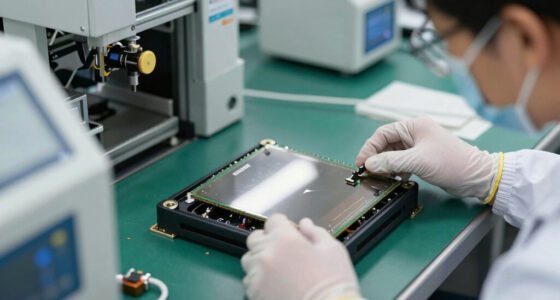
semiconductor manufacturing equipment
As an affiliate, we earn on qualifying purchases.
As an affiliate, we earn on qualifying purchases.
Key Questions
What exactly is the Galaxy Project aiming to achieve?
The Galaxy Project aims to develop large-scale, domestically produced AI chips in China, focusing on expanding local manufacturing capacity to reduce reliance on foreign technology.
Has SenseTime announced any specific chip models or partners?
No, the company has not disclosed any specific chip designs, manufacturing partners, or technical specifications related to the project.
Why is this project important for China’s AI industry?
If successful, the project could provide China with more reliable, self-sufficient hardware for AI development, potentially accelerating innovation and reducing dependency on foreign suppliers.
What are the main uncertainties about the Galaxy Project?
Key uncertainties include whether the project has moved beyond planning, the technical details of the chips, manufacturing partners, production scale, and timetable for deployment or commercialization.
What should we watch for to gauge progress?
Look for official disclosures of hardware specifications, manufacturing partnerships, demonstration of chips in AI workloads, customer deployment announcements, and any shipment or production milestones.
Source: ThorstenMeyerAI.com
Fall Picks
fall essentials
As an affiliate, we earn on qualifying purchases.