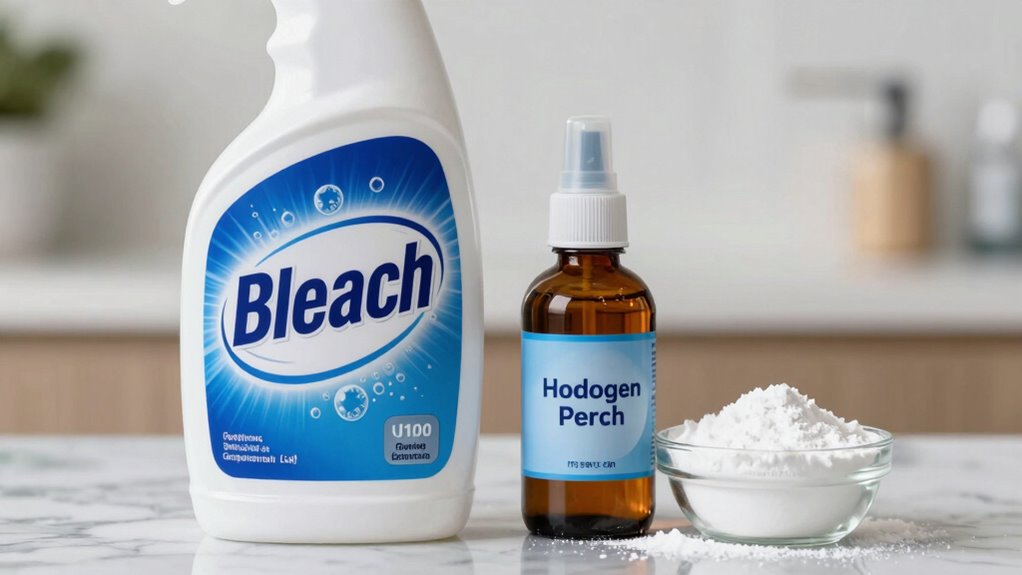

You should never mix bleach with ammonia because it produces toxic chloramine vapors that can cause severe respiratory problems, eye and throat irritation, and even lung damage. Combining these chemicals creates hazardous fumes instantly, so always use them separately and follow safe cleaning guidelines. If you’re interested in safe disinfecting options, there are effective alternatives like vinegar, hydrogen peroxide, and baking soda. Learn more about how to handle these substances safely and avoid dangerous situations.
Key Takeaways
- Never mix bleach with ammonia; it releases toxic chloramine vapors that can cause severe respiratory issues.
- Avoid combining bleach with acids like vinegar, as it produces dangerous chlorine gas.
- Use safe alternatives such as hydrogen peroxide, baking soda, or vinegar for cleaning and disinfecting.
- Always dilute bleach properly and follow instructions to prevent dangerous reactions.
- If accidental mixing occurs, evacuate immediately and seek emergency assistance—do not attempt to neutralize the mixture yourself.

Clorox Healthcare Hydrogen Peroxide Cleaner Disinfectant, Bleach Free, 32 Fluid Ounces (Package May Vary)
HYDROGEN PEROXIDE DISINFECTANT: Clorox Healthcare Hydrogen Peroxide Cleaner Disinfectant delivers great surface compatibility, low residue and fast kill…
As an affiliate, we earn on qualifying purchases.
As an affiliate, we earn on qualifying purchases.
The One Thing You Should Never Mix With Bleach
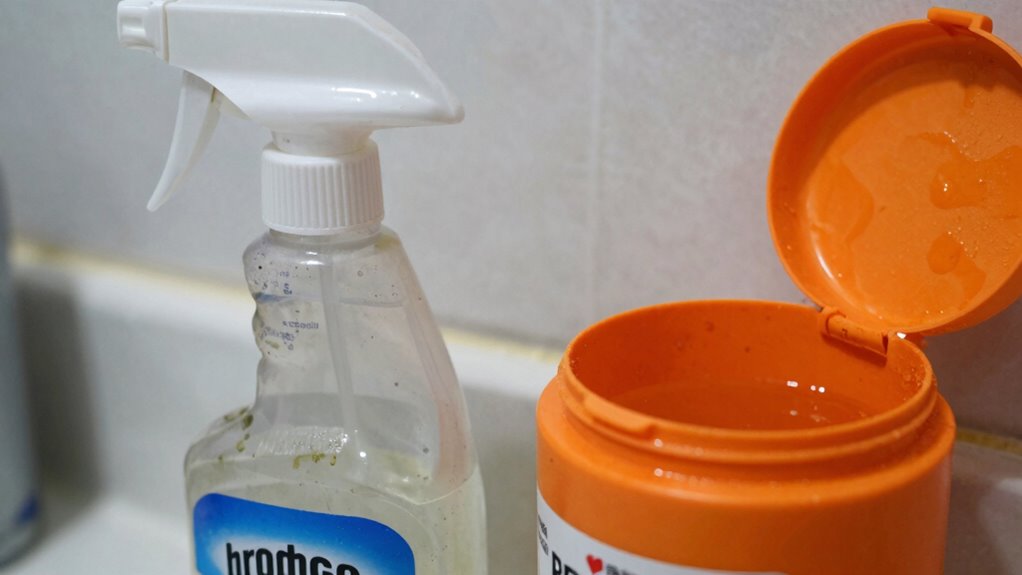
You should never mix bleach with ammonia, as combining these two substances creates a dangerous chemical reaction that produces toxic chloramine vapors. These chemical reactions can pose serious health risks, including respiratory issues, eye irritation, and even lung damage. Maintaining household safety means understanding which substances are safe to combine and which are not. When you mix bleach and ammonia, the resulting fumes are highly hazardous, making it essential to keep these chemicals separate. Always read labels carefully and store cleaning products away from each other. If you’re cleaning and need to switch solutions, thoroughly rinse and ventilate the area before using a different chemical. Prioritizing household safety helps prevent accidents and protects everyone in your home from harmful chemical exposure. Additionally, understanding safe cleaning practices can further reduce the risk of accidental hazardous reactions. Being aware of chemical compatibility is key to preventing dangerous mixtures in your household. It’s also important to recognize common household hazardous chemical reactions to stay informed and safe. To further ensure safety, educate yourself about proper storage methods for cleaning supplies to prevent accidental mixing.
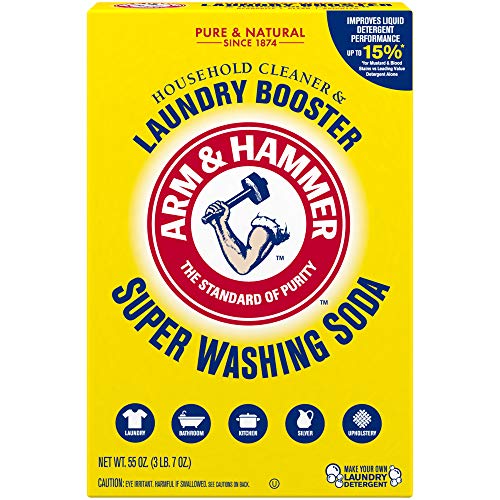
ARM & HAMMER Super Washing Soda Household Cleaner and Laundry Booster, 55 oz Box
One 55 oz box of ARM & HAMMER Super Washing Soda Household Cleaner and Laundry Booster
As an affiliate, we earn on qualifying purchases.
As an affiliate, we earn on qualifying purchases.
Why Mixing Bleach and Ammonia Is Dangerous
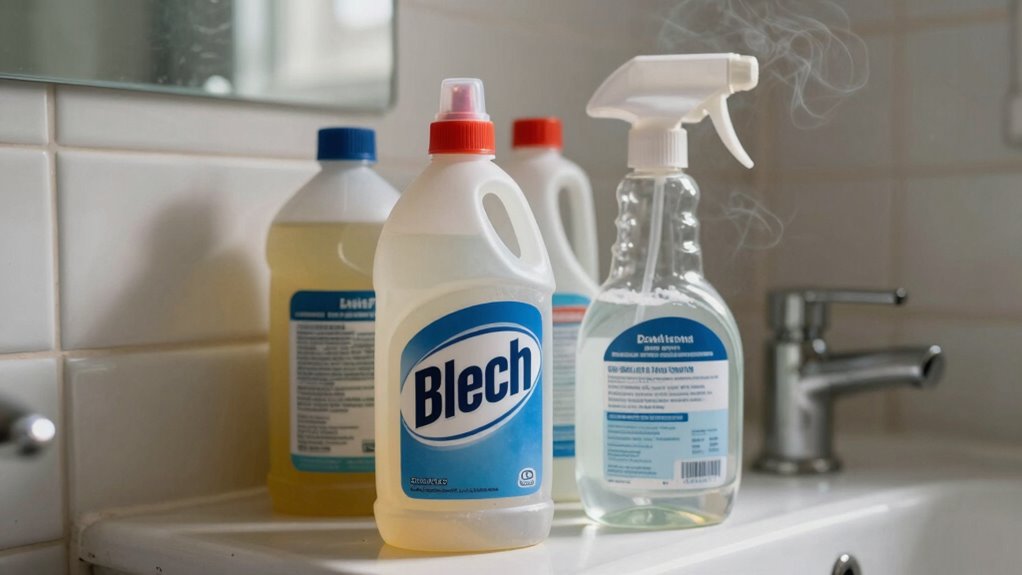
Mixing bleach and ammonia triggers a chemical reaction that releases toxic chloramine vapors, which can quickly become hazardous to your health. When these substances combine, the chemical reactions produce chloramines, a group of toxic fumes that irritate your eyes, nose, throat, and lungs. Inhaling these toxic fumes can cause coughing, shortness of breath, chest pain, and even more serious respiratory issues. The danger isn’t limited to immediate discomfort; prolonged exposure can lead to lung damage. You might think you’re cleaning effectively, but mixing bleach and ammonia creates a hazardous environment in seconds. To stay safe, always use cleaning products as directed and never combine bleach with ammonia-based cleaners. Your health depends on recognizing these dangerous chemical reactions and avoiding harmful combinations. Additionally, being aware of chemical safety measures can help prevent accidents and health risks associated with improper cleaning product use.

Aunt Fannie's All Purpose Household Cleaner, Multi-surface Spray, Powered by Vinegar for Kitchen, Bath, Windows and Countertops, Eucalyptus Scent (Pack of 1)
Aunt Fannie's All Purpose Vinegar Cleaning Spray: Our solution uses the power of vinegar & plant-based cleaners to…
As an affiliate, we earn on qualifying purchases.
As an affiliate, we earn on qualifying purchases.
How to Disinfect Safely With Bleach
To disinfect safely with bleach, it is vital to follow proper dilution and application instructions carefully. Maintaining the correct pH balance ensures the disinfectant remains effective without causing damage or leaving harmful residues. Use the recommended bleach-to-water ratio, and avoid over-concentrating, which can lead to residue buildup. When disinfecting, apply the solution evenly and let it sit for at least five minutes to kill germs. Afterward, rinse surfaces thoroughly with water to remove any residual bleach, preventing residue buildup and potential skin or respiratory irritation. Proper residue removal not only ensures safety but also preserves the integrity of surfaces. Always wear gloves and ventilate the area to minimize inhalation of fumes and guarantee safe, effective disinfection. Additionally, understanding the air purifiers can help reduce airborne contaminants, supporting overall cleanliness and health. Using an indoor air quality monitor can further help you assess and improve your home’s air environment, especially after cleaning procedures. Moreover, selecting safe disinfectant alternatives can provide effective cleaning options without the risks associated with bleach. Incorporating proper ventilation during and after cleaning further enhances safety by dispersing harmful fumes more quickly.

Lysol Disinfectant Spray, Household Essential Cleaning Supplies, Multi-Purpose Room Spray, Antibacterial Sanitizer Spray, Upholstery Deodorizer, Home and Bathroom, Crisp Linen,19 Fl Oz (Pack of 2)
LYSOL DISINFECTANT SPRAY: This household essential is tested and proven to kill 99.9% of viruses and bacteria(1), including…
As an affiliate, we earn on qualifying purchases.
As an affiliate, we earn on qualifying purchases.
Safer Alternatives to Bleach for Cleaning
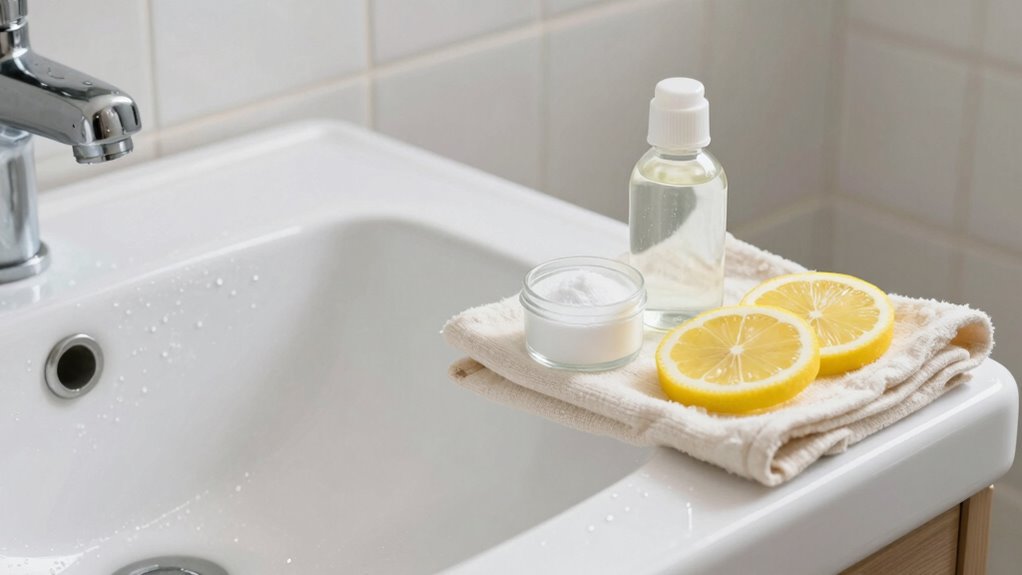
When seeking safer cleaning options, several effective alternatives to bleach can deliver disinfecting power without the harsh chemicals. Vinegar, hydrogen peroxide, and baking soda are popular choices that minimize environmental impact while maintaining cleaning effectiveness. Vinegar’s acidity helps break down grime and bacteria, making it a versatile surface cleaner. Hydrogen peroxide acts as a strong disinfectant, killing germs without leaving toxic residues. Baking soda gently removes odors and stains, offering a natural abrasive option. These alternatives are safer for your household and the environment, reducing chemical exposure and pollution. Additionally, Free Floating techniques can be incorporated into your cleaning routine to improve efficiency and safety while maintaining cleanliness. Using proper application methods ensures these safer options work effectively against germs. For optimal results, it’s important to allow sufficient contact time when applying these natural cleaners to ensure proper disinfecting. Incorporating proper storage practices can also help maintain their effectiveness and safety over time. It is also beneficial to use appropriate concentrations to maximize their disinfecting capabilities without risk of damage. While they may require slightly longer contact times for disinfecting, they provide reliable results without the risks associated with traditional bleach. Choosing these options supports a healthier home and a cleaner planet.
What to Do If You Accidentally Mix Bleach and a Hazardous Substance
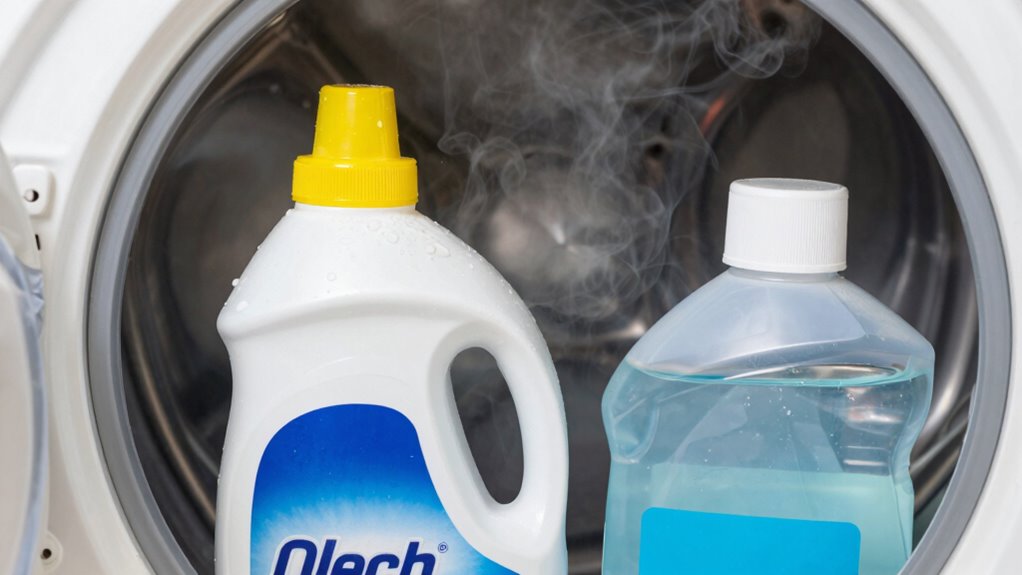
Accidentally combining bleach with a hazardous substance can create dangerous chemical reactions that pose serious health risks. If this happens, immediately stop what you’re doing and evacuate the area to avoid inhaling toxic fumes. Do not try to neutralize the mixture or clean it up yourself, as chemical reactions can worsen or produce harmful gases. Ventilate the space if possible, and call emergency services right away. Follow emergency procedures by providing clear information about the substances involved and the nature of the spill. Avoid contact with the mixture, and keep others away from the area. Safety is your priority—prompt action can minimize health risks and prevent further chemical reactions from occurring. Recognizing household product safety guidelines can help prevent such accidents in the first place. Being aware of chemical safety protocols can further support safe handling and emergency preparedness. Knowing how to identify hazardous substances can also be crucial in preventing dangerous incidents. Proper storage methods are essential to reduce the risk of accidental mixing or spills, especially in households with multiple cleaning products.
Frequently Asked Questions
Can Bleach Be Used Safely on All Types of Fabrics?
No, bleach can’t be used safely on all types of fabrics. You should always check fabric safety before applying it, as bleach can cause color fading or weaken the material. Delicate fabrics like wool, silk, or certain synthetics may be damaged or discolored. For safe cleaning, opt for alternative solutions designed for specific fabrics, and always test a small hidden area first to avoid unintended damage or color fading.
How Long Should Bleach Sit to Disinfect Effectively?
Like a dial-up modem, your bleach needs proper contact time to work. For effective disinfection, let the bleach sit for at least 5 minutes, ensuring the appropriate bleach concentration is used. Higher concentrations may require a slightly longer contact time. Remember, thorough coverage is key—don’t rinse too soon, or you’ll miss out on its germ-killing power. Keep it simple, and your surfaces will be safe and sanitized.
Are There Any Health Risks From Using Bleach in Poorly Ventilated Areas?
Using bleach in poorly ventilated areas can pose serious health risks. You might experience ventilation hazards and respiratory risks like coughing, throat irritation, or shortness of breath. Without proper airflow, harmful fumes build up quickly, increasing your chance of dizziness or nausea. Always make sure good ventilation when using bleach, opening windows or turning on fans, to protect your lungs and avoid unnecessary health hazards.
Can Bleach Damage Certain Surfaces or Materials?
Bleach can turn your favorite surface into a ghostly wreckage if you’re not careful. It causes serious surface damage and material incompatibility, like corroding plastics, discoloring fabrics, or eating away at wood finishes. You might end up with a ruined countertop or stained upholstery that’s impossible to fix. Always test small areas first, and avoid using bleach on delicate surfaces to prevent irreversible damage.
What Are the Signs of a Hazardous Chemical Reaction With Bleach?
When a hazardous chemical reaction occurs with bleach, you’ll notice strong chemical warning signs like unusual fumes, bubbling, or color changes. Reaction indicators include burning sensations, eye or skin irritation, and persistent odors. If you observe any of these signs, immediately stop using bleach and ventilate the area. Avoid mixing bleach with other chemicals, especially ammonia or acids, to prevent dangerous reactions and safeguard your safety.
Conclusion
Never underestimate the power of caution. Never ignore the warning signs. Never risk your health for cleanliness. Always read labels, always double-check, and always choose safety over shortcuts. Your well-being depends on your awareness, your actions, your choices. Keep safety first, keep hazards away, and keep your home a healthy, safe place for you and your loved ones. Because when you prioritize safety, you protect what matters most.