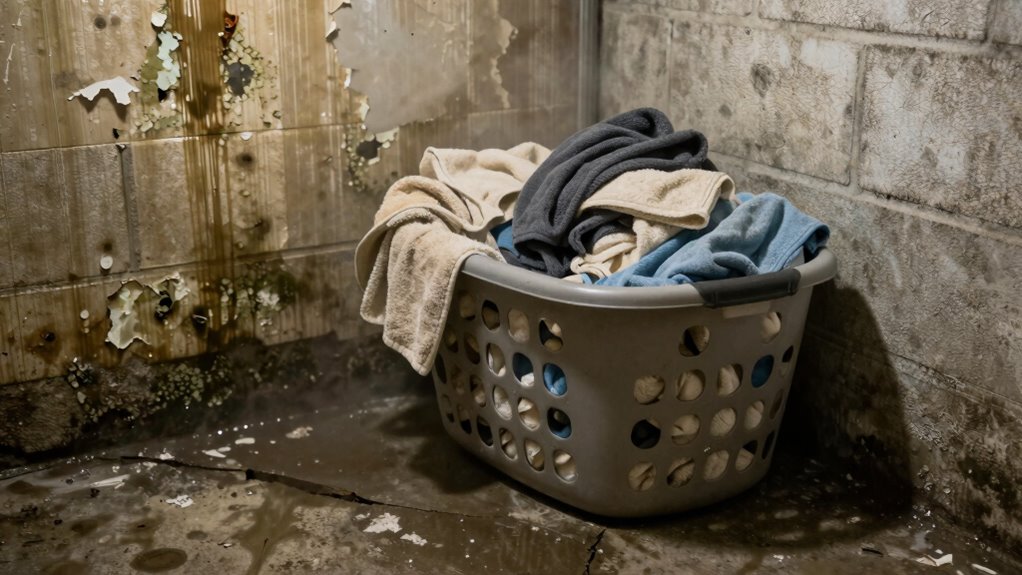

If your home smells musty, it usually means there’s hidden moisture or mold. Start by checking damp areas like basements, closets, or behind appliances. Look for signs like wall discoloration or lingering dampness, even if you don’t see mold. Excess humidity and poor ventilation often cause these smells. To learn how to identify and fix these problems effectively, keep exploring the tips below.
Key Takeaways
- Musty odors often stem from hidden mold or excess moisture in areas like basements and closets.
- Persistent damp smell indicates moisture buildup, especially near leaks or poor ventilation zones.
- Check for mustiness in poorly ventilated spaces such as attics or behind appliances.
- Use moisture meters to detect hidden dampness that can cause mold growth and odors.
- Address leaks, improve airflow, and clean with natural deodorizers to eliminate musty smells effectively.
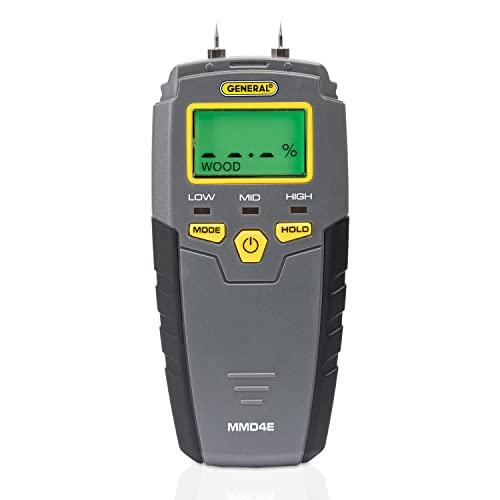
General Tools MMD4E Digital Moisture Meter, Water Leak Detector, Moisture Tester, Pin Type, Backlit LCD Display With Audible and Visual High-Medium-Low Moisture Content Alerts, Grays
HUMIDITY SENSOR: Our handy meter tool can quickly determine what level of remediation is needed to keep your…
As an affiliate, we earn on qualifying purchases.
As an affiliate, we earn on qualifying purchases.
How to Tell If You Have a Musty Odor in Your Home

If you notice a persistent, damp smell in your home, you probably have a musty odor. This smell can negatively impact your air quality, making your space uncomfortable and potentially unhealthy. To identify if you have a musty odor, pay attention to the areas where the smell is strongest, often near basements, closets, or behind appliances. These are common odor sources. You might also notice lingering smells after cleaning or in humid weather. Use your nose as a guide—if the scent is stale, earthy, or moldy, it’s a sign of a musty odor. Recognizing these clues early helps you pinpoint the problem areas and take steps to improve your home’s air quality. Additionally, inspecting for moisture and humidity levels can help you address the root cause of musty smells. Keep in mind that high humidity can lead to water damage and mold growth, which are common contributors to musty odors. Monitoring indoor humidity regularly can help prevent these issues before they become severe.
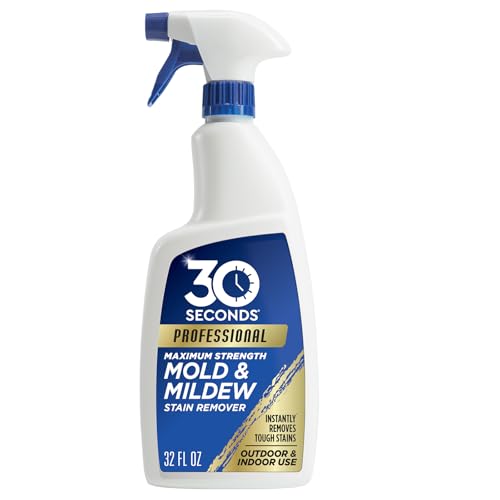
30 SECONDS Pro Mold and Mildew Stain Remover | Scrub Free | Brighter Results Instantly | Ready To Use | 32 Fl. Oz.
Use In Bathroom Tile and Grout, Bathtub, Soap Scum, Showers, Drywall, Wood, Fences, Decks, Vinyl Sidng, Concrete Floors,…
As an affiliate, we earn on qualifying purchases.
As an affiliate, we earn on qualifying purchases.
Detecting Hidden Mold and Moisture Problems
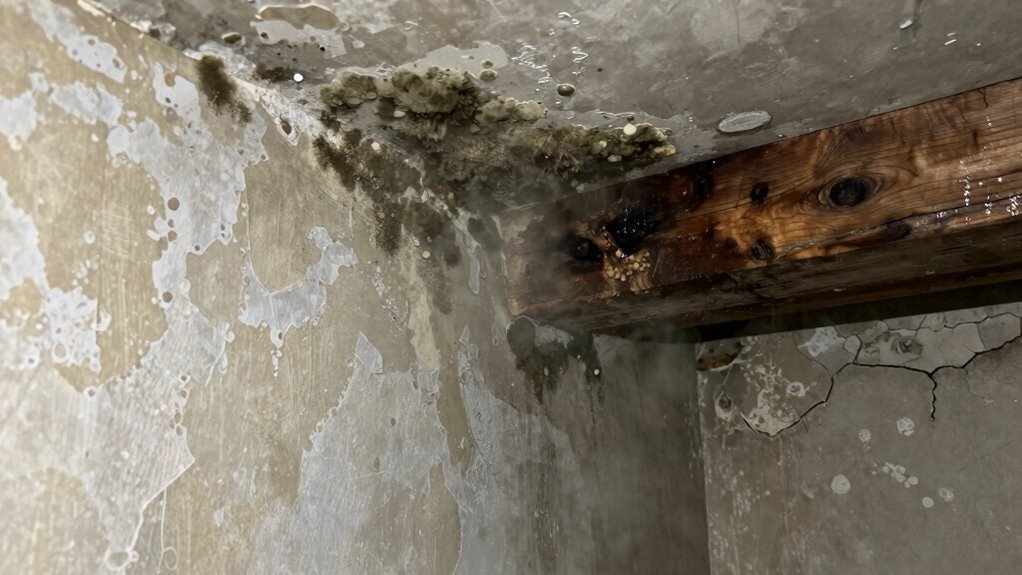
Even if you can’t see visible mold or moisture, they can still be lurking behind walls, under floors, or inside insulation. To detect these hidden problems, look for signs like persistent dampness, musty odors, or discoloration on walls and ceilings. Ventilation issues often trap humidity indoors, creating a perfect environment for mold growth. Check for hidden water leaks around sinks, toilets, or appliances, as these can seep into walls or flooring unnoticed. Use a moisture meter to identify areas with excess moisture. Also, inspect areas prone to leaks or poor airflow regularly. Recognizing building vulnerabilities can help you act quickly to identify these hidden sources, preventing mold from spreading and reducing ongoing musty odors in your home. Additionally, maintaining proper ventilation and addressing any moisture issues promptly can significantly reduce the risk of mold development. Ensuring proper home maintenance routines can further help in detecting and preventing hidden moisture problems early on. Regularly inspecting your home’s foundation and roofing can also help catch leaks before they cause significant damage. Being aware of indoor humidity levels is crucial, as high humidity can accelerate mold growth and musty smells.

Clorox HEPA Air Purifiers for Home, True HEPA Filter, Medium Rooms Up to 1,000 Sq Ft, Removes 99.9% of Mold, Viruses, Wildfire Smoke, Allergens, Pet Allergies, Dust, AUTO Mode, Whisper Quiet
CAPTURES 99.97% OF ALLERGENS AND PARTICULATES* AND 99.9% OF VIRUSES AND BACTERIA.** With the Clorox Air Purifier, you…
As an affiliate, we earn on qualifying purchases.
As an affiliate, we earn on qualifying purchases.
Common Areas Where Musty Smells Start
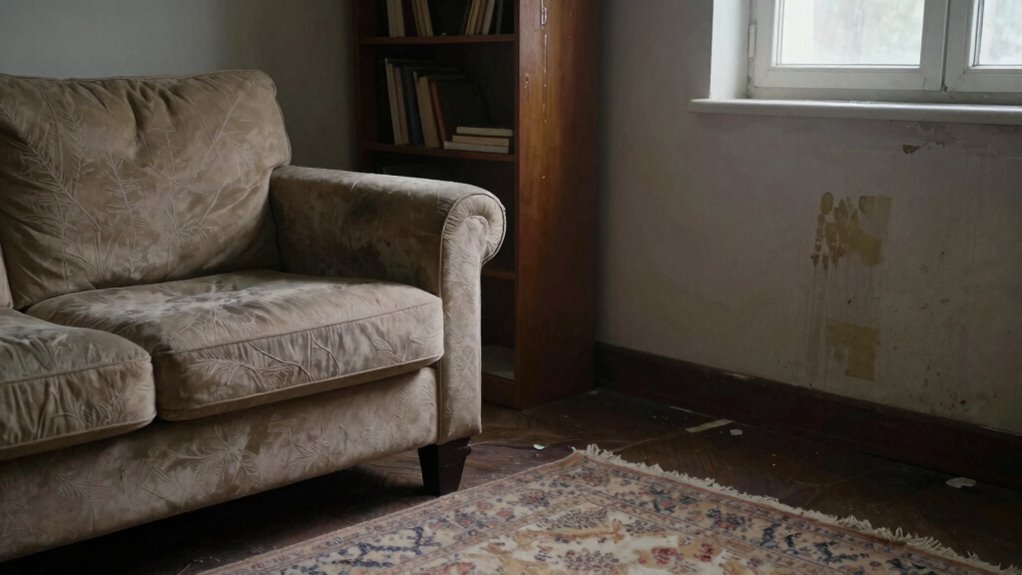
Musty smells often originate in specific areas of your home where moisture tends to accumulate or ventilation is inadequate. Basements are common trouble spots, especially if you have basement leaks that allow water to seep in. These leaks create a damp environment perfect for mold growth and odors. Similarly, your attic can develop musty smells if attic ventilation isn’t sufficient, trapping warm, moist air that encourages mold and mildew. Poor airflow in these areas prevents moisture from escaping, causing odors to linger. Regularly inspect your basement for leaks and ensure your attic ventilation is working properly. Proper ventilation techniques can help reduce moisture buildup and prevent musty odors from forming. Addressing these issues promptly can considerably reduce musty smells and prevent mold from taking hold in hidden corners of your home. Considering humidity levels and maintaining a healthy indoor environment can also make a significant difference. Using indoor air quality gear like HEPA filters and UV-C sterilizers can further improve air circulation and reduce mold spores. Additionally, paying attention to air circulation patterns throughout your home can help identify areas where stale, damp air may be accumulating and contribute to musty odors. Maintaining optimal ventilation strategies can be essential in controlling indoor moisture and odor issues.
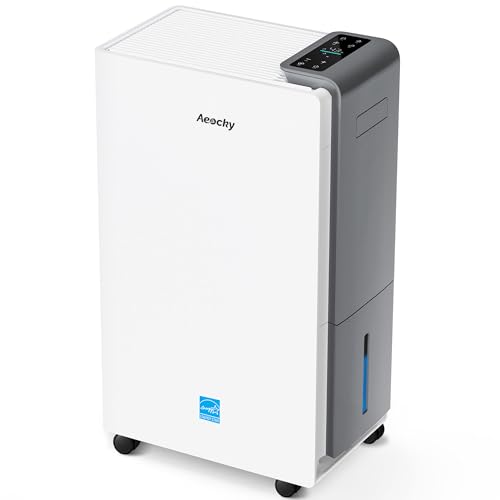
4500 Sq.Ft Energy Star Most Efficient 2025 Dehumidifier,AEOCKY Max 80 Pint/Day Smart Compressor Dehumidifier with Drain Hose, Intelligent Humidistat,for Basement,Bedroom,Home,Bathroom
【Dual Champion, Undisputed – #1 Best-Selling Brand & #1 Best-Selling Model】When you choose AEOCKY, you choose double market…
As an affiliate, we earn on qualifying purchases.
As an affiliate, we earn on qualifying purchases.
Easy DIY Steps to Get Rid of Musty Odors
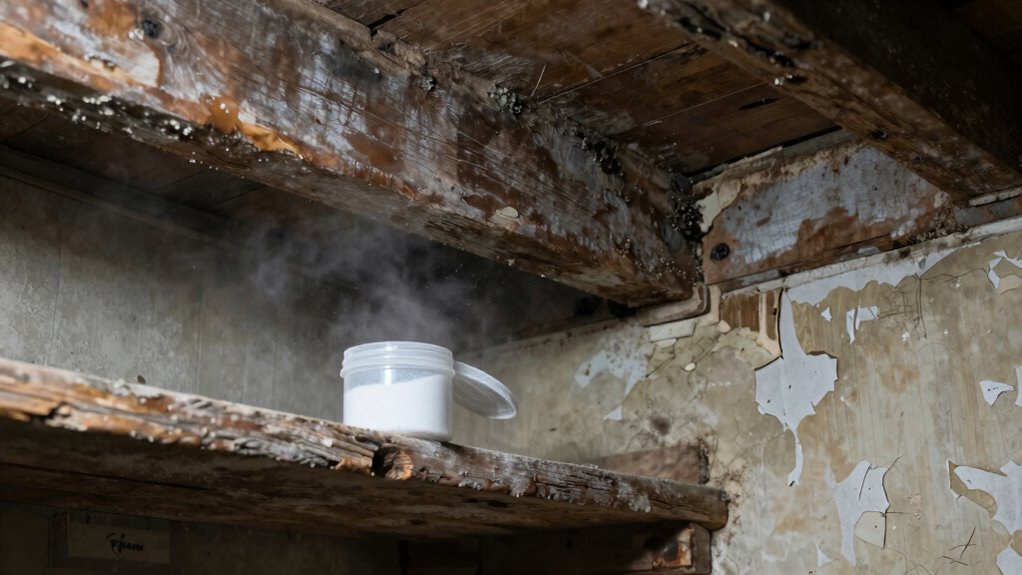
To effectively eliminate musty odors from your home, start with simple DIY steps that you can do yourself. Improving air quality and removing odor sources are key. Begin by ventilating the space—open windows and use fans to circulate fresh air. Next, identify and eliminate moisture sources, like leaks or damp areas, which fuel musty smells. Additionally, employing sound healing techniques such as using specific frequencies can promote a calming atmosphere that reduces stress and supports overall well-being, indirectly helping you stay motivated to maintain a fresh environment. Incorporating air purification methods can also significantly enhance indoor air quality by removing airborne mold spores and pollutants. Finally, use natural deodorizers such as baking soda or activated charcoal to absorb odors. Addressing potential health concerns associated with mold and mildew is also important for a healthier living environment. These easy steps can make a noticeable difference in reducing musty odors and improving your home’s freshness.
When to Call a Professional for Persistent Odors
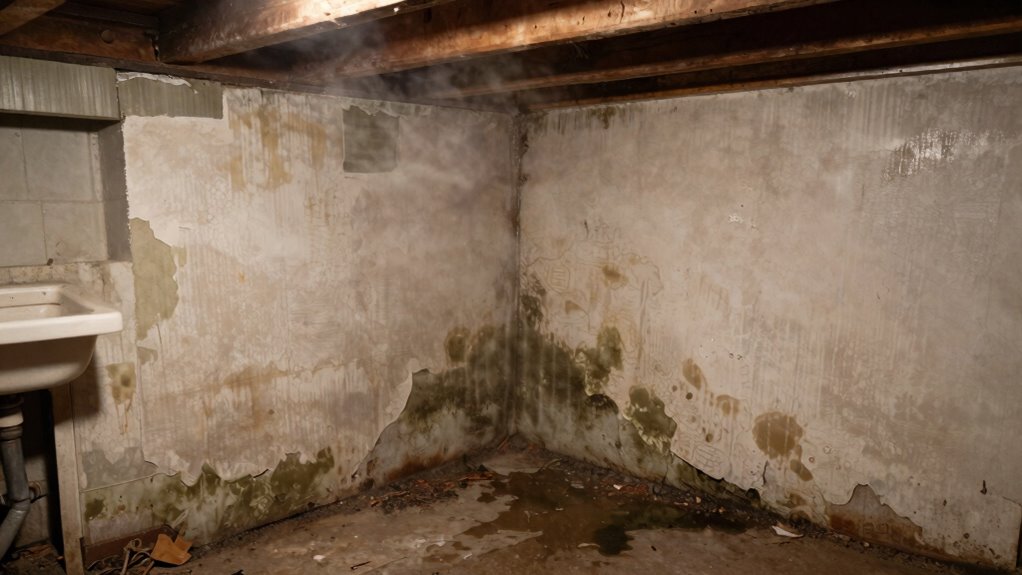
Have you tried all the DIY methods but still can’t get rid of stubborn odors? If so, it’s time to call in a professional. Persistent musty smells can indicate underlying ventilation issues that DIY solutions might not resolve. Poor airflow or hidden mold growth could be causing the odors to linger, especially in hidden areas like inside walls or ductwork. Additionally, if you or your family experience allergy symptoms that worsen over time, it’s a sign that airborne mold spores or allergens may be present. A professional can identify these hidden problems and perform thorough inspections and remediation. Understanding home safety tips and environmental health considerations can sometimes provide insights into home design trends that improve airflow and ventilation. Addressing ventilation issues and mold promptly is crucial because hidden mold growth can pose serious health risks if left untreated. Regular maintenance of HVAC systems and ensuring proper moisture control are essential steps in preventing future issues. Don’t ignore these signs—addressing ventilation issues and mold promptly can protect your health and restore a fresh, odor-free home.
Frequently Asked Questions
Can Certain Household Items Cause a Musty Smell?
Yes, certain household chemicals can cause a musty smell, especially if they aren’t stored properly or if they break down over time. These chemicals can release odors that mingle with mold spores, creating a persistent musty scent. Check your cleaning products, paints, and other household items regularly. Proper storage and ventilation help prevent these odors from lingering, keeping your home smelling fresh and avoiding mold-related issues.
How Long Does It Take to Eliminate a Musty Odor?
Eliminating a musty odor is like clearing fog from a window—it takes time. Depending on the severity, it might take a few days to a week. To speed up the process, thoroughly clean clothing mold and furniture mildew, ventilate your space, and use dehumidifiers. Consistent effort helps remove lingering smells, so be patient and persistent to restore freshness to your home.
Are Air Purifiers Effective Against Musty Smells?
Air purifiers are effective against musty smells because they remove mold spores, bacteria, and odors from the air. The benefits include improved air quality and quicker odor elimination. To maximize results, combine using an air purifier with other odor elimination techniques like ventilating your space, cleaning surfaces, and controlling humidity. This holistic approach guarantees a fresher, more pleasant home environment and reduces lingering musty odors effectively.
Does Humidity Level Influence Musty Odors in Homes?
Humidity levels definitely influence musty odors in your home. When humidity control isn’t maintained, excess moisture fosters mold and mildew, which produce that damp smell. You can improve air quality by using ventilation strategies like exhaust fans and dehumidifiers, especially in damp areas. Keeping humidity around 30-50% helps prevent musty odors from taking hold, ensuring your home stays fresh and comfortable.
Can Pets Contribute to or Mask Musty Odors?
Yes, pets can contribute to or mask musty odors in your home. Pet odor from fur, bedding, or accidents adds to the overall smell, making it harder to identify the mustiness. Sometimes, pet odor masks the musty smell temporarily, but it doesn’t eliminate the underlying issue. Regular cleaning, good ventilation, and odor-neutralizing products help manage pet-related odors and keep your home smelling fresh.
Conclusion
Don’t let a musty smell settle in like an unwelcome guest. By staying vigilant and tackling issues early, you can keep mold and moisture at bay. Think of your home as a gust of fresh air—if you ignore the signs, it’ll become stuffy and uncomfortable. Regular inspections and quick DIY fixes can keep your space smelling clean and inviting. Remember, addressing problems now prevents them from snowballing into a bigger, more stubborn odor.