
To make your mattress feel better without buying a new one, start by flipping or rotating it to even out support. Add a mattress topper or supportive pillows to boost comfort and spine alignment. Adjust the mattress height with wedges or risers for better posture. Keep it clean by vacuuming and using a protector. Create a cozy sleep environment with proper bedding and room conditions. If discomfort persists, discover more tips to improve your sleep experience.
Key Takeaways
- Rotate or flip the mattress regularly to prevent uneven sagging and restore support.
- Add a memory foam or cooling gel topper for immediate comfort and pressure relief.
- Use supportive pillows and adjustable wedges to improve alignment and reduce discomfort.
- Keep the mattress clean and protected with regular washing, vacuuming, and a mattress protector.
- Enhance sleep quality with relaxation techniques and a conducive sleep environment, such as proper lighting and room temperature.

EGO Topper 3 Inch Queen Memory Foam Mattress Topper, Gel Foam Mattress Topper for Pressure Relief, Ventilated Design Bed Topper in a Box, CertiPUR-US Certified, 60"×80", Medium
Built for Comfort: 3 inch of AeroFusion Memory Foam is crafted to fit body's micro pressure points and…
As an affiliate, we earn on qualifying purchases.
As an affiliate, we earn on qualifying purchases.
Figure Out if Your Mattress Is Causing Your Discomfort

Many discomfort issues during sleep start with the mattress itself. Your mattress material plays a significant role; some materials, like old foam or sagging springs, lose support over time. If your mattress is more than seven years old, it might be nearing the end of its lifespan and contributing to your discomfort. Check for signs such as visible sagging, lumps, or unevenness, which indicate deterioration. Consider how the mattress material responds to your body—does it feel firm or too soft? An aging mattress often lacks proper support, leading to pressure points and restless nights. Recognizing these signs helps you determine if your mattress is the culprit. If it’s old or made from worn-out materials, replacing or upgrading it could be your best move. Proper mattress support is essential for a good night’s sleep and overall comfort. Additionally, understanding mattress lifespan and how to identify when a mattress needs replacing can help you maintain better sleep quality over time. A worn-out mattress can also negatively impact your sleep quality, making it harder to rest peacefully. Regularly checking for regional mattress styles and their longevity can also provide insights into selecting a more durable option. Being aware of cable failures or issues with your bed setup can further improve your sleeping environment.
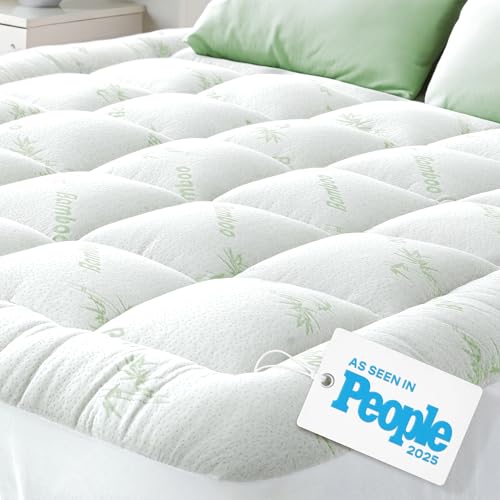
Ultra Soft Queen Size Mattress Topper – Viscose Made from Bamboo Pillow Top Mattress Pad for Back Pain Relief – Naturally Cooling for Hot Sleepers, Green
ULTRA SOFT: Niagara Queen Mattress Topper is made from viscose made from bamboo fiber and fits mattresses 8-20…
As an affiliate, we earn on qualifying purchases.
As an affiliate, we earn on qualifying purchases.
Check If Flipping or Rotating Your Mattress Helps
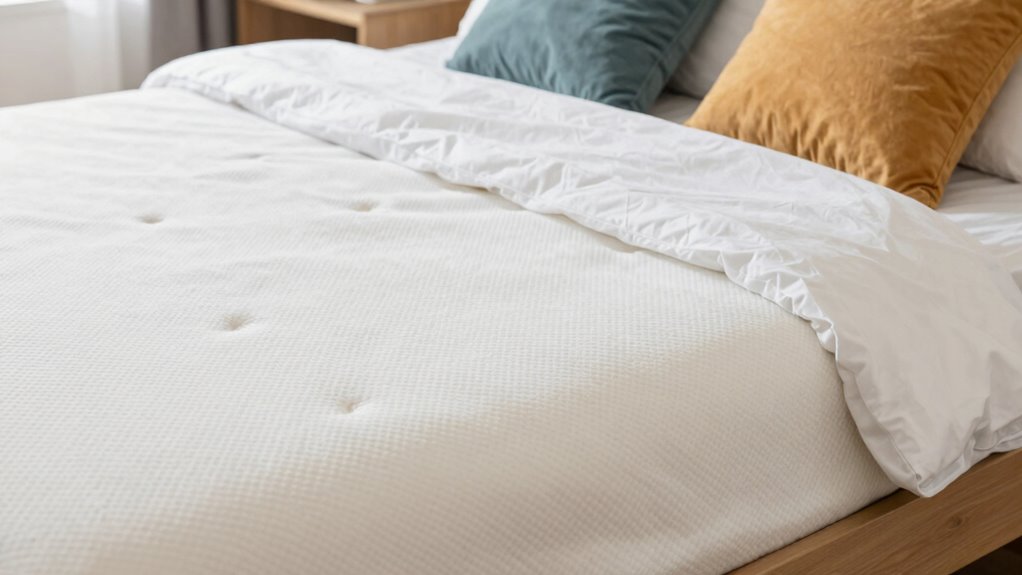
If your mattress has started to feel uneven or uncomfortable, flipping or rotating it might restore some of its support. Over time, uneven spring tension or sagging in mattress material can cause discomfort. Flipping or rotating redistributes wear, potentially easing pressure points. Check if the mattress feels different after this adjustment. Remember, some mattresses are one-sided, so flipping may not be an option. Rotating can prevent uneven sagging, especially in mattresses with uneven spring tension. Use this table to evaluate your mattress:
| Mattress Condition | Action to Take |
|---|---|
| Sagging in the middle | Rotate or flip if possible, replace if persistent |
| Uneven spring tension | Rotate regularly to distribute tension evenly |
| Soft mattress material | Consider flipping to balance support |
| Worn-out areas | Rotate or replace if damage is visible |
This simple step might just extend your mattress’s comfort and lifespan. Proper mattress maintenance can help you identify issues early and prolong its usability, especially when combined with regular cleaning and inspection. Additionally, choosing supportive bedding like mattress toppers can further improve comfort without the need for replacement. Incorporating proper flipping techniques can also ensure you’re maximizing the benefits of your mattress rotation.

Beckham Hotel Collection Bed Pillows Standard/Queen Size Set of 2 – Original Soft Down Alternative Pillow for Sleeping – Soft Support for Back, Stomach or Side Sleepers
SUPERIOR COMFORT – Queen pillows have a 250 thread count Cotton Cover filled with a soft 100% Polyester…
As an affiliate, we earn on qualifying purchases.
As an affiliate, we earn on qualifying purchases.
Add a Mattress Topper to Boost Comfort Instantly
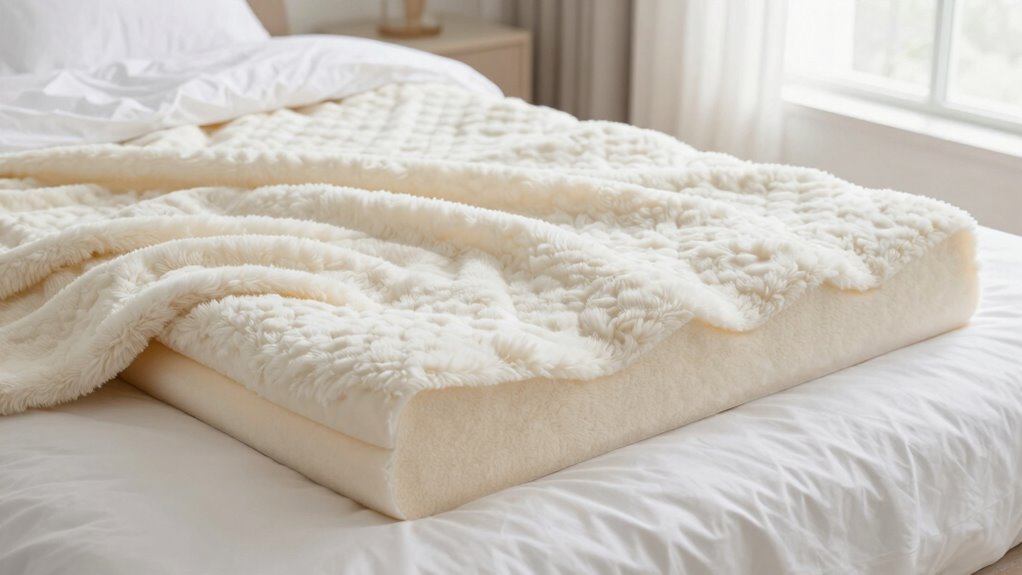
Adding a mattress topper is one of the quickest ways to improve your sleep comfort without purchasing a new mattress. A good topper can transform your bed instantly, making it softer, cooler, and more supportive. Consider these options:
- Choose a memory foam topper for contouring support that relieves pressure points and enhances comfort.
- Opt for a cooling gel-infused topper to help regulate temperature and prevent overheating during the night.
- Combine both for a perfect balance of softness and coolness, ensuring you stay comfortable all night long.
- To maximize your sleep quality, make sure to select a topper with high-quality materials that provide durability and enhanced comfort.

BEDLORE Waterproof Mattress Protector, Queen Size Mattress Pad Noiseless with Deep Pocket 6"-18" Depth, Soft Breathable Dirt-Proof Bed Mattress Cover Washable for Home, Bedroom, Hotel (Gray)
Unique Style: Stand out with our classic quilted design. It locks in filling for even support and helps…
As an affiliate, we earn on qualifying purchases.
As an affiliate, we earn on qualifying purchases.
Use Supportive Pillows to Keep Your Spine Aligned

Supportive pillows play a vital role in maintaining proper spinal alignment, especially when you’ve already enhanced your mattress with a topper. Choosing the right pillow firmness ensures your neck and head stay aligned with your spine, reducing strain. To optimize comfort, consider your sleeping position: a firmer pillow supports back sleepers, while softer options suit side sleepers. Use the table below to select the ideal pillow based on your preferences:
| Sleeping Position | Recommended Pillow Firmness | Key Benefit |
|---|---|---|
| Back | Medium-firm | Maintains natural neck curve |
| Side | Soft to medium-firm | Keeps spine aligned |
| Stomach | Soft | Prevents neck strain |
| Combination | Adjustable or layered | Versatile support |
| Overall | Supportive, supportive | Promotes spinal health |
Proper support helps sustain spinal alignment and can significantly reduce discomfort, leading to better sleep quality. Additionally, using the correct pillow can significantly impact overall spinal health and sleep comfort. Incorporating supportive pillows that respond to individual sleeping positions can further enhance sleep quality and reduce pain. Paying attention to proper pillow selection is essential for achieving optimal spinal support and making a notable difference in your sleep experience.
Adjust Your Mattress Height or Use Wedges for Better Posture

Adjusting your mattress height or using wedges can considerably improve your posture during sleep, helping to reduce strain on your neck and back. By changing your bed height, you can align your spine better and prevent discomfort. Consider these options:
- Raise your head of the bed with wedge pillows to ease breathing and reduce pressure on your neck.
- Use a bed riser to elevate the entire mattress, promoting better spinal alignment.
- Incorporate wedge pillows under your knees or lower back to support natural curves and improve comfort.
- Setting accountability for regular adjustments can help maintain optimal sleep posture over time.
- Understanding whole-home water systems and their impact can inspire you to choose the best solutions for a healthy sleep environment.
- Proper bed height and sleep environment are essential elements of a healthy sleep routine that can influence overall comfort.
- Being aware of ergonomic sleep practices can further enhance your sleep quality and reduce discomfort.
- Additionally, choosing the right mattress firmness can complement these adjustments for a more comfortable sleep experience.
These simple adjustments can make a big difference, especially if you’re experiencing persistent aches. Proper bed height and strategic use of wedge pillows help you maintain better posture throughout the night, leading to more restful sleep and waking up refreshed.
Incorporate Foam Layers or Padding for Extra Support
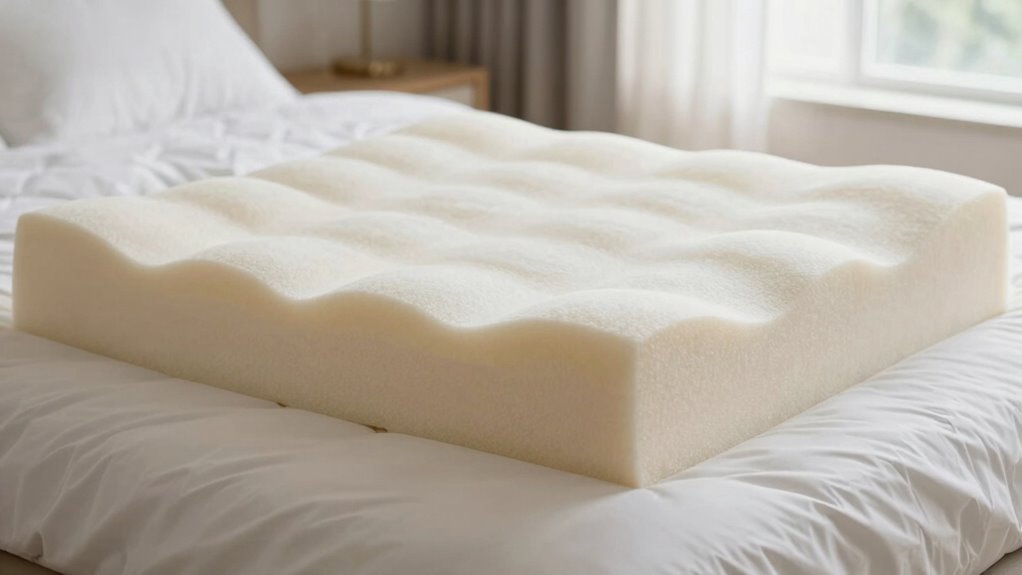
Enhancing your mattress with foam layers or padding can substantially improve its comfort and support. Foam layers add a plush cushion that conforms to your body, relieving pressure points and reducing discomfort. You can choose from various padding options, like memory foam or latex, depending on your firmness preferences. Placing foam layers on top of your existing mattress or between the mattress and the sheets creates a customized sleeping surface. This simple upgrade helps alleviate aches and makes your bed feel new again. When selecting padding options, consider thickness and density to match your comfort needs. Foam layers are easy to add and remove, making them an affordable and versatile solution for improving your mattress without buying a new one. Additionally, understanding sleep surface materials can guide you in choosing the best padding for optimal comfort. Considering ergonomic support can further enhance sleep quality and reduce discomfort over time. Incorporating proper spinal alignment can also help prevent back pain and promote overall well-being during sleep. For added customization, experimenting with different layering techniques can fine-tune your sleep experience.
Keep Your Mattress Clean and Well-Maintained for Comfort

Keeping your mattress clean and well-maintained is one of the easiest ways to guarantee it stays comfortable and lasts longer. Good mattress hygiene prevents allergens, dust mites, and bacteria from building up, ensuring a healthier sleep space. To maintain this, focus on:
- Regularly washing your bed linen to remove sweat, dirt, and oils that can affect comfort.
- Using a mattress protector to guard against spills and stains, prolonging its lifespan.
- Vacuuming your mattress monthly to eliminate dust and allergens that can compromise sleep quality.
Create the Perfect Sleep Environment With Bedding and Room Conditions

A clean, well-maintained mattress sets the foundation for restful sleep, but creating the ideal sleep environment involves more than just your bedding. Using the right bedding accessories, like soft sheets, cozy blankets, and supportive pillows, can markedly enhance comfort. Equally important is maintaining a proper room temperature—ideally between 60-67°F (15-19°C)—to prevent overheating or feeling too cold. Light-blocking curtains or blackout shades help create a dark, calming atmosphere, while reducing noise with earplugs or white noise machines can improve sleep quality. Keep your room tidy and free of distractions to promote relaxation. By paying attention to bedding choices and room conditions, you’ll create a sleep-friendly environment that helps any mattress feel more comfortable every night.
Adopt Relaxation Techniques and Sleep Habits for Better Rest

To improve your sleep quality, adopting effective relaxation techniques and healthy sleep habits is essential. Start by practicing mindfulness meditation each evening to clear your mind and reduce stress. Incorporate deep breathing exercises before bed to calm your nervous system and promote relaxation. Here are three ways to enhance your sleep routine:
Enhance your sleep with mindfulness, deep breathing, and consistent routines for restful nights.
- Dedicate 10 minutes nightly to mindfulness meditation, focusing on your breath and letting go of worries.
- Use deep breathing exercises—inhale slowly for four seconds, hold, then exhale for six seconds—to signal your body it’s time to rest.
- Establish a consistent sleep schedule, going to bed and waking up at the same times each day, to reinforce your body’s natural rhythms.
These habits help you unwind, making your mattress feel more comfortable and supportive.
Know When It’s Time to Consider Upgrading Your Mattress

Recognizing when it’s time to upgrade your mattress can considerably improve your sleep quality and overall health. If you wake up feeling tired or experience persistent back pain, it might be a sign your mattress no longer supports you properly. Pay attention to signs like sagging, lumps, or uneven surfaces. Check your mattress warranties and sleep trial policies—many brands offer trial periods allowing you to test new mattresses risk-free. If your current mattress is out of warranty or no longer provides comfort within the trial period, it’s likely time for a replacement. Remember, investing in a good mattress is investing in your health; don’t delay upgrading if you notice these signs. Better sleep starts with a supportive, comfortable mattress.
Frequently Asked Questions
How Can I Tell if My Mattress Is Truly the Cause of My Pain?
You can tell if your mattress causes your pain by paying attention to your sleep posture and how you feel in the morning. If you wake up stiff or sore, especially in your back or neck, it might be due to your mattress material or support. Try changing positions or adding a mattress topper, and see if your discomfort improves. Persistent pain suggests your mattress could be the culprit.
Are There Specific Mattress Toppers Recommended for Different Sleep Positions?
Wondering which mattress toppers suit your sleep style? If you’re a side sleeper, try memory foam toppers—they contour your hips and shoulders for pressure relief. Back sleepers benefit from hybrid options that offer both support and softness. For stomach sleepers, a firmer memory foam or hybrid topper prevents sinking. The right choice transforms your sleep, making your mattress feel brand new—so don’t settle; explore these tailored options for better rest tonight.
What Types of Pillows Best Support Side Versus Back Sleepers?
For side sleepers, choose a plush or medium-firm pillow that cradles your head and neck, supporting your sleeping posture comfortably. Back sleepers benefit from a medium-firm pillow that keeps your neck aligned with your spine. Pay attention to pillow firmness to match your sleep position, ensuring your head and neck stay supported throughout the night. Proper support improves sleep quality and helps prevent aches and pains.
How Often Should I Replace or Upgrade My Mattress for Optimal Comfort?
Ever wondered when to upgrade your mattress for the best sleep? Generally, you should replace it every 7-10 years, depending on its lifespan and your comfort needs. If you start noticing sagging, discomfort, or reduced support, it’s time for an upgrade. Regularly evaluating your mattress’s condition guarantees you maintain ideal comfort, preventing sleep disruptions. Don’t wait until discomfort worsens—upgrading at the right interval keeps your sleep quality high.
Can Room Temperature or Lighting Influence My Sleep Quality?
Room temperature and lighting effects considerably influence your sleep quality. Keeping your room cool, ideally around 60-67°F, helps regulate your body temperature for better rest. Dim lighting or blackout curtains minimize light exposure, promoting melatonin production and quicker sleep onset. By maintaining ideal temperature regulation and controlling lighting effects, you can create a comfortable sleep environment that enhances your overall sleep quality without needing to buy a new mattress.
Conclusion
You don’t always need a new mattress to sleep better. With simple tweaks like adding a topper, adjusting your pillows, or improving your sleep environment, you can markedly boost comfort. It might seem like a hassle, but these small changes can make a big difference without breaking the bank. So, give them a try—you might find your mattress feels like new, and you’ll wake up refreshed and pain-free, no upgrade required.