
White noise can be effective for masking distracting sounds, promoting focus, relaxation, and sleep if used appropriately. It works by blending frequencies into a consistent background, helping to reduce environmental noise and minimize disruptions. However, prolonged or loud use might cause discomfort or dependence, especially for sensitive individuals. Understanding your personal needs and hearing responses is key. Keep exploring to discover when white noise truly supports your well-being and how to use it safely.
Key Takeaways
- White noise contains all audible frequencies at equal intensity, masking disruptive sounds and promoting focus or relaxation.
- It is most helpful in noisy environments, aiding sleep, concentration, or stress reduction through sound masking.
- Personal comfort and specific goals determine when white noise is beneficial or potentially intrusive.
- Long-term or excessive exposure can cause discomfort or dependence, requiring proper volume control and usage limits.
- Alternatives like pink noise, natural sounds, or binaural beats may be preferable for some users, depending on individual preferences.
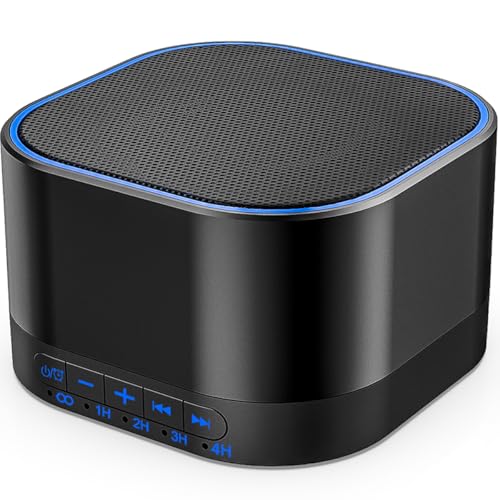
Magicteam White Noise Machine with 20 Non Looping Natural Soothing Sounds Memory Function 32 Levels of Volume Powered by AC or USB and Sleep Sound Timer Therapy for Baby Kids Adults Black
❤20 Non-Looping Sleep Sounds: White noise ,Brown noise, pink noise, blue noise, fan,brook, rain, ocean,bird and Bonfire,suitable for…
As an affiliate, we earn on qualifying purchases.
As an affiliate, we earn on qualifying purchases.
What Is White Noise and How Does It Work?
White noise is a type of sound that contains all audible frequencies played at the same intensity. When you hear it, it provides effective sound masking by blending different sounds into a consistent background. This helps reduce distractions and unwanted noise, creating a more focused environment. White noise works through auditory stimulation, engaging your ears with a steady stream of sound that minimizes sudden or disruptive noises. By covering up other sounds, it creates a sense of privacy and calm, making it easier to concentrate or relax. Many find it helpful for improving sleep or blocking out background distractions. Its uniform frequency distribution makes white noise unique, as it provides continuous auditory stimulation that can soothe your mind and enhance your overall environment. Additionally, some environments intentionally use white noise to manage acoustic conditions and improve sound quality, which is a common application in soundproofing strategies. Research also suggests that consistent auditory input like white noise can promote mental focus and reduce anxiety in certain settings. Furthermore, white noise’s ability to create a steady sound environment is especially beneficial in clinical or therapeutic settings where a calm atmosphere is essential. In fact, white noise has been shown to support stress reduction and aid in relaxation techniques.

Wall Plug in White Noise Sound Machine for Office Privacy & Noise Canceling, White Noise Machine for Sleeping Adults & Baby, Therapy Noise Blocker with 20 Soothing Sounds & Nightlight by Calm Me.
✨ SUPERIOR SOUND QUALITY – The plug-in white noise sound machine delivers crystal-clear sound, blocking distractions to create…
As an affiliate, we earn on qualifying purchases.
As an affiliate, we earn on qualifying purchases.
Does Science Support White Noise’s Impact on Your Brain?
Research indicates that white noise can influence brain activity by promoting relaxation and focus. Scientific studies suggest that white noise facilitates neural synchronization, helping different parts of your brain communicate more efficiently. This synchronization enhances auditory processing, making it easier for you to filter out distractions and concentrate on tasks. Brain imaging research shows that white noise can modulate activity in areas associated with attention and relaxation. While some experiments demonstrate improved cognitive performance with white noise, results vary depending on individual differences and specific tasks. Overall, evidence supports the idea that white noise can positively impact your brain by aligning neural activity and improving auditory processing, which may contribute to better focus and relaxation. Additionally, comogenic ratings can influence how white noise interacts with your skin and overall well-being. Recent research also highlights how neural synchronization plays a crucial role in harnessing white noise’s benefits for cognitive and emotional health. Furthermore, individual preferences and sensory processing styles can significantly affect how effectively white noise supports focus and relaxation. It is also important to consider that brain plasticity may determine how adaptable your brain is to these auditory stimuli over time. Moreover, understanding neural adaptability can help tailor white noise interventions for optimal mental health benefits.
Magicteam White Noise Machine with 20 Non Looping Natural Soothing Sounds Memory Function 32 Levels of Volume Powered by AC or USB and Sleep Sound Timer Therapy for Baby Kids Adults Black
❤20 Non-Looping Sleep Sounds: White noise ,Brown noise, pink noise, blue noise, fan,brook, rain, ocean,bird and Bonfire,suitable for…
As an affiliate, we earn on qualifying purchases.
As an affiliate, we earn on qualifying purchases.
Why Do People Use White Noise for Focus, Relaxation, and Sleep?
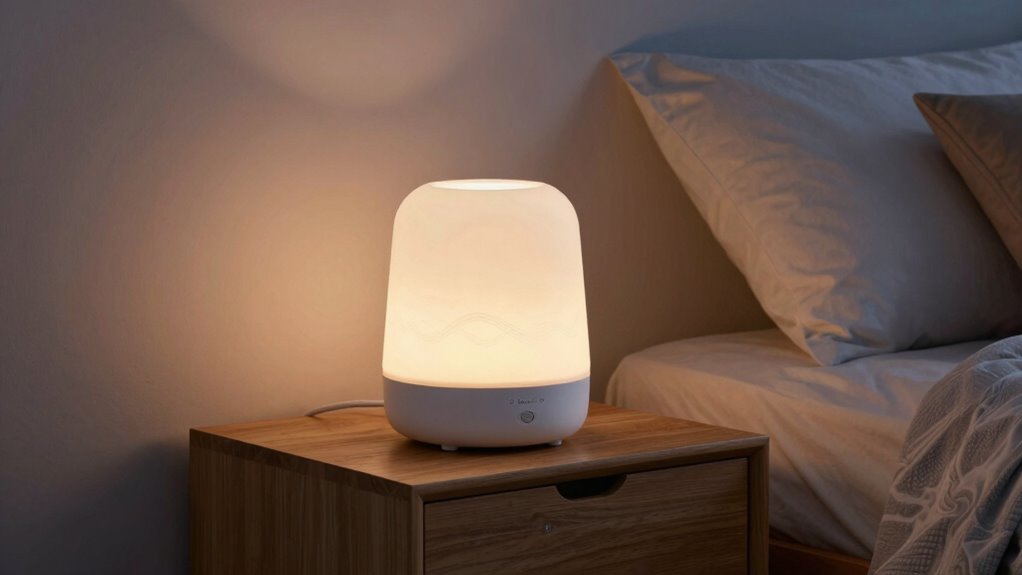
Many people turn to white noise because it effectively creates a stable auditory environment that helps them focus, relax, or fall asleep. This is often part of sound therapy, which uses consistent sounds to soothe the mind. White noise works through auditory masking, drowning out distracting noises. Imagine:
- A steady hum that blocks out traffic or conversations.
- A gentle roar that covers sudden loud sounds.
- A calming static that helps your mind settle.
- A uniform background that reduces sensory overload. Auditory masking is a key mechanism behind white noise’s effectiveness, allowing the brain to filter out unwanted stimuli more efficiently. These qualities make white noise a practical tool for maintaining concentration during work, reducing anxiety, or easing into sleep. Its ability to create a controlled acoustic environment explains why many turn to it for mental clarity and relaxation. Additionally, understanding the mechanisms behind auditory masking can help optimize its use for individual needs, especially considering factors like personal sensitivity to sound. Recognizing how sound environment influences our mental state can further enhance the benefits of white noise therapy. For example, individual preferences play a significant role in determining how effective white noise will be for each person.
Wall Plug in White Noise Sound Machine for Office Privacy & Noise Canceling, White Noise Machine for Sleeping Adults & Baby, Therapy Noise Blocker with 20 Soothing Sounds & Nightlight by Calm Me.
✨ SUPERIOR SOUND QUALITY – The plug-in white noise sound machine delivers crystal-clear sound, blocking distractions to create…
As an affiliate, we earn on qualifying purchases.
As an affiliate, we earn on qualifying purchases.
When Might White Noise Be Harmful for Children or Sensitive Individuals?
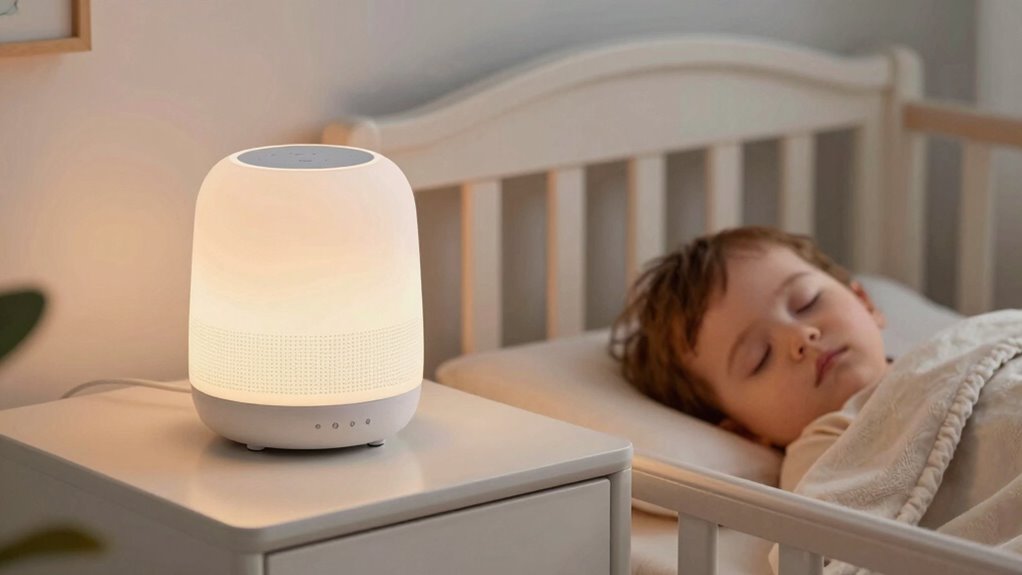
While white noise can be beneficial for many, it may pose risks for children and sensitive individuals when used improperly or excessively. For children, prolonged exposure could interfere with healthy child safety, such as hearing development or communication skills. Those with sensory sensitivity might find continuous noise overwhelming, leading to increased stress or anxiety. If the volume is too high or the noise persists for long periods, it can cause discomfort or even damage to hearing. It’s essential to monitor how your child or a sensitive individual reacts to white noise, ensuring it doesn’t become a source of distress. Proper use, including setting appropriate volume levels and limiting exposure time, helps balance benefits and potential harm. Additionally, understanding best vacuum filtration can help reduce indoor allergens, improving overall air quality and comfort. Furthermore, being aware of precious metals IRA markets can help you make informed investment decisions if you’re considering diversifying your retirement portfolio. Recognizing the horsepower of electric dirt bikes can also assist in understanding the energy output and potential safety considerations for children or sensitive users. Regularly reviewing white noise devices features and safety guidelines is crucial to prevent unintended harm.
Are There Downsides to Using White Noise? Exploring the Potential Drawbacks
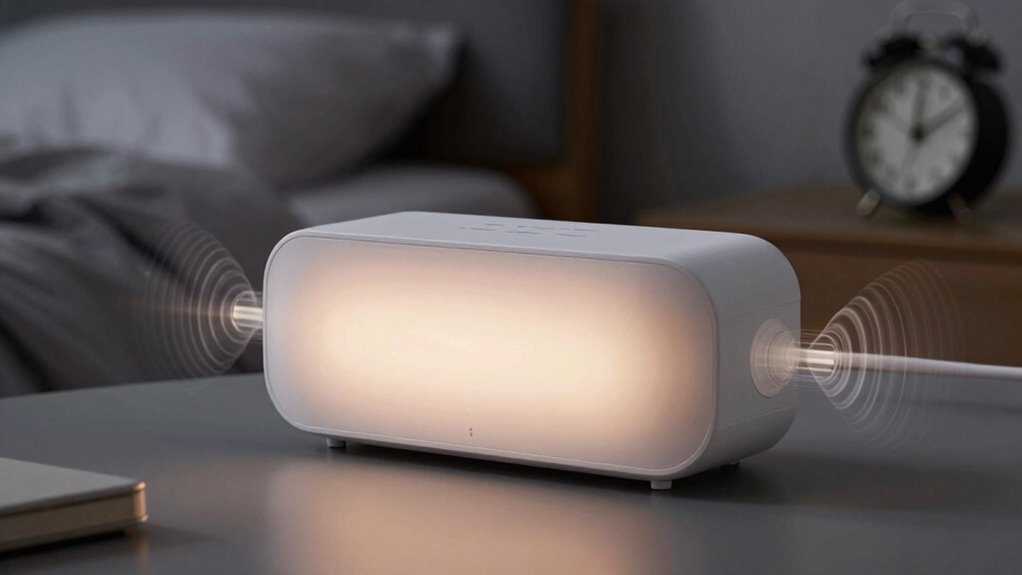
While white noise can be helpful, it’s important to contemplate potential downsides. You might become dependent on it to fall asleep, making it hard to sleep without the sound. Additionally, white noise can mask important sounds or disrupt your sleep if played too loud or for too long. It’s also worth noting that the use of white noise may impact your natural sleep cycles, especially if used improperly or excessively Free Floating. Moreover, some people may experience ear fatigue or irritation from prolonged exposure to constant sound environments. Understanding comparative advantage in sound environments can help you decide when white noise is beneficial versus when it might be counterproductive. Being aware of sound masking effects can help prevent overlooking important auditory cues during sleep or relaxation.
Potential Dependence Risks
Although white noise can be a helpful tool for sleep and focus, some people worry about potential dependence. Dependence concerns center around how your brain might become reliant on it to fall asleep or concentrate. Over time, you might notice tolerance development, where the same noise level no longer works effectively. Imagine:
- Relying solely on white noise to fall asleep each night.
- Finding it hard to sleep without the constant sound.
- Increasing volume levels to achieve the same effect.
- Struggling to relax or focus in quiet environments.
These signs suggest your body may develop a dependence, making it challenging to adjust without white noise. While not everyone experiences this, it’s important to monitor your use and avoid over-reliance to prevent tolerance development.
Masking Important Sounds
Using white noise regularly can help block out distracting sounds and improve focus or sleep, but it’s important to recognize that this practice isn’t without potential downsides. Sound masking with white noise can sometimes hide important sounds, like alarms, alerts, or conversations, which could be critical in certain situations. While noise cancellation helps reduce background noise, it may also create a false sense of security, making you less aware of your surroundings. Over time, relying heavily on white noise might cause you to become less attentive to subtle sounds, potentially impacting safety or communication. It’s essential to balance sound masking benefits with awareness of your environment to avoid missing important auditory cues. Being mindful of sauna safety tips can help maintain awareness of your surroundings and prevent potential hazards.
Sleep Disruption Possible
White noise can sometimes interfere with your sleep quality, especially if you use it consistently throughout the night. If you’re sensitive to noise or have high noise sensitivity, you might find that white noise disrupts your rest instead of helping. This disruption happens when:
- The sound fluctuates unexpectedly, waking you up.
- You become accustomed to the noise, making silence feel unsettling.
- The volume is too loud, causing subtle disturbances.
- You rely on white noise to block other sounds, but it blares loudly enough to disturb your sleep.
These issues can create a cycle where white noise hampers your sleep quality rather than improving it. Be mindful of how your noise sensitivity interacts with your sleep environment, and adjust your approach accordingly.
How Do You Choose the Best White Noise Device or Sound Track?
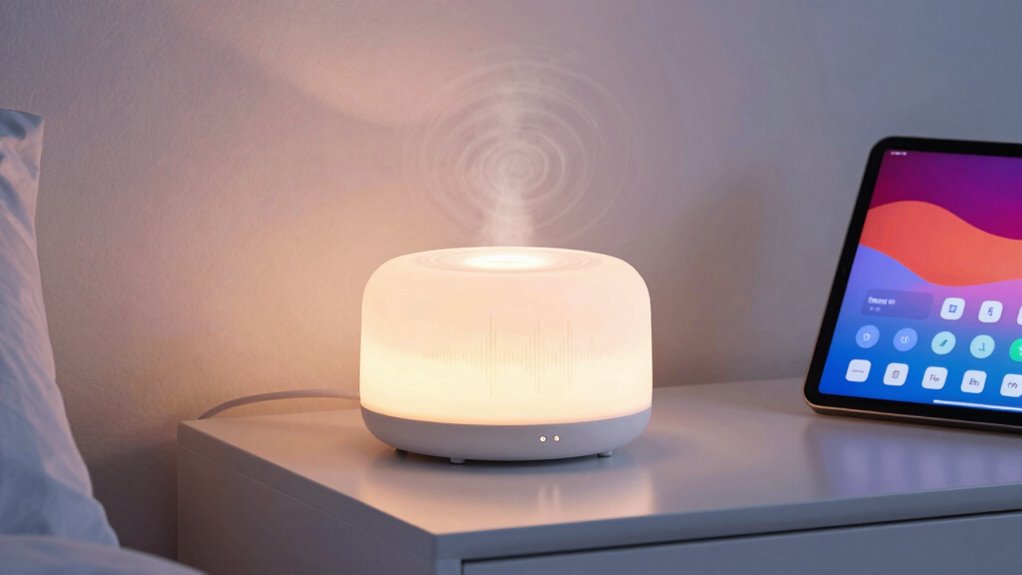
When choosing a white noise device or sound track, consider sound quality to guarantee it’s clear and soothing. Your personal sound preferences matter, so pick a tone and volume that help you relax without becoming distracting. Finding the right balance can make all the difference in creating an effective sleep environment.
Sound Quality Factors
Choosing the best white noise device or soundtrack depends heavily on sound quality factors that influence how soothing and effective the sound is for you. Key aspects include sound clarity and noise frequency, which determine how smooth or harsh the sound feels. To assess quality, consider these factors:
- Sound clarity – Is the sound crisp, with no muffling or distortion? Clear audio helps you focus and relax.
- Noise frequency range – Does the sound cover a broad spectrum, masking different background noises effectively?
- Consistency – Is the sound steady without abrupt changes or interruptions?
- Volume control – Can you easily adjust the volume to a comfortable, non-jarring level?
Focusing on these factors ensures you select a white noise source that’s soothing, effective, and tailored to your needs.
Personal Sound Preferences
Your personal sound preferences play a significant role in selecting the right white noise device or soundtrack. Sound masking works best when it aligns with your auditory preferences, helping you relax or concentrate. Consider whether you prefer steady, unchanging sounds like fan noise or more natural, flowing sounds such as rain or ocean waves. Some people find high-frequency sounds more effective, while others favor deeper, bass-heavy tones. Experiment with different sound masking options to discover what feels most comfortable and effective for you. Your goal is to find a sound that minimizes distractions without becoming intrusive. By paying attention to your auditory preferences, you can choose a white noise device or soundtrack that enhances your focus, relaxation, or sleep quality.
What Are Some Good Alternatives to White Noise?
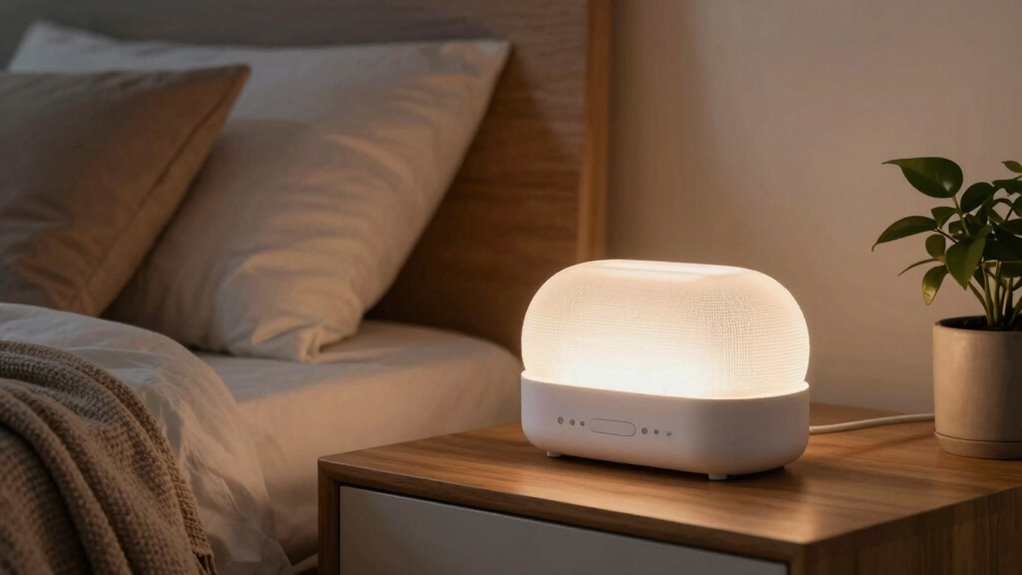
Looking for alternatives to white noise that might better suit your preferences? You can explore options like white noise therapy, sound masking, or natural sounds. Here are some ideas to contemplate:
- Pink or brown noise—softer, less harsh, and easier on sensitive ears.
- Nature sounds—gentle rain, ocean waves, or rustling leaves create calming backgrounds.
- Ambient music—smooth, instrumental tunes that promote relaxation without overwhelming.
- Binaural beats—specialized sound patterns designed to enhance focus or sleep.
These alternatives can help mask distracting noises while providing a more natural or personalized experience. They’re effective options if you find traditional white noise too intense or monotonous, making your environment more comfortable and conducive to rest or concentration.
How Can You Use White Noise Safely and Effectively Every Day?
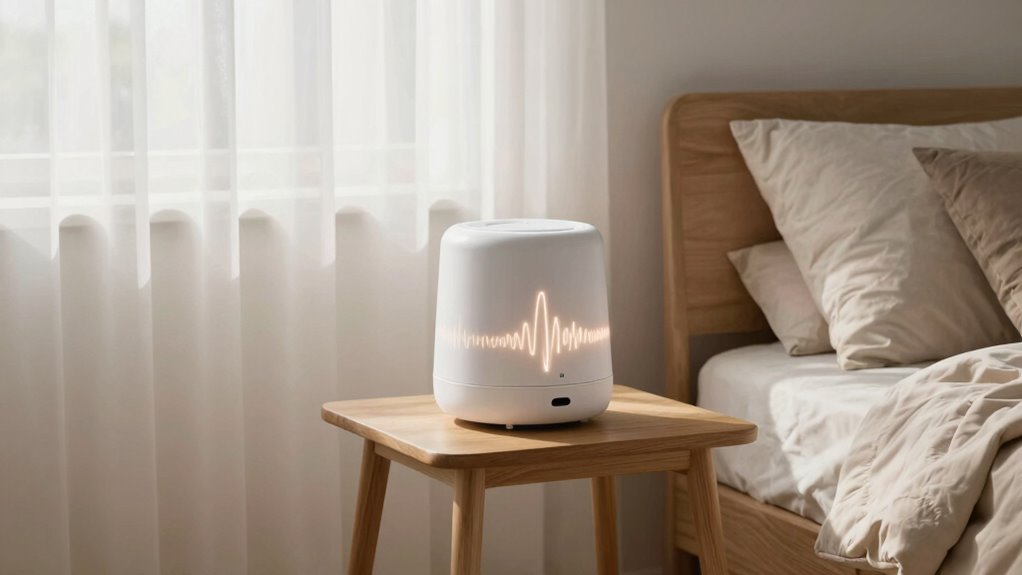
To use white noise safely and effectively every day, it’s important to set appropriate volume levels and timing. Keep the noise frequency at a comfortable level that masks disruptive sounds without causing discomfort or hearing issues. Using sound masking can improve focus or sleep, but only if the volume isn’t too high. Limit continuous exposure to moderate sound levels, especially during sleep, to protect your hearing health. Consider using timers or apps that allow you to control when the white noise turns on and off, preventing prolonged exposure. Regularly evaluate how the noise impacts your comfort and adjust accordingly. By managing volume, timing, and sound frequency, you ensure white noise remains a helpful tool rather than a potential risk.
What Myths About White Noise Are Not True?
Many common myths about white noise can lead to misconceptions about its safety and effectiveness. Through myth debunking and fact checking, you’ll see what’s true and what’s not. First, some believe white noise damages hearing, but studies show it’s safe at moderate volumes. Second, many think white noise causes dependence; however, it’s a tool, not a crutch. Third, some assume white noise only masks sounds; in reality, it can improve sleep quality. Fourth, people believe all white noise devices are the same, but quality and sound profiles vary. These myths can cloud your understanding. Knowing the facts helps you use white noise wisely, ensuring it’s a safe and helpful addition to your routine.
Should You Use White Noise? How to Decide Based on Your Needs and Preferences
To decide if white noise is right for you, start by considering your environment—does it need masking or calming? Think about your personal preferences—do you find the sound soothing or distracting? Finally, identify your goals—are you trying to sleep better, concentrate, or relax—since your needs will guide your choice.
Consider Your Environment
Your environment plays a crucial role in deciding whether white noise is right for you. If you’re surrounded by constant noise pollution, white noise can help mask distractions and improve focus. Consider your ambient awareness: do you prefer a quieter space or one filled with background sounds? Think about these scenarios:
- You work in a bustling office with chatter and phones ringing.
- You live near a busy street with honking cars and sirens.
- Your home has thin walls that let in neighbors’ conversations.
- You seek to reduce the impact of environmental noise on your sleep.
In these cases, white noise can create a consistent sound environment. Your surroundings influence whether white noise will help you block out unwanted noise and foster better concentration or rest.
Assess Personal Preferences
Deciding whether to use white noise depends largely on your personal preferences and how you respond to different sounds. Your personal comfort and noise tolerance play key roles in this decision. If you find silence unsettling or distracting, white noise might help create a calming background that promotes focus or relaxation. Conversely, if you’re sensitive to constant sounds or find white noise intrusive, it could hinder your comfort rather than enhance it. Consider your usual reaction to background noise—do you prefer quiet or a gentle hum? Pay attention to how different sounds affect your mood and concentration. Ultimately, choosing to use white noise hinges on how well it aligns with your individual needs and how comfortable you feel with it in your environment.
Recognize Your Goals
Understanding your goals is essential when deciding whether white noise is right for you. Are you seeking better focus, relaxation, or sleep? Clarifying your objectives helps determine if white noise aligns with your needs. Imagine:
- Using white noise during mindfulness practices to deepen your relaxation.
- Playing it in the background to manage stress throughout your day.
- Creating a consistent sleep environment to improve rest.
- Replacing distracting sounds with steady noise for better concentration.
Knowing your goals helps you tailor your approach, ensuring white noise supports your stress management and mindfulness efforts. If your aim is to reduce anxiety or enhance focus, white noise can be a useful tool. Otherwise, exploring alternative methods might better suit your preferences. Recognizing your specific needs guides you toward effective choices.
Frequently Asked Questions
Can White Noise Cause Hearing Damage With Prolonged Exposure?
Prolonged exposure to white noise can potentially cause hearing damage if the volume is too high. It may affect your hearing sensitivity over time, increasing the risk of noise-induced damage. To protect your ears, keep the volume at a safe level and limit exposure duration. Regularly listening at loud volumes can harm your hearing, so be mindful and use white noise responsibly to avoid long-term damage.
Is White Noise Effective for All Age Groups and Personalities?
White noise works wonders for many, but it isn’t universally effective. Your age compatibility plays a role—kids may find it calming, while some adults might find it distracting. Personality influence matters too; if you’re sensitive or easily overwhelmed, white noise may not suit you. Experimenting helps determine if it suits your specific needs. Ultimately, white noise’s effectiveness depends on your individual age, personality, and personal preferences.
How Does White Noise Compare to Other Sound Therapies?
White noise shines in sound masking because it evenly blocks out distractions with consistent ambient textures. Compared to other sound therapies like nature sounds or music, white noise offers a steady, predictable background that helps you focus or relax without sudden changes. It’s especially effective for sleep or concentration, providing a simple, effective way to drown out disruptive sounds and create a calm environment.
Are There Health Conditions That Make White Noise Unsafe?
An ounce of prevention is worth a pound of cure. If you have hearing sensitivity or auditory processing issues, white noise could worsen your condition or cause discomfort. People with tinnitus or ear infections might find it unsafe, as it can increase stress or damage hearing over time. Always consult a healthcare provider if you’re unsure, and listen at safe volume levels to protect your hearing health.
Can White Noise Be Used to Block Out All Types of Environmental Noise?
Yes, white noise can be used as sound masking to block out most environmental noise, providing effective noise reduction. When you use white noise, it creates a consistent background sound that masks other disruptive sounds. However, it might not block out all types of noise perfectly, especially sudden or very loud sounds. For ideal noise reduction, consider using specialized sound masking devices designed for your specific environment.
Conclusion
If you’re considering white noise, remember it can be a helpful tool—like Sarah, who used it to improve her sleep but found it disruptive for her sensitive child. Assess your needs carefully, try different options, and use it safely. White noise isn’t a one-size-fits-all solution, so stay informed and listen to your body. With the right approach, you can enjoy better focus, relaxation, or sleep without unintended side effects.