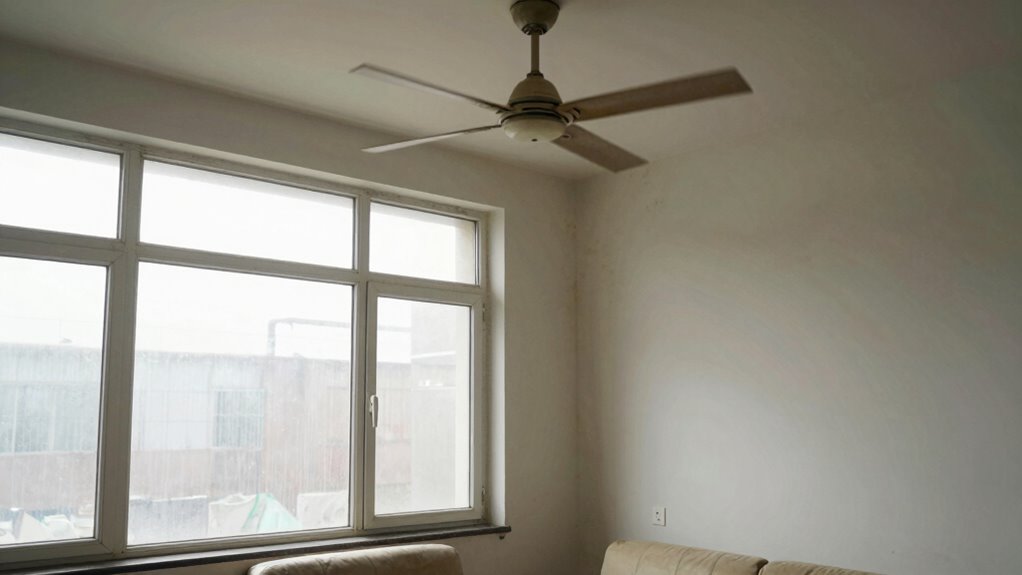

If you notice persistent musty odors, lingering dust, or frequent allergy symptoms indoors, these are signs of poor air quality. Water stains, visible mold, or condensation suggest hidden water damage and mold growth. Weak airflow, stuffy rooms, or unusual smells indicate ventilation problems. Excess humidity can cause water stains and structural issues. Monitoring air quality with sensors or inspecting your home regularly can help catch hidden pollutants early—if you want tips on keeping your air clean, keep going.

Get the latest gadgets delivered free with Prime
- Fast, free delivery on millions of items
- Prime Video, Amazon Music and more included
- Member-only deals all year
Key Takeaways
- Lingering odors, dust buildup, and frequent allergy symptoms indicate poor indoor air circulation.
- Visible mold, water stains, or musty smells suggest hidden water damage and mold growth.
- Poor ventilation causing stuffy air and persistent odors can trap pollutants and allergens indoors.
- Excess humidity, condensation, or warped surfaces signal moisture issues that promote mold and structural damage.
- Regular use of air quality monitors, cleaning, and maintaining ventilation systems help detect and prevent air quality problems.
As an affiliate, we earn on qualifying purchases.
Recognize the Signs of Poor Indoor Air Quality
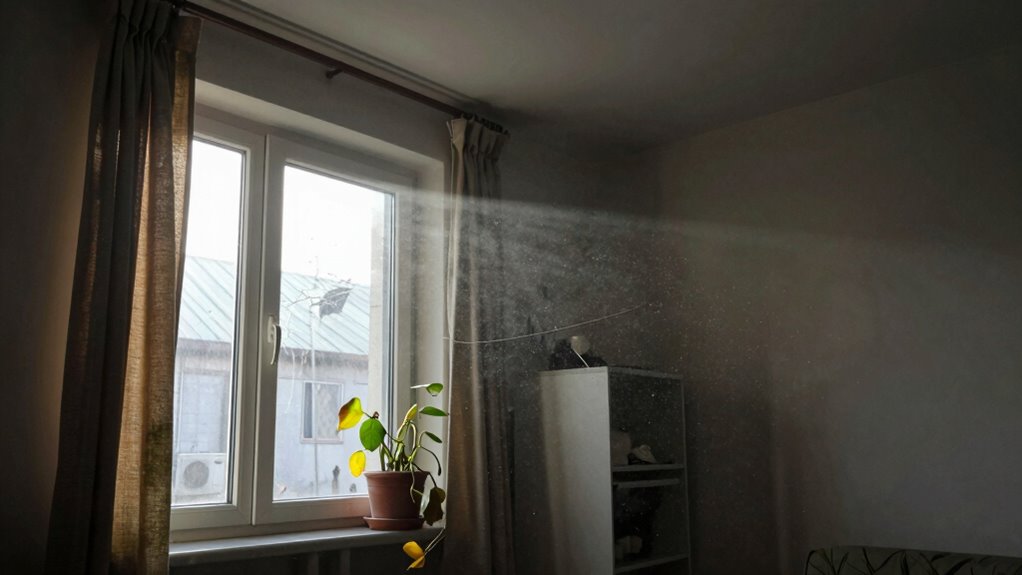
Poor indoor air quality often shows itself through noticeable signs that you shouldn’t ignore. You might notice lingering odors, dust buildup, or frequent allergies, which are clear indicators that your indoor air isn’t circulating well. Improving indoor air circulation can considerably reduce these issues, making your space healthier. Air purifier benefits become evident as they help filter out airborne pollutants, allergens, and toxins, providing cleaner air for you and your family. If you’re constantly sneezing or coughing, it’s a sign that your indoor air quality needs attention. Additionally, microplastics in dust can contribute to health problems, highlighting the importance of proper air filtration. Recognizing indoor air quality issues early allows you to take steps like using air purifiers or increasing ventilation, ensuring your home feels fresher and healthier. Maintaining proper ventilation is essential to prevent the buildup of indoor pollutants and improve overall air quality. Addressing poor air quality now prevents bigger health problems later, especially considering the impact of indoor air pollutants on respiratory health. Regular cleaning and air quality monitoring can help you stay ahead of potential issues before they worsen.
As an affiliate, we earn on qualifying purchases.
Can You Spot Mold or Water Damage in Your Home?
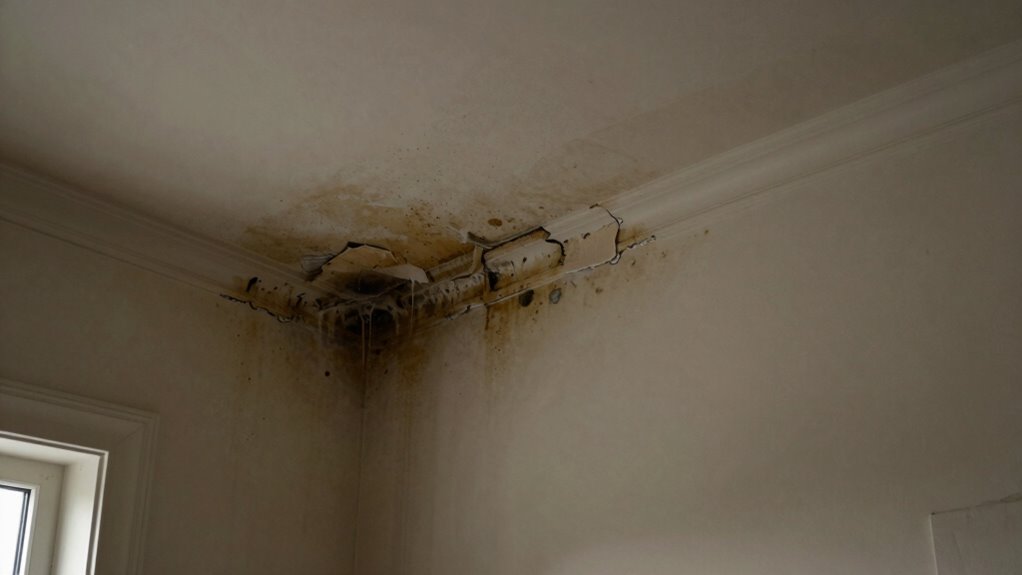
Can you spot signs of mold or water damage in your home? Look for visible mold growth, musty odors, or water stains and warping on walls and ceilings. Catching these issues early can protect your indoor air quality and prevent further damage. Additionally, monitoring water damage indicators can help identify underlying issues that may not be immediately visible. Recognizing indoor air quality hazards is essential for maintaining a healthy living environment. Regular inspections for water intrusion and proper drying techniques can help prevent mold development and preserve your home’s integrity. Being aware of building materials’ vulnerabilities can also aid in early detection and prevention efforts. Understanding building structure vulnerabilities can further enhance your ability to maintain a safe and healthy home environment.
Visible Mold Growth
If you notice patches of discoloration or fuzzy spots on your walls, ceiling, or around windows, it’s likely mold or water damage. Visible mold growth is a clear red flag that your home has an underlying issue, often linked to hidden mold lurking behind surfaces. Water damage from leaks or high humidity can promote mold development, even if you can’t see it directly. Pay close attention to any dark, fuzzy, or slimy patches, as these are signs of ongoing mold growth. Addressing visible mold quickly can prevent it from spreading further and affecting your indoor air quality. Keep in mind, what you see isn’t always all there is—hidden mold can be just as problematic, lurking behind walls or under flooring. Additionally, understanding how water damage can contribute to mold growth emphasizes the importance of prompt repairs and moisture control measures. Recognizing indoor air quality red flags can help you maintain a healthier living environment and prevent potential health issues. Regular inspections for moisture intrusion can help catch problems early before they develop into larger issues.
Musty Odor Presence
A persistent musty odor is often a strong indicator that mold or water damage is present somewhere in your home. This smell can come from hidden sources that release airborne allergens, affecting indoor air quality. If you notice a musty scent, it’s worth investigating areas prone to moisture, like basements or bathrooms. Mold can grow behind walls or under flooring, creating odor sources that are hard to see. These odors can trigger allergies or respiratory issues over time. To identify the problem, look for clues such as:
- Hidden water stains or discoloration
- Damp or humid areas
- Peeling paint or wallpaper
- Persistent odors despite cleaning
Early detection helps you address mold or water damage before it worsens and impacts your health. Moisture control is key to preventing ongoing indoor air quality issues. Recognizing early signs of water damage can help you take prompt action and reduce health risks. Proper ventilation and humidity management are essential components of maintaining healthy indoor air. Additionally, understanding indoor air quality concepts can assist you in creating a safer environment for everyone in your home. Maintaining good air circulation can also help reduce indoor mold growth and improve overall air purity.
Water Stains or Warping
Water stains and warping on walls, ceilings, or floors are clear signs that moisture has infiltrated your home. This water damage can lead to mold growth if left unchecked, impacting your indoor air quality. Pay close attention to stain detection—discolored spots often indicate past or ongoing leaks. Warping or buckling surfaces are also warning signs of persistent moisture problems. When you notice these issues, it’s essential to investigate the source of the water intrusion and address it promptly. Ignoring water stains or warping can result in hidden mold, which may not be visible but still affects air quality. Regularly inspecting your home for these signs helps you catch water damage early, preventing health risks and costly repairs down the line. Additionally, understanding how water infiltrates your home can help you implement more effective preventative measures. Recognizing water intrusion signs early allows for timely intervention, reducing the risk of long-term indoor air quality issues. Being aware of common sources of water intrusion, such as leaks or poor drainage, can further aid in prevention efforts. Moreover, maintaining proper ventilation and moisture control is crucial to minimizing ongoing water-related problems.
As an affiliate, we earn on qualifying purchases.
Are Musty or Odorous Smells Lurking Indoors?
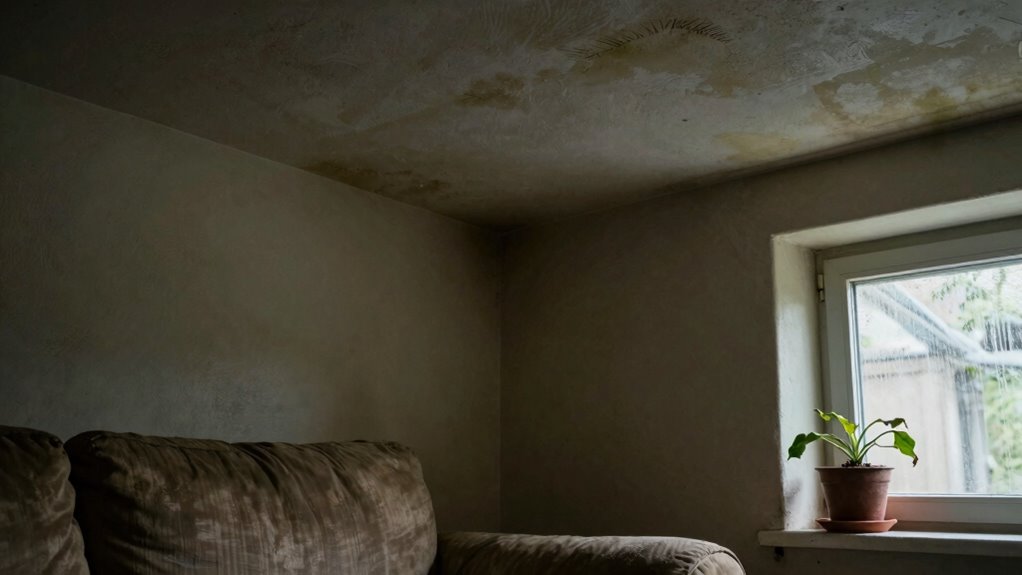
Musty or foul odors inside your home often signal underlying air quality issues that shouldn’t be ignored. These smells can indicate hidden problems like mold growth, dampness, or poor ventilation issues that trap moisture and odor sources. If you notice persistent odors, it’s a sign to investigate further. Common causes include:
- Hidden mold in walls or ceilings
- Moisture buildup from leaks or condensation
- Inadequate ventilation in bathrooms or kitchens
- Odors from pets, trash, or stale air
Ignoring these smells can lead to worsening indoor air quality and health issues. Addressing the root cause involves improving ventilation, locating and eliminating odor sources, and reducing moisture. Regular air quality assessments can help identify problems early and prevent further issues. Additionally, maintaining your air purifier by following proper maintenance dos and don’ts can help improve indoor air quality. Being aware of indoor humidity levels can also prevent mold growth and dampness. Proper ventilation strategies are essential in controlling odors and moisture buildup. Act quickly to keep your air fresh and your home healthier.
As an affiliate, we earn on qualifying purchases.
Do Your Allergies or Respiratory Symptoms Worsen When You’re Inside?
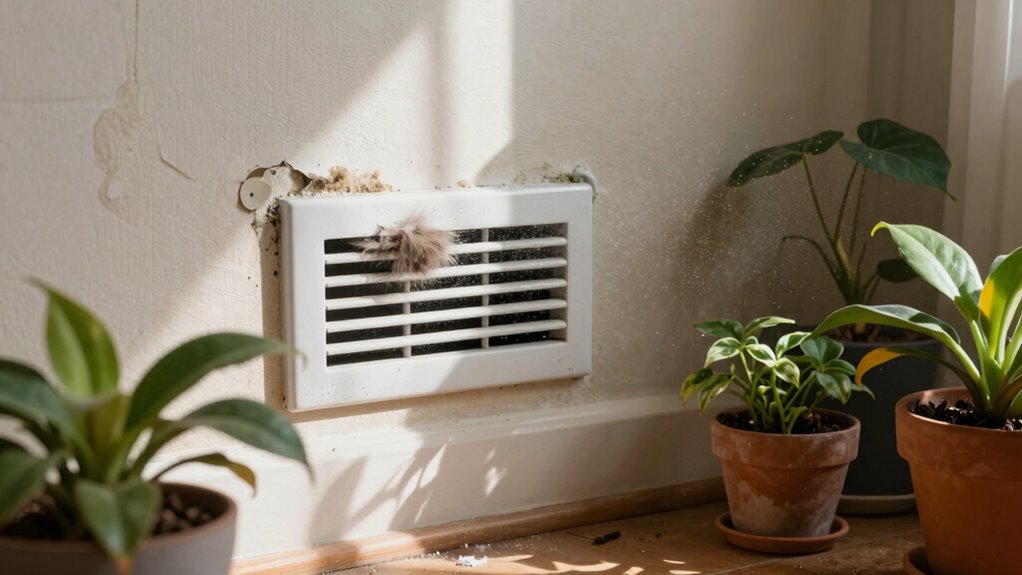
If your allergies or respiratory issues get worse when you’re indoors, it could be a sign of hidden problems. Look out for mold or mildew, poor ventilation, or strange indoor odors that may indicate air quality issues. Addressing these red flags can help improve your health and indoor environment.
Mold or Mildew Presence
Have your allergies or respiratory symptoms suddenly worsen when you’re inside? Mold or mildew presence could be the culprit. Mold releases airborne toxins that can trigger allergies and asthma. You might notice a musty smell or see visible patches on walls, ceilings, or around windows. Persistent moisture from leaks or condensation creates ideal conditions for mold growth. If mold isn’t removed through proper mold remediation, symptoms may persist or worsen. Be alert to these warning signs:
- Visible mold or mildew on surfaces
- Persistent musty odor
- Water stains or discoloration
- Increased allergy symptoms indoors
Addressing mold promptly helps improve indoor air quality and reduces health risks. Regular inspections and moisture control are key to preventing mold buildup and ensuring a healthier home environment.
Poor Ventilation Signs
When your allergies or respiratory symptoms seem to get worse whenever you’re inside, poor ventilation could be the cause. Faulty ventilation systems or inadequate airflow patterns trap indoor pollutants, allergens, and stale air. You might notice a feeling of stuffiness or lingering odors, even when cleaning regularly. Poor airflow prevents fresh air from circulating, causing indoor air quality to decline. If you find yourself sneezing more or experiencing congestion indoors, it’s a sign that your ventilation isn’t working properly. Check if windows and vents are open and functioning correctly. Upgrading or repairing your ventilation systems can improve airflow patterns, reduce indoor pollutants, and help your symptoms improve. Good ventilation is essential for maintaining a healthier indoor environment.
Unusual Indoor Odors
Unusual indoor odors can be a clear sign that your home’s air quality is compromised. If you notice persistent smells that don’t go away, it may indicate mold, pets, or hidden sources like stale air or chemical off-gassing. Relying on air freshener effects might mask odors temporarily, but they don’t address the root cause and can sometimes worsen indoor air quality. Incorporating indoor plant benefits can help naturally purify the air and reduce odors without chemical fragrances. Be alert if you experience worsening allergies or respiratory symptoms indoors.
- Persistent musty or moldy smells
- Chemical or synthetic scents from air fresheners
- Odors that intensify with certain activities
- Allergic reactions worsening indoors
Is Excess Humidity Causing Condensation or Water Stains?
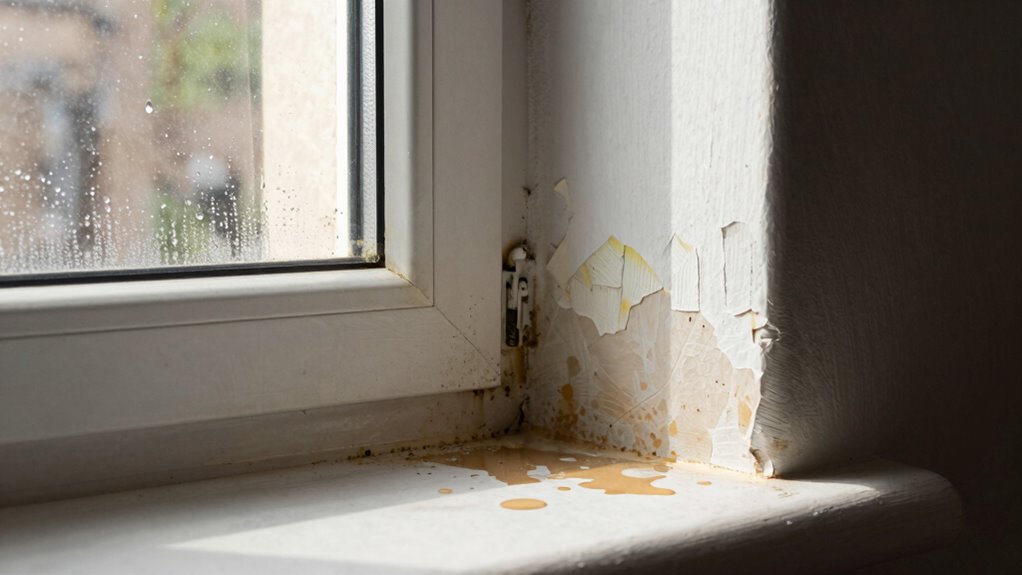
Excess humidity in your home often leads to condensation on windows, walls, and other surfaces, which can cause water stains and damage over time. This humidity buildup results in visible window condensation, especially during colder months or when cooking and showering. If you notice persistent damp spots or water stains, it’s a sign that your indoor moisture levels are too high. These water issues can also encourage mold growth and weaken building materials. Addressing excess humidity involves improving ventilation, using dehumidifiers, or sealing leaks. Monitoring humidity levels and reducing excess moisture can help prevent water stains and protect your home’s structural integrity. Recognizing the signs of humidity buildup early allows you to take action before more serious damage occurs.
Are You Noticing Dust, Pet Dander, or Particulates in the Air?
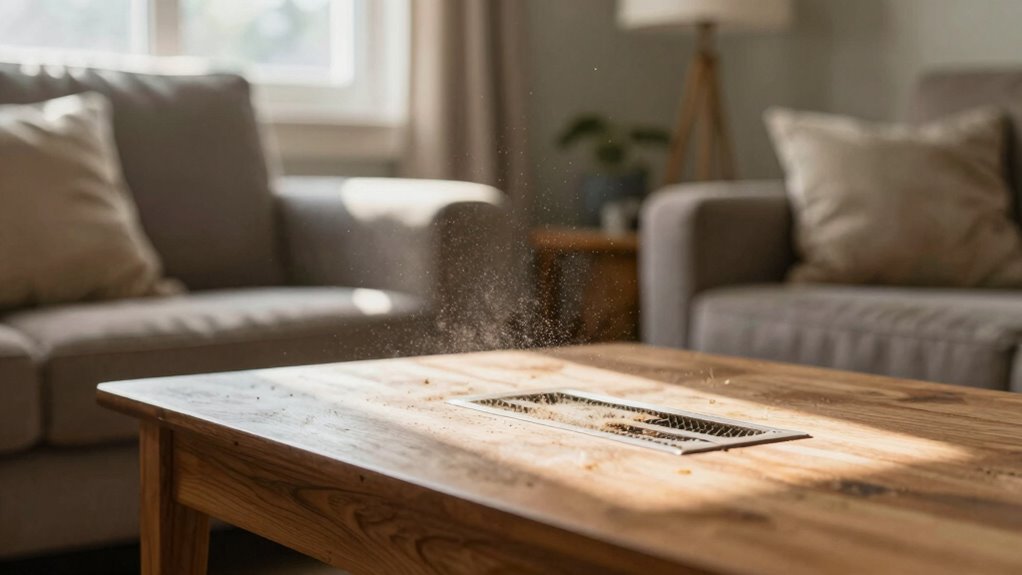
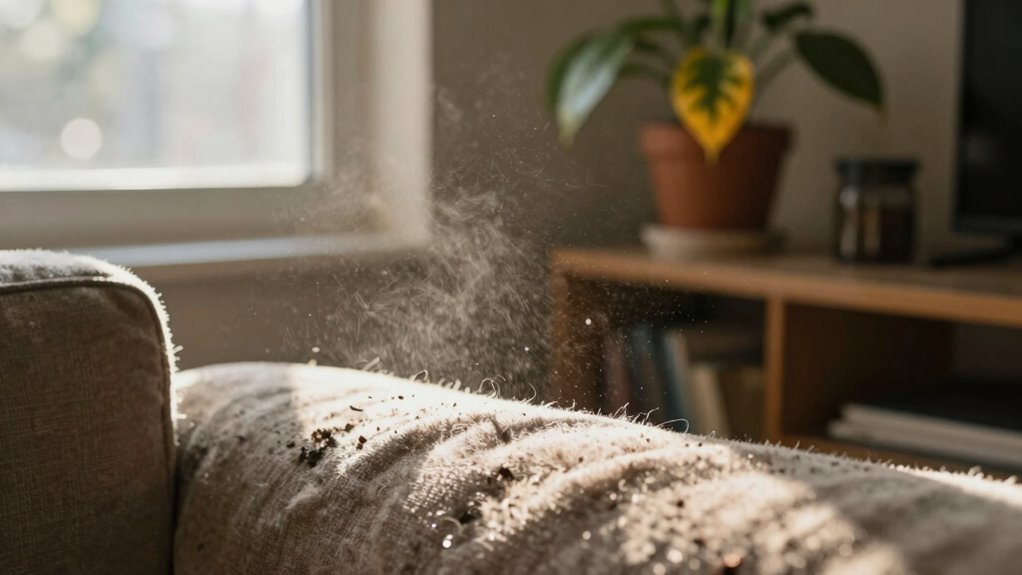
If you start noticing an increase in dust, pet dander, or airborne particles, it’s a clear sign that your indoor air quality may be compromised. These particulates can originate from various pollutant sources and often indicate that your air filter maintenance might be overdue. When filters aren’t clean, they can’t trap harmful particles effectively, allowing them to circulate in your home. This can cause allergy symptoms, respiratory issues, or general discomfort. To improve air quality, check your filters regularly, replace them as needed, and minimize pollutant sources like smoking or clutter that traps dust. Proper air filter maintenance ensures your HVAC system can do its job, keeping airborne dust and dander at bay.
Increase in dust and pet dander signals poor indoor air quality—check and replace filters regularly to maintain a healthy home environment.
- Dirty or clogged filters
- Pet fur and dander buildup
- Dust accumulation from clutter
- Pollutant sources like smoking or aerosols
How Can Indoor Air Quality Monitors Help Detect Hidden Pollutants?
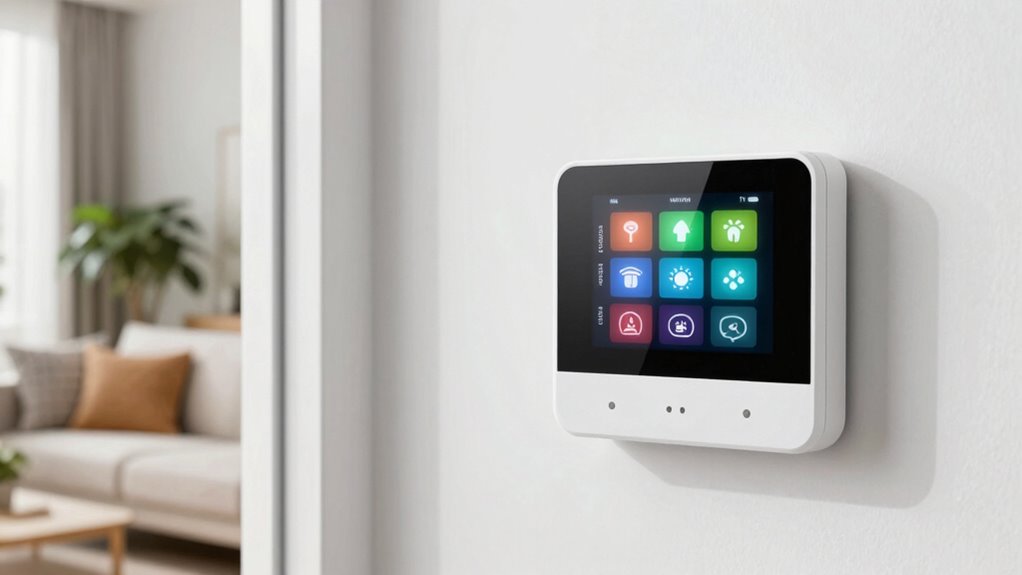
Indoor air quality monitors are powerful tools that enable you to detect hidden pollutants that might not be visible or easily noticeable. These monitors use air quality sensors to measure various airborne contaminants, such as volatile organic compounds (VOCs), humidity levels, and particulate matter. By providing real-time data, they help you identify sources of pollution you might not see, like off-gassing from furniture or mold spores hiding behind walls. Pollutant detection with these devices allows you to take targeted actions to improve your indoor environment. With continuous monitoring, you gain a clearer understanding of your home’s air quality, helping you catch issues early before they become health problems. Overall, air quality sensors are essential for maintaining a healthier, safer indoor space.
Next Steps: How to Test and Improve Your Indoor Air Quality
To effectively assess and enhance your indoor air quality, start by conducting targeted tests using reliable air quality monitors and testing kits. This helps identify specific pollutants and sources of poor air quality. Once you know the problem areas, think about implementing ventilation improvements, such as opening windows or upgrading exhaust fans, to increase airflow. Installing air purification systems can also markedly reduce airborne contaminants like dust, mold, and VOCs. Regular maintenance of these systems ensures they work efficiently. Additionally, improve humidity control to prevent mold growth and reduce allergens. Remember, consistent testing and adjustments are key to maintaining a healthy indoor environment. Here are some next steps to consider:
- Use air quality monitors to identify pollutants
- Increase ventilation with fans or open windows
- Invest in effective air purification systems
- Manage humidity levels to prevent mold
Frequently Asked Questions
What Are Common Health Effects of Poor Indoor Air Quality?
Poor indoor air quality can cause allergy symptoms like sneezing, itchy eyes, and congestion, making you uncomfortable daily. It also leads to respiratory issues such as coughing, wheezing, and shortness of breath. When pollutants or mold are present, your lungs have to work harder, increasing health risks. Addressing these issues promptly helps protect your overall well-being and keeps your indoor environment safe and healthy.
How Often Should I Test My Home’s Indoor Air Quality?
Think of your home like the ship in a storm; you need to check the air quality regularly. You should perform air quality testing at least once every six months, or more often if you notice odors, allergies, or symptoms. Testing frequency helps catch issues early, ensuring a safe environment. Stay proactive—regular testing keeps your home’s air as clear and fresh as a calm sea.
Can Indoor Plants Improve Air Quality Significantly?
Indoor plants can help improve air quality somewhat through natural air purification, but their impact isn’t typically significant enough to rely on alone. To maximize benefits, choose plants known for their air-purifying qualities, like snake plants or pothos. Keep in mind that proper ventilation and air filtration systems play a bigger role in maintaining healthy indoor air. Incorporate plants as a supplement, not a substitute for effective air quality strategies.
What Professional Services Are Available to Improve Indoor Air Health?
You can get professional services like HVAC maintenance and air purification system installation to improve your indoor air health. HVAC experts perform regular maintenance to make sure your system runs efficiently and filters out pollutants. Additionally, installing advanced air purification units helps remove allergens, mold, and airborne toxins. These services create a healthier environment, reduce allergies, and improve overall air quality, making your home safer and more comfortable.
Are There Specific Cleaning Routines to Reduce Indoor Air Pollutants?
You might think your cleaning routine is enough, but it’s not. To truly reduce indoor air pollutants, stick to air purifier maintenance and follow cleaning schedule tips like vacuuming carpets, dusting regularly, and washing bedding often. Don’t forget to replace filters on time, or your efforts could be for nothing. A consistent routine keeps airborne contaminants low, making your home healthier — even if it feels like a never-ending chore.
Conclusion
By keeping an eye out for these red flags, you can breathe easier knowing your home’s indoor air quality isn’t a silent threat. Think of it as shining a flashlight into the dark corners—revealing hidden dangers before they take hold. Address issues promptly, and you’ll create a healthier, fresher environment where your family can thrive. Don’t wait for the air to turn foul; proactive steps are your best defense against unseen pollutants.
Halloween Picks
halloween
As an affiliate, we earn on qualifying purchases.