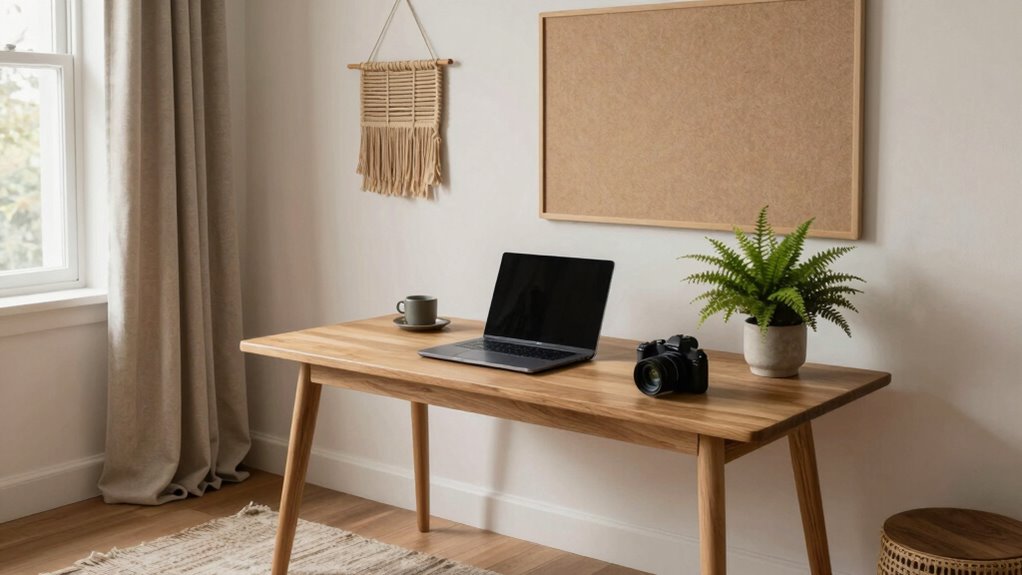

To reduce echo in your home office, start by identifying sources of sound reflection, like bare walls or floors. Add soft materials such as rugs, curtains, or cushions to absorb sound. Rearrange furniture to break up reflective surfaces. Using household items like blankets or pillows can also help. If echoes persist, consider professional acoustic treatments. Keep exploring options to create a quieter, clearer workspace—you’ll find more helpful tips ahead.
Key Takeaways
- Add soft furnishings like rugs, curtains, and cushions to absorb sound and reduce reflections.
- Rearrange or remove hard surfaces such as glass and bare walls to minimize sound bouncing.
- Use household items like blankets or quilts on walls or behind desks to dampen echo.
- Install acoustic panels or soundproof curtains for targeted sound absorption and noise reduction.
- Consider professional acoustic treatment if DIY solutions don’t sufficiently improve sound clarity.

6 Pack Sound Absorbing Panels 72×48 Inch Decorative Acoustic Panels Acoustic Wall Panels for Home Office Studio Quick and Easy Setup
PREMIUM SOUND CONTROL — Serious about acoustic treatment? Avoid acoustic foam. Our art acoustic panels, sized at 72…
As an affiliate, we earn on qualifying purchases.
As an affiliate, we earn on qualifying purchases.
How to Quickly Assess Echo Problems in Your Home Office
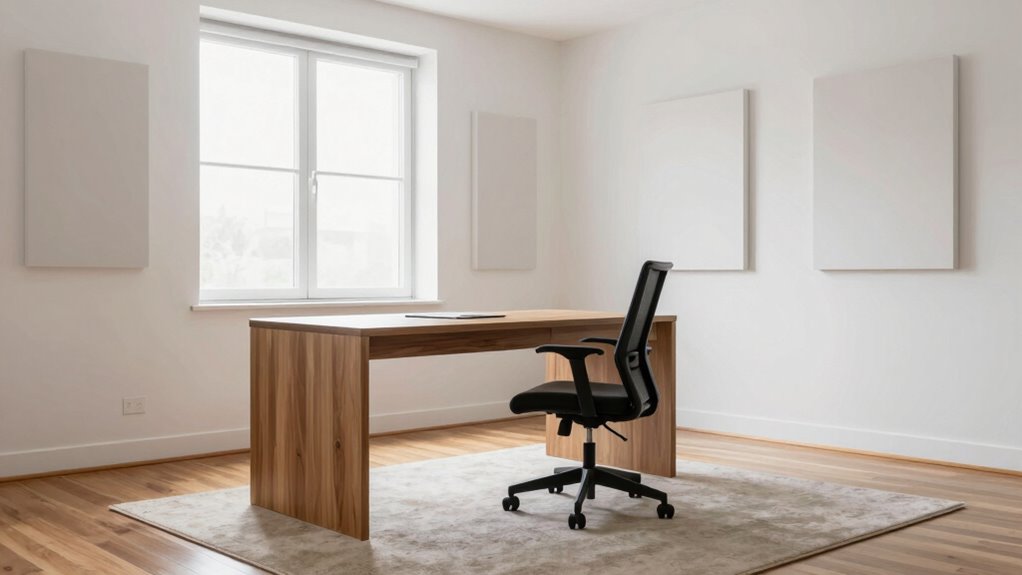
If you’re noticing distant or hollow sound quality during calls, it’s a sign that your home office may have echo issues. To quickly assess, start by paying attention to how sound travels when you speak. Look at your decorating ideas and see if the room feels overly empty or bare, as large empty spaces often cause echoes. Check your furniture placement—placing soft furnishings like rugs, curtains, or bookshelves can absorb sound and reduce reverberation. Sit at your desk and speak aloud; if your voice sounds distant or muffled, echo might be a problem. Remove or rearrange furniture to see if sound improves. Making these simple adjustments helps you identify whether your space needs more sound absorption, providing a quick assessment of your home office’s echo issues. Additionally, understanding the principles of sound absorption and using appropriate materials can significantly improve acoustics. Incorporating natural materials like wood or cork can also help dampen sound reflections and create a more comfortable workspace. Recognizing the importance of acoustic treatment allows you to implement targeted solutions that enhance clarity and reduce echo. Furthermore, adding soft furnishings such as cushions or fabric wall hangings can further help in controlling unwanted sound reflections.
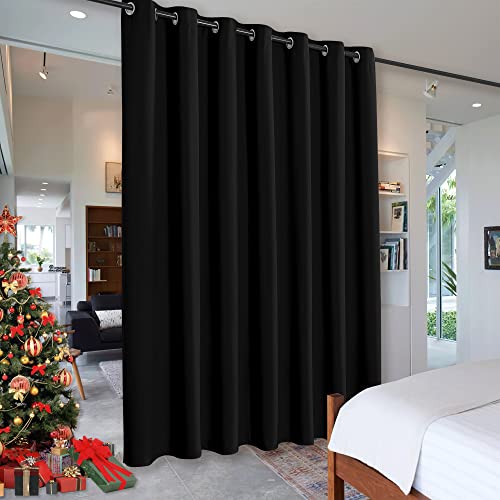
RYB HOME Blackout Thermal Insulated Blind Curtains, Noise Reduce Barrier for Nursery, Portable Curtain for Sliding Glass Door/Storage/Space Room Divider, 7 ft Tall x 8.3 ft Wide, Black, 1 Panel
Room Divider: Cut from a single, sturdy panel, this curtain creates a complete visual barrier. Without time-consuming or…
As an affiliate, we earn on qualifying purchases.
As an affiliate, we earn on qualifying purchases.
What Causes Echo in a Home Office and How to Recognize Them
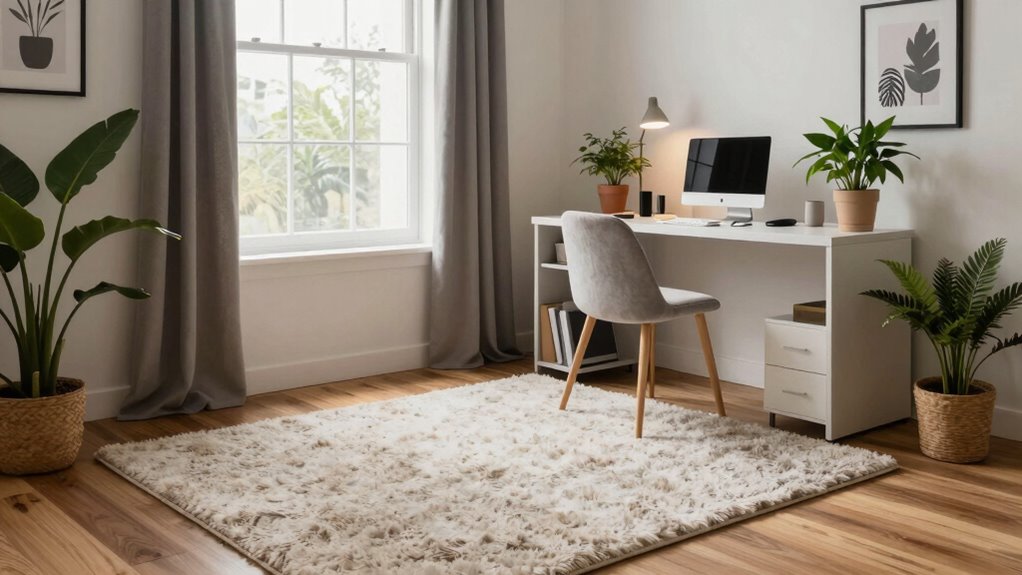
Echo in a home office usually occurs when sound waves bounce off hard, flat surfaces, creating reverberations that make your voice sound distant or hollow. This happens because of sound reflection, which worsens room acoustics. Recognizing these causes helps you identify echo sources. Common surfaces that cause echo include windows, bare walls, and desks. You might notice your voice echoing more when you speak loudly or during quiet moments. The following table highlights typical echo contributors:
| Surface Type | Effect on Room Acoustics |
|---|---|
| Glass windows | Reflects sound, amplifies echo |
| Bare walls | Increase sound reflection |
| Hard floors | Bounce sound waves |
| Large furniture | Absorbs sound, reduces echo |
| Ceiling tiles | Interrupts sound reflection |
Understanding these elements allows you to pinpoint echo sources and plan effective solutions. Proper acoustic treatment can significantly improve your room’s sound quality and create a more comfortable workspace. Additionally, adding soft furnishings like rugs, curtains, or acoustic panels can help absorb sound and further reduce echo. Incorporating sound-absorbing materials strategically helps manage reverberation and enhances overall room acoustics. To further optimize your space, consider room layout adjustments that minimize sound reflection and improve sound diffusion throughout the room. Being aware of sound reflection properties can help you make informed decisions about room modifications and acoustic enhancements.

TroyStudio Thick Sound Absorbing Interlocking Floor Mats, 16 Pcs 11x 11 x 0.4 inches High Density Piano Carpet Drum Rug, Non-Slip Anti Vibration Soundproof Pads Acoustic Blankets for Music Studio M
【SPECIFICATION】: Dimensions: 11'' x 11'' x 0.4'', pack of 16; Material: 100% polyester fiber felt; High Density: 150kg/m3…
As an affiliate, we earn on qualifying purchases.
As an affiliate, we earn on qualifying purchases.
Simple DIY Ways to Reduce Echo Using Household Items
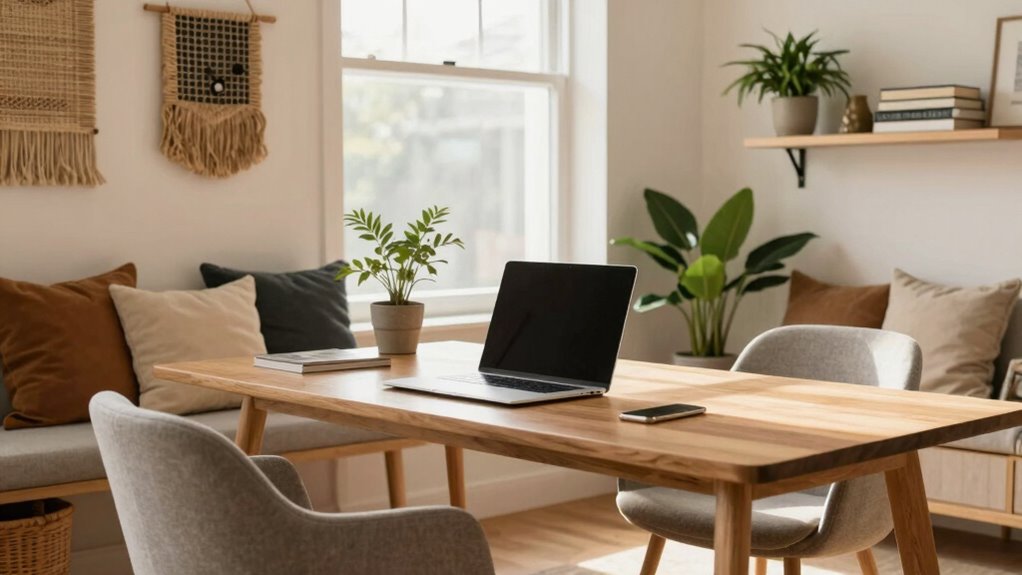
You can considerably reduce echo in your home office with simple DIY solutions using everyday household items. You can also experiment with electric dirt bike horsepower to understand how powerful sound-absorbing materials need to be for larger spaces. Start by adding soft materials like thick blankets or quilts to walls or behind your desk. These items absorb sound waves, improving household acoustics. You can also place plush rugs or carpets on the floor to minimize reflected sound. Use cushions, pillows, or fabric-covered furniture to further dampen echoes. Hanging curtains or drapes over windows helps absorb sound and prevents it from bouncing around. Additionally, stacking cardboard boxes filled with fabric or foam can act as makeshift sound absorbers. Incorporating sound absorption techniques with household items can further enhance your space’s acoustics. To optimize sound dampening, consider positioning sound-absorbing materials strategically around your workspace for maximum effect. Proper placement of acoustic treatment can significantly improve overall room sound quality.

Focusound 52 Pack Acoustic Foam Panels 1" x 12" x 12" Sound Proof Foam Panles Soundproofing Noise Cancelling Wedge Panels for Home Office Recoding Studio with 300PCS Double-Side Adhesive
Soundproofing – Acoustic foam panels triangular grooves structure for better noise absorption, helps to reduce and absorb unwanted…
As an affiliate, we earn on qualifying purchases.
As an affiliate, we earn on qualifying purchases.
Tips to Absorb Sound and Improve Clarity in Your Workspace
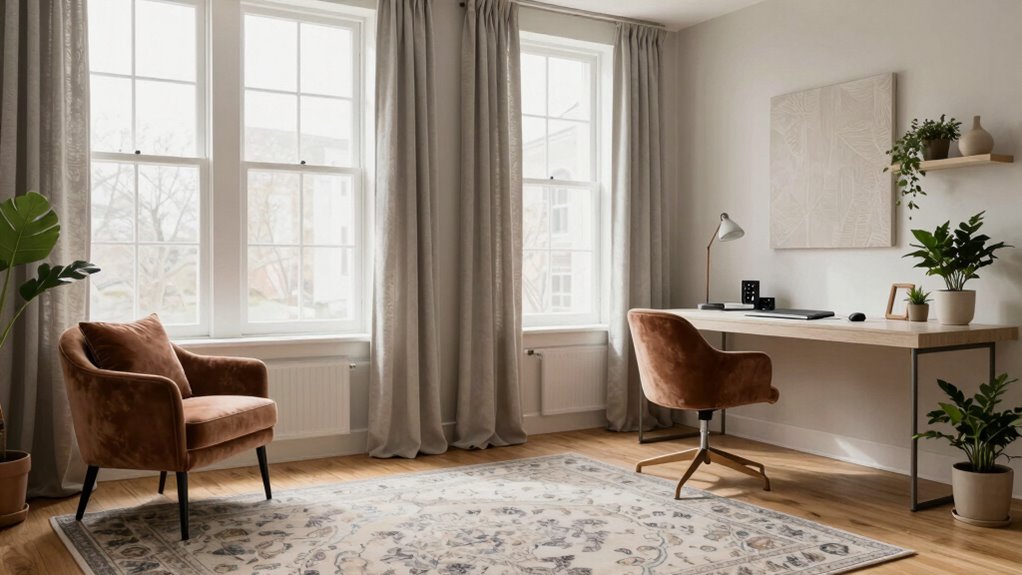
To effectively improve sound clarity in your workspace, focus on absorbing excess noise rather than just blocking it. Acoustic panels are a great way to do this; they absorb sound waves and reduce echo, making speech clearer. Place them strategically on walls where sound tends to bounce. Soundproof curtains also help absorb noise, especially from windows, preventing outside sounds from interfering. They add an extra layer of sound absorption without the need for major renovations. Both acoustic panels and soundproof curtains create a softer environment, minimizing reflections and echo. Incorporating sound absorption techniques ensures maximum effectiveness of your sound-absorbing solutions. Additionally, choosing eco-friendly recycling options for your existing gear can help reduce waste and promote sustainability. Using soundproofing materials effectively can further enhance your room’s acoustics. Employing soundproofing solutions that suit your specific space can make a significant difference in achieving a quieter, more focused home office environment. Implementing these simple solutions can appreciably enhance your home office’s acoustics with minimal effort and cost.
When to Consider Professional Acoustic Treatments for Better Soundproofing
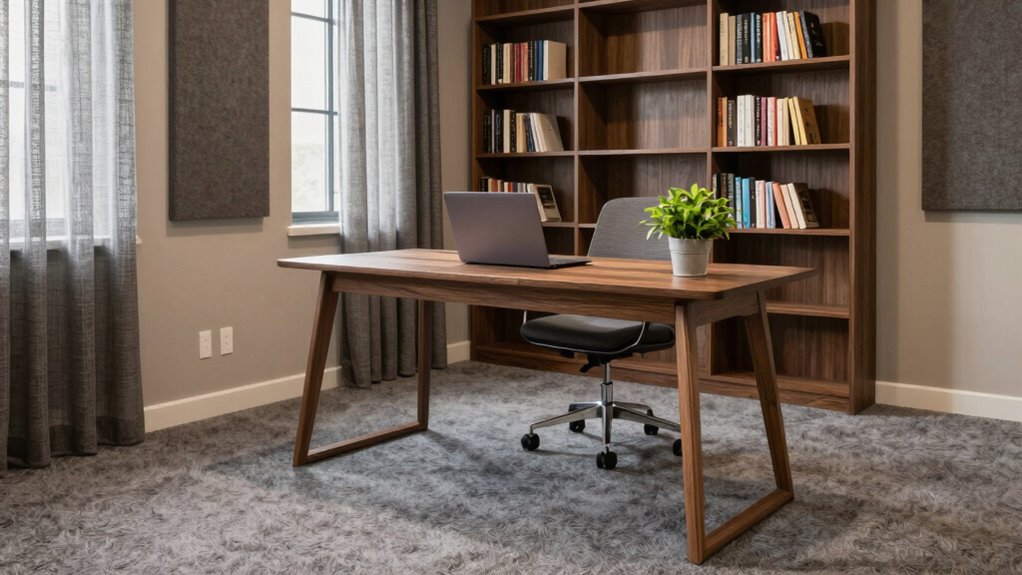
While adding acoustic panels and soundproof curtains can considerably improve your home office’s sound environment, there are times when these solutions might not be enough. If noise still seeps in or escapes, it’s time to explore professional acoustic treatments. Consider professional soundproofing options when you need a significant reduction in sound transmission or want to eliminate echo completely. Acoustic panel installation by experts ensures ideal placement and effectiveness, especially in larger or oddly shaped rooms. If your current setup fails to provide the desired clarity or if unwanted noise persists despite DIY efforts, investing in professional solutions becomes worthwhile. These treatments are tailored to your space’s specific acoustics, offering a more permanent and effective way to create a quiet, focused workspace. Soundproofing techniques can be customized to address unique room challenges and enhance overall sound quality. Additionally, understanding room acoustics can help you identify the most effective solutions for your specific environment.
Frequently Asked Questions
How Does Furniture Placement Affect Echo Reduction in My Home Office?
Your furniture arrangement considerably impacts echo reduction in your home office. Placing soft furniture like sofas, rugs, and curtains helps absorb sound, while strategic room layout minimizes sound reflection. Avoid open, empty spaces that cause sound waves to bounce around. By thoughtfully arranging furniture, you create a more acoustically friendly environment, reducing echo and making your workspace more comfortable and productive.
Can Window Treatments Help Minimize Echo and Improve Sound Quality?
Window treatments can help minimize echo and boost sound quality in your home office. Adding decorative wall panels absorbs sound reflections, while acoustic ceiling tiles specifically target echo reduction from above. Combining curtains or blinds with these acoustic features creates a layered approach, effectively diffusing sound waves and preventing them from bouncing around. This simple upgrade can make your workspace quieter and more comfortable for focused work or calls.
Are There Specific Colors or Textures That Absorb Sound Better?
You’ll find that sound absorbing fabrics like velvet, heavy drapes, or plush rugs work best for reducing echo. Opt for wall color choices in darker, matte shades, as they tend to absorb sound better than bright or glossy finishes. Textured materials and matte finishes help break up sound waves, making your home office quieter. Incorporate these elements to create a more acoustically friendly environment effortlessly.
How Often Should I Update or Replace DIY Soundproofing Materials?
Did you know that your DIY soundproofing materials usually need updating every 1-3 years? You’ll want to monitor their material durability and perform regular maintenance to keep them effective. Over time, foam panels or insulation can degrade or settle, reducing their sound absorption. Check for wear, mold, or damage periodically, and replace or upgrade as needed to make certain your home office remains quiet and productive.
Can Background Music Help Mask Echo Issues Effectively?
Yes, background music can effectively mask echo issues, creating a more pleasant environment. Music therapy techniques help soothe your space, while acoustic masking uses sound to cover unwanted echoes. You should choose soft, ambient music at a low volume to avoid distractions. Incorporating music or ambient sounds into your home office can improve focus and reduce the perception of echo, making your workspace more comfortable and productive.
Conclusion
By taking small steps to soften your space, you gently guide your home office toward a more harmonious soundscape. While perfect silence might remain elusive, these simple adjustments can create a more inviting and focused environment. Embrace the subtle improvements—they’re like whispers of comfort amid the lively tapestry of your workspace. With patience and a touch of creativity, you’ll find your room’s natural rhythm, making every conversation and task feel just a little more effortless.