To keep food fresh longer, organize your fridge into zones based on temperature and humidity needs. Use the door for condiments and drinks, where it’s warmer, and store leftovers and dairy on the middle shelves, which stay cooler. Crisper drawers control humidity to preserve produce. Avoid overcrowding and blocking vents. Properly assigning foods to their best zones prevents spoilage. Keep exploring to learn more tips on optimizing your fridge for maximum freshness.
Key Takeaways
- Store condiments and beverages in the door, where temperatures are warmer to prevent spoilage.
- Keep leftovers and cooked foods on cooler shelves to extend freshness and reduce waste.
- Use crisper drawers with adjustable humidity to preserve fruits and vegetables longer.
- Place raw meats on the bottom shelf to avoid cross-contamination and maintain proper temperature.
- Maintain the fridge temperature between 35°F and 38°F for optimal food preservation.
![[2 Pack] Upgraded 2188656 Fridge Crisper Drawer Humidity Control Drawer UPPER & 2188664 Crisper Bin LOWER for Whirlpool Fridge Crisper Drawer,Kenmore Whirlpool Refrigerator Drawer Replacement Parts](https://m.media-amazon.com/images/I/41zcz8RDQZL._SL500_.jpg)
[2 Pack] Upgraded 2188656 Fridge Crisper Drawer Humidity Control Drawer UPPER & 2188664 Crisper Bin LOWER for Whirlpool Fridge Crisper Drawer,Kenmore Whirlpool Refrigerator Drawer Replacement Parts
【2025 New Upgraded Refrigerator Drawer for Whirlpool Kenmore】The Upgraded 2188656 & 2188664 Whirlpool fridge drawer are made with…
As an affiliate, we earn on qualifying purchases.
As an affiliate, we earn on qualifying purchases.
Getting to Know Your Fridge Zones and How They Keep Food Fresh
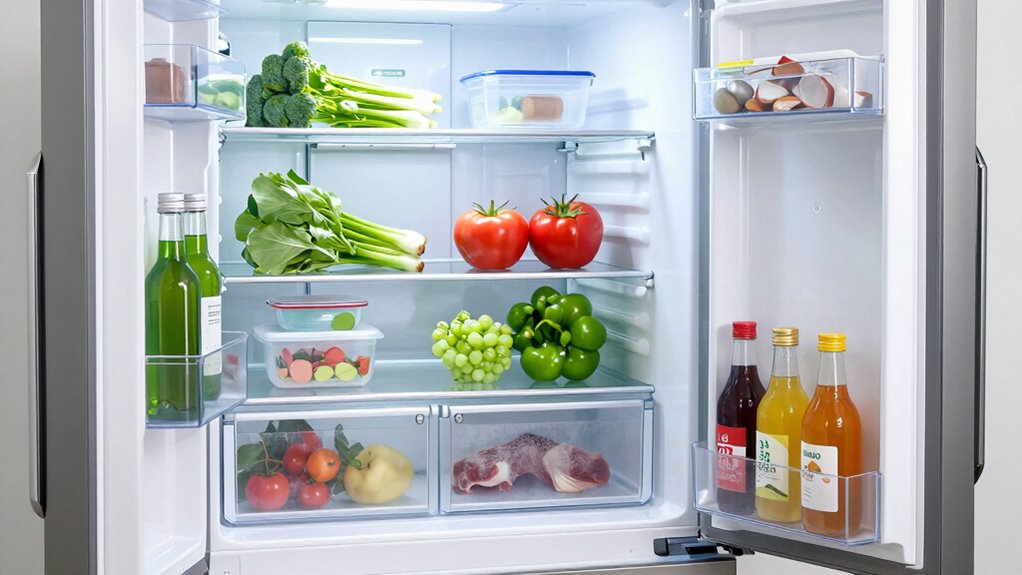
Understanding your fridge’s different zones is key to keeping your food fresh longer. Each zone is designed with specific temperature settings and humidity control to preserve different types of food. The main temperature zones typically include the door, shelves, and crisper drawers. The door is warmer, making it ideal for condiments and beverages, while the shelves are cooler for leftovers and cooked foods. Humidity control plays a crucial role too; high humidity areas keep leafy greens fresh, while low humidity zones help prevent moisture buildup on certain produce. By understanding these zones, you can store each item in its suitable environment, slowing spoilage and maintaining quality. Properly utilizing temperature zones and humidity control ensures your food stays fresher, longer, and reduces waste.

Stackable Refrigerator Organizer Bins, 6 Pack Clear Kitchen Organizer Container Bins with Handles and 20 PCS Plastic Bags for Pantry, Cabinets, Shelves, Drawer, Freezer – Food Safe, BPA Free 10"L
【STACKABLE DESIGN】The lifting feet at the bottom of each freezer organizer bin can be stacked, stacked, or side…
As an affiliate, we earn on qualifying purchases.
As an affiliate, we earn on qualifying purchases.
Using Crisper Drawers to Keep Fruits and Veggies Crisp
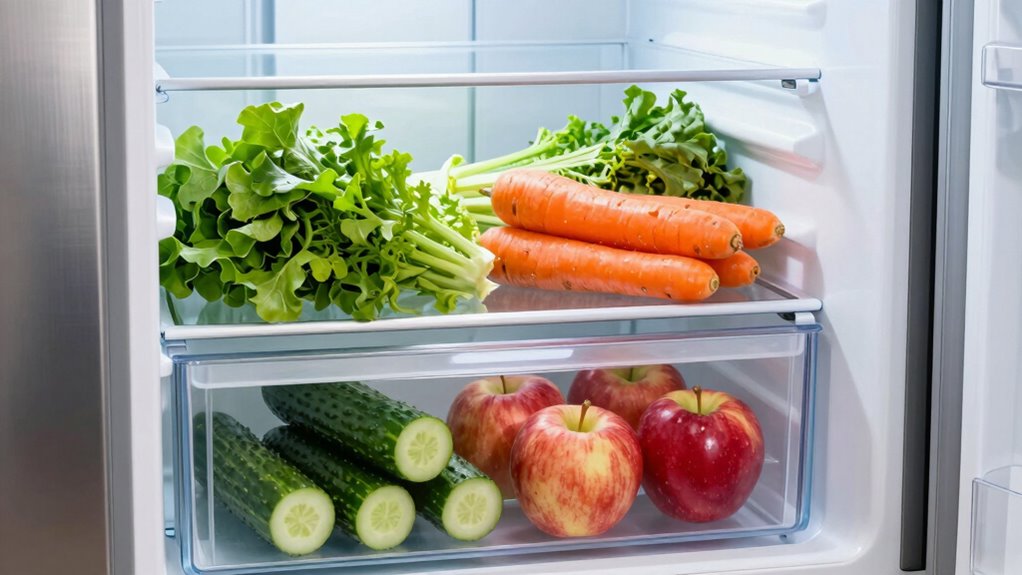
Crisper drawers are essential for keeping fruits and vegetables fresh because they provide a controlled environment with adjustable humidity levels. By setting the humidity correctly, you can slow down fruit ripening and extend veggie longevity. High humidity helps keep produce moist, preventing wilting and drying out, while low humidity is better for items like apples and grapes that tend to mold or rot quickly. To maximize freshness, store fruits and vegetables separately, as some produce releases ethylene gas that can hasten ripening. Using your crisper drawers wisely guarantees your produce stays crisp longer and retains nutrients. Adjust the humidity settings based on what you store, and regularly check your drawers to keep your fruits and veggies at their freshest, longest-lasting best. Proper produce storage can significantly reduce food waste and keep your healthy choices crisp and delicious. Additionally, understanding humidity control can help you fine-tune your refrigerator settings for optimal preservation. Mastering refrigerator humidity settings allows you to customize storage conditions for different produce types, ensuring maximum freshness. For optimal results, consider the air circulation within your fridge, as good airflow prevents moisture buildup and spoilage.

2 Pack Refrigerator Thermometer, 30-30°C/20-80°F, Classic Fridge Thermometer Large Dial with Red Indicator Thermometer for Freezer Refrigerator Cooler
Convenient and practical: Our refrigerator thermometer is suitable for traditional refrigerators, freezers, insulated boxes, etc. It has a…
As an affiliate, we earn on qualifying purchases.
As an affiliate, we earn on qualifying purchases.
Where to Store Dairy and Leftovers for Maximum Freshness
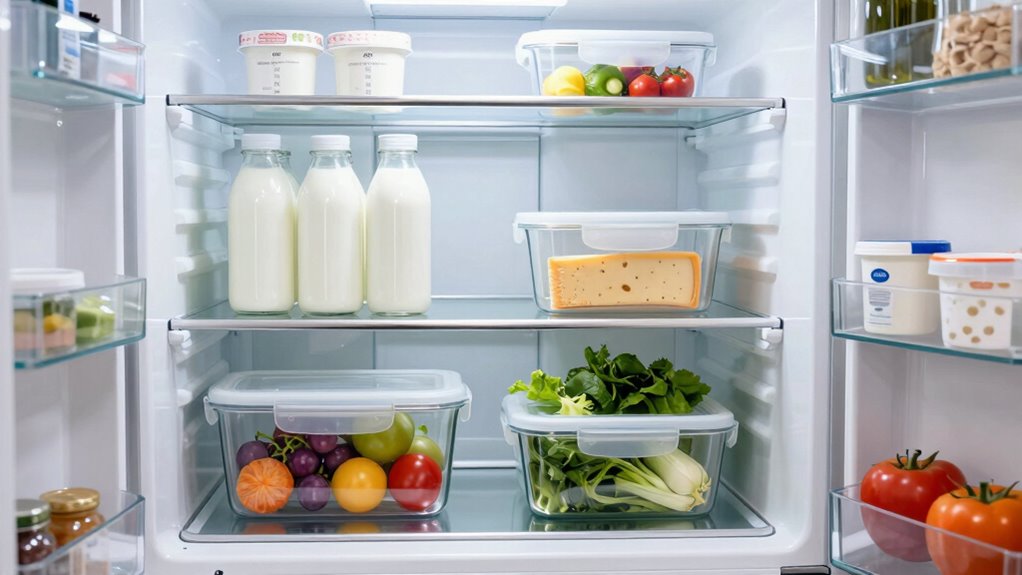
Ever wonder where to store dairy and leftovers so they stay fresh longer? The key is to keep dairy items in the coldest part of your fridge, usually the back of the middle shelf. Follow dairy storage tips by ensuring containers are sealed tightly to prevent spoilage and cross-contamination. For leftovers, use clear, airtight containers and implement leftover organization methods to keep track of what’s inside. Label leftovers with dates to avoid keeping them too long. Place these containers on a dedicated shelf away from raw meat or produce to prevent odor transfer. Keeping dairy and leftovers properly stored helps extend their freshness and reduces waste. Prioritize a consistent temperature and organized placement to make sure your food stays safe and flavorful longer. Additionally, maintaining a clean refrigerator can help prevent microplastic accumulation from dust and debris that might contaminate stored food.

52 PCS Food Storage Containers with Lids Airtight (26 Lids & 26 Containers)- Reusable Plastic Leakproof Meal-Prep Container for Kitchen Storage Organization Microwave/Dishwasher Safe with Labels & Pen
BPA-Free & Microwave & Freezer Safe: Made from upgraded food-grade plastic, our food storage containers are 100% BPA-free…
As an affiliate, we earn on qualifying purchases.
As an affiliate, we earn on qualifying purchases.
Simple Tips to Organize Your Fridge for Longer-Lasting Food
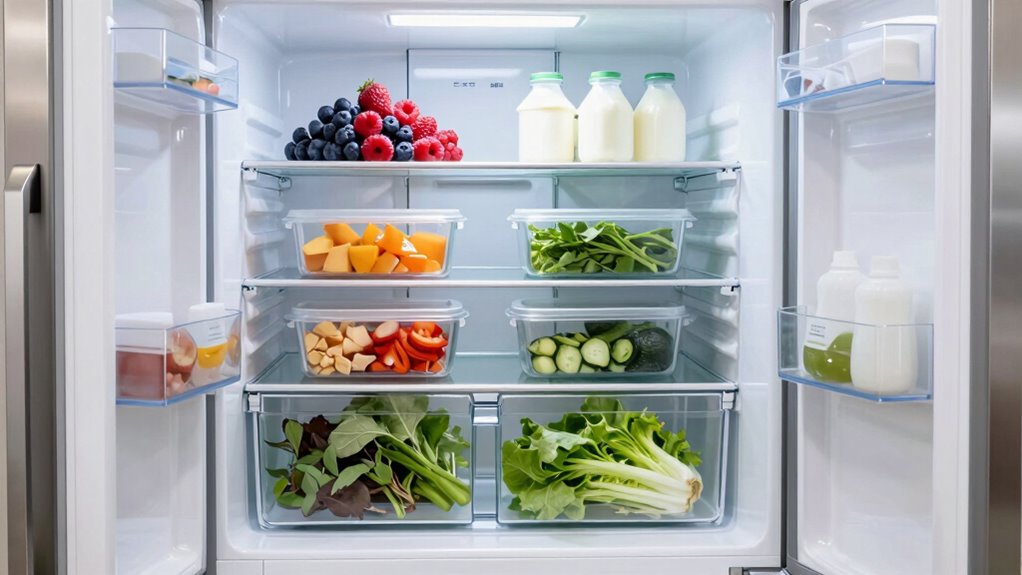
Organizing your fridge effectively can make a big difference in keeping food fresh longer. Start by setting the right temperature control, ideally between 35°F and 38°F, to slow bacteria growth. Place perishable items like dairy and leftovers in the main body of the fridge, where temperature is most consistent. Use door storage for items like condiments and beverages, as this area experiences more temperature fluctuations. Keep raw meats on the bottom shelf to prevent drips onto other foods. Use clear containers to easily see what’s inside and prevent overcrowding, which restricts airflow and can cause uneven cooling. Regularly check and clean your fridge to maintain ideal conditions. Proper organization ensures proper temperature control and reduces spoilage, helping your food stay fresher longer. Additionally, incorporating temperature accuracy in your fridge setup ensures your cooling system maintains optimal conditions for food preservation. Ensuring that your fridge is well-maintained and free of water leaks can also prevent water damage and mold growth, which can compromise your food safety. Regularly inspecting your fridge for ventilation issues helps improve air circulation and maintain consistent temperatures, which is essential for food longevity. Furthermore, maintaining good ventilation within the fridge helps to circulate cold air evenly, preventing warm spots that could accelerate spoilage. Using smart temperature controls can also help monitor and adjust the fridge environment more precisely.
Common Mistakes When Storing Food in Your Fridge and How to Avoid Them
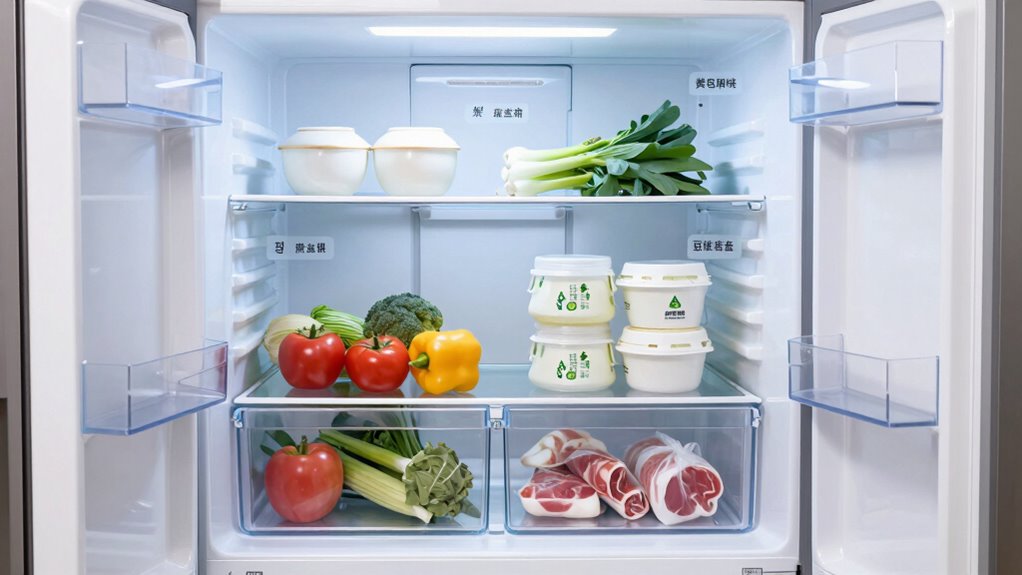
Many people make the mistake of overcrowding their fridge, which restricts airflow and prevents proper cooling. When items block air vents, temperature zones can fluctuate, leading to spoilage. For example, storing hot or warm foods in the wrong zone raises the temperature, risking bacteria growth. Additionally, neglecting proper freezer storage can cause freezer burn and uneven freezing, reducing food quality. Always keep heavier, less perishable items in the back or bottom shelves, where temperatures stay consistent. Use the designated zones for specific foods—dairy in colder areas and produce in crisper drawers. Avoid overstuffing the fridge to allow air to circulate freely. Properly managing temperature zones and freezer storage helps keep your food fresher longer and prevents waste. Understanding food safety is essential for maintaining proper storage practices and avoiding cross-contamination. Ensuring proper airflow within your fridge prevents temperature fluctuations that can compromise food freshness. Regularly organizing your fridge helps monitor storage zones and maintain optimal conditions for different food types, which is especially important for preventing cross-contamination. Additionally, maintaining clear pathways for air circulation can help keep temperature levels stable and extend the freshness of your perishables.
Frequently Asked Questions
How Do Temperature Fluctuations Affect Different Fridge Zones?
Temperature fluctuations can disrupt humidity control and airflow optimization in your fridge zones, causing food to spoil faster. When temperatures vary, humidity levels may drop or rise unexpectedly, affecting freshness. Properly managing airflow ensures even cooling, preventing hot spots. To keep food fresher longer, maintain consistent temperatures and avoid frequent door openings, which can cause fluctuations. This way, each zone stays optimized for specific foods, preserving their quality and extending shelf life.
Can Storing Certain Foods Together Cause Spoilage?
Storing certain foods together can cause spoilage faster than a domino effect toppling over! For food pairing and spoilage prevention, keep fruits away from vegetables, dairy away from raw meats, and eggs separate from strong-smelling foods. When you mix incompatible items, you risk cross-contamination that accelerates spoilage. Think of your fridge as a carefully curated art gallery—organized, balanced, and designed to keep everything fresh longer.
Are There Specific Foods That Shouldn’t Be Refrigerated at All?
You shouldn’t refrigerate certain foods, like tomatoes, bananas, and potatoes, because cold temperatures can ruin their texture and flavor. For fruit storage, keep berries and citrus in the fridge to prolong freshness, but avoid refrigerating melons and avocados until ripe. Dairy safety is vital; always store milk, cheese, and yogurt in the coldest fridge zone to prevent spoilage and guarantee they stay safe to eat longer.
How Often Should I Clean and Reorganize My Fridge Zones?
You should clean and reorganize your fridge at least once a month to maintain ideal fridge maintenance and guarantee proper shelf life management. Regularly check for spoiled or expired items, wipe down shelves with a damp cloth, and rearrange foods based on their freshness needs. This routine helps prevent cross-contamination, keeps your fridge smelling fresh, and extends the lifespan of your groceries. Staying consistent makes fridge upkeep simple and effective.
What Are the Signs That a Fridge Zone Is No Longer Effective?
You’ll notice a fridge zone isn’t effective if you see shelf condensation or persistent odor buildup. Condensation indicates temperature issues, making food spoil faster. Odor buildup suggests bacteria or mold growth, which can spread and spoil other items. If these signs appear, it’s time to clean the zone thoroughly, check the temperature settings, and reorganize your fridge to guarantee each zone stays ideal for food preservation.
Conclusion
Think of your fridge as a well-tuned orchestra, with each zone playing its part to keep your food fresh and vibrant. By understanding and respecting these zones, you’re the conductor guiding every note to harmony. When you organize wisely, you’re not just storing food—you’re nurturing a symphony of flavors that lasts longer. Embrace these secrets, and let your fridge become a sanctuary where freshness and taste always strike the perfect chord.