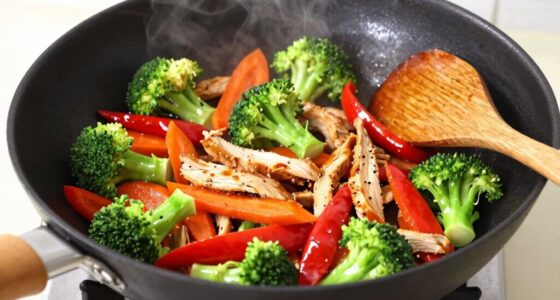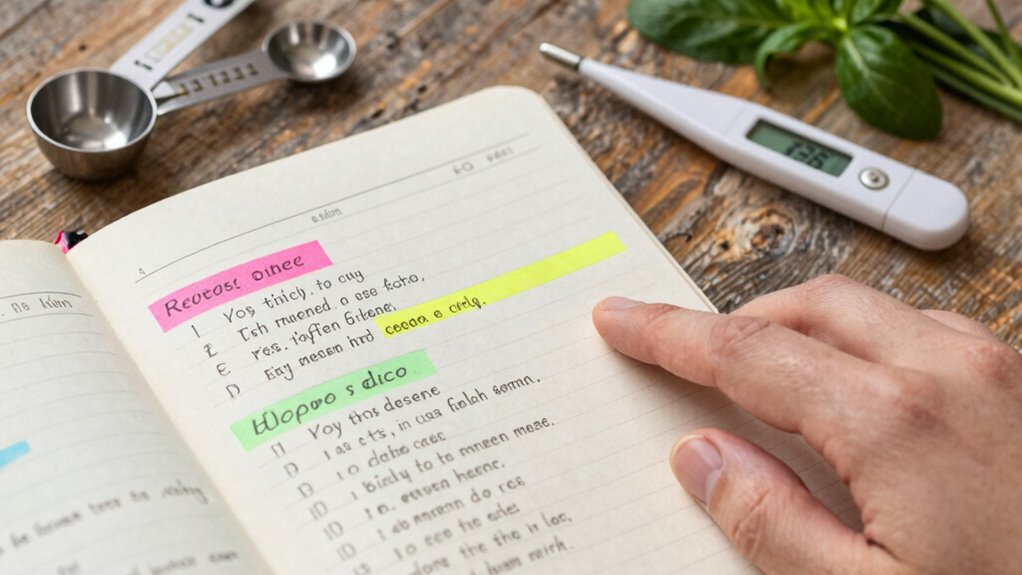

To read a recipe like a pro, start by reviewing the entire recipe to understand the process. Focus on the ingredients list and note key measurements and substitutions. Pay close attention to step-by-step instructions, cooking times, and temperatures. Familiarize yourself with common cooking terms to avoid confusion. Keep in mind that careful attention helps prevent mistakes and saves time. If you keep these tips in mind, you’ll master the art of following recipes effectively.
Key Takeaways
- Carefully review the entire recipe, including ingredients, instructions, and notes, before starting to understand the full process.
- Highlight or note critical steps, timings, and measurements to ensure proper execution and prevent omissions.
- Familiarize yourself with cooking terms and abbreviations to follow instructions accurately and confidently.
- Organize ingredients and tools beforehand to streamline the process and avoid last-minute confusion.
- Read instructions slowly, paying attention to sequencing, substitutions, and special notes to cook effectively and adapt as needed.

Air Fryer Cheat Sheet Magnets Cooking Guide Booklet – Air Fryer Cookbooks – Air Fryer Liners – Air Fryers Kitchen Gifts Gadgets 2026 – Air Fryer Accessories Cooking Guide – Valentine Gifts for Women
Master Air Frying with All-in-One Air Fryer Cookbook Guide. Featuring 120+ foods across 5 helpful categories, this air…
As an affiliate, we earn on qualifying purchases.
As an affiliate, we earn on qualifying purchases.
Why Reading a Recipe Carefully Saves You Time and Waste
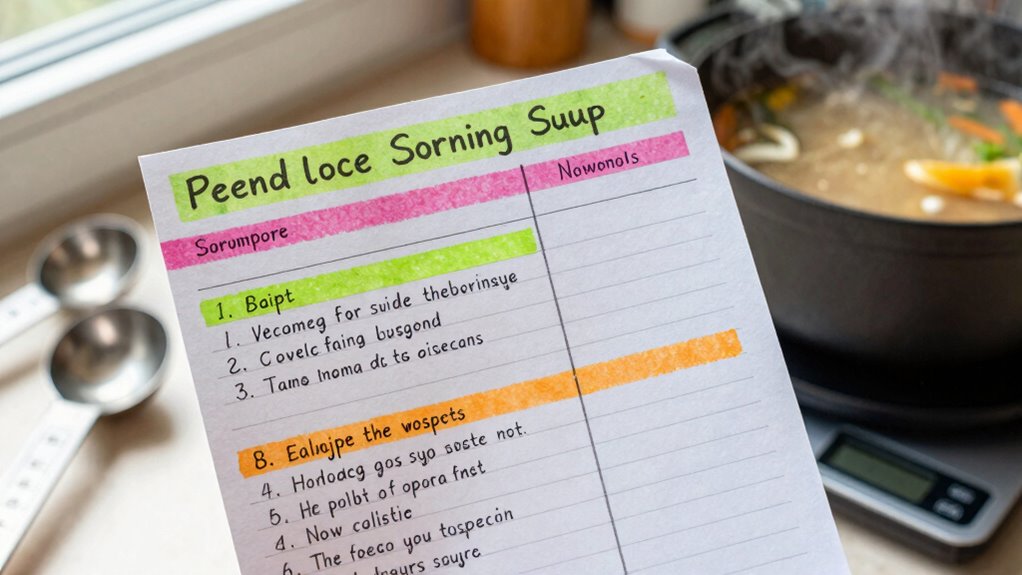
Have you ever started cooking a recipe only to realize halfway through that you missed an important step or ran out of an ingredient? Reading a recipe carefully helps you avoid this chaos. It allows you to plan ahead, check the cooking timeline, and prepare ingredient substitutions if needed. When you understand each step in advance, you can gather everything you need, saving time and reducing waste. Skipping this step might lead to rushing or improvising, which can compromise the dish’s quality. Plus, knowing the full process prevents surprises that could delay your meal. Taking the time to read thoroughly guarantees you stay organized, stick to the timeline, and make smarter ingredient choices—making your cooking smoother, faster, and more enjoyable. Additionally, understanding the importance of following the correct sequence ensures that every step builds on the previous one for optimal results. Recognizing the role of precise measurements also contributes to achieving consistent, high-quality outcomes in your cooking.
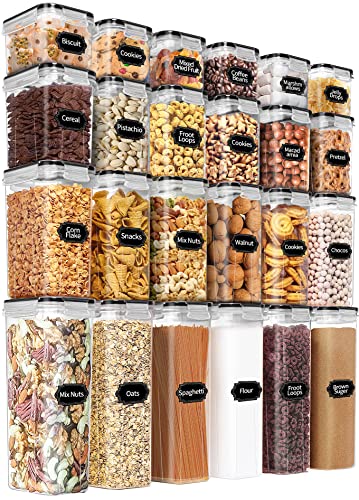
PRAKI Airtight Food Storage Containers Set with Lids – 24 PCS, BPA Free Kitchen and Pantry Organization, Plastic Leak-proof Canisters for Cereal Flour & Sugar – Labels & Marker
Bundle Set: This kitchen & pantry organizers and storage set comes with 24 containers, they are inlaid together,…
As an affiliate, we earn on qualifying purchases.
As an affiliate, we earn on qualifying purchases.
What Are the Main Parts of a Recipe?
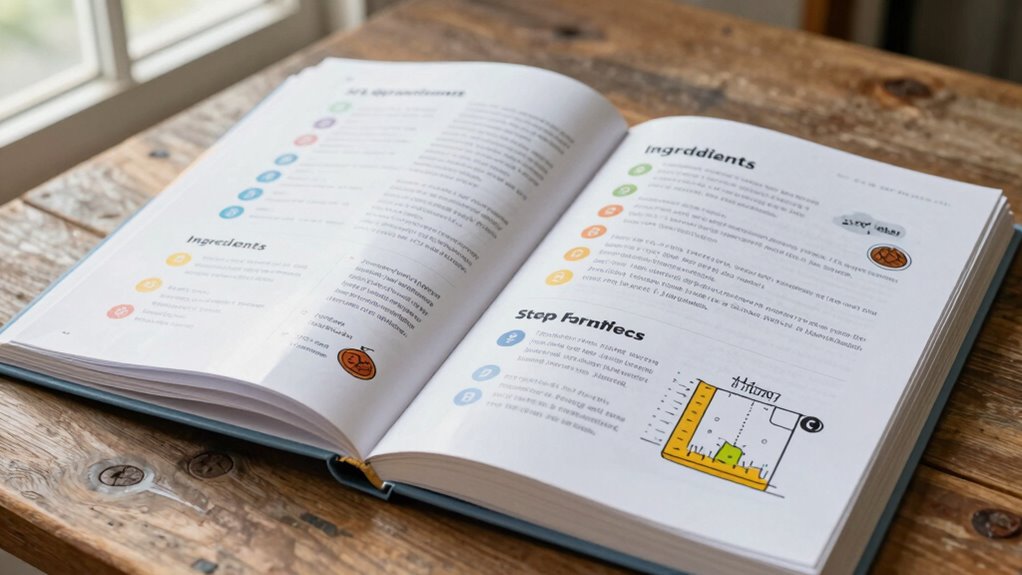
Understanding the main parts of a recipe helps you cook confidently. The ingredients list shows what you need, while the step-by-step instructions guide you through each stage. Paying attention to both guarantees your dish turns out just right. Recognizing how each part contributes to a balanced process can also prevent burnout and promote work-life harmony in your cooking routine. Additionally, being familiar with recipe structure can help you adapt or troubleshoot recipes more effectively.
Ingredients List Clarity
A clear ingredients list is essential for successfully following a recipe. You want ingredient organization to be straightforward, so you can gather everything without confusion. Labels should be easy to read, with clear measurements and descriptions. Look for a list that groups ingredients logically—like all the spices together or liquids in one section—so you don’t skip or overlook anything. Proper label clarity helps you quickly identify ingredients and their amounts, saving you time and preventing mistakes. If the list is cluttered or ambiguous, you might use the wrong item or measurement, ruining your dish. A well-organized, clearly labeled ingredients list keeps your cooking smooth and stress-free, ensuring you have everything you need before you start. Additionally, understanding the evolving language of the internet can help you interpret recipes and cooking tips shared online more effectively. Paying attention to ingredient sequencing can also improve your efficiency and accuracy during cooking. Recognizing common cooking terminology is equally important for understanding recipe instructions clearly. Moreover, knowing how to estimate yardage for yarn can be useful when preparing to make knitted dishes or decorative items related to cooking themes. Developing an understanding of support breakfast options can also inspire you to experiment with new breakfast recipes or incorporate local ingredients into your morning meals.
Step-by-Step Instructions
What are the main parts of a recipe’s step-by-step instructions? They guide you through preparing a dish clearly and efficiently. Look for these key elements:
- Precise cooking times and temperatures
- Clear action verbs like “chop,” “simmer,” or “bake”
- Notes on ingredient substitutions for dietary needs or preferences
- Tips on plating techniques to enhance presentation
- Reminders to taste and adjust seasoning as needed
- Proper formatting of instructions to ensure clarity and ease of following steps
Pay attention to these details to avoid missing important steps. Incorporate ingredient substitutions smoothly, and follow plating techniques to make your dish look professional. Recognizing the structure of recipe instructions can improve your ability to follow or create recipes effectively. Understanding the fundamentals of recipe reading helps you cook confidently and adapt recipes to your style or ingredients on hand. Having a clear recipe layout also assists in identifying key steps and avoiding confusion during cooking. Being aware of the importance of detailed instructions ensures accuracy and consistency in your culinary results. Accurate instructions ensure your dish turns out just right every time.
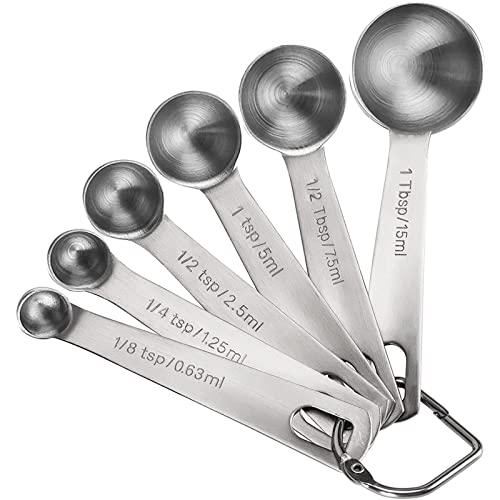
Measuring Spoons, Premium Heavy Duty Stainless Steel Measuring Spoons Cups Set, Small Tablespoon with Metric and US Measurements, Set of 6 for Measuring Dry and Liquid Ingredients
GUARANTEE SAFE FOR COOKING: Are you worried about silicone and plastic tools not safe for cooking? Protect your…
As an affiliate, we earn on qualifying purchases.
As an affiliate, we earn on qualifying purchases.
How to Identify Key Ingredients and Their Roles
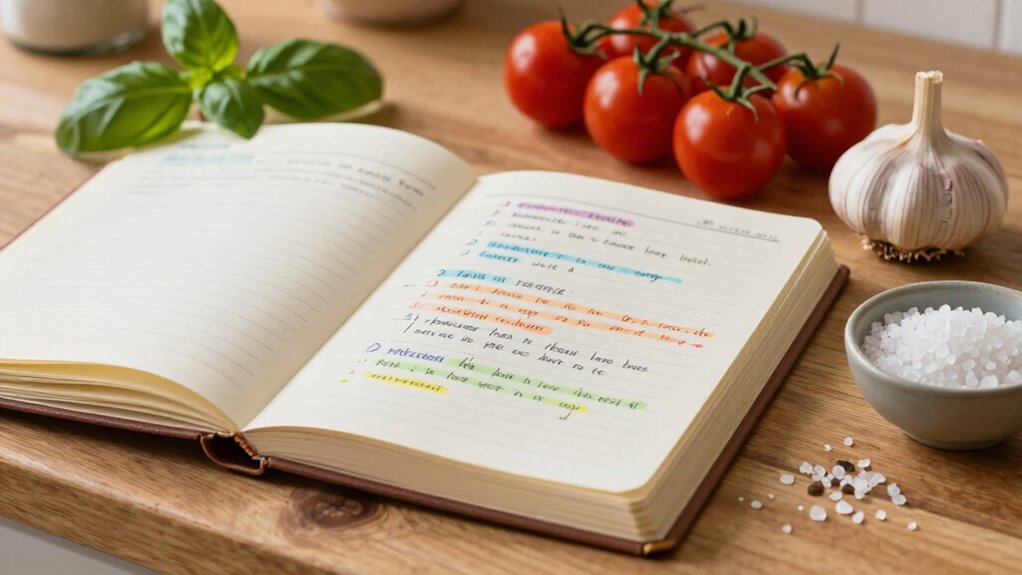
Have you ever wondered how to tell which ingredients are truly essential in a recipe? Key ingredients are the backbone that define the dish’s flavor and texture. Look for staples like spices, main proteins, and unique flavorings that can’t easily be replaced without changing the dish. When considering ingredient substitutions, think about how they’ll affect flavor balancing. For example, swapping a sweetener or spice might alter the overall taste, so choose replacements that maintain harmony. Recognizing these vital components helps you understand what’s flexible and what’s fundamental. By identifying the key ingredients and their roles, you gain control over the recipe, making it easier to adapt or troubleshoot as needed. This skill ensures your dishes turn out just right every time.

The Nurse's Anatomy, Physiology and Pathophysiology Glossary: Over 2000 essential terms and their pronunciation
As an affiliate, we earn on qualifying purchases.
As an affiliate, we earn on qualifying purchases.
How to Read Cooking Instructions Clearly and Confidently
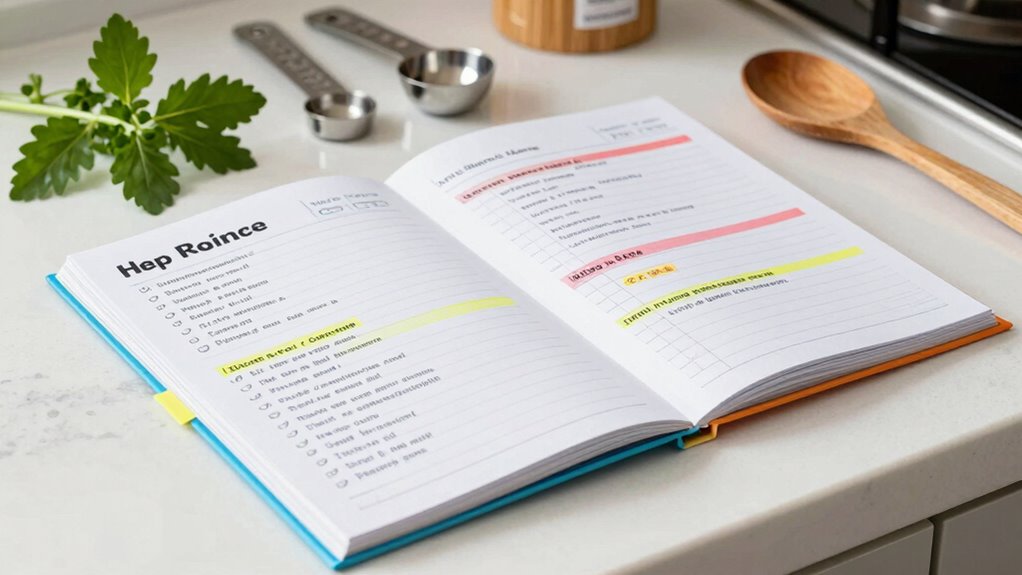
To read cooking instructions clearly, start by understanding common cooking terms so you know exactly what each step requires. Make sure to follow the steps in the correct order to avoid confusion or mistakes. When you clarify these points, you’ll feel more confident and prepared to cook successfully. Additionally, maintaining emotional well-being can help you stay patient and focused while following complex recipes. Being aware of precise measurements ensures your dish turns out as intended, preventing mishaps caused by incorrect ingredient quantities. Paying attention to specific cooking techniques can also improve your understanding of the instructions and result in better dishes. Recognizing the outdoor living and design aspects of your kitchen or dining space can also enhance your overall cooking experience and comfort. Moreover, understanding free floating concepts related to outdoor spaces can inspire you to create functional and inviting environments that complement your cooking and dining experiences.
Clarify Cooking Terms
Understanding cooking terms is essential for following recipes accurately. To do this, familiarize yourself with common culinary terminology and cooking abbreviations. Knowing what terms like “sauté,” “fold in,” or “baste” mean helps you execute each step confidently. When encountering unfamiliar words, consult the ingredient list or a cooking glossary. Remember, many recipes use abbreviations like “tsp,” “tbsp,” or “oz,” so grasping these ensures precise measurements. Here are some tips to clarify cooking terms:
- Look up unfamiliar culinary terminology online
- Keep a cooking abbreviations cheat sheet handy
- Read recipes fully before starting
- Pay attention to context clues within the instructions
- Practice recognizing key terms during cooking
Mastering these details keeps your cooking clear and stress-free.
Follow Step Sequence
Following the step-by-step order in a recipe is essential for successful cooking. It helps ensure your dish turns out as intended and prevents mistakes. Pay close attention to the sequence, especially when ingredients need to be added in a specific order. If you see cooking abbreviations like “mix,” “sauté,” or “bake,” make sure you understand what they mean before proceeding. Sometimes, ingredient substitutions are suggested; if needed, review them beforehand so you don’t miss vital steps. Staying organized and following instructions carefully keeps your cooking smooth and confident. Remember, skipping steps or rushing can compromise the dish. By sticking to the sequence and understanding abbreviations and substitutions, you’ll achieve better results and enjoy the process more. Proper technique is also key to mastering recipes and ensuring consistent quality with each try. Being aware of cooking terminology can help you interpret instructions more accurately and execute them properly.
What Critical Details Should You Look for (Measurements, Timing, Etc.)
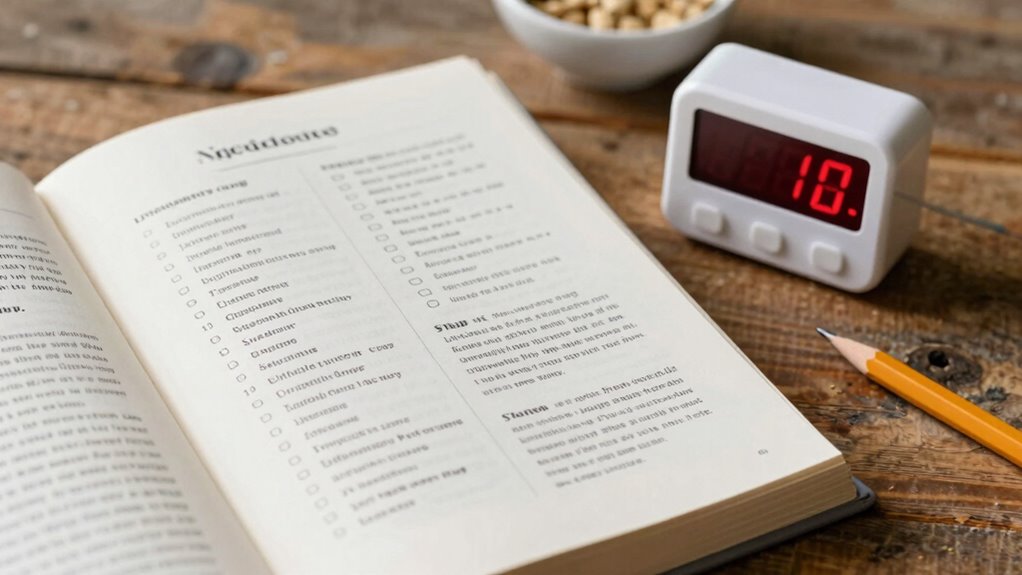
What are the most critical details to pay attention to when reading a recipe? Focus on measurement accuracy and timing importance. Precise measurements ensure your dish turns out just right, while timing helps prevent overcooking or undercooking. Look for specific details like:
- Exact ingredient quantities (teaspoons, grams, cups)
- Step-by-step timing instructions
- Temperature settings for baking or stovetop
- Precise cooking durations
- When to add ingredients during the process
How to Spot Essential Steps Versus Optional Tips
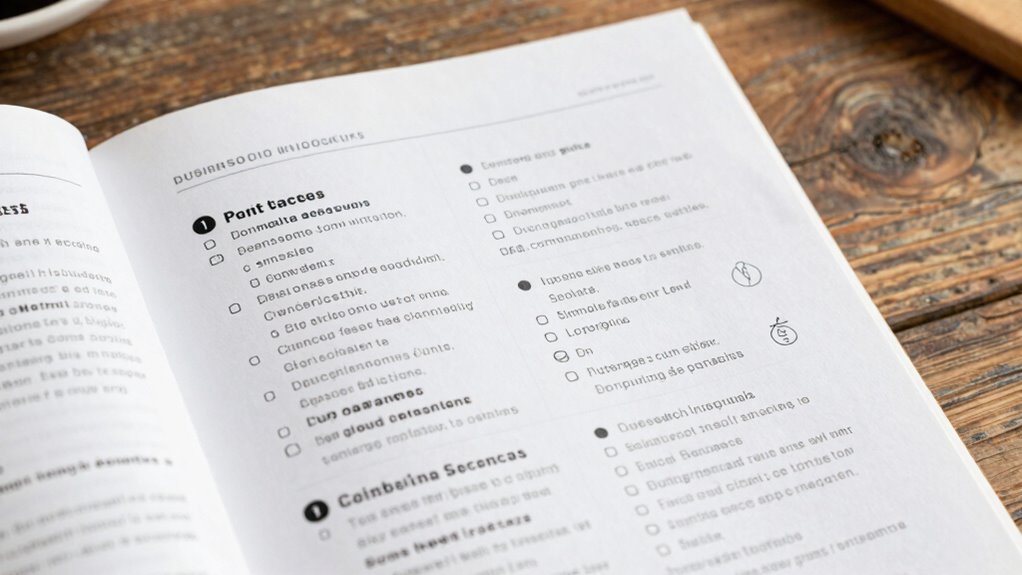
When reading a recipe, it’s important to distinguish between steps you must follow exactly and tips that are optional. Vital steps are usually clear instructions like measurements, cooking times, and specific techniques you can’t skip. Optional tips often include ingredient substitutions or suggestions for recipe customization, which give you flexibility to adapt the dish to your preferences or pantry. Look for phrases like “optional,” “you can,” or “suggests” to identify these. If a step seems crucial for the outcome—such as folding ingredients gently or preheating the oven—it’s essential. Conversely, if it offers alternative ingredients or ways to tweak flavor, it’s a tip. Recognizing the difference helps you focus on what’s indispensable for success versus what’s flexible.
How to Understand Common Cooking Terms and Jargon
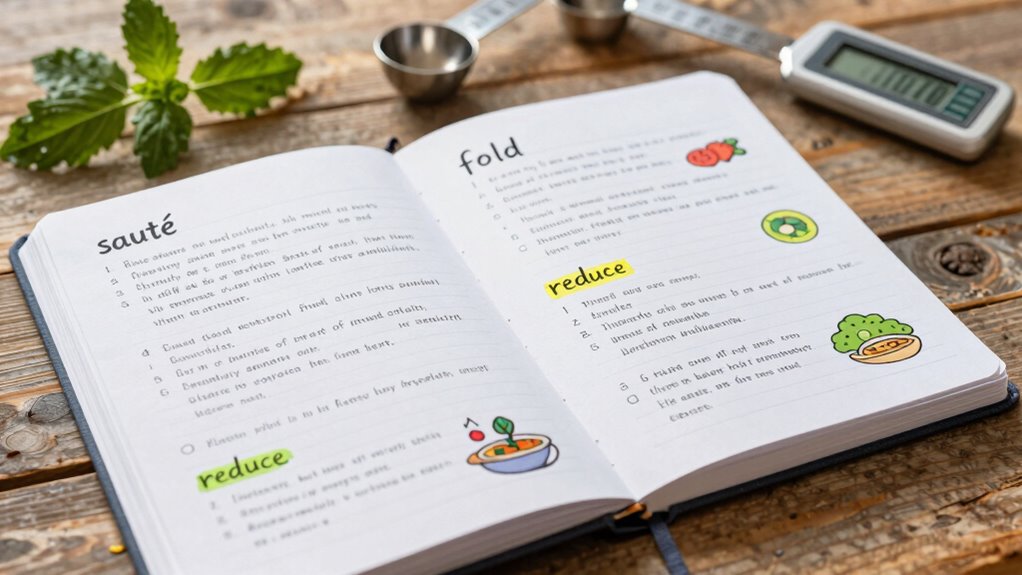
Understanding common cooking terms and jargon can seem intimidating at first, but familiarizing yourself with key words makes following recipes much easier. Learning culinary slang and cooking abbreviations helps you decode instructions quickly. For example, knowing that “sauté” means to cook in a small amount of fat or that “minced” refers to chopping into tiny pieces saves confusion. Here are some common terms to know:
Familiarizing yourself with key cooking terms simplifies recipes and boosts confidence.
- Blanch: briefly boiling then plunging into cold water
- Simmer: cook just below boiling point
- Fold: gently combine ingredients without deflating
- Julienne: cut into thin matchstick strips
- Reduce: cook to evaporate liquid and concentrate flavors
Mastering these terms improves your confidence and ensures you follow recipes accurately.
How to Adjust Recipes for Dietary Needs or Servings
Adjusting recipes to suit dietary needs or change serving sizes is straightforward once you understand how to scale ingredients and modify components. To accommodate dietary restrictions, you can substitute ingredients—like swapping out dairy for plant-based alternatives or gluten-containing grains for gluten-free ones. When adjusting portion sizes, simply multiply or divide each ingredient based on the new number of servings. Keep in mind that some substitutions may affect texture or flavor, so taste-test and tweak as needed. For example, reducing sugar might require adding a pinch more salt or spices to maintain flavor. Understanding pinball machine weight can also guide you in selecting the right equipment for your space or setup. By understanding how to substitute ingredients and adjust portion sizes, you can tailor recipes to fit your dietary needs without sacrificing taste or quality.
What Are Common Mistakes When Reading Recipes and How to Avoid Them
One common mistake is using inconsistent measurements, which can throw off your entire dish. Skipping critical details in the recipe can lead to confusion or mistakes during cooking. To avoid these issues, read carefully and follow each step precisely for better accuracy. Additionally, understanding the security measures associated with kitchen appliances or tools can help you better interpret the safety instructions and settings in recipes that involve cooking appliances with variable settings.
Inconsistent Measurements
Have you ever added too much flour because the recipe called for “cups,” but you weren’t sure if it meant liquid or dry measurement? Inconsistent measurements can lead to failed dishes. To avoid this, understand the importance of measurement accuracy and proper unit conversions. Small variances in ingredient amounts can substantially impact your results. Keep in mind:
- Use the right measuring tools for dry or liquid ingredients
- Be consistent with your measuring techniques
- Convert units carefully when adapting recipes
- Avoid packing ingredients tightly unless specified
- Check if the recipe specifies weight or volume measurements
Skipping Critical Details
Missing critical details in a recipe can easily lead to mishaps in the kitchen. Ingredient distractions and formatting pitfalls often cause overlooked steps or misunderstood instructions. You might skim past important notes, missing nuances like prep times or specific techniques. This oversight can result in uneven cooking or flavor imbalance. To avoid this, pay close attention to details that stand out or seem secondary. Here’s a quick reminder:
| Common Mistakes | How to Avoid Them |
|---|---|
| Ignoring ingredient notes | Read all instructions carefully |
| Overlooking timing details | Check cooking and resting times |
| Missing formatting cues | Follow section headers and bullet points |
Stay alert, and don’t let formatting pitfalls or distractions trip you up.
Practice Tips to Become a Confident Recipe Reader
To become a confident recipe reader, practice is key. The more you engage with recipes, the better you’ll understand ingredient substitutions and kitchen safety. Start by reviewing recipes thoroughly before cooking, noting any unfamiliar terms or techniques. Practice reading different recipe formats to build familiarity. Experiment with ingredient substitutions confidently, understanding how they affect flavor and texture. Always prioritize kitchen safety by checking for proper equipment and safe handling instructions. To sharpen your skills, consider:
- Reading recipes aloud to catch overlooked details
- Comparing multiple recipes for the same dish
- Planning your ingredients and prep work beforehand
- Asking questions or researching unfamiliar terms
- Practicing substitutions to adapt recipes confidently
Regular practice helps you interpret recipes accurately, ensuring successful and safe cooking every time.
Frequently Asked Questions
How Can I Interpret Ambiguous or Unclear Recipe Instructions?
When you encounter ambiguous or unclear instructions, look for context clues in the recipe. These cues can help you infer what’s meant, like similar phrasing or ingredient descriptions. Also, pay attention to instructional cues, such as “until golden” or “stir constantly,” which guide your actions. If still unsure, don’t hesitate to consult a trusted source or recipe community online—better to clarify than guess and risk a less-than-perfect dish.
What Should I Do if a Recipe’s Ingredient List Is Missing Quantities?
If a recipe’s ingredient list is missing quantities, don’t guess. Seek ingredient accuracy by consulting similar recipes or reliable sources online. Use substitution strategies carefully; for example, replace missing spices with common alternatives. If unsure, start with small amounts and adjust as needed. Remember, precise measurements help guarantee your dish turns out well, so take the time to verify or estimate ingredients rather than risking flavor imbalance.
How Do I Handle Unfamiliar Cooking Techniques in a Recipe?
When you encounter unfamiliar cooking techniques, start by researching the cooking terminology to understand the process. Visualize each step to get a clear idea of what’s involved, and look for videos or images online that demonstrate the technique. Don’t hesitate to ask questions or practice on a small scale. This approach helps you gain confidence and guarantees you execute the technique correctly, making your dish turn out great.
Can I Modify Recipes Without Compromising the Outcome?
Yes, you can modify recipes without spoiling the outcome. Focus on ingredient substitutions and flavor adjustments to suit your preferences or dietary needs. For example, swap dairy milk for plant-based alternatives or add herbs to enhance flavor. Keep in mind the balance of flavors and textures, and start by making small changes. Tasting as you go helps ensure your modifications complement the original recipe, resulting in a successful dish.
How Do I Identify the Most Reliable Recipes From Different Sources?
You identify the most reliable recipes by evaluating the source credibility and checking for detailed instructions, reviews, and ratings. Look for reputable websites, experienced chefs, or well-known cookbooks. Cross-reference multiple sources to spot consistent results. Trust recipes with positive feedback and clear, tested steps. This approach guarantees you select recipes proven to succeed, giving you confidence in your cooking and minimizing the risk of disappointment.
Conclusion
Mastering recipe reading is your secret recipe for success, turning kitchen chaos into culinary art. Like a seasoned chef reading a sacred scroll, you’ll reveal flavors and techniques others overlook. Remember, every ingredient and instruction is a clue—your key to confident cooking. With practice, you’ll navigate recipes as effortlessly as a poet reads between the lines, transforming simple instructions into a masterpiece. Embrace the journey, and let each dish tell its story.