
TL;DR
Open a free Amazon Business account
Business pricing, bulk buying and tax-exempt orders.
As an affiliate, we earn on qualifying purchases.
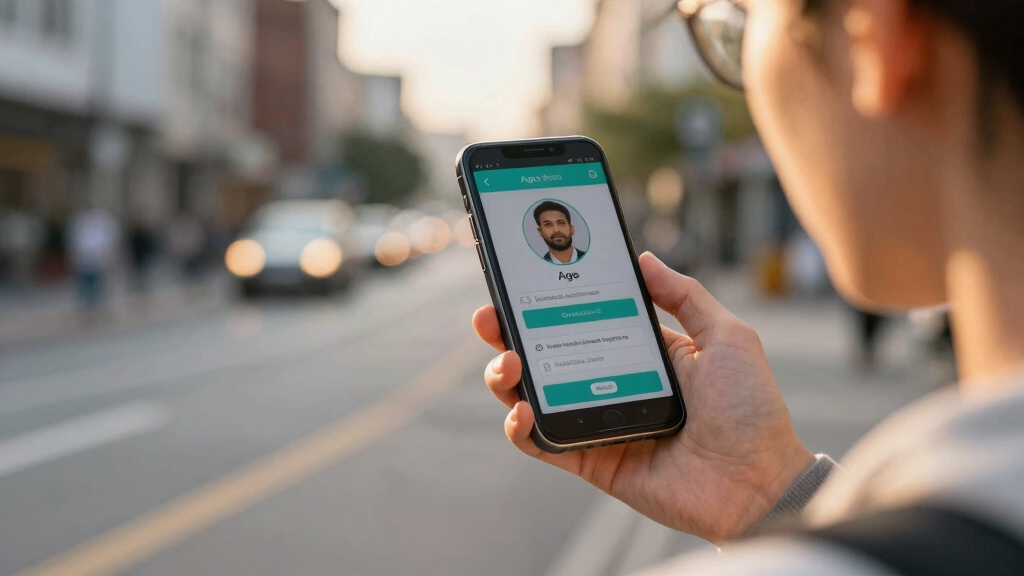
Many countries are implementing or proposing age verification measures for social media platforms, aiming to protect children but risking privacy and free speech. The measures often require identity verification, which could lead to increased government surveillance and censorship.
Multiple countries, including Australia, Indonesia, Brazil, and members of the European Union, have introduced or are planning to implement age verification measures for social media platforms, raising concerns about privacy invasion and potential government overreach.
Countries such as Australia, Indonesia, and Brazil have already enacted social media age restrictions for users under 16. In the European Union, the European Commission launched an EU-wide age verification app in April 2026, with plans for broader restrictions. In the United States, roughly half of all states have pending or enacted legislation to impose age restrictions on inappropriate content or social media use.
Most current age verification systems rely on identity verification, requiring users to provide personal identification documents. This approach has led to security breaches, such as the 2025 Discord hack exposing 70,000 users’ ID data. Experts warn that such systems threaten anonymity, potentially enabling government surveillance and censorship, and could be exploited for misuse.
Why It Matters
This development matters because it signals a shift toward increased government oversight and control over online spaces, potentially restricting freedom of expression and privacy rights. While aimed at protecting children, these measures could be used to monitor political dissent, suppress activism, and limit anonymous speech, especially in authoritarian contexts.
identity verification for social media
As an affiliate, we earn on qualifying purchases.
As an affiliate, we earn on qualifying purchases.
Background
Age verification initiatives have gained momentum over the past year, driven by legislation in various countries and EU-wide plans. Historically, social media platforms have known their users’ ages but have resisted government-mandated verification, citing privacy concerns. The push for identity-based age checks is part of a broader trend toward digital surveillance and control, with some countries already criminalizing online speech or conducting raids based on online activity.
“Implementing identity verification for social media fundamentally erodes online anonymity and opens the door to pervasive government surveillance.”
— Privacy advocacy group spokesperson
“While protecting children is important, these measures risk creating a surveillance state where free expression is severely curtailed.”
— European digital rights expert
privacy-focused ID verification tools
As an affiliate, we earn on qualifying purchases.
As an affiliate, we earn on qualifying purchases.
What Remains Unclear
It remains unclear how effectively these identity verification systems will be implemented and enforced, and whether countries will use them primarily for child protection or broader surveillance. The long-term impact on privacy rights and free expression is still being debated, with some experts warning of a possible slide toward authoritarian control.
secure digital identity verification
As an affiliate, we earn on qualifying purchases.
As an affiliate, we earn on qualifying purchases.
What’s Next
Next steps include the rollout of EU-wide verification apps, the passage of legislation in additional countries, and ongoing legal and technical debates over privacy safeguards. Monitoring how social media platforms adapt to these requirements and how governments enforce them will be critical in the coming months.
anonymous social media login alternatives
As an affiliate, we earn on qualifying purchases.
As an affiliate, we earn on qualifying purchases.
Key Questions
Will age verification completely eliminate anonymous online activity?
Most likely, yes. Identity verification requires users to provide personal information, which would eliminate anonymous participation on social media platforms.
Could these measures be used for government censorship?
Yes. The collection of personal data and the potential for government access could enable censorship, suppression of dissent, and political repression, especially in authoritarian regimes.
Are there alternatives to identity-based age verification?
Some emerging technologies, like Zero-Knowledge Proofs, aim to verify age without revealing identity details, but these are not yet widely adopted or proven at scale.
What are the privacy risks involved?
Implementing strict identity verification increases risks of data breaches, government surveillance, and misuse of personal information, threatening online privacy and civil liberties.
Source: Hacker News
Flea & tick season Picks
flea and tick prevention
As an affiliate, we earn on qualifying purchases.