
TL;DR
Many adults spend over 7 hours daily on screens, often engaging in passive scrolling. Experts suggest intentional use, engaging in active activities like word puzzles, and fostering community to improve digital habits without quitting phones.
Experts are emphasizing that reducing passive, mindless screen time—often called doomscrolling—can be achieved without abandoning smartphones, through intentional use and engaging activities. This approach aims to improve mental well-being while still benefiting from digital connectivity.
Recent research highlights that the average UK adult spends approximately 7.5 hours daily on screens, a figure that includes phones, computers, gaming consoles, and TVs. While this has raised concerns about potential negative effects, experts clarify that not all screen time is harmful. The key factor is how individuals engage with their devices.
Psychologists such as Netta Weinstein distinguish between harmonious use—where users feel in control—and compulsive use, which can harm well-being. Strategies to improve digital habits include replacing passive scrolling with active pursuits like word puzzles, which enhance cognitive skills and reduce mindless consumption.
Research led by Prof Andrew Przybylski indicates that gaming’s impact on mental health depends largely on motivation. Playing intentionally for enjoyment can boost mood, whereas compulsive gaming driven by reward loops or FOMO may worsen mental health. Experts recommend regular self-checks to assess whether gaming or social media use aligns with personal goals.
Social platforms can foster connection and community, especially for marginalized groups or individuals experiencing loneliness. Experts suggest that these digital interactions can provide meaningful social support, which is vital given the high prevalence of loneliness and its health risks.
Why It Matters
This discussion is significant because it offers practical ways to improve mental health and well-being in an era of pervasive digital engagement. Instead of demonizing screen time, these strategies promote mindful, purposeful use, helping individuals maintain social connections and cognitive engagement while reducing passive consumption.

Digital Detox Daily Planner: A 90-Day Offline Journal to Break Phone Habits, Reconnect & Reclaim Time
As an affiliate, we earn on qualifying purchases.
As an affiliate, we earn on qualifying purchases.
Background
The concern over excessive screen time has grown as data shows adults spend significant hours daily on digital devices. While some activities like gaming and social media offer benefits, unintentional or compulsive use can lead to negative outcomes. Experts have long debated whether screen time is inherently harmful, emphasizing the importance of engagement quality rather than quantity.
This ongoing conversation aligns with broader mental health initiatives, recognizing that digital platforms can both support and undermine well-being depending on how they are used. Recent research underscores the importance of intentionality and active participation in digital activities.
“Play – whether that’s sport, board games or video games – is genuinely important. It can help lower cortisol while triggering dopamine and endorphin release, boosting mood and motivation.”
— Keza MacDonald, Guardian video games editor
“The reason you’re playing is the key factor. Motivation determines whether gaming improves or harms mental health.”
— Prof Andrew Przybylski, University of Oxford
“Technology can solve problems, but it also introduces new ones. How we relate to screens matters as much as the time spent.”
— Tanay Katiyar, PhD student, University of Cambridge

Brain Games – Scavenger Hunt Puzzles
As an affiliate, we earn on qualifying purchases.
As an affiliate, we earn on qualifying purchases.
What Remains Unclear
It remains unclear how effective specific interventions are across diverse populations and individual habits. More longitudinal research is needed to determine long-term impacts of these strategies.

399 Games, Puzzles & Trivia Challenges Specially Designed to Keep Your Brain Young.
- Variety of Brain-Boosting Challenges: Riddles, puzzles, and brainteasers
- Scientifically Designed: Based on research to enhance brain function
- Illustrated Cross-Training Book: Visually engaging activities to stimulate the brain
As an affiliate, we earn on qualifying purchases.
As an affiliate, we earn on qualifying purchases.
What’s Next
Experts plan to develop personalized digital well-being tools and further study the effectiveness of active engagement strategies. Public health campaigns may also promote mindful device use, emphasizing intentionality over restriction.
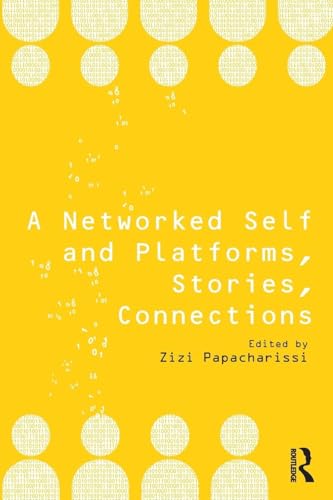
A Networked Self and Platforms, Stories, Connections
As an affiliate, we earn on qualifying purchases.
As an affiliate, we earn on qualifying purchases.
Key Questions
Yes, by setting boundaries, being intentional about your use, and focusing on meaningful interactions rather than passive scrolling, you can enjoy social media while supporting your well-being.
What are some effective activities to replace doomscrolling?
Engaging in active screen activities like word puzzles, language learning apps, or virtual social groups can improve cognitive skills and foster social connection without passive consumption.
How can I tell if my screen use is compulsive?
If you feel unable to stop or control your screen time, or if it causes distress or interferes with daily life, it may be compulsive. Self-checks and mindfulness can help assess your habits.
Are there tools to help manage screen time more effectively?
Yes, many smartphones offer built-in screen time tracking and app limit features. Additionally, third-party apps can help monitor and restrict usage to promote healthier habits.
Source: Guardian Life