
TL;DR

Get the latest gadgets delivered free — and shop member deals
- Fast, free delivery on millions of items
- Access to Prime Big Deal Days deals on October 6–7
- Prime Video, Amazon Music and more included
Starlink has announced price hikes across its satellite internet plans in the US, affecting residential and Roam packages. The increases coincide with network upgrades and expansion. The move raises questions about affordability and market competition.
Starlink has raised prices across its satellite internet plans in the US, with the cheapest 100Mbps residential plan increasing from $50 to $55 per month, according to reports from PCMag. The company cited ongoing network capacity expansion and coverage improvements as reasons for the price adjustments.
Starlink’s residential plans now cost $55 for 100Mbps, up from $50, and the 200Mbps plan has increased from $80 to $85 per month. The Residential Max plan rose from $120 to $130. Additionally, Standby Mode, which allows users to pause their service while maintaining unlimited low-speed data, now costs $10 per month, doubled from $5. The company’s Roam plans also saw increases: the 100GB plan went from $50 to $55, and the Unlimited plan from $165 to $175, while the 300GB Roam plan remains at $80 per month.
Why It Matters
This move impacts consumers in rural and underserved areas where Starlink is often the primary or sole high-speed internet option. The price hikes could influence affordability and accessibility, raising concerns about market competition and the potential for reduced consumer choice. Starlink’s expansion efforts aim to improve service quality, but the increases may also affect its competitiveness against traditional broadband providers.
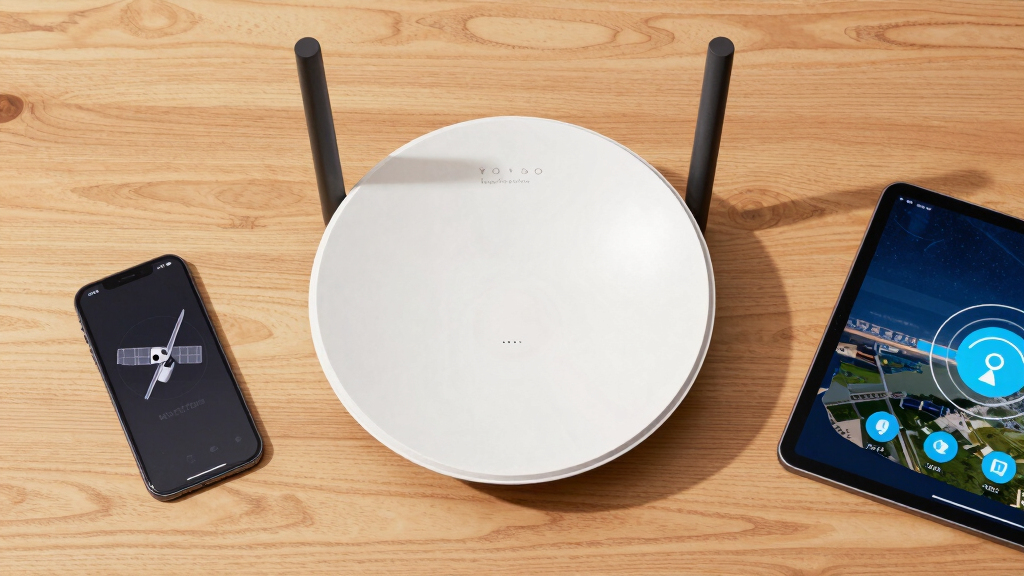
Starlink satellite internet router
As an affiliate, we earn on qualifying purchases.
As an affiliate, we earn on qualifying purchases.
Background
Starlink, operated by SpaceX, has become a key provider of satellite internet, especially in rural parts of the US where broadband options are limited. Last year, the company introduced a 12-month residential plan offering reduced equipment costs in select markets. Recently, Starlink has sought to influence FCC policy by urging the end of $4.5 billion in rural broadband subsidies, claiming satellite internet has addressed high-speed access issues. The price increase follows ongoing network upgrades intended to enhance coverage and reliability.
“In a message to customers, Starlink says the price increases come as the service is ‘rapidly increasing network capacity, expanding coverage, and improving reliability to deliver faster, more consistent connectivity for our customers.'”
— Starlink customer service
As an affiliate, we earn on qualifying purchases.
What Remains Unclear
It is not yet clear how widespread the impact will be on existing customers or whether similar increases will be implemented in other regions. Details about future pricing strategies or potential discounts remain undisclosed. The long-term effects on market competition and consumer choice are also still uncertain.
portable satellite Wi-Fi hotspot
As an affiliate, we earn on qualifying purchases.
As an affiliate, we earn on qualifying purchases.
What’s Next
Starlink is expected to continue expanding its network capacity and coverage, with further service improvements. The company may also adjust pricing strategies or introduce new plans. Regulatory responses, especially from the FCC and competitors, could influence future developments.
As an affiliate, we earn on qualifying purchases.
Key Questions
Why is Starlink raising its prices now?
Starlink cites ongoing network capacity expansion, coverage improvements, and reliability enhancements as reasons for the price increases.
How much have the prices increased?
The residential 100Mbps plan increased from $50 to $55, the 200Mbps plan from $80 to $85, and the Residential Max plan from $120 to $130. The Standby Mode fee doubled from $5 to $10. Roam plans also saw increases, with the 100GB plan from $50 to $55 and the Unlimited plan from $165 to $175.
Will existing customers see these new prices immediately?
It is not yet clear whether current subscribers will be transitioned to the new rates or if the increases apply only to new sign-ups.
Could this impact Starlink’s competitiveness?
Potentially, as higher prices may affect affordability, especially in rural areas where alternatives are limited. The company’s expansion efforts aim to improve service quality, but the price hikes could influence consumer choice.
Halloween Picks
halloween
As an affiliate, we earn on qualifying purchases.