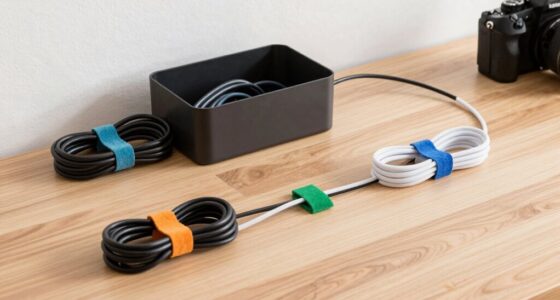
To reset your closet in one afternoon, start by evaluating your current wardrobe and setting clear goals, like creating space or refining your style. Gather supplies like bins, labels, and hangers, then empty your closet completely. Sort your clothes into keep, donate, or toss, then thoroughly clean the space. Organize your clothes by category, using storage solutions to keep everything tidy. Keep up with small habits, and you’re set—if you continue, you’ll learn how to maintain your fresh new closet efficiently.
Key Takeaways
- Set clear goals and plan your organization process to focus on space, style, or simplicity.
- Gather supplies like bins, labels, hangers, and containers to streamline sorting and storage.
- Empty your closet, then declutter by donating, tossing, or recycling unused or outdated items.
- Organize remaining clothes by category, season, and usage, using labels and space-saving folding techniques.
- Maintain your reset with quick weekly tidying, seasonal updates, and periodic reassessment for lasting order.

4 Pack Large Closet Storage Baskets for Shelves – 14×10 Heavy Duty Closet Shelf Organizer Bins with Handles & Labels – Decorative Collapsible Baskets for Organizing Living Room Bedroom Nursery Dorm
【VERSATILE & DECORATIVE】These collapsible storage baskets for shelves are a comprehensive storage and organization solution, perfect for organizing…
As an affiliate, we earn on qualifying purchases.
As an affiliate, we earn on qualifying purchases.
Evaluate Your Closet and Set Your Closet Reset Goals

Before you begin decluttering, it’s important to evaluate what’s currently in your closet and identify your goals. Take a good look at your wardrobe capsule—what pieces do you wear regularly, and which ones sit unused? Consider your ideal closet aesthetics: do you want a tidy, minimalist space or a more vibrant, expressive one? Setting clear goals helps you stay focused during the reset, whether it’s creating more space, simplifying your wardrobe, or curating pieces that truly reflect your style. Think about how you want your closet to look and function. This initial assessment guides your decisions, ensuring you only keep items that align with your vision and purpose, making the entire decluttering process more effective. Incorporating sound healing science principles can also help you stay relaxed and centered throughout your reset, supporting your mental clarity and decision-making process. Additionally, understanding the importance of visual organization can motivate you to create a system that enhances both accessibility and aesthetic appeal. Recognizing the benefits of intentional sorting can further streamline your decluttering efforts and set a clear path for ongoing maintenance. Embracing mindful decision-making during this process can also foster a more intentional and satisfying closet transformation.
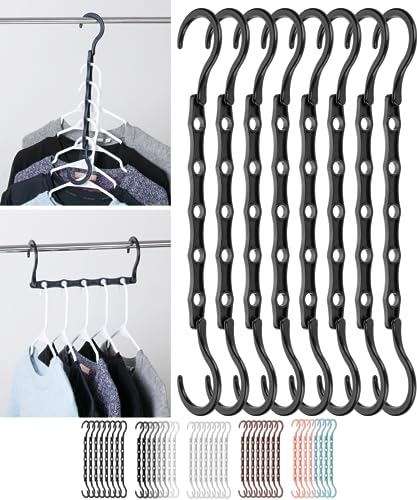
Mr. Pen- Space Saving Hangers, Black, 8 Pack, Clothes Organizers, Shirt Hangers, Magic Closet Space Savers
Package includes 8 space-saving hangers in black color. You can store multiple garments on a single magic hanger…
As an affiliate, we earn on qualifying purchases.
As an affiliate, we earn on qualifying purchases.
Gather Supplies and Decide on Your Sorting Method
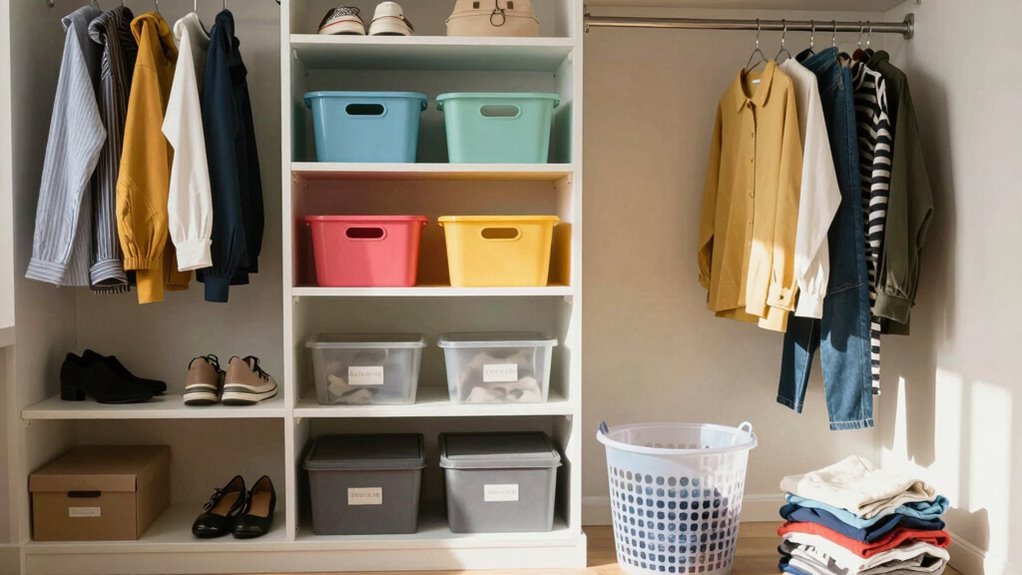
Start by gathering the supplies you’ll need, like bins, labels, and hanging organizers, to keep everything organized. Next, decide on your sorting categories—such as season, item type, or frequency of use—to streamline the process. Additionally, consider incorporating flexible organization principles to create a system that can adapt as your needs change. This approach helps accommodate seasonal shifts and other evolving storage requirements. To enhance your system’s effectiveness, you might also explore adaptive storage techniques that allow for future adjustments. Being aware of storage capacity can help you plan your space more efficiently. Finally, prepare your workspace so you can sort clothes efficiently without clutter or interruptions.
Gather Essential Supplies
Gathering the right supplies is essential to guarantee your closet reset goes smoothly. You’ll need sturdy storage containers to organize your clothes effectively and keep everything visible. Clear, labeled containers make it easy to identify items at a glance, saving time during your sorting process. Clothing labels are also helpful for marking categories or seasons, so you can quickly find what you need later. Consider using different sizes of containers for shoes, accessories, and out-of-season clothing. Don’t forget to have scissors, tape, and markers on hand to create labels and seal containers securely. Having these supplies ready assures your reset plan stays on track, making the process more efficient and less stressful. Proper DIY tool safety tips and the right supplies will help prevent accidents and make your project safer and more manageable. Using organizing supplies designed specifically for closets can further streamline your decluttering process. Additionally, choosing containers made from durable materials ensures longevity and repeated use over time. To optimize your organization, research storage container quality to select the best options for your needs. Being familiar with supportive caregiver resources can also help you manage the emotional stress that might come with decluttering. With everything prepared, you’re set to start decluttering confidently.
Choose Sorting Categories
Choosing the right sorting categories is a crucial step that will streamline your entire closet reset. As you prepare, consider how seasonal shift affects your wardrobe—separating winter and summer clothing makes sorting easier. Decide on categories that suit your style and needs, like by type (shirts, pants, dresses) or function (workwear, casual). Color coordination can help you quickly locate pieces and create a visually appealing organization. If you prefer a minimalist approach, sorting by color might be best; if you want quick access, categorizing by item type works well. Be consistent with your categories to avoid confusion later. Taking time to plan your sorting method now ensures you’ll have a tidy, functional closet after your reset. Additionally, understanding your wardrobe needs can help you select the most effective categories and maintain your organization long-term. Considering clothing lifecycle can also guide you in deciding what to keep, donate, or discard, making your reset more impactful. Being mindful of your storage space can further optimize your closet organization for easy access and reduced clutter. Incorporating a clear sorting strategy at this stage can save you time during the actual reset process, especially when you implement labeling methods to keep things organized.
Prepare Workspace Efficiently
Before diving into sorting, it’s essential to prepare your workspace to guarantee the process runs smoothly. Clear an area where you can spread out your clothes and supplies. Gather the necessary storage containers—bins, baskets, or boxes—that suit your space. Decide on a label system early on, whether using sticky labels, masking tape, or a label maker, so you can easily identify categories later. Keep markers or pens handy for labeling. Organize your tools nearby, like scissors or garbage bags, for quick access. This setup minimizes interruptions and keeps you focused. Incorporating ergonomics principles and clothing organization techniques can further help you categorize items efficiently and avoid clutter during your closet reset. Additionally, establishing a workflow that aligns with ergonomic principles can enhance your efficiency and comfort. A well-prepared workspace helps streamline your sorting process, making it easier to categorize items efficiently and avoid clutter during your closet reset. Additionally, considering cultural artifacts, such as Indonesian decor masks, can also be integrated into your space to add both aesthetic appeal and cultural significance, enhancing your overall environment.

Vtopmart 6 Pack Clear Stackable Storage Bins with Lids, Large Plastic Containers with Handle for Pantry Organizer and Storage,Perfect for Bathroom,Cabinet,Kitchen,Fridge,Closet Organization
✅Functional Storage for Any Space: You can use these pantry bins for various things throughout your home to…
As an affiliate, we earn on qualifying purchases.
As an affiliate, we earn on qualifying purchases.
Empty Your Closet and Categorize Your Clothes

To effectively reset your closet, start by emptying everything out so you can see exactly what you own. Sorting your clothes into categories helps you identify wardrobe essentials and seasonal clothing. Use four piles: keep, donate, toss, and unsure. This process reveals gaps in your wardrobe and highlights duplicates. Organizing your clothes into a table like this:
| Wardrobe Essentials | Seasonal Clothing |
|---|---|
| T-shirts, jeans, shoes | Winter coats, swimsuits |
This step clears space and sets the stage for a streamlined closet. Focusing on clothing organization and current seasonal needs ensures your wardrobe stays functional and manageable. Once sorted, you’ll find it easier to decide what stays and what goes, making your closet more functional and organized.
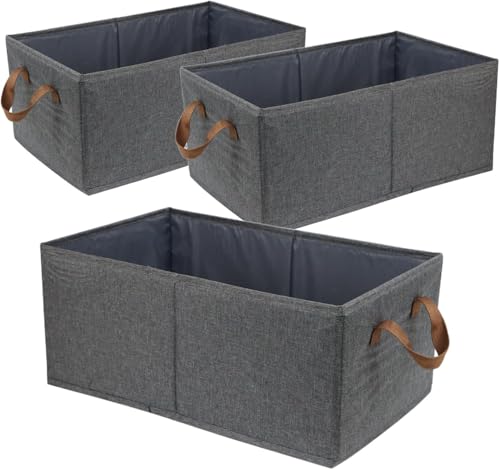
Fordonral Pack of 3 Large Capacity Storage Bins Closet Organizer System, Sturdy Foldable Storage Boxes for Organizing Clothing, Sheets, Toys, Books – Shelf Organizer Shelves Basket Storage Bin
These Fabric Storage Bins are crafted with high-quality cationic fabric materials, ensuring durability and longevity. Made from premium…
As an affiliate, we earn on qualifying purchases.
As an affiliate, we earn on qualifying purchases.
Decide What to Keep, Donate, or Toss
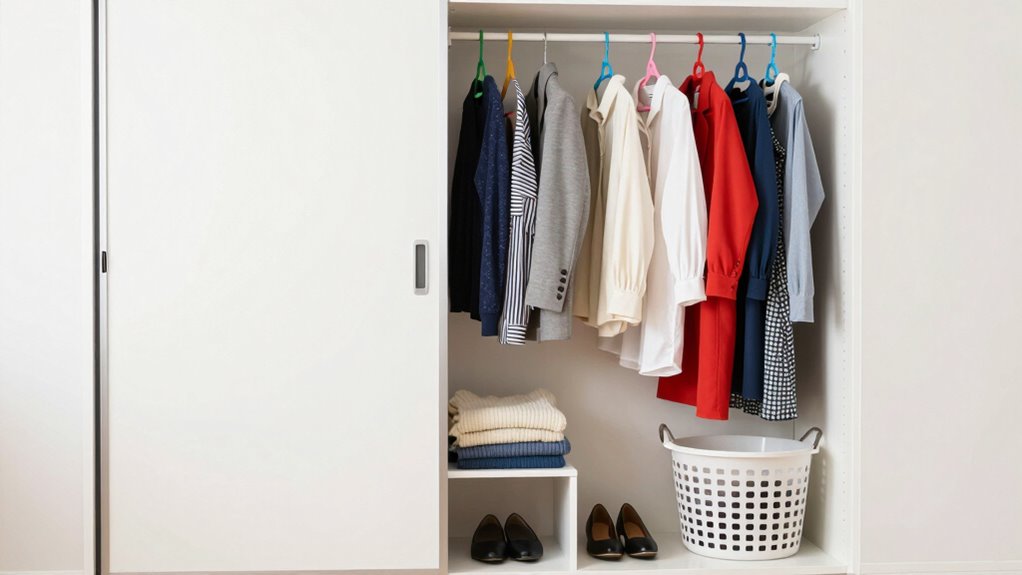
You need to assess your wardrobe and decide which items truly serve you. Set clear donation goals to stay motivated and focused. Finally, make honest choices about what to toss to free up space and simplify your closet.
Assess Your Wardrobe
Have you ever looked at your wardrobe and wondered which pieces truly belong there? Evaluating your clothes means sorting through your seasonal wardrobe and considering which items still fit your style and current fashion trends. Be honest about what you wear regularly and what’s been sitting untouched. Ask yourself if each piece still makes you feel confident and comfortable. If something no longer fits, feels outdated, or doesn’t align with your current style, it’s time to donate or toss it. Keep only what complements your wardrobe and suits your lifestyle now. This process helps declutter your closet, making it easier to see what you have and what you need. A clear, organized wardrobe inspires confidence and simplifies your daily outfit choices.
Set Donation Goals
Deciding what to keep, donate, or toss is a crucial step in your closet reset. Set clear donation goals to stay focused and motivated. Think about clothing recycling options—some items might be suitable for textile recycling programs if not fit for donation. As you sort, remember to track your donations to stay accountable and see your progress. Use a simple spreadsheet or app to record what you’re giving away, including estimated value or weight if you like. This tracking keeps you motivated and provides a sense of achievement. Setting specific goals, like donating a certain number of items or clearing a particular section, helps streamline your decision-making process. With your donation goals in mind, you’ll create a more functional, clutter-free wardrobe.
Make Tossing Decisions
As you start making tossing decisions, it’s important to evaluate each item honestly and efficiently. Look at clothing color—if it no longer suits your style or feels outdated, consider letting it go. Check fabric types; items made from fragile or uncomfortable materials that no longer serve you should be tossed or donated. Ask yourself if the clothing still fits, if you’ve worn it in the past year, or if it sparks joy. Be ruthless—if an item doesn’t meet these criteria, it’s time to part ways. Remember, keep only what you truly love, need, or look good in. Making quick, decisive choices will streamline your closet and make the rest of your reset smoother and more satisfying.
Deep Clean and Prepare Your Closet Space

Before you start reorganizing, it’s essential to give your closet a thorough deep clean. Remove everything from shelves, rods, and drawers, then dust and vacuum thoroughly. Wipe down surfaces to eliminate dust and musty smells. As you clean, consider clothing materials—some fabrics may be more sensitive to dust or humidity. Take this time to evaluate seasonal changes; store off-season items in bins or another storage area. This helps reduce clutter and makes it easier to access current wardrobe pieces. Check for any signs of mold or pests, and address these issues promptly. Deep cleaning your space creates a fresh foundation for your closet reset, ensuring your clothes stay in better condition and your space feels more organized and inviting.
Organize Your Clothes for Easy Access

To make your closet more functional, start by grouping similar clothing items together. This helps you find what you need quickly and keeps everything organized. First, sort your seasonal clothing so you’re only dealing with what’s relevant now. Next, organize your accessories, like belts, scarves, and jewelry, in dedicated compartments or containers. Finally, hang or fold items based on frequency of use—everyday pieces at eye level, less-used items higher or lower. This system reduces clutter and makes dressing effortless. Remember, clear categorization saves time and keeps your closet tidy. By focusing on seasonal clothing and accessory organization, you’ll create a streamlined space that’s easy to maintain and visually appealing.
Use Storage Solutions to Keep Shelves and Drawers Tidy
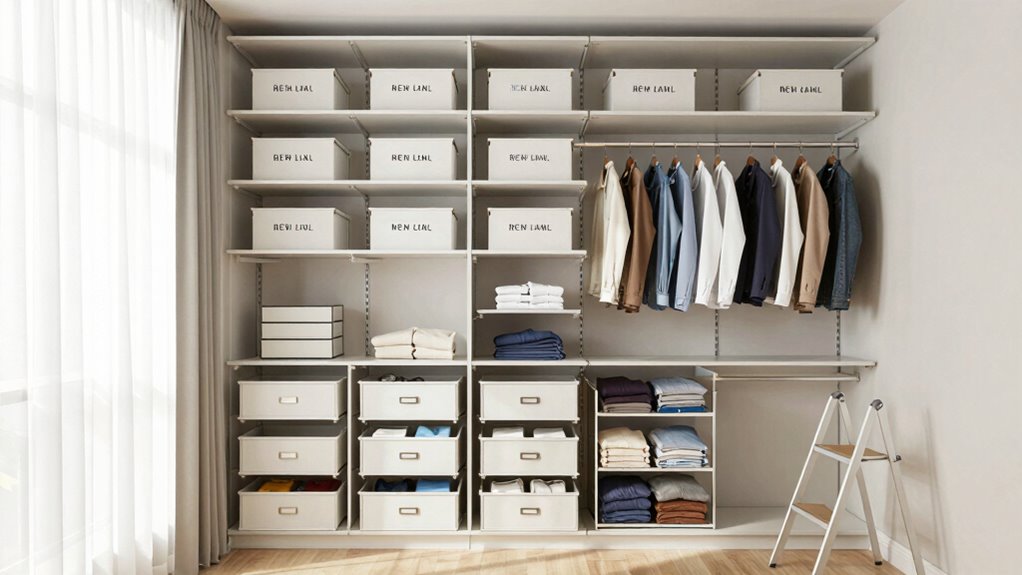
Using smart storage solutions can make a significant difference in keeping your shelves and drawers tidy. Start by applying folding techniques that maximize space and keep items uniform, making everything easier to see and access. Invest in clear label organizers to categorize your clothing and accessories, so you instantly know where everything belongs. Use stackable bins or drawer dividers to separate different items, preventing clutter from spreading. Incorporate small trays for jewelry or accessories, keeping delicate items secure. By organizing with these solutions, you’ll reduce mess and streamline your closet. Regularly update labels and re-fold items as needed to maintain order. These simple, strategic storage solutions help your closet stay neat and functional long after your reset.
Maintain Your Closet Reset With Simple Habits

Once you’ve reorganized your closet, maintaining its neatness becomes an ongoing habit rather than a one-time effort. To stay on top of your seasonal wardrobe and clothing trends, incorporate simple habits that keep things tidy.
- Regularly review your wardrobe to remove items that no longer fit or suit current trends.
- Dedicate five minutes weekly to put clothes back in their designated spots, preventing clutter.
- Rotate seasonal pieces as needed, storing out-of-season clothing properly to keep your closet fresh and organized.
Enjoy Your Newly Organized Closet and Keep It Up

Have you ever wondered how to fully enjoy and appreciate your freshly organized closet? The key is to stay engaged with your clothing trends and seasonal accessories. Regularly browse your closet to see how your wardrobe aligns with current styles, inspiring new outfit ideas. Keep seasonal accessories visible and accessible, so you can effortlessly update your look for any occasion. Take a moment each week to reassess your space, removing items that no longer fit your style or season. Celebrate your progress by trying out new combinations, and remember that maintaining your closet is an ongoing process. When you stay intentional about your wardrobe, you’ll find it easier to enjoy your organized space and keep it looking fresh and functional.
Frequently Asked Questions
How Often Should I Redo My Closet Reset?
You should redo your closet reset every season to keep your clothing rotation fresh and manageable. This allows you to switch out seasonal storage items and reassess what you wear most often. Regular resets help prevent clutter and guarantee you’re only keeping pieces that truly serve your style. Plus, it’s an easy way to stay organized and make finding outfits quicker, so you’re always prepared for whatever the season brings.
What if I Can’t Decide What to Donate?
Struggling to decide what to donate? That hesitation often hides a deeper truth about your clothing storage habits. Instead of overthinking, set a timer for five minutes and trust your gut. Ask yourself if you’ve worn it in the past year or if it sparks joy. Use donation strategies that focus on flexibility, knowing that letting go creates space for new possibilities and simplifies your closet’s story.
How Do I Handle Sentimental Items During the Reset?
When handling sentimental clutter, you should take your time to reflect on your emotional attachment. Keep only items that truly hold meaningful memories or bring you joy. Consider taking photos of sentimental items before donating or recycling them, so you preserve the memory without the physical clutter. Trust your instincts, and remember that letting go can be part of creating a more organized, peaceful closet.
Can I Do the Closet Reset Alone?
Yes, you can absolutely do the closet reset alone. Use single hanger organization to maximize space and implement color coding strategies to easily find and categorize your clothes. As you sort, stay focused and work methodically, taking breaks if needed. Trust your judgment, and don’t hesitate to set aside items you’re unsure about. Your effort will result in a more organized, functional closet that’s tailored to your style.
What Are Quick Tips for Maintaining Organization Long-Term?
To keep your closet consistently clean, stay savvy with simple strategies. Schedule seasonal swaps to switch out wardrobe essentials, preventing clutter buildup. Use smart storage solutions like bins and hanging organizers to maximize space and maintain order. Regularly reassess your wardrobe, removing items you no longer need. Staying committed to these small steps helps sustain organization long-term, making your closet a calm and clutter-free corner in your home.
Conclusion
Congratulations, you’ve just transformed your closet into a sleek, chaos-free zone—because who doesn’t want a perfectly organized space to hunt for that missing sock or to wrestle with your winter coat? With your newfound skills, you’ll master the art of “out of sight, out of mind” no more. Now, go ahead, enjoy the thrill of closing that door on your clutter and pretend you’re living in a magazine. You’ve earned it!