
TL;DR

Get the latest gadgets delivered free with Prime
- Fast, free delivery on millions of items
- Prime Video, Amazon Music and more included
- Member-only deals all year
Canada has announced it will acquire a fleet of Saab GlobalEye early warning aircraft from Sweden, replacing a previously considered Boeing option. The move aims to reduce reliance on US defense suppliers and bolster Arctic defense capabilities.
Canada has confirmed it will buy a fleet of Saab GlobalEye early warning aircraft from Sweden, marking a significant shift away from US defense suppliers to enhance Arctic surveillance and sovereignty.
Prime Minister Justin Trudeau announced the decision at a defense conference in Ottawa, citing the advanced sensors and mission systems of Saab’s GlobalEye as key to monitoring threats across Canada’s Arctic territory. The deal involves an initial procurement of six aircraft, although specific costs and contract details remain undisclosed, according to military officials.
Saab stated it plans to invest in research and development work in Canada as part of the deal, aiming to strengthen local industry and job creation. This purchase contrasts with Canada’s earlier consideration of Boeing’s E-7 Wedgetail aircraft, which has faced delays and cost overruns, according to defense sources.
Why It Matters
This decision signals Canada’s intent to reduce its dependency on US defense contractors amid shifting geopolitical dynamics and concerns over US reliability in Arctic security. It also reflects Canada’s broader strategy to deepen military cooperation with Nordic and European allies, particularly in the Arctic region, which is increasingly strategic due to climate change and resource interests.
The move could influence NATO and Arctic security arrangements, emphasizing Canada’s desire for more autonomous and diversified defense capabilities. Additionally, the deal may open pathways for increased bilateral cooperation between Canada and Sweden, including potential sales of other military equipment like Gripen fighters.
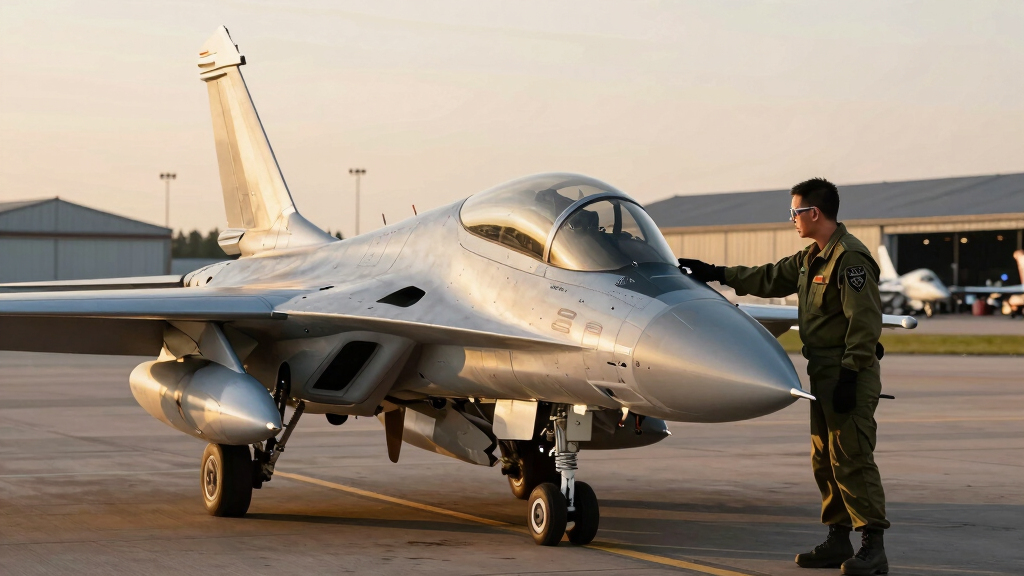
Saab GlobalEye early warning aircraft
As an affiliate, we earn on qualifying purchases.
As an affiliate, we earn on qualifying purchases.
Background
Canada has historically relied on US military support and equipment for Arctic surveillance, including partnerships with NORAD. The decision to purchase Swedish aircraft aligns with Prime Minister Trudeau’s March pledge to take greater responsibility for Arctic defense, which has become more urgent amid rising geopolitical tensions and climate-driven changes in the region.
Previously, Canada considered purchasing Boeing’s E-7 Wedgetail, but delays and cost issues led officials to explore alternative options. Saab’s GlobalEye, based on Bombardier’s Global 6500 jet, offers an integrated suite of sensors designed for long-range surveillance and early warning, making it suitable for Canada’s needs.
“With a suite of advanced sensors and mission systems, Saab’s GlobalEye will be a key resource for the Canadian armed forces to detect and deter threats across the Arctic.”
— Prime Minister Justin Trudeau
“GlobalEye is already creating jobs in Canada, and working with the Canadian supply chain. This decision ties our two nations even closer together.”
— Ulf Kristersson, Swedish Prime Minister
Canadian Arctic surveillance drone
As an affiliate, we earn on qualifying purchases.
As an affiliate, we earn on qualifying purchases.
What Remains Unclear
Details about the final contract value, the exact number of aircraft to be purchased, and the timeline for delivery remain undisclosed. It is also unclear whether this acquisition will influence Canada’s plans for other military procurements, such as the Gripen fighters or modifications to the existing F-35 fleet.
As an affiliate, we earn on qualifying purchases.
What’s Next
Next steps include negotiations on the final contract, procurement planning, and potential joint R&D initiatives. Canada’s defense ministry is expected to announce more detailed timelines and budget allocations in the coming months, with delivery of the aircraft possibly occurring within the next few years.
As an affiliate, we earn on qualifying purchases.
Key Questions
Why is Canada shifting from US to Swedish defense equipment?
Canada aims to reduce dependence on US defense firms amid concerns over US reliability and to strengthen ties with European allies, especially in Arctic security.
How many aircraft will Canada buy, and at what cost?
Military officials have indicated the purchase will likely include six aircraft, but the exact cost has not been disclosed.
Will this affect Canada’s existing military procurement plans?
It remains unclear, but this move may influence future procurement strategies and partnerships, including potential sales of other Swedish military equipment.
What are the advantages of the Saab GlobalEye for Arctic surveillance?
The aircraft features advanced sensors and mission systems designed for long-range detection and early warning, suitable for monitoring Canada’s vast Arctic territory.
Source: Hacker News
Fall Picks
fall essentials
As an affiliate, we earn on qualifying purchases.