European consortium OpenEuroLLM faces compute bottlenecks amid ambitious multilingual LLM goals, highlighting limits of pan-European AI pooling.
Browsing Category
Science & Nature
163 posts
The Coding Singularity Is Real — and Steeper Than Clark Presented
New data confirms rapid AI coding progress, revealing a faster approaching singularity with broader deployment implications. Key updates and uncertainties explained.
The Forecast Is the Plan.
Major AI labs publicly commit to automating AI R&D by 2026, signaling a strategic shift towards automation as a core goal, not just an emergent property.
AMÁLIA · The Three Hard Questions.
Portugal’s €5.5M AMÁLIA project is operational and surpasses some benchmarks, but key structural questions remain unanswered, raising concerns about its future development.
FreeOberon – Open-Source, Cross-Platform, Free Pascal/Turbo Pascal-Like Language
FreeOberon is a new open-source, cross-platform programming environment inspired by Pascal and Modula-2, now available for Windows, macOS, and Linux.
Noise infusion banned from statistical products published by Census Bureau
The U.S. Department of Commerce has ordered the Census Bureau to stop using noise addition in its statistical products, impacting data privacy and utility.
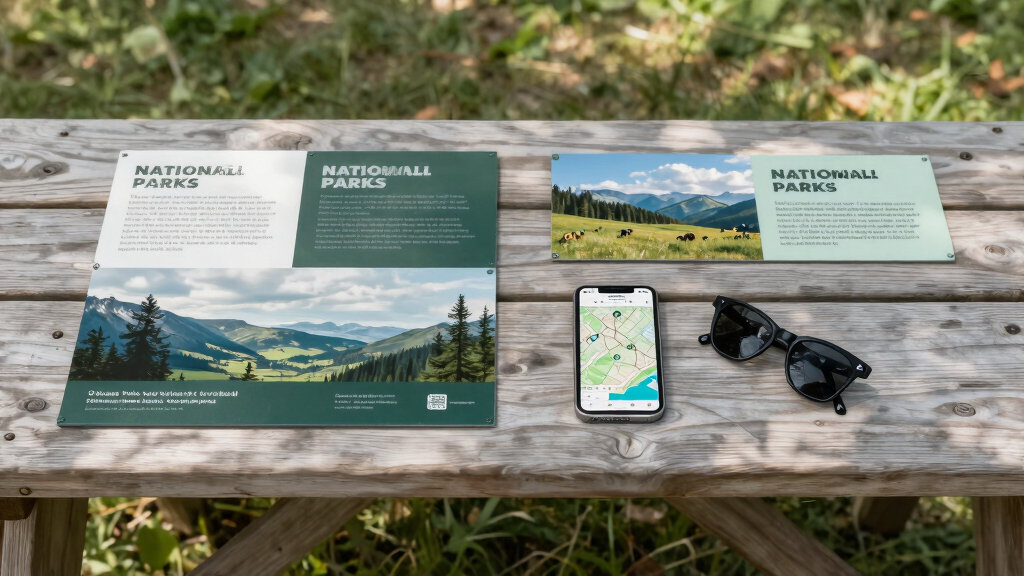
Judge orders restoration of national park plaques removed under Trump directive
A US district court has ordered the Biden administration to reinstate plaques removed under Trump’s 2025 directive, citing censorship concerns.
Judge orders Trump officials to re-install signs and exhibits at national parks on topics like slavery and climate change
A federal judge has ordered the Biden administration to restore signs and exhibits on topics like slavery and climate change removed from national parks.
China Sphere Capability Gap, Q2 2026 Update: Five Labs, Five Strategies, One Narrowing Frontier
Five Chinese labs shipped frontier-tier models in April 2026, narrowing the capability gap with US labs while maintaining cost and licensing advantages.

The Regulatory Vacuum.
Google disclosed a zero-day vulnerability on May 11, 2026, revealing a regulatory gap in AI security oversight that remains unaddressed.