
TL;DR

Get the latest gadgets delivered free — and shop member deals
- Fast, free delivery on millions of items
- Access to Prime Big Deal Days deals on October 6–7
- Prime Video, Amazon Music and more included
Skyroot Aerospace is set to conduct India’s first private orbital launch between July 12 and August 4, marking a major milestone for the country’s space industry. Meanwhile, SpaceX has launched its 1,000th rocket, underscoring its dominant position in commercial spaceflight.
India’s private space company Skyroot Aerospace is preparing for its first test flight of the Vikram-1 rocket, scheduled to launch between July 12 and August 4 from the Satish Dhawan Space Center. This marks India’s first private attempt to place a launch vehicle into orbit, a significant step in the country’s commercial space sector. Meanwhile, SpaceX has achieved a milestone by launching its 1,000th rocket, underscoring its dominance in the global commercial launch market.
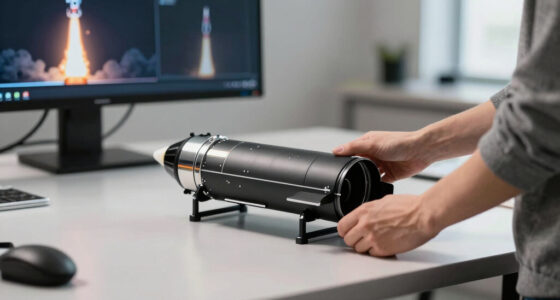
Skyroot Aerospace’s Vikram-1 rocket is a three-stage solid-propellant vehicle with a liquid-fueled fourth stage, designed to carry payloads up to 500 kilograms into low-Earth orbit. The upcoming test aims to validate key performance metrics, including propulsion, guidance, and stage separation, before full commercial deployment. The launch will occur from a pad originally built for India’s government space program, now leased to the private company, marking a historic moment for India’s burgeoning private space industry.
In parallel, SpaceX recently completed its 1,000th launch, a Falcon 9 mission carrying commercial and government payloads. This milestone emphasizes SpaceX’s rapid expansion and cost-effective launch services, which have reshaped the global satellite deployment landscape. The milestone also highlights the company’s ongoing commitment to reusability, with Falcon 9 boosters now routinely recovered and reused multiple times.
Significance of India’s First Private Launch and SpaceX Milestone
The upcoming launch by Skyroot represents a major breakthrough for India’s private space sector, which has historically relied on government agencies. Successful flight could open the door for more commercial launches, fostering innovation and competition in the region. SpaceX’s milestone underscores its leadership in reducing launch costs, enabling broader access to space for governments, researchers, and commercial entities worldwide. Both events highlight the accelerating pace of commercial space activity and the increasing role of private companies in space exploration and satellite deployment.
As an affiliate, we earn on qualifying purchases.
Background on India’s Private Space Sector and SpaceX’s Growth
India’s space program has historically been dominated by ISRO, the government agency responsible for launching satellites and planetary missions. In recent years, private companies like Skyroot and others have begun to enter the market, aiming to provide more affordable, flexible launch options. Skyroot has raised over $160 million and developed the Vikram-1 with a focus on small satellite deployment.
SpaceX, founded in 2002, revolutionized spaceflight with its reusable Falcon 9 rocket. Since its first launch in 2010, the company has rapidly expanded, achieving milestones such as the first reflight of an orbital class rocket and, most recently, its 1,000th launch. The milestone demonstrates SpaceX’s sustained growth and influence in the commercial space industry.
“This launch will mark a historic turning point for India’s private space industry, demonstrating our capability to deliver reliable, cost-effective orbital launches.”
— G. Satish, Skyroot CEO
As an affiliate, we earn on qualifying purchases.
Uncertainties Surrounding the Skyroot Launch and Future Plans
While Skyroot has scheduled its first test flight, it is not yet confirmed whether the launch will succeed or if technical issues could delay or cancel the mission. The company’s track record is still emerging, and the outcome remains uncertain.
For SpaceX, while the milestone of 1,000 launches has been achieved, it is unclear how many additional launches are planned for 2023 and beyond, or how upcoming missions might be affected by technical, regulatory, or supply chain challenges.
As an affiliate, we earn on qualifying purchases.
Next Steps for Skyroot and SpaceX After Milestones
Skyroot plans to conduct its launch between July 12 and August 4, with a successful test paving the way for commercial operations and further vehicle development. The company aims to expand its launch schedule and attract international customers.
SpaceX will continue its aggressive launch cadence, with upcoming missions including Starlink satellite deployments and government payloads. The company also plans to develop next-generation rockets like Starship, which could further transform space access.
As an affiliate, we earn on qualifying purchases.
Key Questions
What is the significance of Skyroot’s upcoming launch?
The launch marks India’s first private orbital mission, signaling a shift towards more commercial activity in the country’s space sector and potentially opening new markets for satellite deployment.
How does SpaceX’s 1,000th launch impact the industry?
It demonstrates the scalability and cost-effectiveness of reusable rockets, setting a new standard for commercial spaceflight and enabling broader access to space for various users worldwide.
When will Skyroot’s Vikram-1 rocket be fully operational?
If the upcoming test is successful, Skyroot plans to begin commercial launches shortly afterward, with further testing and certification expected over the next year.
What are the main technical challenges for Skyroot’s first launch?
The primary uncertainties involve vehicle performance, guidance accuracy, and stage separation reliability, which will be evaluated during the upcoming test flight.
What other milestones are expected in the space industry this year?
Upcoming notable events include NASA’s Artemis II mission, the launch of the European Rosalind Franklin rover, and continued deployment of satellite constellations like Starlink.
Source: Ars Technica
Evergreen bestsellers Picks
bestsellers
As an affiliate, we earn on qualifying purchases.