
TL;DR

Get the latest gadgets delivered free — and shop member deals
- Fast, free delivery on millions of items
- Access to Prime Big Deal Days deals on October 6–7
- Prime Video, Amazon Music and more included
AI experts suggest building universal connectors to unify Europe’s fragmented public transport apps. This could streamline ticketing, improve user experience, and boost adoption, especially for tourists.
AI developers and public transport users are advocating for the creation of universal connectors to unify Europe’s fragmented online transport systems, aiming to simplify ticketing and reduce traveler anxiety.
Current European public transport apps are highly fragmented, with each country and even regions within countries operating their own systems, apps, and ticketing rules. For example, the Netherlands has separate apps for national and international travel, while Germany’s Deutsche Bahn (DB) app features complex ticket options that can be confusing for travelers. Similarly, Denmark, Switzerland, and Paris each have their own systems with unique terminology and rules, leading to user frustration and reliance on external tools like ChatGPT for guidance.
Travelers report difficulty understanding different zones, ticket types, and purchase methods, often resorting to screenshots and AI assistance to navigate the process. This fragmentation not only causes anxiety but also creates inefficiencies for users and potential revenue loss for providers. Advocates suggest that integrating these systems through AI-driven ‘connectors’—software interfaces that expose common tools for discovering options and purchasing tickets—could unify the experience. These connectors would standardize vocabulary, offer filters for time and location, and provide a single gateway for transactions, streamlining the process across regions.
Implementing such connectors could benefit public transport providers by increasing adoption, especially among tourists, and reducing operational complexity. While some companies may fear losing control over customer data and brand experience, proponents argue that the benefits outweigh the drawbacks, encouraging a more seamless and accessible transport ecosystem.
Why It Matters
This initiative could significantly improve the user experience for millions of travelers navigating Europe’s diverse transport systems. Simplified, AI-enabled integration would reduce confusion, lower barriers to usage, and potentially increase revenues for transport providers. It also aligns with broader trends toward digital interoperability and smart city infrastructure, making public transport more accessible and efficient.
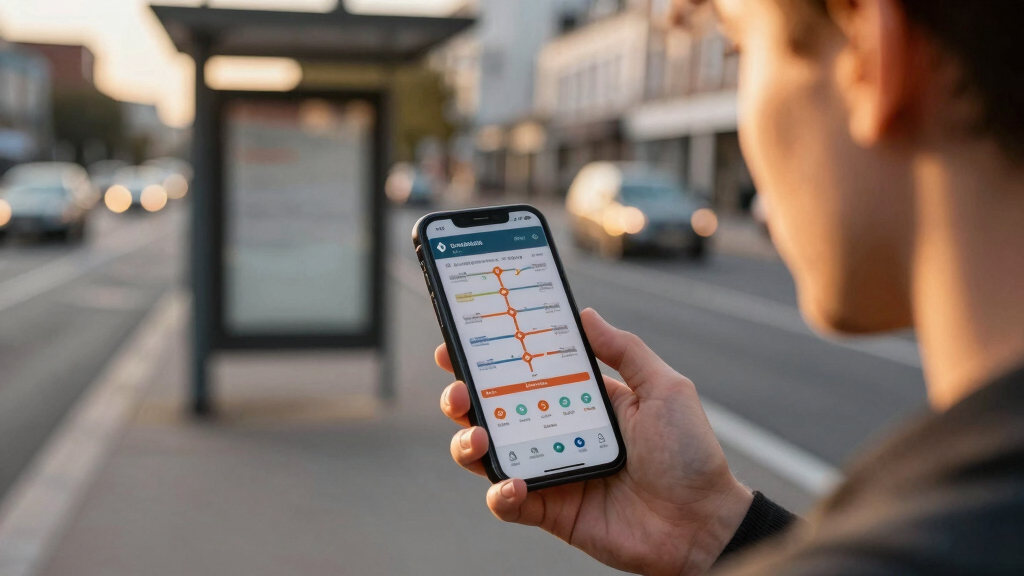
European public transport ticketing app
As an affiliate, we earn on qualifying purchases.
As an affiliate, we earn on qualifying purchases.
Background
European public transport has historically developed in fragmented ways, with each country and region creating its own apps and ticketing rules. Recent traveler accounts highlight the complexity and confusion caused by this lack of standardization. Previous efforts to unify systems have faced technical and commercial challenges, with some providers hesitant to relinquish control over their customer data and branding. The rise of AI offers a new approach, with the potential to create universal interfaces that bridge these differences without requiring total system overhaul.
“Every country has its own app and rules. It’s confusing and stressful to figure out what ticket to buy, especially when traveling between regions.”
— Anonymous European traveler
“Building connectors that expose common tools for discovery and purchase can make the entire system more seamless, reducing anxiety and increasing usage.”
— AI developer involved in transport integration
universal public transport ticket connector
As an affiliate, we earn on qualifying purchases.
As an affiliate, we earn on qualifying purchases.
What Remains Unclear
It remains unclear how quickly transport agencies will adopt such connectors, what standards they might agree upon, and how privacy concerns around data sharing will be addressed. The technical feasibility and commercial willingness to implement these solutions are still under discussion.
As an affiliate, we earn on qualifying purchases.
What’s Next
Next steps include pilot projects in select regions, development of standardized APIs, and discussions among transport authorities and tech providers. Monitoring adoption rates and user feedback will determine the broader rollout.
As an affiliate, we earn on qualifying purchases.
Key Questions
How would AI connectors improve my travel experience?
They would provide a unified interface to discover, purchase, and manage tickets across different transport systems, reducing confusion and saving time.
Will this mean I have to use a new app?
Potentially, but the goal is to create integrated systems that can work within existing apps or through a universal platform, minimizing the need for multiple downloads.
Are there privacy concerns with sharing data across transport providers?
Yes, data privacy is a key consideration. Developers emphasize that any integration would need to comply with privacy regulations and include user consent mechanisms.
When could we expect these AI connectors to be widely available?
Initial pilot programs may start within the next year, with broader adoption potentially taking several years depending on cooperation among stakeholders.
Halloween Picks
halloween
As an affiliate, we earn on qualifying purchases.