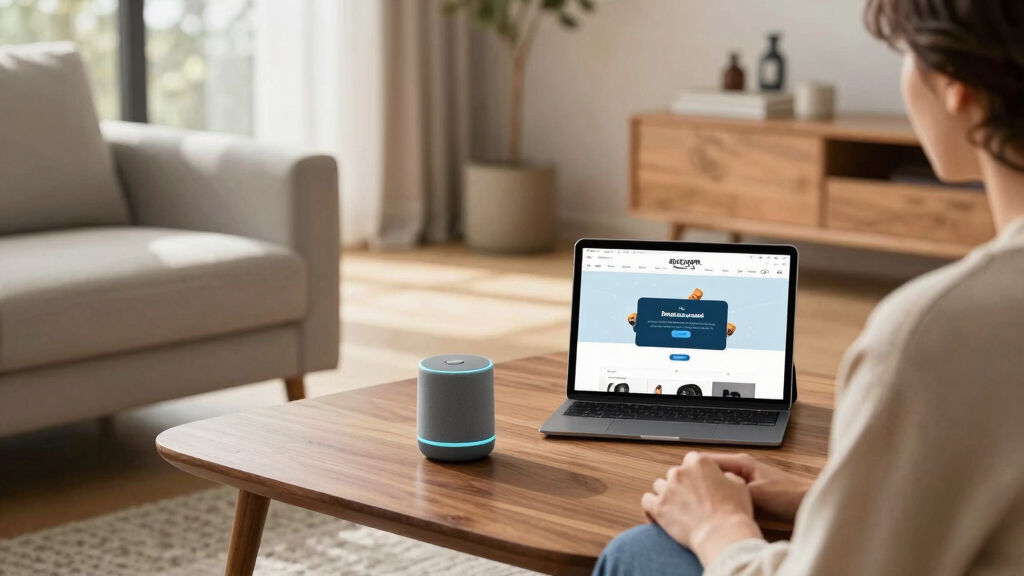

TL;DR

Get the latest gadgets delivered free — and shop member deals
- Fast, free delivery on millions of items
- Access to Prime Big Deal Days deals on October 6–7
- Prime Video, Amazon Music and more included
Amazon is integrating Alexa directly into its website and app as ‘Alexa for Shopping,’ replacing Rufus AI. The new feature offers personalized assistance, product comparisons, automatic reordering, and cross-device access, expanding AI-driven shopping tools.
Amazon has launched ‘Alexa for Shopping,’ integrating its AI assistant directly into Amazon.com and the Amazon app, replacing the previous Rufus AI shopping assistant. This move makes Alexa a central part of the shopping experience for all users in the US, offering new AI-powered features that aim to streamline and personalize purchasing decisions.
Beginning today, Amazon customers in the US can access Alexa for Shopping by typing queries into the website or app. Unlike Rufus, which it replaces, Alexa for Shopping is more deeply integrated, available across all Amazon and Alexa devices, and offers a broader range of capabilities. It can set price alerts, compare products, automatically reorder items, and even purchase products based on user-defined parameters, such as price thresholds and purchase frequency.
The service also includes a ‘Buy for Me’ feature, which can shop on other websites, and can track a year’s worth of price history for products. Alexa for Shopping leverages multiple models and reasoning to provide detailed, personalized answers, pulling data from Amazon and the web, as well as user history. It can also generate shopping guides, compare features, and review customer feedback, aiming to create a seamless, end-to-end shopping experience.
On Echo smart displays, the shopping experience will be upgraded with a full visual interface, allowing users to navigate the store via touch and voice, and manage subscriptions and orders directly. The feature is expected to roll out to devices such as Echo Show 8 and 11 in the next month, according to Amazon.
Why It Matters
This development represents Amazon’s effort to embed AI more deeply into its core retail platform, potentially transforming how consumers search, compare, and purchase products online. By integrating Alexa into the shopping process, Amazon aims to create a more personalized, efficient, and voice-enabled shopping experience, which could influence customer loyalty and shopping behavior. However, it also raises questions about data privacy and the trust required for consumers to share more personal information with AI systems.
As an affiliate, we earn on qualifying purchases.
Background
Amazon has been gradually incorporating AI into its shopping ecosystem, with previous efforts like Rufus AI assisting with product searches. The launch of Alexa for Shopping builds on Amazon’s broader strategy to leverage AI for personalization and automation. This move follows similar initiatives by competitors like Google and OpenAI, which have introduced chatbot-based shopping tools with mixed results. Amazon’s emphasis on deep integration and cross-device functionality aims to set a new standard for AI-assisted e-commerce.
“Alexa for Shopping is more deeply integrated, more capable, and available everywhere, creating a continuous shopping experience across devices.”
— Daniel Rausch, VP of Alexa and Echo
“Getting all the way to done is what customers want from AI and shopping. It’s complex but essential for a full end-to-end experience.”
— Daniel Rausch, VP of Alexa and Echo
Alexa for Shopping product comparison
As an affiliate, we earn on qualifying purchases.
As an affiliate, we earn on qualifying purchases.
What Remains Unclear
It is still unclear how consumers will respond to the new AI features, especially regarding privacy concerns and trust in automated purchasing. The extent of adoption and the actual impact on shopping behavior remain to be seen, as the rollout is still in progress.
As an affiliate, we earn on qualifying purchases.
What’s Next
Amazon plans to expand Alexa for Shopping to more devices and enhance its features based on user feedback. Monitoring user engagement and privacy considerations will be key in the coming months, alongside potential updates to improve AI accuracy and personalization.
As an affiliate, we earn on qualifying purchases.
Key Questions
How does Alexa for Shopping differ from previous Amazon AI tools?
It offers deeper integration across devices, broader capabilities like automatic reordering, shopping guides, and cross-site shopping, creating a more comprehensive and personalized shopping experience.
Will I need an Alexa device to use Alexa for Shopping?
No, the service is available through Amazon.com and the app for all US customers, regardless of whether they own an Alexa device, although features may be enhanced on Echo and Show devices.
What privacy concerns are associated with Alexa for Shopping?
Since the service leverages personal data to personalize responses and automate purchases, there are privacy considerations. Amazon states it is committed to user privacy, but the extent of data sharing remains a topic of concern for some consumers.
Fall Picks
fall essentials
As an affiliate, we earn on qualifying purchases.