
TL;DR
Amazon has expanded its 30-minute delivery service, Amazon Now, to more U.S. cities including Atlanta, Dallas-Fort Worth, and others. The service offers quick delivery of thousands of items, competing with DoorDash and Instacart. Details about future expansion remain ongoing.
Amazon has officially expanded its ultrafast 30-minute delivery service, Amazon Now, to multiple new cities across the United States, making rapid delivery of thousands of items accessible to millions of Prime members.

Get the latest gadgets delivered free with Prime
- Fast, free delivery on millions of items
- Prime Video, Amazon Music and more included
- Member-only deals all year
Following a limited test in Seattle and Philadelphia that began last December, Amazon Now is now available in Atlanta, Dallas-Fort Worth, and soon in cities including Austin, Houston, Minneapolis, Orlando, Phoenix, Denver, and Oklahoma City. The service offers delivery of items such as fresh produce, over-the-counter medicines, household essentials, and small electronics within 30 minutes.
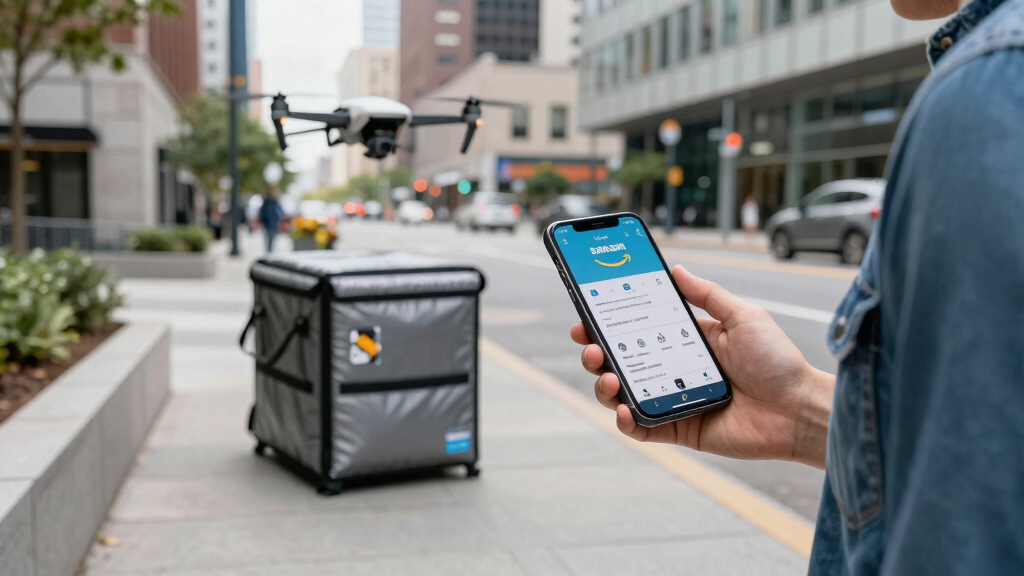
Customers in eligible cities will see a “30-Minute Delivery” option on the Amazon homepage and mobile app. Items available for fast delivery are marked as Amazon Now, with prices for delivery set at $3.99 for Prime members with a $14.99/month or $139/year subscription, or $13.99 without a membership. For orders under $15, there is an additional fee of $1.99 for Prime members and $3.99 for non-members.
Amazon launched this service as part of its effort to compete with delivery companies like DoorDash and Instacart, building on its existing same-day delivery options that have been available since 2014. The service was previously accessible through a dedicated Prime Now website before being integrated into Amazon’s main platform in 2021. The company also shut down its Amazon Today service in October 2024, which offered same-day deliveries from shopping malls and retail stores.
Why It Matters
This expansion signifies Amazon’s strategic push to enhance its delivery speed and compete more directly with third-party delivery services, potentially reshaping consumer expectations for online shopping and quick delivery. It also indicates Amazon’s continued investment in logistics and fulfillment infrastructure to maintain its market position amid rising competition.
Products Worth Considering

Amazon Kindle Scribe (16GB) with Premium Pen, Tungsten
Amazon Kindle Scribe (32GB) with Premium Pen, Tungsten (Like-New)

Samsung Galaxy Tab S10 Lite, 10.9-inch LCD, 6GB RAM, 128GB Storage, Gray
As an affiliate, we earn on qualifying purchases.
Background
Amazon launched its Prime Now service in 2014, initially offering same-day deliveries in select cities. Over time, the service expanded and was rebranded as Amazon Now, with a focus on ultrafast delivery. The recent expansion follows a trial phase in Seattle and Philadelphia, and it aligns with Amazon’s broader efforts to improve delivery speed and customer experience. The company’s decision to shut down Amazon Today earlier this year reflects a shift toward more localized, rapid delivery options.
“Following a limited test run in parts of Seattle and Philadelphia that started last December, Amazon Now is officially available to millions of Amazon shoppers across the United States.”
— Andrew Liszewski, The Verge
“We are excited to bring our ultrafast delivery service to more cities, providing customers with even quicker access to essential items.”
— Amazon spokesperson
What Remains Unclear
It is not yet clear how many more cities will be added in the coming months, or the full scope of items eligible for 30-minute delivery beyond the current offerings. Details about potential changes to pricing or service features are still emerging.
What’s Next
Amazon is expected to continue expanding the service to additional cities and regions. The company may also introduce new features or adjust pricing based on customer feedback and logistical capabilities. Monitoring official announcements will be necessary to track further developments.
Key Questions
Which cities currently have Amazon’s 30-minute delivery?
As of now, the service is available in Atlanta, Dallas-Fort Worth, and previously in Seattle and Philadelphia, with more cities expected to be added soon.
What items are eligible for 30-minute delivery?
Eligible items include fresh produce, over-the-counter medicines, household essentials, and small electronics such as AirPods and HDMI cables.
How much does the service cost?
Delivery costs $3.99 for Prime members with a subscription or $13.99 without. Orders under $15 incur an additional fee of $1.99 for Prime members and $3.99 for non-members.
Will the service expand to more products or features?
Details are still emerging, but Amazon likely will expand item selection and coverage as logistics improve and demand grows.