
TL;DR

Get the latest gadgets delivered free — and shop member deals
- Fast, free delivery on millions of items
- Access to Prime Big Deal Days deals on October 6–7
- Prime Video, Amazon Music and more included
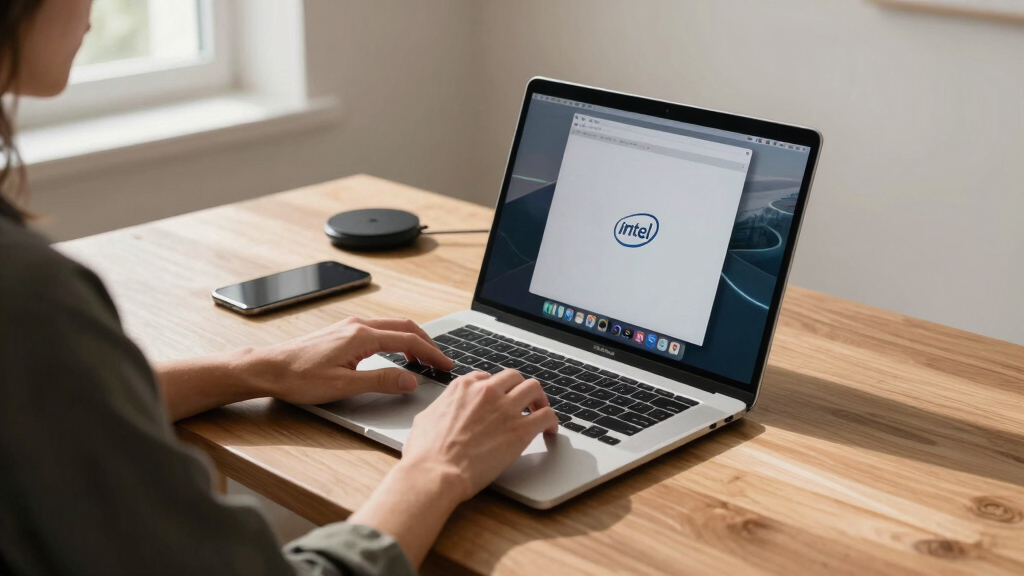
Apple confirmed it will not support any Intel-based Macs in macOS 27, marking the end of its transition to Apple silicon. All new updates will be exclusive to Apple silicon Macs, affecting users of older Intel models.
Apple has officially announced that macOS 27, expected to release this fall, will no longer support any Intel-based Macs, completing its transition to Apple silicon processors.
At WWDC 2026, Apple confirmed that all Macs powered by Intel chips will be excluded from the upcoming macOS 27 update, known as Golden Gate. This includes models like the 2019 16-inch MacBook Pro, the 2020 13-inch MacBook Pro with four Thunderbolt ports, the 2020 Retina 5K iMac, and the 2019 Mac Pro.
Apple’s transition from Intel to its own M-series chips began in 2020, with the company gradually phasing out Intel Macs. The latest move signifies the completion of this process, with support for Intel Macs ending entirely with the new OS update. Notably, some models like the 2020 MacBook Pro with two Thunderbolt ports had already been dropped from support last year, but the four-port variant was supported until now.
Implications of Ending Intel Mac Support
This decision marks a significant shift for Apple and its user base. It consolidates the company’s hardware ecosystem around Apple silicon, promising improved performance and longer software support for newer Macs. However, it also means that owners of older Intel Macs will no longer receive OS updates, potentially affecting security and compatibility.
For developers and enterprise users relying on legacy hardware, this transition may necessitate hardware upgrades or adjustments to software workflows. Overall, the move underscores Apple’s commitment to its silicon platform, aiming for tighter integration and better control over hardware and software.
Apple Silicon MacBook Pro 16-inch
As an affiliate, we earn on qualifying purchases.
As an affiliate, we earn on qualifying purchases.
Background of Apple’s Transition to Apple Silicon
In 2020, Apple announced its plan to transition all Macs from Intel processors to its own Apple silicon chips, starting with the M1 chip. Over the following years, Apple replaced all Intel-based Macs with models powered by its M-series chips, including the MacBook Air, MacBook Pro, iMac, and Mac Pro. During this period, Apple gradually phased out support for Intel Macs in macOS updates, signaling the beginning of the end for Intel compatibility.
By 2025, most new Macs sold by Apple were equipped with Apple silicon, and support for Intel Macs had been progressively withdrawn in software updates. The announcement at WWDC 2026 confirms that this process is now complete, with no future versions of macOS supporting Intel-based hardware.
“Apple’s move to drop Intel support signifies the final step in its hardware transition, focusing entirely on its own silicon for better integration and performance.”
— an anonymous researcher
As an affiliate, we earn on qualifying purchases.
Remaining Uncertainties About Compatibility and Support
It is not yet clear how this decision will impact users who rely on older Intel Macs for critical tasks, or whether Apple will offer any extended support or hardware trade-in programs. Details about the timeline for complete hardware obsolescence are also still emerging.
As an affiliate, we earn on qualifying purchases.
Next Steps for Apple Silicon and Mac Users
Apple will begin rolling out macOS 27 Golden Gate this fall, exclusively supporting Apple silicon Macs. Users of Intel Macs will need to consider hardware upgrades to continue receiving OS updates and security patches. Apple may also introduce new hardware or support programs for legacy users in the coming months.
As an affiliate, we earn on qualifying purchases.
Key Questions
Will my Intel Mac still receive security updates after macOS 27?
No, support for Intel Macs will end with the release of macOS 27, and security updates will be limited to Apple silicon Macs moving forward.
Are there any plans for Apple to support Intel Macs beyond this point?
Currently, Apple has not announced any plans to support Intel-based Macs beyond macOS 27, signaling a complete transition to Apple silicon.
What should I do if I own an Intel Mac and want to upgrade?
Apple recommends considering a hardware upgrade to an Apple silicon Mac to continue receiving future macOS updates and support.
Could older Intel Macs still run macOS 26 or earlier versions?
Yes, existing Intel Macs will continue to run macOS 26 and earlier versions, but they will not receive the latest features or security updates.
Will Apple provide any support or trade-in options for Intel Mac owners?
There has been no official announcement regarding support or trade-in programs for Intel Mac owners at this time.
Source: Lifehacker
Fall Picks
fall essentials
As an affiliate, we earn on qualifying purchases.