
TL;DR

Get the latest gadgets delivered free with Prime
- Fast, free delivery on millions of items
- Prime Video, Amazon Music and more included
- Member-only deals all year
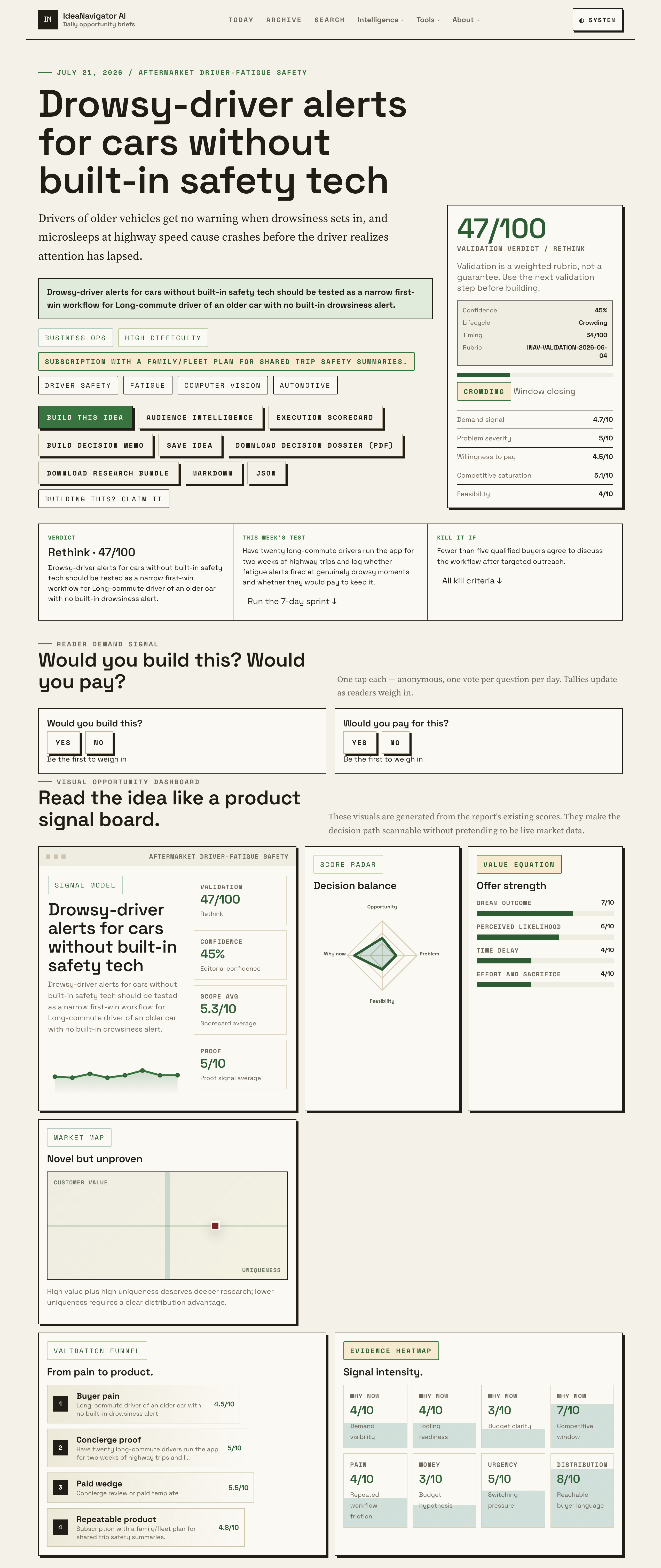
Researchers are developing a phone-mounted app that monitors eye closure and head nods to detect drowsiness in drivers of older vehicles lacking built-in alerts. This could improve safety for long-commute drivers. Validation is ongoing through user testing.
A phone-based application designed to detect driver drowsiness without relying on built-in vehicle sensors is in development, targeting drivers of older cars. This innovation aims to fill a safety gap for long-commute drivers whose vehicles lack fatigue alerts, potentially reducing microsleeps and highway crashes caused by drowsiness.
The concept involves a dashboard-mounted smartphone that uses on-device face landmark models to monitor eye closure and head nod patterns, indicators of drowsiness. When signs are detected, the app provides escalating alerts and prompts drivers to take a break, according to developers involved in the project.
This approach leverages affordable technology—cheap phone mounts and existing facial recognition algorithms—to create an aftermarket safety tool. The initial plan is to test the app with twenty long-commute drivers over two weeks, assessing whether alerts correspond to genuine drowsiness and whether users are willing to pay for continued service, possibly via a subscription model with family or fleet plans.
Impact of a Non-Invasive Drowsiness Detection Solution
This development could significantly improve safety for drivers of older vehicles, who currently lack effective fatigue warning systems. By providing an accessible and low-cost alternative, it has the potential to reduce highway crashes caused by microsleeps and driver inattention. Widespread adoption could lead to a new standard in aftermarket driver safety technology, especially for long-distance commuters.
car phone mount for drowsiness detection
As an affiliate, we earn on qualifying purchases.
As an affiliate, we earn on qualifying purchases.
Growing Need for Aftermarket Driver Fatigue Tools
Many older vehicles lack integrated safety features like drowsiness alerts, leaving drivers vulnerable during long highway trips. While newer cars increasingly include sensors and algorithms to detect fatigue, the aftermarket sector is exploring standalone solutions. Recent advancements in smartphone hardware and facial recognition software have made it feasible to develop cost-effective, non-intrusive monitoring systems that can be easily installed in existing vehicles.
This initiative aligns with broader trends toward vehicle safety innovations that do not depend on manufacturers’ built-in systems, offering a practical option for a large segment of drivers still relying on older cars.
“Using smartphone facial landmark detection, we can estimate eye closure and head nods to identify drowsiness with reasonable accuracy.”
— an anonymous researcher
As an affiliate, we earn on qualifying purchases.
Validation and Effectiveness of the App Remain Uncertain
It is not yet confirmed how accurately the app’s alerts will correspond to actual drowsiness levels during real-world driving. The effectiveness of the system in preventing microsleeps or crashes remains to be proven through user testing and data collection. Additionally, user acceptance and willingness to pay for such a service are still under investigation.
smartphone facial recognition driver safety
As an affiliate, we earn on qualifying purchases.
As an affiliate, we earn on qualifying purchases.
Upcoming Testing and Potential Market Rollout Plans
The developers plan to conduct pilot tests with twenty long-commute drivers over the next two weeks, collecting data on alert accuracy and user feedback. Pending positive results, broader field trials and commercial deployment could follow within the next year. Further validation will determine whether this approach becomes a standard aftermarket safety feature.
aftermarket driver drowsiness monitor
As an affiliate, we earn on qualifying purchases.
As an affiliate, we earn on qualifying purchases.
Key Questions
How does the app detect drowsiness without built-in vehicle sensors?
The app uses the smartphone’s camera and facial recognition algorithms to monitor eye closure and head movements, which are indicators of drowsiness.
Will this app work in all lighting conditions?
Performance may vary depending on lighting; developers are working to optimize detection under different conditions, but effectiveness in low-light scenarios remains uncertain.
Is this a replacement for built-in vehicle safety tech?
No, it is intended as an aftermarket supplement for older vehicles lacking integrated drowsiness alerts.
How much will the service cost?
Pricing details are still under development, but a subscription model is being considered, potentially with family or fleet plans.
When will this app be available for general use?
Initial testing is planned soon; if successful, broader deployment could occur within the next year.
Source: IdeaNavigator AI
Halloween Picks
halloween
As an affiliate, we earn on qualifying purchases.