
TL;DR

Get the latest gadgets delivered free — and shop member deals
- Fast, free delivery on millions of items
- Access to Prime Big Deal Days deals on October 6–7
- Prime Video, Amazon Music and more included
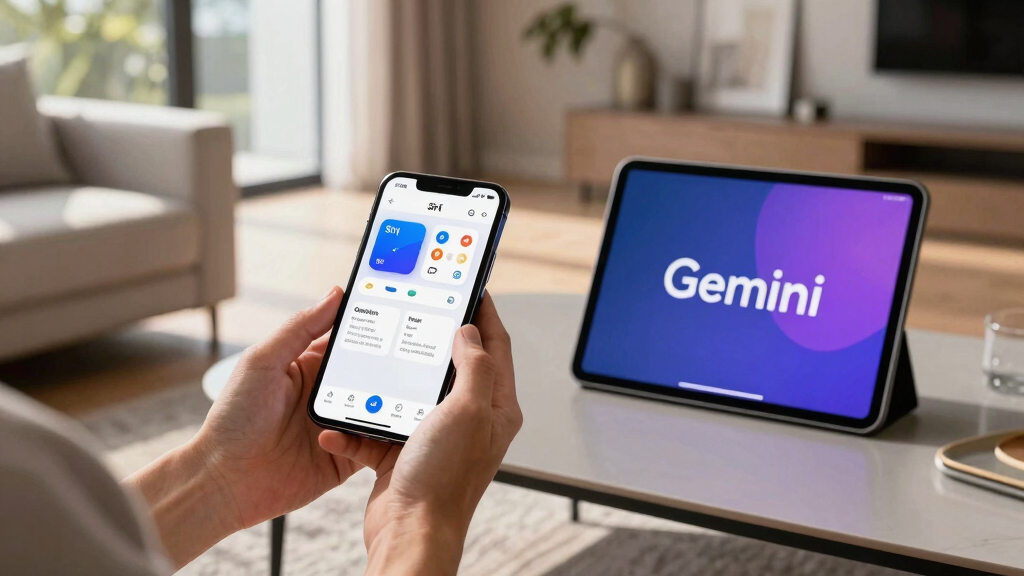
After testing Siri AI and Gemini on an iPhone 16 Pro, Siri AI demonstrated faster, more direct responses and better app integration. Gemini still leads in detailed research capabilities. The comparison highlights Siri AI’s early advantages but also its current limitations.
Siri AI has officially become available to beta testers on iPhone 16 Pro, and initial hands-on testing shows it delivers faster, more direct responses than Google’s Gemini.
This comparison is significant because it highlights Apple’s progress in integrating AI into its native apps and user experience, especially against a major competitor like Google.
In recent tests, the author used Siri AI and Gemini to perform tasks such as retrieving reminders, calendar events, and conducting web research. Siri AI, integrated directly into Spotlight with a new gesture, provided quicker, more concise answers, often citing sources at the bottom of responses. It also showed better app integration, pulling visual data from iOS native apps like Reminders, Calendar, and Mail.
In contrast, Gemini, accessed via widget or shortcuts, offered more detailed research outputs, especially in complex searches like finding suitable laptops or specific workout routines. Gemini’s responses tend to be more verbose, providing additional context and links, which can be useful for in-depth research but slower and more wordy for quick answers.
While Siri AI is trained on Gemini’s models, Apple has customized its responses, making Siri faster and more to the point. However, Siri AI currently lacks the depth of Gemini’s research capabilities, especially in multi-source data collation. Both systems cite their sources, but Gemini’s links are embedded within the text, whereas Siri lists sources at the bottom.
Impact of Siri AI’s Early Performance on User Experience
This comparison demonstrates that Siri AI is making significant strides in delivering faster, more streamlined responses, which could influence user preferences for native AI assistants. However, Gemini’s strength in detailed research suggests that Google’s AI still holds an edge for complex information gathering. The outcome may shape how consumers and developers perceive the future of AI integration on iOS devices, emphasizing speed and simplicity versus depth and detail.iPhone 16 Pro Siri AI compatible accessories
As an affiliate, we earn on qualifying purchases.
As an affiliate, we earn on qualifying purchases.
Background of AI Integration on iPhone
Apple first announced Siri AI in late 2024, with a phased rollout to beta testers in 2026. The new AI is trained on Gemini models but customized for Apple’s ecosystem, with privacy and app integration as key features. Google’s Gemini, meanwhile, has been evolving since 2023, focusing on large language models for search and research, with a broader scope for in-depth data collation. This comparison follows recent updates to Siri AI and the growing competition between Apple and Google in AI-powered mobile experiences.“Siri AI delivers faster, more direct responses, especially for quick queries and app-based tasks, but still lags behind Gemini in detailed research capabilities.”
— Khamosh Pathak
best iOS apps for AI assistant integration
As an affiliate, we earn on qualifying purchases.
As an affiliate, we earn on qualifying purchases.
Limitations and Future Capabilities of Siri AI
It is not yet clear how Siri AI will evolve to match Gemini’s research depth, or how third-party app support will expand beyond current limitations. The full scope of Siri AI’s capabilities in real-world scenarios remains to be seen as features roll out publicly and more user data is collected.smartphone voice assistant accessories
As an affiliate, we earn on qualifying purchases.
As an affiliate, we earn on qualifying purchases.
Upcoming Updates and User Feedback on Siri AI
Apple plans to expand Siri AI’s third-party app support and improve its research capabilities in upcoming software updates. User feedback from beta testers will likely influence further enhancements, especially in balancing speed and depth. The broader public release will clarify how Siri AI competes with Google’s Gemini in everyday use.As an affiliate, we earn on qualifying purchases.
Key Questions
Will Siri AI replace Google Gemini for research tasks?
Currently, Siri AI excels in speed and app integration but lags behind Gemini in detailed research. Future updates may narrow this gap, but Gemini remains the better choice for complex data gathering.
Can Siri AI handle third-party app integration now?
Support is limited at present; Siri AI primarily integrates with native iOS apps. Broader third-party support is expected in future updates as Apple expands its capabilities.
How does Siri AI ensure user privacy?
Apple emphasizes that Siri AI processes are designed with privacy in mind, with most data handled locally or within private cloud compute environments, aligning with Apple’s privacy policies.
Will Siri AI become more customizable?
Apple has not announced plans for user customization of Siri AI’s models, but future updates may include more personalized features based on user feedback.
When will Siri AI be available to all iPhone users?
While beta testing is ongoing, a full public release is expected later in 2026, with wider availability once testing phases are complete.
Source: Lifehacker
Fall Picks
fall essentials
As an affiliate, we earn on qualifying purchases.