
TL;DR

Get the latest gadgets delivered free — and shop member deals
- Fast, free delivery on millions of items
- Access to Prime Big Deal Days deals on October 6–7
- Prime Video, Amazon Music and more included
Ukraine’s Delta system has become a closely watched example of software-defined warfare, combining drone feeds, satellite imagery, sensor data and vetted reports into a shared battlefield map. The system’s browser-based design and foreign-hosted cloud make it fast and resilient, while its scale, security risks and reported target counts remain partly unverified.
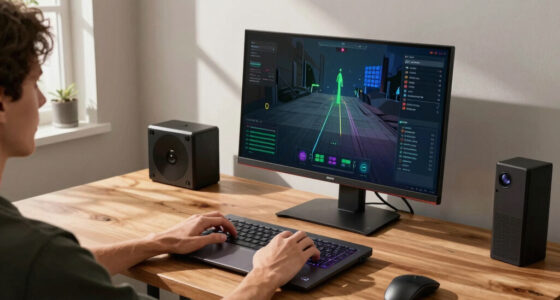
Ukraine’s Delta battlefield-management system is being cited in a new July 2026 ISR Briefing as one of the clearest working examples of software-defined warfare, giving soldiers a browser-based view of enemy positions, drone feeds, satellite imagery, sensor inputs and unit reports on a shared live map.
Delta is described as a situational-awareness and battlefield-management platform built by Ukraine’s military ecosystem, including Aerorozvidka, Ukraine’s Defense Ministry structures and the Ministry of Digital Transformation. According to the briefing, the system fuses reports from reconnaissance units, officials, partner intelligence sources and vetted observers with inputs from drones, satellites, sensor networks and other battlefield feeds.
The confirmed design point is its software-first architecture: Delta runs through ordinary browsers on phones, tablets and laptops, while its backend is described as cloud-native and deliberately hosted outside Ukraine. The stated purpose of that setup is resilience, so a missile strike or domestic infrastructure attack would not by itself disable the system.
The briefing also cites earlier reporting and analysis from CSIS, The New York Times, The Washington Post, Militarnyi, BleepingComputer and Ukrainska Pravda. Some claims about Delta’s battlefield output, including a Ukrainian Defense Ministry figure of 1,500 targets per day, are attributed to Ukrainian officials and have not been independently verified in the source material.
Software-defined warfare: how Ukraine’s Delta turned the battlefield into a shared, real-time map
A soldier opens a browser and sees the fused war — drones, satellites, sensors and vetted reports on one live map. The backend is a cloud deliberately hosted abroad so a missile can’t take it down. The clearest case yet of treating warfare as software.
Optical sensors go blind in cloud & dark; an all-weather SAR radar layer — the kind VigilSAR produces — slots into a picture like this as one resilient, sovereign input. vigilsar.com · And note the paradox: to survive missiles & cyberattack, Ukraine hosted its crown-jewel cloud outside its own borders — trading physical sovereignty for operational survivability. Resilience through distribution.
Delta’s lasting lesson isn’t a piece of software — it’s a model of how to build: commodity clients, cloud backend, open standards, relentless iteration, fusion over hardware, and resilience through distribution. It’s why a wartime NGO out-shipped procurement bureaucracies on a fraction of the budget. The platform mattered less than the picture — and the picture is software. Own the fusion layer, own the sovereign feeds into it, and get it to the edge.
Battlefield Power Moves To Software
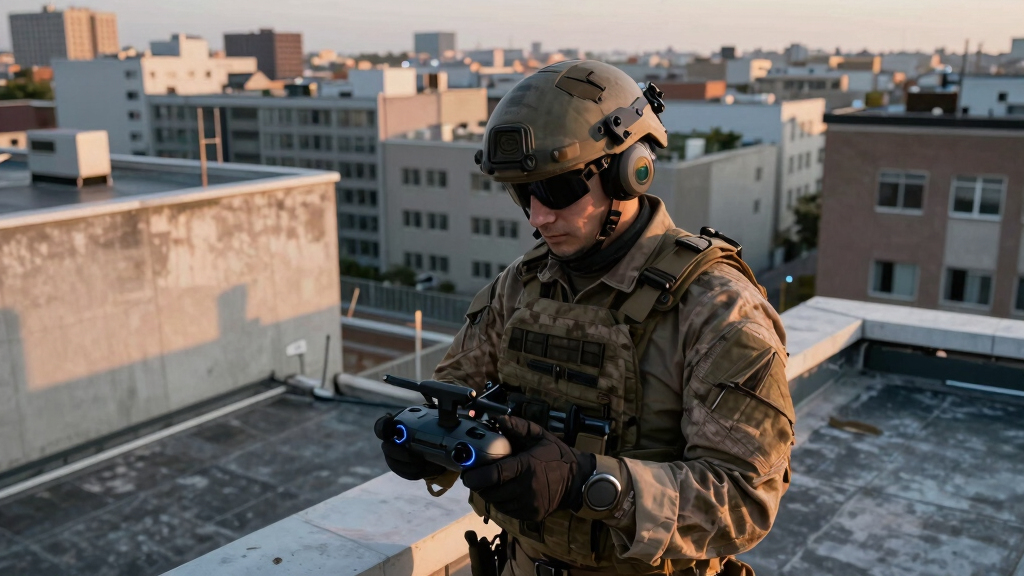
Delta matters because it shifts the center of battlefield advantage from a single expensive platform to the fusion layer that connects many inputs into one usable picture. In that model, the decisive asset is not only the drone, satellite or sensor, but the software that turns fragmented data into shared awareness for units at the edge.
The system also challenges older defense technology patterns built around custom hardware, isolated networks and slow procurement cycles. If a soldier can access a live battlefield picture from an ordinary device, Ukraine can distribute command information faster and more widely than systems tied to scarce terminals or vendor-locked equipment.
For readers outside Ukraine, the case has wider defense implications. It suggests that future military power may depend less on owning every sensor and more on controlling data standards, secure cloud infrastructure, trusted inputs and rapid software updates. That is the core idea behind the software-defined warfare label used in the CSIS framing cited by the briefing.
As an affiliate, we earn on qualifying purchases.
Delta’s NATO-Era Roots
Delta’s origins are linked in the source material to a 2017 NATO-related effort aimed at breaking Soviet-style information silos and improving battlefield data sharing. Its wartime development later became tied to Ukraine’s broader digital-defense push, including work associated with Aerorozvidka and the country’s digital ministry.
The platform is presented as part of Ukraine’s wartime pattern of fast iteration: combining an NGO-style development culture, state backing and battlefield feedback. The briefing says that approach helped Ukraine field a shared operating picture at a pace that conventional military procurement systems often struggle to match.
Delta’s foreign-hosted cloud also creates a sovereignty tradeoff. The briefing frames this as a choice between physical national hosting and operational survivability, with Ukraine appearing to accept external hosting so the system could better withstand missile attacks and cyber disruption inside the country.
“The scarce resource was never the sensor — it’s the fusion layer that turns many feeds into one trustworthy picture.”
— Thorsten Meyer AI ISR Briefing
As an affiliate, we earn on qualifying purchases.
Target Claims Need Verification
Several key details remain unclear. The source material does not independently verify the claimed 1,500 targets per day, nor does it provide a full public accounting of how targets are validated, corrected or removed from the system.
Delta’s risks are also still developing. The briefing identifies phishing, malware, connectivity disruption, electronic jamming and possible data poisoning as hazards for any fused battlefield platform. It also says the system became a major cyber target, including reported activity in December 2022.
It is also unclear from the supplied material how evenly Delta access is distributed across Ukrainian units, how often connectivity failures affect frontline use, and how partner intelligence feeds are governed or restricted.
As an affiliate, we earn on qualifying purchases.
Standards And Resilience Face Tests
The next test for Delta is whether Ukraine can keep expanding the platform while protecting data integrity, secure access and battlefield connectivity under Russian pressure. Systems like Delta depend on trust: bad data, broken links or compromised accounts can reduce the value of a shared map quickly.
Defense planners outside Ukraine are likely to keep studying the model. The main questions now are how much of Delta’s success can be copied by other militaries, which parts depend on Ukraine’s wartime conditions, and whether open standards, cloud hosting and commodity devices can be adopted without creating new security gaps.
As an affiliate, we earn on qualifying purchases.
Key Questions
What is Ukraine’s Delta system?
Delta is a Ukrainian situational-awareness and battlefield-management system that combines battlefield reports, drone feeds, satellite imagery, sensors and intelligence inputs into a shared live map.
Why is Delta described as software-defined warfare?
The label reflects the claim that Delta’s advantage comes from software, data fusion and fast updates rather than a single weapon platform or dedicated military terminal.
Is the reported 1,500 targets per day confirmed?
No. The 1,500 targets per day figure is attributed to Ukraine’s Defense Ministry in the source material, but it is described as not independently verified.
Why does Delta run through ordinary browsers?
A browser-based client allows soldiers to use phones, laptops and tablets instead of waiting for special-purpose military hardware, increasing reach and speed of use.
What are the main risks for Delta?
The main risks cited are cyberattacks, compromised accounts, jamming, weak connectivity and data poisoning, all of which could affect trust in the shared battlefield picture.
Source: Thorsten Meyer AI
Fall Picks
fall essentials
As an affiliate, we earn on qualifying purchases.