
TL;DR
The US Commerce Department has reportedly authorized 10 Chinese firms to purchase NVIDIA’s H200 AI chips, marking a potential easing of export restrictions. However, no shipments have been made, and the situation remains uncertain amid ongoing US-China tech tensions.
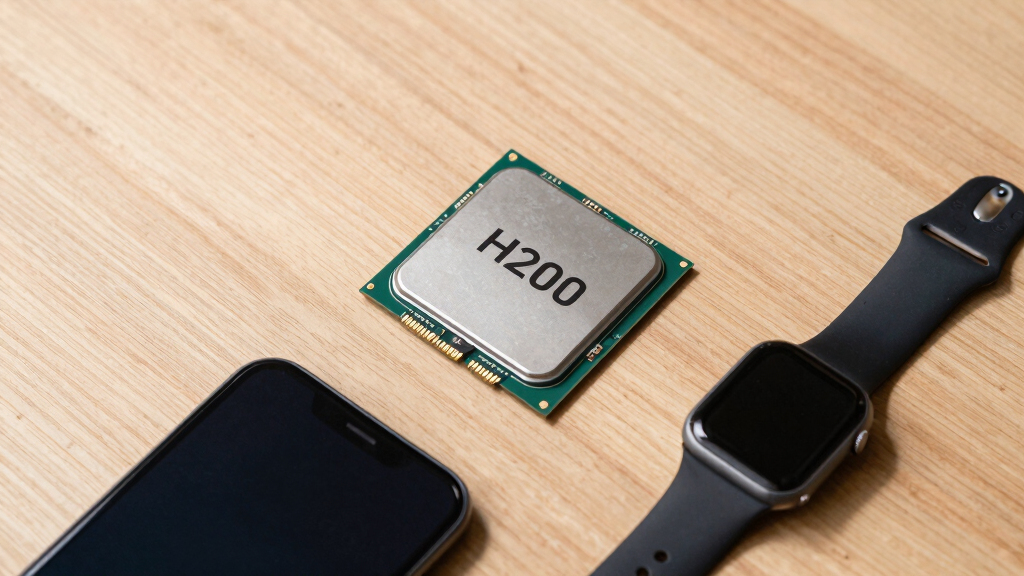
The US Commerce Department has reportedly authorized 10 Chinese firms, including major companies like Alibaba, Tencent, ByteDance, Lenovo, and Foxconn, to purchase NVIDIA’s H200 AI chips, although no shipments have taken place as of now.
According to Reuters, the US government approved these Chinese companies to buy up to 75,000 units of NVIDIA’s H200 chips, which are among the company’s most powerful AI processors. Despite this approval, NVIDIA has not yet delivered any chips to these firms. The decision follows a December 2025 US export license that permitted sales of the H200 to approved Chinese customers, after previous restrictions aimed at preventing military technology proliferation. The firms initially showed interest in purchasing but reportedly pulled back following guidance from Chinese authorities, which was influenced by recent changes in US export policies. The H200 chips are second only to NVIDIA’s high-end B200 processors and are considered critical for AI development. Meanwhile, Chinese companies have been developing their own chip technologies in response to US export bans, aiming to bolster the domestic semiconductor industry. The US restrictions require that chips pass through US territory to generate a 25% revenue share for the US government, raising concerns about security vulnerabilities. NVIDIA CEO Jensen Huang recently visited Beijing amid ongoing US-China tech tensions, including a summit with Chinese President Xi Jinping.
Why It Matters
This development signals a potential easing of US export controls on advanced AI chips to China, which could impact global AI development and US-China tech competition. It also raises questions about the effectiveness of US restrictions and whether Chinese firms will proceed with purchasing the chips amid geopolitical concerns. The situation could influence future US export policies and China’s domestic chip industry growth.
As an affiliate, we earn on qualifying purchases.
Background
US restrictions on high-end chip exports to China have been in place since late 2024, aiming to curb China’s military and technological advancements. NVIDIA, a leading AI chip manufacturer, has faced significant hurdles in selling its products to Chinese firms. The approval of the 10 companies to purchase the H200 chips represents a notable shift, though actual shipments have yet to occur. Chinese firms have been actively developing indigenous chip technology, partly in response to US bans, to reduce reliance on foreign suppliers. The recent visits by NVIDIA CEO Jensen Huang and US officials to China reflect ongoing diplomatic and economic negotiations amid strained US-China relations over technology exports.
“The US Commerce Department has reportedly authorized 10 Chinese firms to purchase NVIDIA’s H200 chips, though no shipments have occurred yet.”
— Reuters
“Huang previously warned that US export restrictions are causing NVIDIA to lose influence in China.”
— NVIDIA CEO Jensen Huang
As an affiliate, we earn on qualifying purchases.
What Remains Unclear
It is still unclear whether these companies will proceed with purchasing the chips, what the US government’s next steps might be, or if further restrictions or clarifications will follow. The exact nature of recent US policy changes influencing Chinese guidance remains undisclosed.
high-performance AI computing hardware
As an affiliate, we earn on qualifying purchases.
As an affiliate, we earn on qualifying purchases.
What’s Next
Next steps include monitoring whether shipments are made to these Chinese firms and if US policy adjustments occur. NVIDIA and Chinese companies may also engage in further negotiations, and US authorities could issue additional clarifications or restrictions.

NVIDIA DGX Spark™ – Personal AI Desktop Supercomputer – Desktop GB10 Grace Blackwell Chip
- Compact Supercomputer Design: Energy-efficient desktop AI supercomputer
- High AI Performance: Up to 1 petaFLOP with Grace Blackwell
- Full NVIDIA AI Integration: Seamless AI software stack compatibility
As an affiliate, we earn on qualifying purchases.
As an affiliate, we earn on qualifying purchases.
Key Questions
Why are the US restrictions on Chinese chip purchases important?
They aim to limit China’s military and technological advancements by restricting access to advanced AI chips, impacting global AI development and US-China economic relations.
What is the significance of the H200 chip?
The H200 is one of NVIDIA’s most powerful AI processors, second only to the B200, and is critical for AI research and applications.
Will Chinese companies actually receive the chips?
It is currently unknown; while approval has been granted, no shipments have occurred, and companies reportedly pulled back after Chinese government guidance.
How might this development affect US-China technology relations?
If shipments proceed, it could signal a shift toward more relaxed US export controls, potentially easing tensions but also raising security concerns.