
TL;DR
Ford announced it will spin off a subsidiary focused on battery energy storage, signaling a strategic shift away from EV manufacturing. Other automakers are following suit, emphasizing energy storage for data centers and utilities amid changing market conditions.
Ford has announced it will spin off a new subsidiary, Ford Energy, to focus on battery energy storage systems (BESS), marking a significant shift in strategy away from electric vehicle manufacturing. The move reflects broader industry trends as US automakers pivot toward energy-related markets amid changing policy and economic conditions.
Ford’s new subsidiary, Ford Energy, will target the production and sale of battery energy storage systems to utilities, industrial clients, and data centers, with initial deliveries expected in late 2027. The company plans to repurpose existing production lines, including a plant in Glendale, Kentucky, previously designated for EV battery manufacturing. This move follows a $19.5 billion write-down on EV programs last year, with Ford shifting focus toward hybrids and energy storage, which it considers a high-margin opportunity, according to CEO Jim Farley.
Other US automakers are also transitioning. General Motors has partnered with Redwood Materials and LG Energy Solution to develop energy storage batteries, while Stellantis has begun producing batteries for storage at its Kokomo plant, though reports suggest it may exit some of these ventures. Tesla’s energy division continues to expand, with new facilities planned for larger Megapack production to serve data centers and utilities. BloombergNEF reports that eight of the 11 US battery cell plants being retooled are now dedicated to energy storage systems.
Why It Matters
This shift signifies a major change in the US automotive industry’s strategic direction, driven by policy incentives, market demand, and the pursuit of higher profit margins in energy-related sectors. It highlights how automakers are leveraging their manufacturing expertise to enter the energy market, which is increasingly intertwined with the growth of AI, data centers, and renewable energy infrastructure. For consumers and investors, this could impact the future landscape of transportation and energy supply chains.
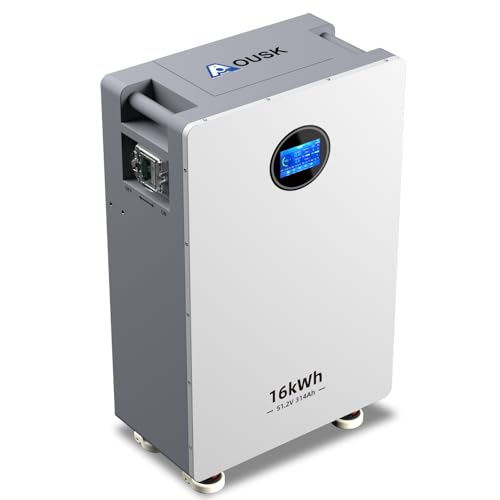
AOUSK 48V 314Ah Lifepo4 16.07kWh Lithium Battery, Build in 200A BMS High Capacity Energy Storage with Breakers, LCD Touchscreen, RS485/CAN/RS232, Ideal for Home Backup, Off-Grid, Solar System
- Safety and Durability: 200A BMS with six-layer protection
- Long Cycle Life: Up to 8,000 cycles at 80% SOC
- Real-Time Monitoring: Color display and app connectivity
As an affiliate, we earn on qualifying purchases.
As an affiliate, we earn on qualifying purchases.
Background
Over the past year, automakers like Ford, GM, and Stellantis have scaled back their EV ambitions or shifted timelines, citing market and technological uncertainties. Meanwhile, federal policies have increasingly supported battery storage projects, with tax incentives encouraging manufacturers to develop domestic energy storage solutions. Tesla has long been active in energy storage, and recent industry counts show a growing number of battery plants being repurposed for this sector, reflecting a broader industry trend.
“Our battery energy storage business is a high-margin opportunity that aligns with our broader strategy of electrification and energy solutions.”
— Ford CEO Jim Farley
“Batteries are a perfect fit for data centers, which need reliable, high-capacity energy sources, especially as AI demand grows.”
— Shan Tomouk, Benchmark Mineral Intelligence
“If automakers aren’t making money from EVs or storage, they prefer not to compete with their gas car lines, which influences their strategic choices.”
— Gil Tal, UC Davis EV Research Center

The BESS Book: A Cell to Grid Guide to Utility-Scale Battery Energy Storage Systems
As an affiliate, we earn on qualifying purchases.
As an affiliate, we earn on qualifying purchases.
What Remains Unclear
It remains unclear how sustainable this pivot will be long-term, as automakers’ commitment levels vary and market dynamics evolve. The effectiveness of these strategies in replacing profits from traditional vehicle sales is still uncertain, and regulatory or technological changes could alter the trajectory.
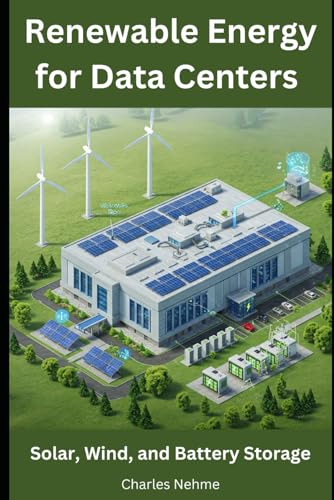
Renewable Energy for Data Centers: Solar, Wind, and Battery Storage
As an affiliate, we earn on qualifying purchases.
As an affiliate, we earn on qualifying purchases.
What’s Next
Automakers are expected to continue retooling manufacturing lines for energy storage, with more announcements likely as federal incentives and market demand grow. Monitoring their investments and partnerships over the coming months will clarify whether this shift gains momentum or faces obstacles.
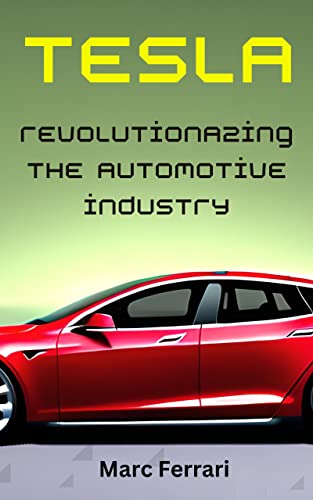
Tesla – Revolutionizing the Automotive Industry
As an affiliate, we earn on qualifying purchases.
As an affiliate, we earn on qualifying purchases.
Key Questions
Why are automakers shifting from EVs to energy storage?
Automakers see higher profit margins and favorable policies in energy storage, especially for data centers and utilities, amid challenges in EV market growth and technological hurdles.
Will this shift affect electric vehicle production?
Yes, many automakers are reducing their EV ambitions or delaying new models, reallocating resources toward energy storage and hybrid technologies.
How does policy influence this industry shift?
Federal tax incentives and legislation supporting battery storage projects encourage automakers to focus on energy solutions, while recent legislation has cut support for EV incentives.
Is this a temporary or permanent change?
The long-term impact is uncertain; industry analysts suggest it could be a strategic diversification, but it depends on market and policy developments.