
TL;DR

Get the latest gadgets delivered free — and shop member deals
- Fast, free delivery on millions of items
- Access to Prime Big Deal Days deals on October 6–7
- Prime Video, Amazon Music and more included
Oil shipments via the Panama Canal increased by more than 70% in April, primarily due to Asian buyers increasing US crude imports. The surge is linked to the Strait of Hormuz’s effective closure, impacting global supply routes.
Oil shipments passing through the Panama Canal surged more than 70% in April compared to the previous year, driven by increased imports of US crude by Asian buyers amid ongoing disruptions at the Strait of Hormuz.
According to data from the Panama Canal Authority, crude oil and petroleum product transits in April exceeded last year’s levels by over 70%. This increase is attributed to Asian countries seeking alternative sources of crude oil due to the effective closure of the Strait of Hormuz, a critical shipping route.
Industry sources indicate that Asian buyers have significantly increased their US crude imports, taking advantage of the relatively abundant US supply and competitive pricing. The shift has resulted in a notable rise in US crude exports and a corresponding increase in shipments through the Panama Canal.
Why It Matters
This development highlights a shift in global oil trade patterns driven by geopolitical tensions, specifically the blockade-like situation at the Strait of Hormuz. The surge in US crude exports to Asia could influence global oil prices and alter traditional supply routes, with potential implications for energy markets and regional geopolitics.
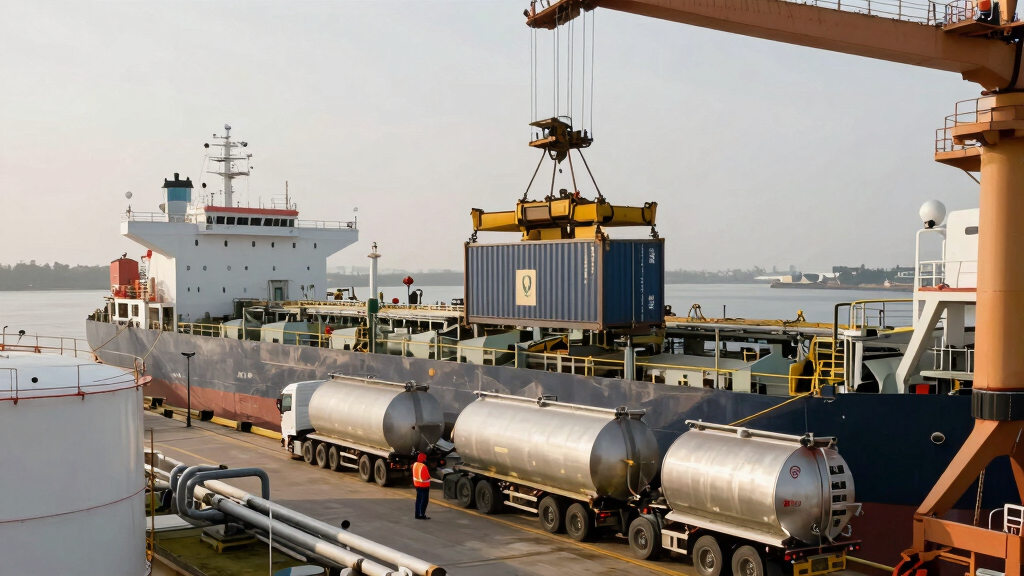
US crude oil shipping containers
As an affiliate, we earn on qualifying purchases.
As an affiliate, we earn on qualifying purchases.
Background
The Strait of Hormuz, a vital chokepoint for global oil shipments, has been effectively closed to certain traffic due to regional tensions and conflicts involving Iran. As a result, Asian buyers have sought alternative routes and sources, notably increasing imports from the US, which has ramped up production and exports. The Panama Canal serves as a key transit route for these shipments, and the recent surge reflects shifting trade flows prompted by these disruptions.
“The increase in oil transits in April reflects changing trade dynamics due to regional geopolitical tensions.”
— Panama Canal Authority
“Asian buyers are increasingly turning to US crude as the Strait of Hormuz remains effectively closed, reshaping global supply chains.”
— Industry analyst at Energy Market Research
As an affiliate, we earn on qualifying purchases.
What Remains Unclear
It is not yet clear whether this surge will be sustained in the coming months or if it reflects a temporary response to current disruptions. Further data is needed to assess the long-term impact on global oil trade patterns.
As an affiliate, we earn on qualifying purchases.
What’s Next
Trade analysts expect continued monitoring of US crude exports and regional shipping routes. Further monthly data will reveal whether the April surge is an anomaly or part of a sustained trend, especially if geopolitical tensions persist.
As an affiliate, we earn on qualifying purchases.
Key Questions
Why did oil shipments through the Panama Canal increase so dramatically?
The increase is primarily due to Asian buyers importing more US crude oil, as the effective closure of the Strait of Hormuz has limited alternative shipping routes for regional oil supplies.
How does the Strait of Hormuz closure affect global oil markets?
It constrains traditional shipping routes for Middle Eastern oil, prompting buyers to seek alternative sources and routes, such as increased US crude imports via the Panama Canal.
Will this trend continue in the coming months?
It remains uncertain. Analysts will watch upcoming shipping and trade data to determine if the surge is temporary or part of a longer-term shift.
What are the broader implications of this shift?
The shift could influence global oil prices, supply chain logistics, and regional geopolitical dynamics, especially if the disruptions at the Strait of Hormuz persist.
Fall Picks
fall essentials
As an affiliate, we earn on qualifying purchases.