
The Sony WF-1000XM5 and Bose QuietComfort Ultra Earbuds are premium wireless earbuds for people who want serious noise cancellation without carrying over-ear headphones. Their central tradeoff is straightforward: Bose is especially compelling for quieting busy surroundings, while Sony pairs strong cancellation with longer rated battery life and more sound customization. The difference matters most to frequent travelers, commuters, and anyone who listens for hours at a time. Choose Bose if the quietest, most immersive listening experience is worth paying for; choose Sony if you want a more adaptable everyday set and better endurance between charges.

Get the latest gadgets delivered free with Prime
- Fast, free delivery on millions of items
- Prime Video, Amazon Music and more included
- Member-only deals all year
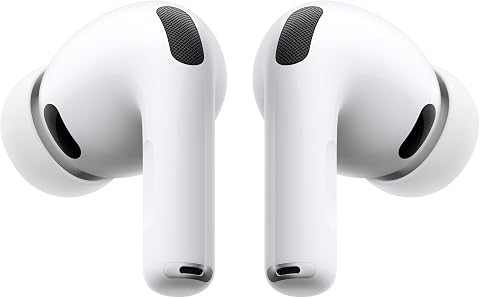
Apple AirPods Pro 3 Wireless Earbuds with Active Noise Cancellation
- ✔ Noise control: Active Noise Cancellation; Apple claims up to 2x more unwanted-noise removal than AirPods Pro 2
- ✔ ANC-on listening: Up to 8 hours per charge
- ✔ Transparency listening: Up to 10 hours using the Hearing Aid feature

TOZO Hybrid Active Noise Cancelling in Ear Wireless Earbuds, 68H Playtime
- ✔ Noise control: Hybrid ANC, claimed reduction up to 45 dB
- ✔ ANC-on playback: Up to 9.5 hours per charge; up to 40 hours with case
- ✔ ANC-off playback: Up to 13 hours per charge; up to 68 hours with case

soundcore P30i by Anker Noise Cancelling Earbuds, Hands-Free Viewing
- ✔ Noise control: Adaptive ANC; claimed reduction up to 42 dB
- ✔ ANC-on playback: Up to 6 hours per charge; up to 25 hours with case
- ✔ ANC-off playback: Up to 10 hours per charge; up to 45 hours with case
At a Glance
| Criteria | Sony WF-1000XM5 | Bose QuietComfort Ultra Earbuds | Winner |
|---|---|---|---|
| Noise cancellation | Excellent adaptive cancellation, with adjustable ambient sound | Class-leading cancellation for many noisy travel and commute settings | B |
| Sound customization | Detailed sound, app equalizer, and customizable listening settings | Engaging sound and Immersive Audio, with a more limited equalizer | A |
| Battery life with ANC | Up to 8 hours per charge; case adds up to 16 hours | Up to 6 hours per charge; less with Immersive Audio | A |
| Fit and comfort | Small earbuds with foam-style tips; fit varies by ear | Stability bands and multiple tip sizes help secure the fit | Depends |
| Calls | Strong voice pickup with AI-based noise reduction | Clear calls in suitable conditions, but performance varies with wind and noise | A |
| Device features and controls | Multipoint, wireless charging, touch controls, and broad app options | Immersive Audio, CustomTune, and adjustable listening modes; no wireless case charging | A |
| Value | Often a better buy when discounted; feature-rich for daily use | Worth a premium when cancellation and immersion matter more than battery or extras | A |
Apple AirPods Pro 3 Wireless Earbuds with Active Noise Cancellation
AirPods Pro 3 take the top position because noise cancellation is supported by a broader set of listening and fit features. Apple says this model removes up to twice as much unwanted noise as AirPods Pro 2, and the new ear tips come in five sizes. That range gives buyers more opportunity to find a secure seal, which matters because a poor fit can undercut both noise reduction and sound quality. Compared with the P30i and TOZO NC3, this pick also puts greater emphasis on integration with Apple devices, including Automatic Switching and Audio Sharing.The tradeoff is that several extras are ecosystem-dependent. Live Translation, Workout Buddy, and some health features require compatible Apple devices or Apple Intelligence, so Android users should judge the earbuds on core audio, fit, and ANC rather than the full feature list. The supplied description gives up to eight hours of listening with ANC on, shorter than TOZO’s claimed 9.5 hours per charge. It also does not provide a total case playback figure here. Choose these for a refined Apple-centered setup; choose TOZO if endurance and water resistance matter more, or soundcore if a phone-stand case is more useful than ecosystem features.
Pros:
- Apple claims up to twice the unwanted-noise removal of AirPods Pro 2.
- Five ear-tip sizes offer more flexibility for finding a secure seal.
- Up to 8 hours of listening with ANC enabled per charge.
- Automatic Switching and Audio Sharing support a connected Apple setup.
Cons:
- Several advertised features require compatible Apple devices or Apple Intelligence.
- TOZO NC3 claim longer playback per charge with ANC enabled.
- The provided listing does not specify total playback with the charging case.
Best for: iPhone and other Apple device owners who want active noise cancellation, several fit options, and integrated device features.
Not ideal for: Android users who would not benefit from Apple-specific features, or listeners prioritizing the longest stated ANC-on battery life and a specified waterproof rating.
Bottom line: For Apple users, AirPods Pro 3 are the most balanced noise-cancelling choice in this group, provided their ecosystem-specific features fit your devices.
“For Apple users, AirPods Pro 3 are the most balanced noise-cancelling choice in this group, provided their ecosystem-specific features fit your devices.”
TOZO Hybrid Active Noise Cancelling in Ear Wireless Earbuds, 68H Playtime
For listeners who want to stay in ANC mode through commutes, travel, or long workdays, TOZO NC3 put battery endurance at the center of the decision. The listing claims up to 9.5 hours per charge with ANC on and up to 40 hours with the case in that mode. That is more stated ANC-on playback than the AirPods Pro 3’s eight hours per charge and the P30i’s six hours, making TOZO the clearest fit for buyers who do not want to top up as often. Its hybrid ANC is described as targeting steady low-frequency sounds, such as engine rumble and air-conditioning hum.That focus has practical limits: no ANC figure guarantees silence, and the ear-tip seal remains important. TOZO supplies multiple tip sizes and a transparency mode for moments when you need announcements or conversation. It also claims six microphones with ENC for calls, plus an IPX8 waterproof rating, which make this the most activity-friendly profile in the lineup. Its case endurance is the standout, though soundcore’s case has a useful built-in phone stand and Apple offers a stronger device-integration story. The listing does not specify how call quality compares under real-world conditions, so frequent meeting users should treat the microphone count as a feature claim, not a guarantee.
Pros:
- Claims up to 9.5 hours per charge and 40 hours with the case with ANC on.
- Hybrid ANC is described as targeting steady low-frequency sounds.
- IPX8 rating and multiple ear-tip sizes suit varied daily use.
- Transparency mode and six-microphone ENC call processing are included.
Cons:
- The 68-hour maximum applies with ANC off; ANC-on case endurance is listed as up to 40 hours.
- The supplied description does not establish real-world call performance.
- Bluetooth 5.3 is specified, while soundcore lists the newer Bluetooth 5.4.
Best for: Frequent travelers, commuters, and active listeners who want long claimed ANC-on playback and a high water-resistance rating.
Not ideal for: Buyers seeking Apple-specific switching and hearing features, or those who prefer the P30i’s viewing stand and adaptive ANC controls.
Bottom line: TOZO NC3 are the endurance pick for buyers who want long ANC sessions, transparency, and water resistance in one set of earbuds.
“TOZO NC3 are the endurance pick for buyers who want long ANC sessions, transparency, and water resistance in one set of earbuds.”
soundcore P30i by Anker Noise Cancelling Earbuds, Hands-Free Viewing
The soundcore P30i are the most distinctive everyday pick here: their charging case opens into a phone stand, so the same accessory that carries the earbuds can prop up a screen for videos. For travelers watching shows during a break, that practical extra may matter more than a second app feature. The earbuds also offer adaptive ANC that detects outside sound and selects a cancellation level, plus transparency mode when you need to stay aware. That makes the P30i a flexible option for moving between focused listening and the surrounding world.Battery figures are less compelling for continuous noise-cancelling use than TOZO’s: soundcore lists up to six hours with ANC on and up to 25 hours with the case, compared with TOZO’s 9.5 and 40 hours respectively. The P30i do claim up to 45 hours with ANC off, and a 10-minute charge is said to provide two hours of playback. Their 10 mm drivers and BassUp tuning favor a punchier low end, while TOZO lists a larger driver and more EQ presets. The available description specifies IP54, which is less protective against water than TOZO’s IPX8 claim. Pick soundcore for the stand, adaptive ANC, and bass-forward listening; look elsewhere if your priority is longer ANC runtime or a higher stated water-resistance rating.
Pros:
- Adaptive ANC adjusts cancellation based on detected external sound.
- The case folds into a phone stand for hands-free viewing.
- Claims up to 25 hours total playback with ANC enabled.
- A 10-minute charge is claimed to provide up to 2 hours of playback.
Cons:
- ANC-on playback is listed at up to 6 hours per charge, below the other two picks.
- IP54 offers a lower stated water-resistance rating than TOZO NC3’s IPX8.
- BassUp tuning may not suit listeners seeking a more neutral sound.
Best for: Travelers and casual viewers who want adaptive noise cancellation, punchy bass, and a charging case that doubles as a phone stand.
Not ideal for: Listeners who keep ANC on for long stretches, want a stated IPX8 rating, or prefer more extensive sound customization.
Bottom line: soundcore P30i make the most sense when their phone-stand case and adaptive ANC are more useful to you than longer ANC battery life.
“soundcore P30i make the most sense when their phone-stand case and adaptive ANC are more useful to you than longer ANC battery life.”
As an Amazon Associate we earn from qualifying purchases.
Key Differences
The biggest practical difference is how each pair balances quiet with flexibility. Bose’s cancellation is its defining strength: it can make aircraft rumble, transit noise, and office hum less intrusive, so it suits listeners who spend much of the day in loud places. Sony also cancels noise very well, but its advantage is the package around that performance: a longer rated charge with ANC enabled, wireless charging for the case, multipoint connection, and detailed app controls.
Fit and sound are more personal. Bose includes stability bands as well as ear tips, which can help the earbuds stay put, and its Immersive Audio mode can make some listening feel more spacious. Sony’s smaller design and foam-style tips may work better for some ears, while its equalizer gives listeners more direct control over tonal balance. Neither design is a guaranteed fit for every ear, and immersive processing is a preference rather than a universal upgrade. The best choice depends on whether stronger isolation or a more adaptable daily-use package will make a bigger difference to you.
Detailed Comparison
Noise cancellation (Bose QuietComfort Ultra Earbuds wins — moderate)
Bose wins, with a moderate advantage. Both earbuds reduce steady background noise effectively, but Bose is the safer pick if you regularly face loud commutes, flights, or open-plan offices. Its cancellation is the feature around which the QC Ultra is built. Sony remains a high-performing alternative, and its adaptive cancellation and ambient modes let you adjust how much of the outside world comes through. In practice, Bose is more likely to satisfy someone whose main goal is quiet; Sony is already strong enough for most everyday travel.
Sound and customization (Sony WF-1000XM5 wins — moderate)
Sony wins, with a moderate advantage for listeners who like to adjust sound. The WF-1000XM5 offers detailed playback and a fuller set of equalizer controls in its app. That makes it easier to tailor the sound to different genres or personal preferences. Bose provides engaging audio and Immersive Audio, which can add a spacious presentation, but the effect depends on the recording and listener. Choose Bose for its spatial mode; choose Sony for more hands-on control over the sound itself.
Battery life with noise cancellation (Sony WF-1000XM5 wins — moderate)
Sony wins, with a moderate advantage. Sony rates the earbuds for up to eight hours per charge with ANC on, compared with Bose’s up to six hours under standard listening conditions. Actual time changes with volume, settings, and calls, but the gap still gives Sony more breathing room on a long workday or journey. Bose’s battery is adequate for many commutes, yet its charge can run down sooner, especially when Immersive Audio is active. The case also adds more listening time for Sony overall.
Fit and comfort (moderate difference)
This depends on your ears; there is no clear universal winner. Bose supplies soft stability bands and multiple ear tip sizes to help anchor the earbuds, a useful setup for people who move around or have trouble with a loose fit. Sony’s smaller buds and foam-style tips create a different seal that some listeners find comfortable and secure, while others prefer silicone or find foam less comfortable over long sessions. A good seal also affects both bass and noise cancellation. If possible, buy from a seller with a return period and test each fit during ordinary use.
Phone calls (Sony WF-1000XM5 wins — minor)
Sony has a slight edge for everyday call handling. Its voice pickup and noise reduction make it a dependable option for calls in varied surroundings. Bose also supports clear conversations, but wind and nearby noise can affect how well the other person hears you. Neither pair should be treated as a dedicated headset for frequent calls in very loud outdoor settings. For occasional calls, both are capable; for calls throughout a workday, Sony is the more balanced bet, though your environment and fit still matter.
Features, controls, and charging (Sony WF-1000XM5 wins — moderate)
Sony wins, with a moderate advantage in everyday flexibility. The WF-1000XM5 supports connections to two devices at once, wireless case charging, and a broad collection of app settings and touch controls. Those details help when switching between a laptop and phone or keeping the case on a wireless charging pad. Bose’s distinguishing tools include CustomTune, which adapts audio to the listener, and Immersive Audio modes. Its case does not support wireless charging. Bose’s special modes may matter more to some listeners, but Sony covers more practical conveniences.
Value (Sony WF-1000XM5 wins — moderate)
Sony is the better value for most buyers, especially when discounted. Both launched as premium earbuds, and sale prices change, so check the current difference before buying. Sony’s longer ANC battery life, wireless case charging, multipoint, and app customization make a price gap easier to justify in its favor. Paying extra for Bose makes sense if its stronger noise cancellation or Immersive Audio addresses a need you will use often. If the prices are close and quiet on planes is your main goal, Bose can still be the more satisfying purchase.
Sony WF-1000XM5: Pros and Cons
Pros:
- Longer rated battery life with ANC enabled
- Wireless charging for the case
- Multipoint connections and extensive app customization
- Strong noise cancellation and sound quality
Cons:
- Bose may block noise more effectively in demanding environments
- Foam-style tips will not suit every listener
- Fit and touch controls can take adjustment
Bose QuietComfort Ultra Earbuds: Pros and Cons
Pros:
- Excellent noise cancellation for travel and noisy daily settings
- Stability bands can help keep the earbuds in place
- Immersive Audio and CustomTune add distinctive listening options
- Effective ambient listening modes
Cons:
- Shorter rated battery life than Sony
- Case does not support wireless charging
- Immersive Audio reduces battery life
- Less equalizer flexibility than Sony
Who Should Choose What
Choose Sony WF-1000XM5 if:
- You want longer listening time with ANC on.
- You switch between a phone and computer and want multipoint.
- You value wireless case charging and detailed sound controls.
- You want premium ANC performance at a lower sale price.
Choose Bose QuietComfort Ultra Earbuds if:
- You spend a lot of time on planes, trains, or in noisy workspaces.
- Noise cancellation matters more to you than battery life or charging extras.
- The stability bands give you a more secure fit.
- You enjoy spatial audio and will use Immersive Audio regularly.
Skip both if: You need substantially longer battery life, a guaranteed comfortable fit, or the lowest possible price. Compare less expensive earbuds or over-ear headphones before spending at this premium level.
Value for Money
For most buyers, the Sony WF-1000XM5 is the stronger value because its longer rated ANC battery life and practical extras improve daily use without giving up excellent noise cancellation. That case is strongest when Sony costs less than Bose. The QC Ultra earns its higher price when you travel or work in loud settings often enough to benefit from its particularly effective cancellation, or when you specifically enjoy its Immersive Audio modes. If you mostly listen at home or on quieter commutes, paying extra for Bose is harder to justify. Check current prices: a substantial discount can make either model the better buy.
Final Verdict
Choose the Sony WF-1000XM5 for the best all-around balance of noise cancellation, battery life, charging convenience, and customization. It is the sensible choice for most listeners who want one premium pair for commuting, work, calls, and travel. Choose the Bose QuietComfort Ultra Earbuds if your first priority is reducing noise on flights or in busy surroundings, and you are comfortable giving up some battery life and case convenience for that strength. The deciding factor is how often you need maximum quiet: occasional noise favors Sony’s broader value; frequent loud travel makes Bose’s extra isolation easier to justify.
Frequently Asked Questions
Which earbuds have stronger noise cancellation?
The Bose QuietComfort Ultra Earbuds are the stronger choice when maximum cancellation is the priority, especially for frequent air travel or noisy commutes. Sony’s WF-1000XM5 also performs very well, so the practical gap may matter less in quieter settings.
Which lasts longer with noise cancellation on?
Sony rates the WF-1000XM5 for up to eight hours per charge with ANC on. Bose rates the QuietComfort Ultra Earbuds for up to six hours under standard conditions, with Immersive Audio reducing that figure. Volume and settings affect real listening time.
Are the Bose earbuds worth paying more for?
They can be worth a premium if you regularly listen in loud environments and Bose’s stronger cancellation will make a clear difference. If you value longer battery life, wireless case charging, and multipoint more, Sony is a better use of the money.
Which pair is better for a long commute?
Sony is the more practical pick for a long day because it has longer rated battery life with ANC on and a case that supports wireless charging. Bose is a strong alternative when blocking commute noise matters more than making it through the day on one charge.