
TL;DR

Get the latest gadgets delivered free — and shop member deals
- Fast, free delivery on millions of items
- Access to Prime Big Deal Days deals on October 6–7
- Prime Video, Amazon Music and more included
A report in The Pragmatic Engineer describes AI as a fast-moving force reshaping software development, with many engineers using multiple coding agents rather than writing code by hand. The account also flags concerns about reliability and code review, while saying teams and planning remain important.
AI coding tools are changing how software engineers work, according to a 2026 industry snapshot published by The Pragmatic Engineer, which describes developers coordinating several AI agents at once and writing less code manually. The report also identifies falling quality and reliability and less substantive code review as concerns, making the shift consequential for companies that rely on software teams to deliver dependable products.
The account draws on a keynote at the LDX3 engineering leadership conference in New York, attended by more than 2,000 engineering leaders and practitioners, as well as visits and conversations with AI labs, startups and technology companies. The author says the reporting included unpublished data from GitHub, Factory AI and Linear, but the source material does not provide the underlying datasets or detailed methodology.
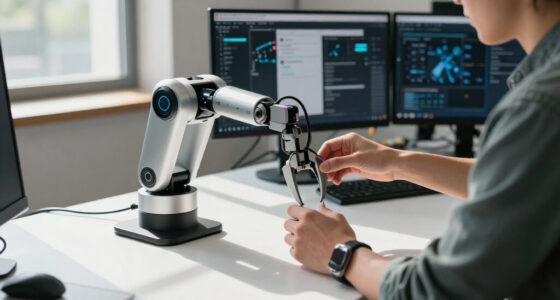
One prominent change is the use of multiple coding-agent sessions in parallel. The report quotes engineers describing work across five to 10 agents or sessions, switching between tasks while agents generate or test code. It also points to the fading role of the traditional integrated development environment and says that coding by hand has become less common among the engineers observed.
The report’s account is not uniformly positive. It says assumptions about code output have broken down, code reviews can become “theatrical,” and quality and reliability are down. Those are the author’s conclusions from the reported observations, not industry-wide measurements presented in the supplied material. The source also stresses that teams and planning still matter, and says non-engineers are not generally shipping code themselves.
AI Changes the Work of Engineering Teams
If developers increasingly supervise agents instead of producing each line of code, companies may need to rethink how they assign work, review changes and evaluate engineering output. The report’s examples suggest that managing parallel agent sessions is becoming part of some engineers’ daily workflow, but they do not establish how common that practice is across the full industry.
The quality concerns are especially relevant to organizations adopting these tools. Faster code generation does not by itself establish that software is correct, maintainable or safe to release. If review becomes a formality rather than a meaningful check, teams could have difficulty identifying defects. The report raises that risk but does not quantify defects or link them to AI use.
For readers outside engineering, the change could affect how software is built and maintained across businesses. The report presents a broad shift in working methods, not evidence that AI has replaced engineering teams or that the same outcomes apply to every company.
As an affiliate, we earn on qualifying purchases.
From Earlier Tech Shifts to Coding Agents
The report places the current AI shift alongside earlier changes familiar to the technology sector, including the spread of the internet, smartphones, cloud computing and new programming languages and frameworks. Its central distinction is the scale and speed of change: the author argues that AI is already affecting development work more directly than many earlier technologies did.
Martin Fowler, a software engineer and industry veteran quoted in the report, describes AI as having a magnitude unlike previous changes. The author also says coding models improved substantially toward the end of 2025, helping make AI-assisted development a larger trend in 2026. The source offers this as context for the changes it observed, rather than a quantified account of model performance.
Examples in the report come from people working at AI labs and technology companies, including Claude Code creator Boris Cherny and software engineers Peter Mattis and Dima Zaytsev. Their experiences illustrate emerging practices; they should not be treated as a representative survey of all developers.
“Nothing has hit with the magnitude of AI. This is a whole size difference from anything that we’ve faced before.”
— Martin Fowler, software engineer and industry veteran, as quoted in The Pragmatic Engineer
integrated development environment alternatives
As an affiliate, we earn on qualifying purchases.
As an affiliate, we earn on qualifying purchases.
How Broad the Shift Really Is
The source material does not give a representative survey showing what share of engineers have stopped writing code by hand, how many routinely use five to 10 agents, or how these practices differ by company size and role. Its examples come largely from experienced engineers and technology organizations, so the prevalence across the workforce remains unclear.
The report also does not publish the cited GitHub, Factory AI or Linear data in the supplied material, or provide numerical measures for its statements about declining quality and reliability. It is not clear how much of those concerns is caused by AI tools, how the findings were measured, or whether the trend extends across software projects generally.
As an affiliate, we earn on qualifying purchases.
More Agent-Based Development Ahead
The report expects cloud coding agents and supporting infrastructure to gain attention as companies adapt tools and workflows to agent-based development. It also predicts that engineers may spend less time reading code directly. These are forecasts in the report, not confirmed outcomes for the industry as a whole.
The next useful evidence will include published data on adoption, code quality, reliability and the effects on review and release practices. The source does not specify a date for those data or a formal follow-up milestone. For now, the clearest picture is a rapidly changing set of practices, with potential productivity gains accompanied by unresolved questions about oversight and software quality.
AI programming tools for developers
As an affiliate, we earn on qualifying purchases.
As an affiliate, we earn on qualifying purchases.
Key Questions
What is the main change described in the report?
The report says some software engineers are using multiple AI coding agents in parallel and writing less code manually. It presents this as an emerging practice, not a measured industry-wide shift.
Does the report say AI has replaced software engineers?
No. It describes changes in engineering work and says teams remain important. The source does not report that AI has replaced engineering teams.
What concerns does the report raise?
It flags code quality and reliability and warns that some code reviews may become superficial. The supplied source does not quantify these concerns or establish their cause.
How common is the use of five to 10 coding agents?
The report includes examples from individual engineers who use that many sessions. It provides no representative data establishing how common the practice is across the profession.
What developments does the report expect next?
It anticipates wider attention to cloud coding agents and AI infrastructure, as well as changes in how engineers inspect code. These are projections, and their pace and scale remain uncertain.
Source: rss
Halloween Picks
halloween
As an affiliate, we earn on qualifying purchases.