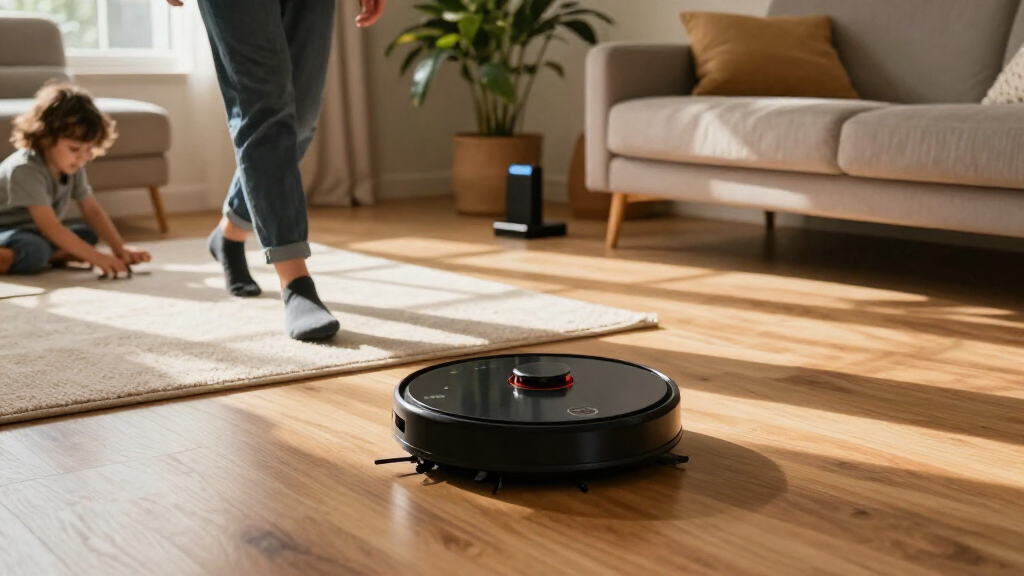

The best robot vacuum cleaner overall in this roundup is the Roborock Qrevo S Pro, which stands out for buyers seeking a more capable vacuum-and-mop setup. The Roborock Q7 M5+ is a strong alternative if hands-off dust disposal matters most, while the Dreame L40 Ultra Gen 2 is the premium choice for shoppers prioritizing a feature-rich cleaning system. The main tradeoffs are dock convenience versus upfront complexity, mopping capability versus maintenance, and advanced navigation versus a simpler, less costly design. I compare all 15 options by their features, usability, and fit for different homes. Read on for the full breakdown and help matching a model to your floors, routine, and priorities.

Get the latest gadgets delivered free with Prime
- Fast, free delivery on millions of items
- Prime Video, Amazon Music and more included
- Member-only deals all year
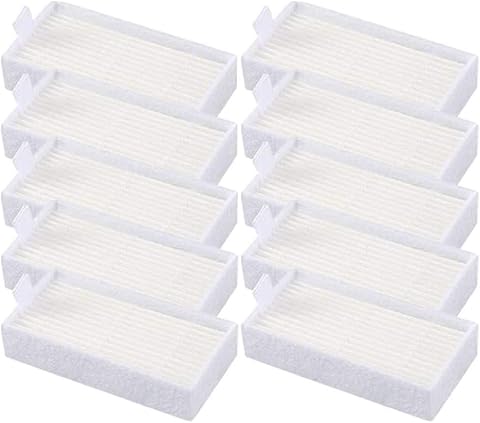
Complete the kit


Key Takeaways
- Dock features separate the leading choices: the Roborock Q7 M5+, Shark models, and Roomba 115X Combo offer self-emptying setups, while simpler options ask owners to handle more routine maintenance themselves.
- Vacuum-and-mop combos are not interchangeable: the Qrevo S Pro and Dreame L40 Ultra Gen 2 target shoppers seeking a more involved floor-care system; basic combo models suit lighter mopping expectations.
- Roborock appears in several distinct roles: the Qrevo S Pro leans toward feature depth, the Q7 M5+ adds a self-emptying dock, and the Q7 L5 offers a more straightforward combo approach.
- Shark’s lineup centers on self-emptying convenience: the AI Ultra and AV2501 variants share a focus on automated dust handling, with the AV2501AE adding an XL HEPA base and the AV2501S highlighting Matrix Clean.
- Simple models remain relevant for narrower needs: the ILIFE V2 and entry-level combo options may fit buyers who want basic automated cleaning, but they lack the dock-led convenience and feature range of higher-tier picks.
| 2-in-1 Robot Vacuum and Mop with App, Remote, and Voice Control |  | Best Slim Pick for Basic Daily Cleaning | Suction power: 2300 Pa | Dust bin capacity: 200 ml | Water tank capacity: 230 ml | VIEW LATEST PRICE | See Our Full Breakdown |
| iMartine BR151 Robot Vacuum and Mop |  | Best for Adjustable Hard-Floor Cleaning | Model: BR151 | Dustbin capacity: 200 ml | Water tank capacity: 230 ml | VIEW LATEST PRICE | See Our Full Breakdown |
| Roborock Qrevo S Pro Robot Vacuum and Mop |  | Best for Automated Mop Care | Suction power: 18,500 Pa | Dust bag capacity: 2.7 L | Battery life: 180 minutes | VIEW LATEST PRICE | See Our Full Breakdown |
| Roborock Q7 M5+ Robot Vacuum and Mop with Self-Emptying Dock |  | Best for Long Gaps Between Bin Emptying | Suction power: 10,000 Pa | Dust bag capacity: 2.7 L | Self-emptying interval: Up to 7–9 weeks | VIEW LATEST PRICE | See Our Full Breakdown |
| Dreame L40 Ultra Gen 2 Robot Vacuum and Mop |  | Best Premium Pick for Reach and Suction | Model: L40 Ultra Gen 2 (RLL53SE) | Suction power: 25,000 Pa | Battery capacity: 5,200 mAh | VIEW LATEST PRICE | See Our Full Breakdown |
| ROPVACNIC Robot Vacuum and Mop Combo |  | Best for Pet Hair on Hard Floors | Suction power: 5200 Pa | Battery life: 120 minutes | Water adjustment: Four-stage | VIEW LATEST PRICE | See Our Full Breakdown |
| Roborock Q7 L5 Robot Vacuum and Mop Combo |  | Best for Mapping and Carpet Pickup | Suction power: 8,000 Pa | Navigation: LiDAR | Water tank capacity: 270 ml | VIEW LATEST PRICE | See Our Full Breakdown |
| E8S Robot Vacuum and Mop with 6500Pa Suction and Gyro Navigation |  | Best for Long Eco-Mode Runs | Maximum suction: 6500 Pa | Suction modes: Eco 800 Pa, Standard 1600 Pa, Strong 3000 Pa, Max 6500 Pa | Maximum runtime: 200 minutes in Eco mode | VIEW LATEST PRICE | See Our Full Breakdown |
| Tikom G8000 Max Robot Vacuum and Mop Combo |  | Best for Quiet, Low-Profile Cleaning | Suction power: 5000 Pa | Battery life: Up to 150 minutes | Dustbin capacity: 450 ml | VIEW LATEST PRICE | See Our Full Breakdown |
| iRobot Roomba 105 Vac Robot Vacuum |  | Best for Mapped Vacuum-Only Cleaning | Navigation: ClearView LiDAR | Cleaning system: 3-stage | Suction levels: 4 | VIEW LATEST PRICE | See Our Full Breakdown |
| Shark AI Ultra Robot Vacuum with 60-Day Self-Emptying Base, Black (AV2511AE) |  | Best for Low-Maintenance Mapping | Model: AV2511AE | Color: Black | Navigation: 360° LiDAR mapping with object detection | VIEW LATEST PRICE | See Our Full Breakdown |
| Shark AV2501AE AI Robot Vacuum with XL HEPA Self-Empty Base |  | Best for Allergens and Longer Runs | Model: AV2501AE | Navigation: 360° LiDAR | Self-empty base capacity: Up to 60 days | VIEW LATEST PRICE | See Our Full Breakdown |
| ILIFE V2 Robot Vacuum Cleaner |  | Best for Simple, Wi-Fi-Free Cleaning | Model: V2 | Dimensions: 12.2 x 12.2 x 2.99 inches | Weight: 3.21 kg | VIEW LATEST PRICE | See Our Full Breakdown |
| iRobot Roomba 115X Combo Robot Vacuum and Mop with AutoEmpty Dock |  | Best for Vacuuming and Mopping Together | Suction power: 15,000 Pa | Coverage per charge: Up to 900 sq ft | Battery life: 173 minutes | VIEW LATEST PRICE | See Our Full Breakdown |
| Shark AV2501S AI Ultra Robot Vacuum with Matrix Clean and Self-Empty Base |  | Best for Pet Hair and HEPA Filtration | Navigation: Matrix Clean with 360° LiDAR mapping | Surface recommendation: Carpets and hard floors | Self-empty base capacity: Up to 30 days of dirt and debris | VIEW LATEST PRICE | See Our Full Breakdown |
| robot vacuum cleaner | Battery life | Navigation | Suction power |
|---|---|---|---|
| 2-in-1 Robot Vacuum and Mop wi | — | — | 2300 Pa |
| iMartine BR151 Robot Vacuum an | Up to 100 minutes | — | — |
| Roborock Qrevo S Pro Robot Vac | 180 minutes | LiDAR | 18,500 Pa |
| Roborock Q7 M5+ Robot Vacuum a | 150 minutes | PreciSense LiDAR | 10,000 Pa |
| Dreame L40 Ultra Gen 2 Robot V | Up to 231 minutes | — | 25,000 Pa |
| ROPVACNIC Robot Vacuum and Mop | 120 minutes | — | 5200 Pa |
| Roborock Q7 L5 Robot Vacuum an | Up to 150 minutes | LiDAR | 8,000 Pa |
| E8S Robot Vacuum and Mop with | — | Gyro inertial navigation with zigzag cleaning | — |
| Tikom G8000 Max Robot Vacuum a | Up to 150 minutes | — | 5000 Pa |
| iRobot Roomba 105 Vac Robot Va | — | ClearView LiDAR | — |
| Shark AI Ultra Robot Vacuum wi | — | 360° LiDAR mapping with object detection | — |
| Shark AV2501AE AI Robot Vacuum | Up to 120 minutes | 360° LiDAR | — |
| ILIFE V2 Robot Vacuum Cleaner | — | — | — |
| iRobot Roomba 115X Combo Robot | 173 minutes | LiDAR | 15,000 Pa |
| Shark AV2501S AI Ultra Robot V | — | Matrix Clean with 360° LiDAR mapping | — |
More Details on Our Top Picks
2-in-1 Robot Vacuum and Mop with App, Remote, and Voice Control
This model’s 2.87-inch profile is its clearest advantage: it can reach beneath some low furniture where taller, dock-based models such as the Roborock Qrevo S Pro may not fit. It vacuums and mops in one run, and its brushless design is intended to reduce pet-hair tangles, making it a practical choice for routine upkeep on hard floors and low-pile carpet. App, remote, and voice controls, plus four cleaning modes, offer useful flexibility without a complex feature set. The tradeoff is a 200 ml dust bin and no automated emptying, so owners will handle more frequent upkeep than with the Qrevo S Pro. Its listed runtime is also inconsistent: the description says up to 100 minutes, while the specification says 1000 hours, so I would not rely on the latter figure.
Pros:- Slim 2.87-inch body can fit beneath some low furniture.
- Vacuums and mops in the same cleaning run.
- App, remote, voice, and onboard button controls.
- Brushless suction design is intended to reduce pet-hair tangles.
Cons:- Small 200 ml dust bin needs regular emptying.
- App Wi-Fi support is limited to 2.4 GHz.
- Runtime information conflicts between the description and specifications.
Best for: People with low-clearance furniture who want basic scheduled vacuuming and mopping, and are comfortable emptying a small bin themselves.
Not ideal for: Buyers who want a verified long runtime, large debris capacity, or a dock that empties and maintains the robot automatically.
- Suction power:2300 Pa
- Dust bin capacity:200 ml
- Water tank capacity:230 ml
- Body height:2.87 inches
- Cleaning path width:11.8 inches
- Listed battery life:Up to 100 minutes in description; specification also lists 1000 hours
- Cleaning modes:Auto, Spot, Edge, Zig-Zag
- Connectivity:2.4 GHz Wi-Fi
Our verdict“Choose it for a slim, straightforward vacuum-and-mop robot, but skip it if you want automated maintenance or dependable runtime information.”
iMartine BR151 Robot Vacuum and Mop
The BR151 stands out among the simpler combo robots for its three suction levels and adjustable water flow, giving owners more control over everyday cleaning than the fixed-feature approach of the 2-in-1 Robot Vacuum and Mop with App, Remote, and Voice Control. That flexibility is useful when switching between hard floors and low-pile carpet, though it does not make this a deep-scrubbing mop. Four cleaning modes, scheduling, voice control, and automatic docking cover the practical basics, while its stated obstacle clearance is 15 mm. The 200 ml dustbin remains small, and runtime can vary by cleaning mode. Its washable three-layer filter is convenient, but the separate filter cotton is not washable. Compared with the premium Roborock Qrevo S Pro, the BR151 leaves more dust-bin and mop upkeep to the owner, but it keeps the setup and controls simpler.
Pros:- Three suction levels and adjustable water flow suit different floor types.
- Vacuums and mops in one run.
- App scheduling, remote control, and Alexa and Google Assistant support.
- Automatically returns to its charging dock.
Cons:- Small 200 ml dustbin calls for frequent manual emptying.
- Runtime varies by cleaning mode.
- Filter cotton is not washable, and the product lacks an automated maintenance dock.
Best for: Households with mostly hard flooring and some low-pile carpet that want to adjust suction and water flow from an app or remote.
Not ideal for: Buyers who need hands-off dust disposal, advanced mop washing, or a robot designed for thick carpet and heavy-duty cleaning.
- Model:BR151
- Dustbin capacity:200 ml
- Water tank capacity:230 ml
- Suction levels:3
- Cleaning modes:Auto, Spot, Edge, Zig-zag
- Battery life:Up to 100 minutes
- Obstacle clearance:15 mm
- Noise level:Under 65 dB
- Controls:Tuya Smart app, remote, Alexa, Google Assistant
Our verdict“Pick the BR151 for adjustable, app-controlled upkeep on hard floors, not for a low-maintenance or deep-cleaning system.”
Roborock Qrevo S Pro Robot Vacuum and Mop
The Qrevo S Pro earns its place for buyers who want the mop itself maintained with little daily effort. Its multifunction dock empties dust, washes and warm-air dries the mops, and supports self-refilling, a much broader routine than the dust-only dock on the Roborock Q7 M5+. LiDAR mapping, multi-floor support, and room-specific app controls make it better suited to larger or more segmented homes than basic random-path combos. Its 18,500 Pa suction and dual liftable spinning mops also give it a more capable vacuum-and-mop setup than the iMartine BR151. That automation brings tradeoffs: the dock takes space, the system has more components to maintain, and connectivity is limited to 2.4 GHz Wi-Fi. The listed noise level conflicts between 55 dB and 60 dB, so I would treat the exact figure as uncertain.
Pros:- Dock automates dust emptying, mop washing, mop drying, and supports self-refilling.
- LiDAR navigation supports multi-floor maps and room-specific cleaning.
- 18,500 Pa suction and dual liftable spinning mops handle vacuuming and mopping.
- Reactive Tech obstacle avoidance and an anti-tangle brush system add practical navigation and hair-management features.
Cons:- Requires 2.4 GHz Wi-Fi.
- Multifunction dock needs more space and adds components to maintain.
- Noise specifications conflict between 55 dB and 60 dB.
Best for: Owners of multi-room homes who want mapped cleaning and a dock that handles dust disposal, mop washing, drying, and water refilling.
Not ideal for: People with limited space for a multifunction dock, 5 GHz-only Wi-Fi, or a preference for a simpler robot with fewer maintenance systems.
- Suction power:18,500 Pa
- Dust bag capacity:2.7 L
- Battery life:180 minutes
- Navigation:LiDAR
- Obstacle avoidance:Reactive Tech
- Mop lift:10 mm
- Mop washing temperature:167°F
- Mop drying:113°F warm air
- Connectivity:2.4 GHz Wi-Fi
Our verdict“Choose the Qrevo S Pro when automated mop care and mapped, room-by-room cleaning matter more than a compact, simple setup.”
Roborock Q7 M5+ Robot Vacuum and Mop with Self-Emptying Dock
The Q7 M5+ is a strong fit for buyers who want less dust-bin handling without stepping up to the Qrevo S Pro’s mop-washing and drying system. Its 2.7 L self-emptying bag is listed for up to 7–9 weeks between emptying, while LiDAR navigation supports consistent routes across multiple rooms. The app’s scheduling and no-go zones make it easier to keep the robot out of cluttered areas, and its 10,000 Pa suction gives it a more powerful vacuuming specification than the iMartine BR151. The main compromise is the mop: it offers three water-flow settings, but no advanced scrubbing or automated mop care is specified. At 65 dB, it may also be more noticeable during a cleaning run than the Qrevo S Pro’s listed noise figures, though those figures conflict. This pick prioritizes dust automation over a more hands-off mopping routine.
Pros:- 2.7 L self-emptying dust bag is listed for up to 7–9 weeks between emptying.
- PreciSense LiDAR supports mapped navigation.
- App controls include scheduling, spot cleaning, and no-go zones.
- 10,000 Pa suction and dual anti-tangle brushes support routine debris and hair pickup.
Cons:- Mopping is limited to adjustable water flow, with no advanced scrubbing specified.
- App connectivity supports 2.4 GHz Wi-Fi only.
- Listed noise level is 65 dB.
Best for: Busy households that want mapped vacuuming, app-based room restrictions, and weeks between manual dust-bag changes.
Not ideal for: Buyers seeking an automated mop-washing dock, active scrubbing, or a robot that avoids 2.4 GHz-only Wi-Fi.
- Suction power:10,000 Pa
- Dust bag capacity:2.7 L
- Self-emptying interval:Up to 7–9 weeks
- Battery life:150 minutes
- Navigation:PreciSense LiDAR
- Water-flow settings:3
- Cleaning path width:12.8 inches
- Noise level:65 dB
- Connectivity:2.4 GHz Wi-Fi
Our verdict“Choose the Q7 M5+ for mapped vacuuming and infrequent dust disposal, but choose the Qrevo S Pro if automated mop care is a priority.”
Dreame L40 Ultra Gen 2 Robot Vacuum and Mop
The L40 Ultra Gen 2 is the most ambitious choice here for buyers focused on strong vacuuming and reaching awkward edges. Its 25,000 Pa suction, five suction levels, and extendable brush and mop make it a more feature-heavy cleaning system than the Roborock Q7 M5+, whose dock focuses on dust disposal rather than mop care. The all-in-one dock empties the robot, washes its mops, and dries them with hot air, while a stated runtime of up to 231 minutes and coverage of up to 1,679 square feet in Quiet Mode suit larger cleaning jobs. Carpet-specific modes and obstacle avoidance add flexibility, though listed surface recommendations focus on wood, marble, and tile. The auto-detergent dispenser is sold separately, and Wi-Fi is limited to 2.4 GHz and USA use. Its extensive dock also needs room.
Pros:- 25,000 Pa suction with five levels lets owners adjust cleaning intensity.
- Extendable brush and mop are designed to reach corners and areas under furniture.
- Dock handles auto-emptying, mop washing, and hot-air drying.
- Up to 231 minutes of listed battery life and up to 1,679 ft² coverage in Quiet Mode.
Cons:- Auto-detergent dispenser is sold separately.
- Wi-Fi support is limited to 2.4 GHz and USA use.
- All-in-one dock requires more space than a basic charging station.
Best for: Owners of larger homes with hard floors who want high suction, corner reach, and automated mop washing and drying.
Not ideal for: Buyers outside the stated USA Wi-Fi use, households with limited dock space, or anyone expecting the detergent dispenser to be included.
- Model:L40 Ultra Gen 2 (RLL53SE)
- Suction power:25,000 Pa
- Battery capacity:5,200 mAh
- Battery life:Up to 231 minutes
- Cleaning area:Up to 1,679 ft² in Quiet Mode
- Mop lifting:0.41 inches
- Special features:DuoScrub mopping, auto-emptying, mop washing, hot-air drying, obstacle avoidance, carpet cleaning
- Controls:App, remote, and voice control
- Wi-Fi:2.4 GHz; USA use only
Our verdict“Choose the L40 Ultra Gen 2 for high-suction cleaning and automated mop care across a larger home, provided its dock and regional connectivity fit your setup.”
ROPVACNIC Robot Vacuum and Mop Combo
The ROPVACNIC S1’s clearest distinction is its brush-free design, intended to collect pet hair without a roller brush where hair can tangle. That makes it a more targeted choice for hard-floor homes with shedding pets than the iRobot Roomba 105, which uses a multi-surface brush and focuses more on mapped room cleaning. The S1 also combines vacuuming and mopping, with four-stage water adjustment and three suction levels for changing the clean to suit the floor. App, remote, touchpad, and voice controls offer flexibility, and it returns to its dock to recharge. Its limits are the surface recommendation—hardwood and low-pile carpet—and the description does not specify mapping or targeted room controls, so buyers seeking precise navigation should look at the LiDAR-equipped Roomba instead.
Pros:- Brush-free design is intended to reduce pet-hair tangles
- Combines vacuuming and mopping with four-stage water adjustment
- Offers app, remote, touchpad, and voice control
- Automatically returns to its dock to recharge
Cons:- Recommended surfaces are limited to hardwood and low-pile carpet
- Mapping and targeted room-cleaning features are not specified
Best for: Pet owners with mostly hardwood floors or low-pile carpet who want a brush-free vacuum-and-mop robot and several control options.
Not ideal for: Homes with substantial medium- or high-pile carpeting, or buyers who need clearly specified LiDAR mapping and room-by-room targeting.
- Suction power:5200 Pa
- Battery life:120 minutes
- Water adjustment:Four-stage
- Suction levels:3
- Recommended surfaces:Hardwood floors and low-pile carpets
- Control methods:App, remote, touchpad, and voice
- Voice assistants:Amazon Echo and Google Home
- Filter:Multi-layer optimized high-efficiency filtration
Our verdict“Choose the ROPVACNIC S1 for brush-free pet-hair pickup and mopping on hard floors, but choose the Roomba 105 if mapped room targeting matters more.”
Roborock Q7 L5 Robot Vacuum and Mop Combo
The Q7 L5 is the strongest fit here for buyers who want mapped routes and meaningful suction rather than basic scheduled runs. Its LiDAR supports multi-floor maps and no-go zones, letting owners set boundaries and repeat cleaning plans; the Roomba 105 also uses LiDAR, but the Q7 L5 lists a higher 8,000 Pa suction figure and a 270 ml water tank for simultaneous vacuuming and mopping. It runs for up to 150 minutes and supports a broad range of surfaces, including carpet, tile, vinyl, and wood. The tradeoff is a combined dustbin-and-water-tank unit, which can make switching between vacuuming and mopping less convenient. It also needs 2.4 GHz Wi-Fi, so buyers with only a 5 GHz network should check compatibility before choosing it.
Pros:- LiDAR navigation supports multi-floor mapping and no-go zones
- 8,000 Pa suction is the highest stated suction in this group
- Vacuuming and mopping can run simultaneously
- Up to 150 minutes of battery life and washable filter
Cons:- Requires a 2.4 GHz Wi-Fi network
- Dustbin and water tank are integrated into one unit
Best for: Households with multiple rooms or floors that want LiDAR maps, no-go zones, and stronger stated suction for carpet and hard-floor cleaning.
Not ideal for: Buyers who need 5 GHz Wi-Fi support or prefer separate, simpler-to-handle dust and water containers.
- Suction power:8,000 Pa
- Navigation:LiDAR
- Water tank capacity:270 ml
- Battery life:Up to 150 minutes
- Filter:Washable
- Noise level:60 dB
- Supported surfaces:Carpet, laminate, tile, vinyl, wood, and marble
- Wi-Fi:2.4 GHz only
Our verdict“Pick the Q7 L5 if you want LiDAR-based boundaries and high stated suction, and accept its 2.4 GHz connection and combined container.”
E8S Robot Vacuum and Mop with 6500Pa Suction and Gyro Navigation
The E8S stands out for up to 200 minutes of runtime in Eco mode, giving it the longest stated run time among these five picks. Its gyro navigation follows a zigzag pattern, a simpler approach than the Roborock Q7 L5’s LiDAR mapping: it can cover floors methodically, but the provided details do not list multi-floor maps or no-go zones. Four suction settings let owners reserve maximum power for dirtier areas rather than using it for every run, while spot and edge modes offer basic task options. The robot also vacuums and mops, with a 200 ml water tank. That mix suits buyers who value longer, adjustable cleaning sessions over advanced mapping. Note that the 200-minute figure applies to Eco mode; higher suction settings may shorten runtime, and app control requires 2.4 GHz Wi-Fi.
Pros:- Up to 200 minutes of runtime in Eco mode
- Four suction levels, including a 6500 Pa maximum setting
- Offers zigzag, spot, and edge cleaning modes
- Includes app, remote, and Google Assistant voice control
Cons:- Maximum runtime is specific to Eco mode and varies with suction setting
- Gyro navigation does not list LiDAR mapping or no-go zones
- App requires a 2.4 GHz Wi-Fi connection
Best for: Owners of hard-floor or low-pile-carpet homes who prioritize long Eco-mode runs, adjustable suction, and straightforward zigzag cleaning.
Not ideal for: Buyers who want LiDAR maps, no-go zones, or a stated runtime at maximum suction.
- Maximum suction:6500 Pa
- Suction modes:Eco 800 Pa, Standard 1600 Pa, Strong 3000 Pa, Max 6500 Pa
- Maximum runtime:200 minutes in Eco mode
- Coverage:Up to 1290 sq. ft.
- Dustbin capacity:300 ml
- Water tank capacity:200 ml
- Navigation:Gyro inertial navigation with zigzag cleaning
- Wi-Fi compatibility:2.4 GHz only
Our verdict“Choose the E8S for long, lower-power cleaning sessions, but favor the Roborock Q7 L5 if mapped routes and no-go zones are priorities.”
Tikom G8000 Max Robot Vacuum and Mop Combo
The G8000 Max pairs a 2.99-inch stated height with a listed 45 dB noise level, making it the clearest pick here for buyers concerned about cleaning under furniture or running a robot during quieter parts of the day. Its 450 ml dustbin is larger than the E8S’s 300 ml bin, so it may need less frequent emptying, and the 300 ml water tank supports combined vacuuming and mopping. The Roborock Q7 L5 offers higher stated suction and LiDAR maps, while Tikom focuses on a slimmer profile, multiple controls, and spot, edge, zigzag, and manual modes. At 5000 Pa, its suction is below the Q7 L5’s 8,000 Pa. Product details also give inconsistent dimensions and list weight without a unit, so buyers should treat those fit and handling details cautiously.
Pros:- Low 2.99-inch stated height may suit cleaning under low-clearance furniture
- 450 ml dustbin is larger than the E8S’s 300 ml bin
- Combines vacuuming and mopping with a 300 ml water tank
- Lists a 45 dB noise level and multiple cleaning modes
Cons:- Suction power is lower than the Roborock Q7 L5’s stated 8,000 Pa
- Published dimensions are inconsistent and the weight has no unit
- LiDAR mapping and room-specific map controls are not specified
Best for: People with low-clearance furniture who want a quieter-running robot, a larger dustbin, and combined vacuuming and mopping.
Not ideal for: Buyers who need dependable published size details, LiDAR mapping, or the highest stated suction for carpet-heavy homes.
- Suction power:5000 Pa
- Battery life:Up to 150 minutes
- Dustbin capacity:450 ml
- Water tank capacity:300 ml
- Height:2.99 inches
- Noise level:45 dB
- Filter:HEPA
- Cleaning modes:Spot, edge, zigzag, and manual
Our verdict“Choose the Tikom G8000 Max for its low stated profile, larger dustbin, and quieter listed operation, but look to the Q7 L5 for stronger suction and LiDAR mapping.”
iRobot Roomba 105 Vac Robot Vacuum
The Roomba 105 is the dedicated vacuum-only choice in this group, so it avoids the water-tank upkeep that comes with the ROPVACNIC S1, Roborock Q7 L5, E8S, and Tikom G8000 Max. Its ClearView LiDAR maps rooms and supports cleaning by room, zone, or spot, while recharge-and-resume lets it continue a job after returning to its dock. Four suction levels, a multi-surface brush, and an edge-sweeping brush suit homes with both carpet and hard floors. The Roborock Q7 L5 adds mopping and lists higher suction, but the Roomba’s room-targeting options may be a better match for buyers who want to direct vacuuming precisely. Its Wi-Fi is limited to 2.4 GHz, and the advertised 70x suction comparison applies specifically against Roomba 600 series robots, not other models here.
Pros:- ClearView LiDAR supports room mapping and obstacle-aware navigation
- Can target rooms, zones, and spots with adjustable suction and cleaning passes
- Recharges and resumes cleaning automatically
- Three-stage system includes a multi-surface brush and edge-sweeping brush
Cons:- Does not include a mopping function
- Wi-Fi operation is limited to 2.4 GHz
- The 70x suction comparison is specific to Roomba 600 series robots
Best for: Buyers who want a mapped vacuum-only robot for room, zone, and spot cleaning across carpet and hard floors, without managing a mop tank.
Not ideal for: Households seeking mopping in the same robot or buyers whose home Wi-Fi setup cannot use 2.4 GHz.
- Navigation:ClearView LiDAR
- Cleaning system:3-stage
- Suction levels:4
- Surface recommendation:Carpet and hard floor
- Special features:Anti-fall, bagless, dirt detection sensor, and Eco Mode
- Controls:App, button, and voice
- Wi-Fi:2.4 GHz
- Filter type:Car
Our verdict“Choose the Roomba 105 for mapped, targeted vacuuming without mop maintenance, but choose the Roborock Q7 L5 if simultaneous mopping is a requirement.”
Shark AI Ultra Robot Vacuum with 60-Day Self-Emptying Base, Black (AV2511AE)
The Shark AI Ultra AV2511AE suits buyers who want mapped, whole-home vacuuming without frequent bin emptying. Its bagless base holds up to 60 days of debris, and LiDAR mapping plus a precision grid pattern gives it a more methodical approach than the simpler, remote-controlled ILIFE V2. A self-cleaning brushroll is a practical advantage in homes with shedding pets, while app and voice controls make scheduled runs easier to manage.
The tradeoff is its up-to-90-minute runtime, shorter than the 120 minutes listed for the Shark AV2501AE and AV2501S. That may mean more charging interruptions in larger or cluttered homes, even with recharge-and-resume support. I’d choose this model for routine cleaning in a mapped space, not for the longest single-session coverage.
Pros:- Bagless self-empty base holds up to 60 days of dirt and debris
- LiDAR mapping and a precision grid pattern support orderly coverage
- Self-cleaning brushroll helps reduce hair wrap
- App, voice control, and recharge-and-resume support scheduled whole-home cleaning
Cons:- Up to 90 minutes of runtime is shorter than the 120 minutes listed for two other Shark models here
- The provided product details do not specify a HEPA filter
Best for: Pet households that want mapped cleaning and a bagless self-empty base, and whose floor plan can be covered within shorter cleaning runs.
Not ideal for: Owners of large homes who want the longest runtime between charges; the AV2501AE and AV2501S list up to 120 minutes.
- Model:AV2511AE
- Color:Black
- Navigation:360° LiDAR mapping with object detection
- Base capacity:Up to 60 days of dirt and debris
- Runtime:Up to 90 minutes
- Controls:SharkClean app, Amazon Alexa, and Google Assistant
- Included:Shark AI Robot, XL Self-Empty Base, 1 side brush, and 1 filter
Our verdict“Choose the AV2511AE if mapped cleaning and a long-lasting bagless base matter more to you than maximum runtime or specified HEPA filtration.”
Shark AV2501AE AI Robot Vacuum with XL HEPA Self-Empty Base
Among these Shark options, the AV2501AE is the clearest fit for buyers prioritizing filtration and longer cleaning sessions. Its HEPA filter captures 99.97% of dust and allergens down to 0.3 microns, while the base holds up to 60 days of debris. Compared with the AV2511AE, it lists up to 120 minutes of runtime rather than 90, making it the more appealing pick for a larger cleaning area. LiDAR mapping, object avoidance, and recharge-and-resume add practical support for scheduled runs.
There are limits: its 5.67-inch cleaning path is relatively narrow, and the product data lists only one power level. That leaves less flexibility than a model with multiple suction settings, such as the Roomba 115X Combo. This is a vacuum-focused choice, not a one-pass vacuum-and-mop option.
Pros:- HEPA filtration captures 99.97% of dust and allergens down to 0.3 microns
- Up to 120 minutes of runtime exceeds the AV2511AE’s listed runtime
- XL bagless base holds up to 60 days of debris
- LiDAR mapping, object avoidance, and recharge-and-resume support planned coverage
Cons:- The listed cleaning path is 5.67 inches wide
- Only one power level is listed
- Does not offer the combined vacuuming and mopping of the Roomba 115X Combo
Best for: Allergy-conscious households that want a mapped vacuum with specified HEPA filtration and longer runtime for larger cleaning sessions.
Not ideal for: Buyers who want adjustable power levels, a wide cleaning path, or built-in mopping; the Roomba 115X Combo adds mopping and multiple suction levels.
- Model:AV2501AE
- Navigation:360° LiDAR
- Self-empty base capacity:Up to 60 days
- Filter:HEPA; captures 99.97% of dust and allergens down to 0.3 microns
- Battery life:Up to 120 minutes
- Cleaning path width:5.67 inches
- Controls:App and voice control; compatible with Amazon Echo and Google Home
- Included:Robot vacuum, XL HEPA self-empty base, and 2 side brushes
Our verdict“Pick the AV2501AE if HEPA filtration and longer mapped vacuum runs matter more than multiple power settings or mopping.”
ILIFE V2 Robot Vacuum Cleaner
The ILIFE V2 is the straightforward choice in this group: a slim, no-app robot with a remote, scheduled cleaning, and up to 120 minutes of runtime. Its 2.99-inch profile can reach under some low furniture where taller self-emptying machines may not fit. Tangle-free suction is aimed at pet hair, and the V2’s remote control avoids the Wi-Fi setup required by the Roomba 115X Combo.
That simplicity also means fewer conveniences. Unlike the Shark AV2501AE, the V2 has no mapped navigation or self-emptying base, so it relies on its listed auto, spot, and edge modes rather than LiDAR-guided whole-home routes. Its 300 ml dustbin needs regular attention, and the product is recommended for low-pile carpet rather than thicker carpet. I’d treat it as a basic hard-floor and low-pile helper, not a feature-rich household hub.
Pros:- Slim 2.99-inch profile can fit beneath some low furniture
- Remote control works without Wi-Fi
- Tangle-free suction is designed to handle pet hair
- Up to 120 minutes of runtime with scheduled cleaning and automatic return to the dock
Cons:- 300 ml dustbin requires more frequent emptying than self-emptying models
- Recommended for low-pile carpet rather than thicker carpet
- No LiDAR mapping or self-emptying base
Best for: People in smaller homes or apartments who want a slim, scheduled vacuum for hard floors and low-pile carpet without app or Wi-Fi setup.
Not ideal for: Owners of thick-carpet homes or buyers who want mapped room cleaning and automatic debris disposal; the Shark AV2501AE offers LiDAR and a self-empty base.
- Model:V2
- Dimensions:12.2 x 12.2 x 2.99 inches
- Weight:3.21 kg
- Runtime:Up to 120 minutes
- Dustbin capacity:300 ml
- Control type:Remote control
- Cleaning modes:Auto, spot, and edge
- Surface recommendation:Hard floors, pet hair, and low-pile carpet
- Noise level:69 dB
Our verdict“Choose the V2 for simple, Wi-Fi-free cleaning under furniture, but skip it if you need mapped routes, thick-carpet performance, or a hands-off dock.”
iRobot Roomba 115X Combo Robot Vacuum and Mop with AutoEmpty Dock
The Roomba 115X Combo earns its place by adding mopping to a category otherwise represented here by vacuum-only Shark and ILIFE models. It vacuums and mops in one pass, and its No Mop Zones give buyers a way to keep rugs out of the mopping routine. LiDAR mapping helps organize room coverage, while the AutoEmpty dock stores debris in a 2.5 L bag designed for up to three months of hands-free cleaning. Its listed 173-minute battery life is longer than the Shark models’ runtimes.
The compromise is fit: coverage is listed at up to 900 sq ft per charge, so larger homes may need more than one run. Setup requires 2.4 GHz Wi-Fi, unlike the remote-operated ILIFE V2, and the washable pad still needs care. I’d choose it for mixed hard floors and rugs where combined cleaning matters, not for a large home needing extensive coverage per charge.
Pros:- Vacuums and mops in one pass
- No Mop Zones help keep rugs dry
- LiDAR mapping supports room coverage and obstacle avoidance
- AutoEmpty dock uses a 2.5 L bag for up to three months of hands-free debris storage
Cons:- Coverage is listed at up to 900 sq ft per charge, limiting its fit for larger homes
- 2.4 GHz Wi-Fi is required for setup
- Filters and brushes need replacement every 3–6 months
Best for: Small-to-medium homes with hard floors and rugs where owners want one robot to vacuum and mop while using keep-dry zones.
Not ideal for: Large homes needing more than 900 sq ft of coverage per charge, or buyers who cannot use 2.4 GHz Wi-Fi for setup.
- Suction power:15,000 Pa
- Coverage per charge:Up to 900 sq ft
- Battery life:173 minutes
- AutoEmpty bag capacity:2.5 L
- Navigation:LiDAR
- Mop pad:Washable microfiber
- Cleaning modes:4 suction levels, 1–2 passes, and 3 mopping levels
- Connectivity:2.4 GHz Wi-Fi required for setup
Our verdict“Choose the Roomba 115X Combo if you want vacuuming and mopping with rug protection in a small-to-medium home and can meet its Wi-Fi setup requirement.”
Shark AV2501S AI Ultra Robot Vacuum with Matrix Clean and Self-Empty Base
The Shark AV2501S combines targeted cleaning with features aimed at pet households: Matrix Clean makes multiple passes over dirt, a self-cleaning brushroll helps limit hair wrap, and True HEPA filtration captures 99.97% of dust and allergens down to 0.3 microns. It also lists up to 120 minutes of runtime, matching the AV2501AE and exceeding the AV2511AE’s 90 minutes. For buyers who care more about pet-hair management and filtration than a longer debris-storage interval, this is the most focused Shark pick.
Its self-empty base holds up to 30 days, half the stated interval of the AV2501AE and AV2511AE. The listed capacity of 0.09 liters is also a point to clarify before buying, since the product details do not explain how it relates to the base’s debris interval. Like the other Shark vacuums here, it does not mop.
Pros:- Matrix Clean makes multiple passes over dirt
- True HEPA filtration captures 99.97% of dust and allergens down to 0.3 microns
- Self-cleaning brushroll is designed to reduce hair wrap
- Up to 120 minutes of runtime with recharge-and-resume support
Cons:- Self-empty base is listed for up to 30 days, versus up to 60 days for the AV2501AE and AV2511AE
- Product data lists capacity as 0.09 liters without further context
- Vacuum-only design does not offer the Roomba 115X Combo’s mopping function
Best for: Pet owners who want LiDAR-guided cleaning, a self-cleaning brushroll, and specified HEPA filtration for carpets and hard floors.
Not ideal for: Buyers who want the longest interval between emptying or a robot that also mops; the Roomba 115X Combo adds mopping, while other Sharks list up to 60 days of base capacity.
- Navigation:Matrix Clean with 360° LiDAR mapping
- Surface recommendation:Carpets and hard floors
- Self-empty base capacity:Up to 30 days of dirt and debris
- Filtration:True HEPA; captures 99.97% of dust and allergens down to 0.3 microns
- Runtime:Up to 120 minutes
- Brushroll:Self-cleaning
- Control:SharkClean app and voice control; compatible with Amazon Alexa and Google Home
- Battery type:Lithium-ion
Our verdict“Pick the AV2501S for pet-hair handling and HEPA filtration, but choose another model if you want a longer stated base interval or mopping.”
How We Picked
I compared the 15 robot vacuum cleaners around the decisions that affect everyday ownership: vacuuming and mopping capability, navigation approach, dock functions, control options, and the amount of routine care each design implies. I also considered how clearly each model fits a particular buyer, from someone who wants straightforward automated vacuuming to a household seeking a more hands-off combo system. Feature names alone do not determine rank; I looked at whether a capability addresses a meaningful need or adds complexity without a clear payoff.
The ranking favors models with a more convincing balance of cleaning flexibility and convenience, which puts the Roborock Qrevo S Pro, Roborock Q7 M5+, and Dreame L40 Ultra Gen 2 near the top for different reasons. Self-emptying models earn a stronger place for buyers who value reduced dust-bin handling, while simpler options remain useful when basic cleaning or fewer features are the priority. I treat specialized claims, such as HEPA self-emptying or Matrix Clean, as reasons to match a product to a need—not as a substitute for checking your home layout, floor mix, and maintenance tolerance.
Factors to Consider When Choosing Robot Vacuum Cleaners
Choosing among robot vacuum cleaners is less about collecting the longest feature list and more about identifying which chores you want the robot to take off your hands. I would start with your floors, clutter, and tolerance for upkeep, then compare navigation, dock design, and mopping as separate decisions.
Match the Robot to Your Floor Mix
A home with mostly hard flooring has different needs from one with wall-to-wall carpet or several rugs. Combo models can help with routine hard-floor upkeep, but a mop attachment does not make every robot a substitute for dedicated wet cleaning. Think about thresholds, rug edges, and whether the robot needs to avoid dampening fabric areas. A common mistake is choosing by suction claims alone without checking how the machine handles the rooms it must cross. If your floors vary, prioritize a model and control system that can adapt its route or cleaning mode to those areas. For a carpet-heavy home, vacuum performance and brush upkeep may matter more than the presence of a mop.
Choose Navigation for Your Home Layout
Navigation determines whether a robot follows a useful route or spends time repeating areas and working around obstacles. In open rooms, a simpler navigation approach may be adequate; a cluttered layout, multiple rooms, or narrow passages can make more capable mapping and route planning more valuable. Before buying, consider how often cords, toys, pet bowls, or movable chairs are left on the floor. No navigation system removes the need to prepare a room, so avoid expecting a robot to manage every obstruction without help. Check whether the controls support the boundaries or room-specific routines you actually need. Paying for advanced navigation makes more sense when it can reduce missed spaces or repeated cleanup in your particular layout.
Decide How Much Dock Automation You Need
A self-emptying dock changes the frequency of one chore: emptying the robot’s dust container. It does not make the whole system maintenance-free, since brushes, filters, sensors, and any mop components still need attention. Dock size and placement also matter; a feature-rich base is less useful if it blocks a hallway or has nowhere to sit near a suitable outlet. A larger-capacity or specialized base may appeal to busy households or people sensitive to dust, but it can add bulk and more components to maintain. If you are comfortable emptying a small bin after cleaning runs, a simpler robot may be a better fit. Compare the dock’s actual function with the task you want to reduce, rather than treating every automated base as equivalent.
Set Realistic Expectations for Mopping
Robot mopping is best viewed as routine maintenance between deeper floor cleanings, not a universal replacement for manual work. Combo designs differ in how much mopping support they offer, so check what is included and what tasks remain yours, such as cleaning or replacing mop materials. Consider whether your household has frequent spills, sticky messes, or delicate flooring that calls for closer supervision. A buyer who mainly wants dust and light marks picked up may be satisfied with a basic combo, while someone expecting extensive automated floor care should examine the dock and mop workflow closely. One common misstep is treating the words “vacuum and mop” as proof that all models deliver the same level of wet cleaning. Match the feature to your cleaning routine, not just the product label.
Weigh Controls Against Day-to-Day Simplicity
App, remote, and voice controls can make it easier to start a run, set a schedule, or direct cleaning without walking over to the robot. They also introduce setup steps and can be unnecessary if you prefer a simple button-based routine. Think about who will operate the cleaner and whether they need room-level control, scheduling, or just a reliable start command. A model with more control options is not automatically easier if its settings are difficult to manage or exceed what your household needs. For first-time buyers, straightforward operation and clear upkeep instructions can matter more than a long list of connected features. Choose controls that solve a repeated problem rather than features you may rarely use.
Budget for Upkeep, Not Just the Robot
Ownership involves recurring attention to dust bins, brushes, filters, and mop components, even when a dock handles some of the work. A robot that fits your cleaning routine but requires supplies or care you will not keep up with can become less useful over time. Check which parts need regular cleaning and whether the product’s design makes those jobs accessible. Pet hair, long hair, and fine debris can change how often brushes and filters need care, so consider your household rather than an idealized floor. A lower-feature model may make sense when you want a basic helper and accept more manual work; a more automated system is worth paying for only when its added convenience will be used. Keep storage space and dock location in the decision, since both shape whether the robot is easy to live with.
Frequently Asked Questions
Should I choose a robot vacuum with a self-emptying dock?
A self-emptying dock is most useful if you want to reduce how often you handle the robot’s dust bin, especially when it runs frequently or collects a lot of debris. It does not remove all upkeep: brushes, filters, sensors, and mop parts still need attention. The Shark AI Ultra and Roborock Q7 M5+ are among this roundup’s options with self-emptying setups, while the Shark AV2501AE adds an XL HEPA base. Check the dock’s footprint and the remaining maintenance before choosing. If emptying a small bin is not a burden, a simpler model may fit your habits better.
Are robot vacuum-and-mop combos a good fit for homes with rugs?
They can be, but rugs make mop control and room setup more important. A combo cleaner may help maintain hard floors while vacuuming other areas, yet you should check how its modes and controls handle rugs before relying on it throughout the home. Consider the thickness and placement of your rugs, plus whether you can set boundaries or separate cleaning routines. If most of your space is carpeted, a vacuum-focused model such as the Roomba 105 may suit your main task better than choosing a combo for a mop feature you seldom use. For mixed flooring, prioritize clear control over where wet cleaning happens.
Is a basic robot vacuum enough for a first-time buyer?
A basic model can be a sensible introduction if you want scheduled or button-started vacuuming and are comfortable handling the dust bin yourself. Options such as the ILIFE V2 have a simpler role than dock-equipped or feature-rich combo systems, which can make the ownership routine easier to understand. The tradeoff is less automation and a narrower set of cleaning capabilities. Before choosing, decide whether you need app or voice controls, mopping, or an auto-empty dock. Paying for features you will not use can add complexity without improving your routine.
Which features matter most in a home with pets?
Start with how much loose hair and tracked-in debris your floors collect, then weigh bin-emptying frequency and brush maintenance. A self-emptying model can cut down on dust-bin handling, but it will not prevent hair from collecting around moving parts. If your household is sensitive to airborne dust, a base with a stated HEPA feature, such as the Shark AV2501AE, may be worth comparing with the other dock options. Also consider whether pet toys and bowls are often left in the robot’s path, since room preparation and navigation affect reliable cleaning. Choose around both the hair load and the upkeep you are willing to do.
When is a premium robot vacuum worth the extra features?
A premium model makes the most sense when its added automation addresses chores you would otherwise handle often. The Dreame L40 Ultra Gen 2 and Roborock Qrevo S Pro are positioned for buyers seeking more involved vacuum-and-mop systems, while simpler robots may cover basic vacuuming with less complexity. Before stepping up, identify which tasks the added features reduce and whether you have space and patience for a larger dock or more components. If you only need occasional pickup in a small, simple room, advanced floor-care features may go unused. Match the extra capability to a recurring need rather than assuming a higher tier is automatically a better fit.
Conclusion
For the strongest all-around balance in this lineup, I recommend the Roborock Qrevo S Pro as the best overall pick, particularly for shoppers who want a capable vacuum-and-mop system. The Roborock Q7 L5 is a sensible best-value direction for buyers who want a combo design without making a self-emptying dock the central requirement. For the best premium option, compare the Dreame L40 Ultra Gen 2 and Qrevo S Pro against the cleaning tasks and dock features you will use. First-time buyers who prefer a simpler setup can look to the ILIFE V2 or the iRobot Roomba 105, while households seeking reduced bin handling should focus on the Roborock Q7 M5+ and Shark self-emptying models. For specific needs, the Shark AV2501AE stands out for its XL HEPA base, the Shark AV2501S for its Matrix Clean feature, and the Roomba 115X Combo for buyers who want a vacuum-and-mop design with an AutoEmpty dock.