To achieve a comfortable and supportive office chair fit, make certain your seat depth allows a small gap between the back of your knees and the seat edge, and adjust the height so your feet rest flat with knees at a 90-degree angle. The backrest should support your lower back’s natural curve and be adjustable for ideal spine alignment. mastering these adjustments will help you stay comfortable and maintain good posture—keep exploring to get all the details.
Key Takeaways
- Proper seat depth supports hips and lower back, preventing thigh pressure and promoting good posture.
- Adjust chair height so feet are flat, knees at a 90-degree angle, and hips level for optimal ergonomic alignment.
- Lumbar support should snugly fit the lower back curve, promoting spinal health and reducing fatigue.
- Test different materials and adjustments to find a comfortable, breathable setup suited to your body and work duration.
- Ensure armrests allow relaxed shoulders and that the seat depth leaves a small gap between back and backrest.

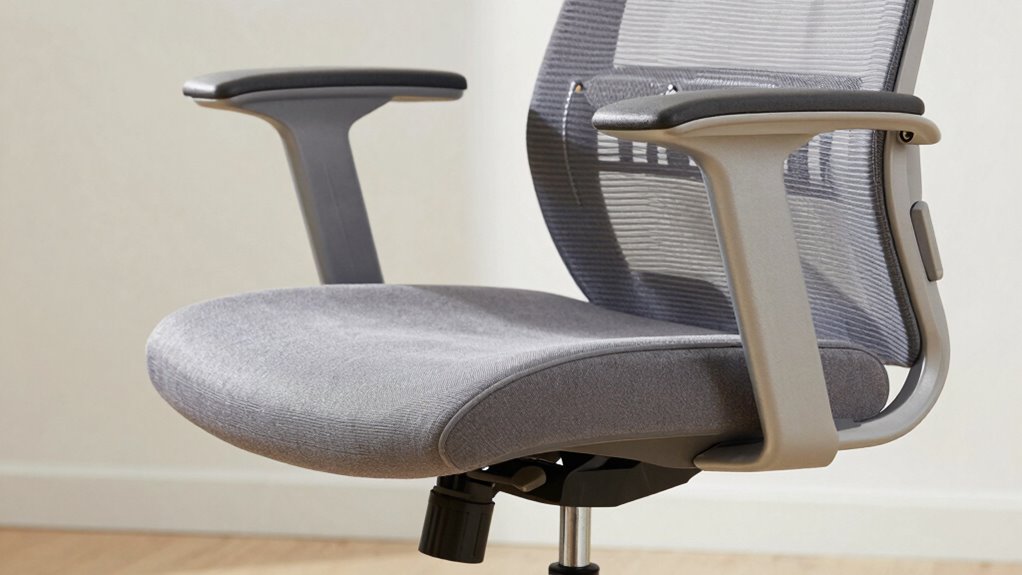
Ergonomic Office Chair Seat Depth Adjustable, Home Office Desk Chair with 3D Armrest, Mesh Office Chairs with Tilt Recline Lock,Thickened Soft Cushion, SGS Certified Gas Lift for Long Hours(Black)
[ADJUSTABLE SEAT DEPTH&HEIGHT]:Our home office chair with adjustable seat depth and height have wide adjustability range,all make it…
As an affiliate, we earn on qualifying purchases.
As an affiliate, we earn on qualifying purchases.
Why Your Seat Depth Matters for Comfort and Posture
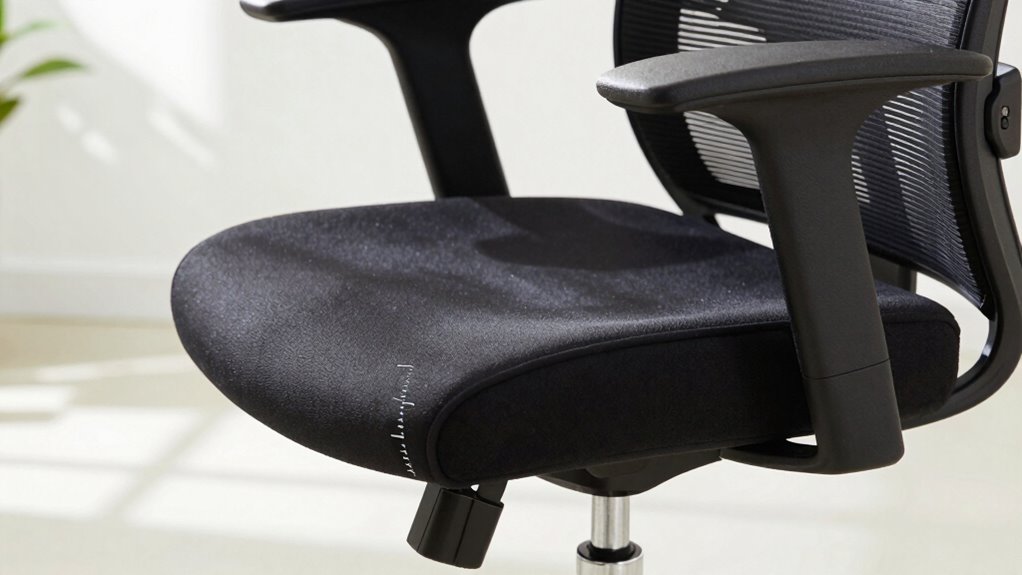
Your seat depth plays a crucial role in ensuring both comfort and proper posture while you sit. If your seat is too deep, it can put pressure on your thighs, reducing circulation and causing discomfort. Too shallow, and you might lack support for your hips and lower back. Proper seat depth allows you to maintain lumbar support effectively, keeping your lower back natural curve supported. Additionally, it influences armrest positioning; if your seat is too long, you’ll struggle to set your arms comfortably without hunching your shoulders. When adjusted correctly, the seat depth promotes better posture, reduces strain, and keeps you comfortable during long hours at your desk. Make sure your chair’s depth aligns with your body to optimize support and prevent discomfort. Ergonomic design considerations ensure that your chair provides proper support tailored to your body’s needs. Ensuring your seat depth is adjustable can further enhance individual comfort and adaptability. Additionally, selecting a chair with adjustable seat depth can help maintain ideal posture as your needs change over time. Properly designed adjustable features allow for customized support, accommodating different body types and sitting preferences. Recognizing regional ergonomic standards can also guide you in choosing the most suitable chair for your workspace.

Marsail Ergonomic Office Chair: Office Desk Chair with High Back Mesh and Adjustable Lumbar Support Rolling Work Swivel Task Chairs with Wheel 3D Armrests and Headrest
Fully Adjustable Office Chair: Customized chairs, featuring with an adjustable 2D headrest, backrest with 90° to 120° recline,…
As an affiliate, we earn on qualifying purchases.
As an affiliate, we earn on qualifying purchases.
How to Measure and Adjust Your Office Chair’s Height
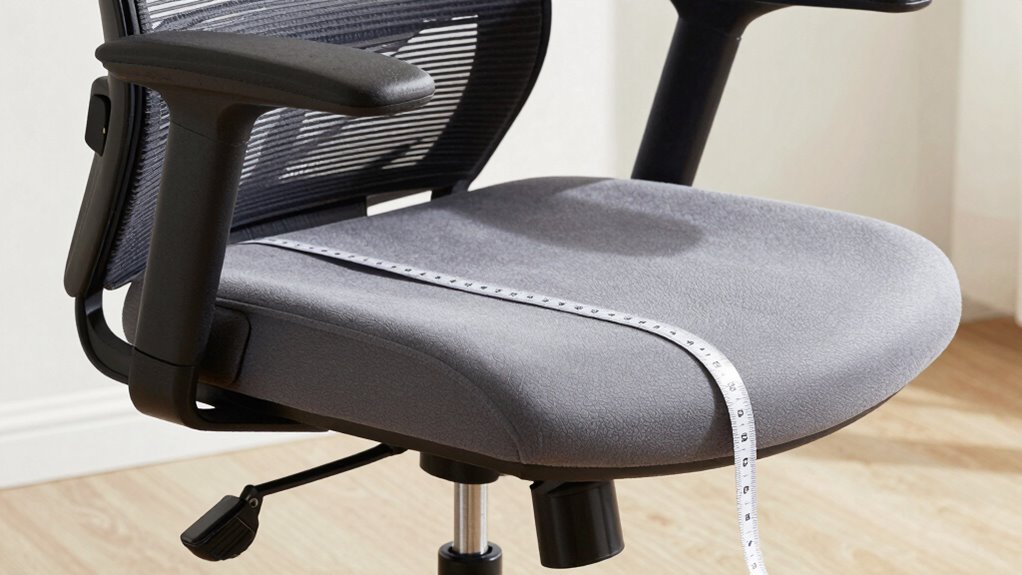
To guarantee ideal comfort and support, it’s essential to measure and adjust your office chair’s height correctly. Start by sitting with your feet flat on the floor, ensuring your knees are roughly at a 90-degree angle. Adjust the chair’s height so your hips are level with or slightly higher than your knees. This position promotes good posture and reduces strain. Consider ergonomic accessories like a footrest if needed for extra support. When choosing chair material options, opt for breathable fabrics or mesh for better airflow, especially if you adjust the height frequently. Proper height adjustment not only enhances comfort but also helps prevent long-term health issues. Regularly check and fine-tune your chair’s height to maintain optimal alignment throughout your workday. Additionally, understanding ergonomic principles can help you make more informed adjustments for overall well-being. Being aware of proper posture techniques can further improve comfort and reduce fatigue during extended periods of sitting. Incorporating adjustable features into your office setup can also significantly contribute to maintaining correct posture and comfort. For optimal results, proper seating position should be maintained to support spinal health and reduce discomfort. Paying attention to adjustment techniques ensures you get the most benefits from your ergonomic setup.

FelixKing Office Chair, Ergonomic Desk Chair Breathable Mesh Chairs Adjustable High Back Lumbar Support Flip-up Armrests, Executive Rolling Swivel Comfy Computer Chairs Home Office Black
Ergonomic Design–Relax Yourself: FelixKing reliable ergonomic office chair provides 5 supporting points(head/shoulder/back/ hips/ hands) and proper lumbar support,…
As an affiliate, we earn on qualifying purchases.
As an affiliate, we earn on qualifying purchases.
Getting the Backrest Right for Your Spine Support
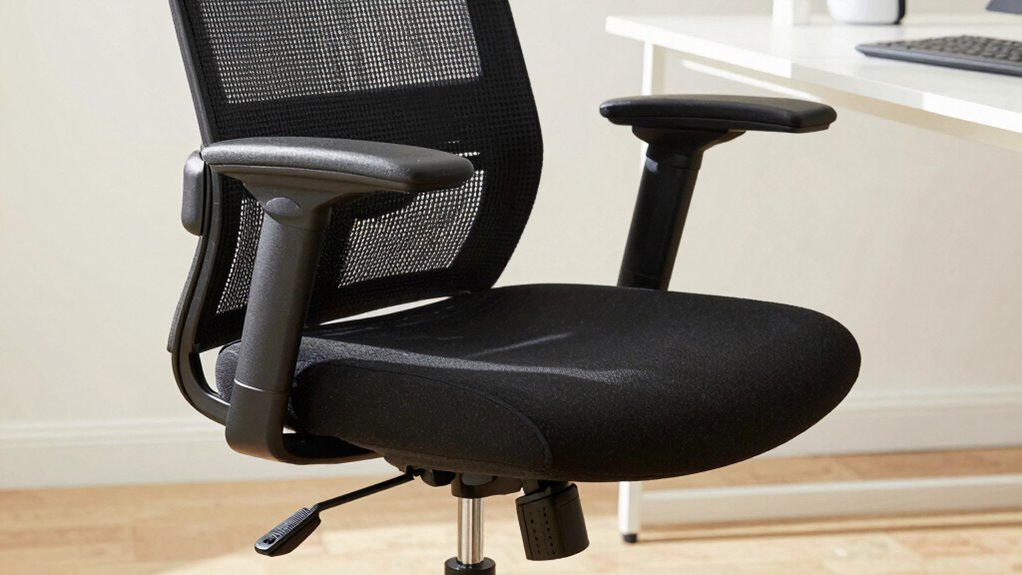
Ensuring the backrest properly supports your spine is essential for maintaining good posture and preventing discomfort. An ergonomic design with proper lumbar support keeps your lower back aligned and reduces strain. To get it right:
- Adjust the lumbar support so it fits snugly into your lower back curve, not just the middle of your back.
- Ensure the backrest supports your entire spine, promoting an upright posture without pushing you forward.
- Choose a chair with an adjustable backrest height and angle, so you can customize support as needed.
- Incorporate ergonomic principles and balance and motivation techniques to maintain good posture and reduce fatigue during long periods of sitting. Proper backrest positioning helps you stay comfortable and focused throughout your workday, supporting your spinal health effectively. Additionally, selecting a chair with adjustable features can enhance your overall ergonomic setup, ensuring optimal seat alignment for comfort and support.

Primy Drafting Chair Tall Office Chair with Flip-up Armrests Executive Ergonomic Computer Standing Desk Chair with Lumbar Support and Adjustable Footrest Ring (Black)
Adjustable Drafting Chair:This high rotary drawing chair has a foot stool with adjustable height, and the 90 degree…
As an affiliate, we earn on qualifying purchases.
As an affiliate, we earn on qualifying purchases.
Common Setup Mistakes and How to Avoid Them
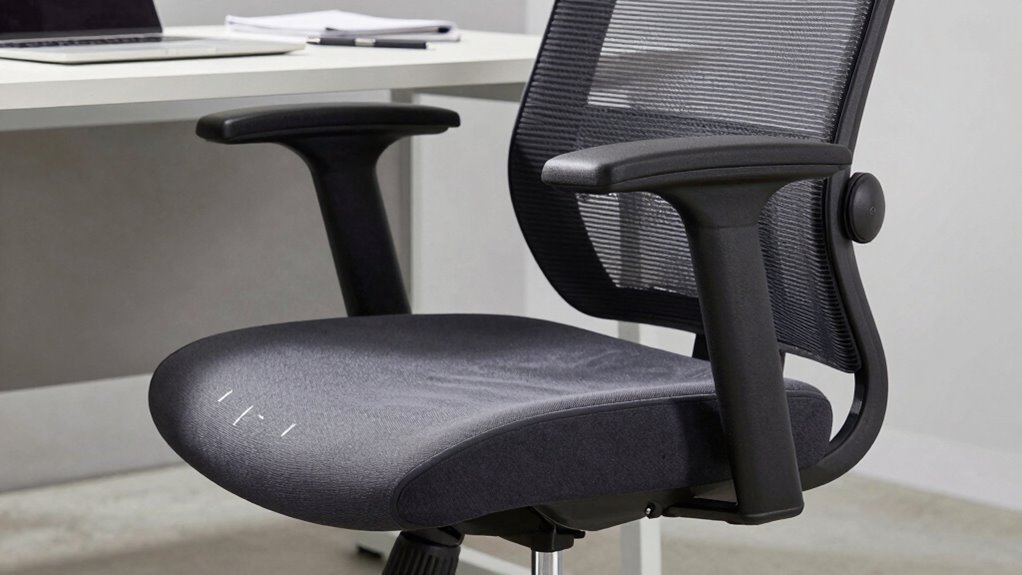
Even with an ergonomic backrest in place, improper setup can still cause discomfort and strain. One common mistake is neglecting ergonomic accessories like lumbar supports or seat cushions, which can improve comfort and posture. Another issue is choosing the wrong chair material options—hard or overly soft materials can hinder proper alignment or cause sweating. To avoid these pitfalls, ensure your chair height allows your feet to rest flat on the floor, and your knees are at a 90-degree angle. Use ergonomic accessories to customize your setup for better support. Also, select chair material options that match your needs for breathability and firmness. Regularly adjusting these elements helps prevent long-term discomfort and keeps you aligned throughout your workday, especially when considering ergonomic principles for extended periods of use. Being aware of spirituality insights can guide you in creating a healthier workspace. Additionally, understanding posture correction techniques can further enhance your comfort and reduce strain during long hours of sitting. Incorporating ergonomic accessories such as footrests or seat cushions can also significantly improve your sitting posture.
How to Test and Pick the Perfect Office Chair Fit
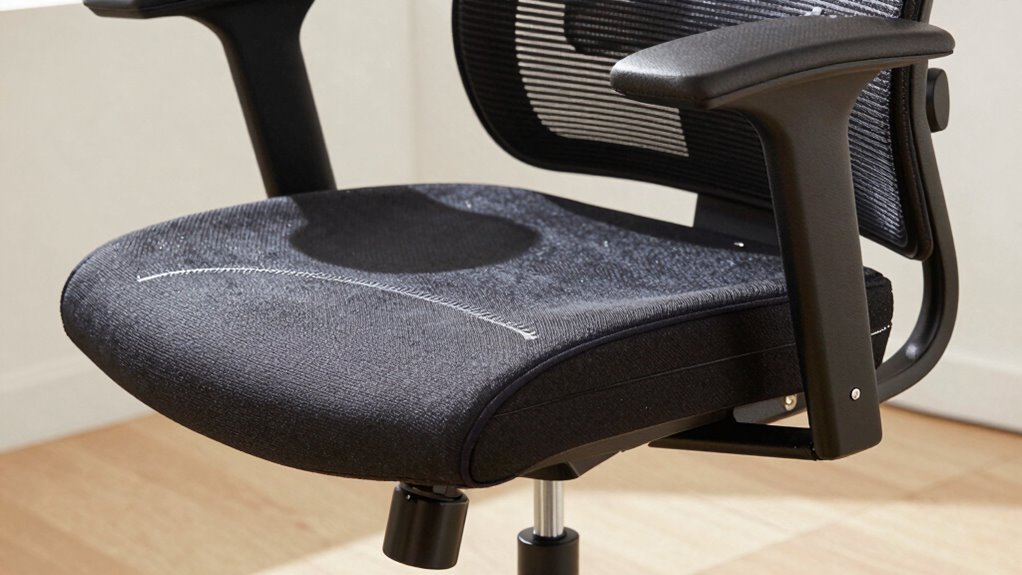
Finding the perfect office chair fit starts with testing how well it supports your body during use. Sit in the chair and check if your feet rest flat on the floor, and your knees are at a 90-degree angle. Adjust the seat height, ensuring your hips are slightly higher than your knees. Test different chair material options to find comfort and breathability, especially if you work long hours. Use ergonomic accessories like lumbar supports or footrests to enhance support if needed. To find the right fit:
Test your office chair for proper support and comfort to promote good posture during long work hours.
- Adjust the seat depth so there’s a small space between your back and the chair’s backrest.
- Ensure the backrest supports your lumbar curve comfortably.
- Check if armrests allow your shoulders to relax without raising or slumping.
- Be aware that ergonomic design can significantly influence your overall comfort and posture during extended periods of sitting.
- Remember that individual body dimensions play a crucial role in selecting the most suitable chair features for optimal comfort.
- Considering adjustability features can help personalize the chair to better suit your unique body shape and sitting preferences.
- Additionally, understanding proper sitting posture can further improve long-term comfort and reduce strain. Incorporating appropriate seat adjustments can enhance overall ergonomic benefits and support healthy sitting habits.
This process helps you choose a chair that promotes good posture and comfort.
Frequently Asked Questions
Can Adjustable Features Improve Long-Term Ergonomic Health?
Yes, adjustable features can substantially improve your long-term ergonomic health. By customizing your chair for ideal ergonomic posture, you reduce strain on your neck, back, and shoulders. Adjustable support ensures your spine stays aligned and comfortable during extended periods of sitting. When you fine-tune these features, you promote better circulation and prevent discomfort, ultimately supporting your overall well-being and productivity over time.
What Materials Influence Comfort and Durability in Office Chairs?
Imagine sinking into a chair with plush cushion softness that welcomes you, yet remains firm enough for support. The materials matter—breathable mesh keeps you cool, while high-quality leather offers durability. Armrest adjustability adds to comfort, allowing you to find your ideal position. Durable plastics and metals guarantee longevity, so your investment lasts. Choosing the right materials balances comfort with durability, letting you work comfortably and confidently every day.
How Do Different Body Types Affect Chair Fit Preferences?
Your body proportions directly influence your chair fit preferences. If you have longer legs, you’ll want a deeper seat to support your thighs comfortably. Conversely, shorter individuals benefit from adjustable seat height to maintain proper posture. Prioritizing posture adaptability guarantees the chair accommodates your unique body shape, reducing strain. By selecting a chair that aligns with your body proportions, you’ll stay comfortable and promote better ergonomics throughout your workday.
Are There Specific Chair Features Recommended for Back Pain Relief?
Think of your chair as a trusty steed that keeps your back from bucking under pressure. To relieve back pain, look for a chair with adjustable lumbar support that contours to your spine’s natural curve. A seat with a well-designed contour helps distribute your weight evenly, reducing strain. These features work together to provide the comfort and support you need, keeping your back happy and healthy throughout the day.
How Often Should Office Chair Settings Be Reevaluated?
You should reevaluate your office chair settings at least every six months to maintain proper posture correction. If you notice discomfort or changes in your posture, make adjustments to seat padding, height, or backrest. Regular checks guarantee your chair supports your back properly and prevents strain, especially if you spend long hours seated. Don’t wait too long—keeping your ergonomic setup optimized helps reduce pain and improves comfort.
Conclusion
Remember, finding the right office chair fit isn’t just about comfort—it’s about protecting your posture and preventing pain. Don’t settle for a chair that feels okay at first; take the time to adjust seat depth, height, and backrest properly. It might seem like extra effort, but investing in the right setup means you’ll work comfortably and avoid long-term health issues. Your body will thank you for making these small but vital adjustments.