TL;DR
This article compares MIP and AMOLED watch displays, highlighting their strengths and weaknesses. Confirmed facts show AMOLED offers brighter, sharper images, while MIP provides better sunlight visibility and always-on capability. Uncertainties remain about long-term durability and user preference trends.
AMOLED and MIP displays are the two main technologies used in modern watches, with each offering distinct advantages and drawbacks. This comparison is relevant as consumers choose between these display types for their fitness and smartwatch needs, impacting battery life, visibility, and usability.
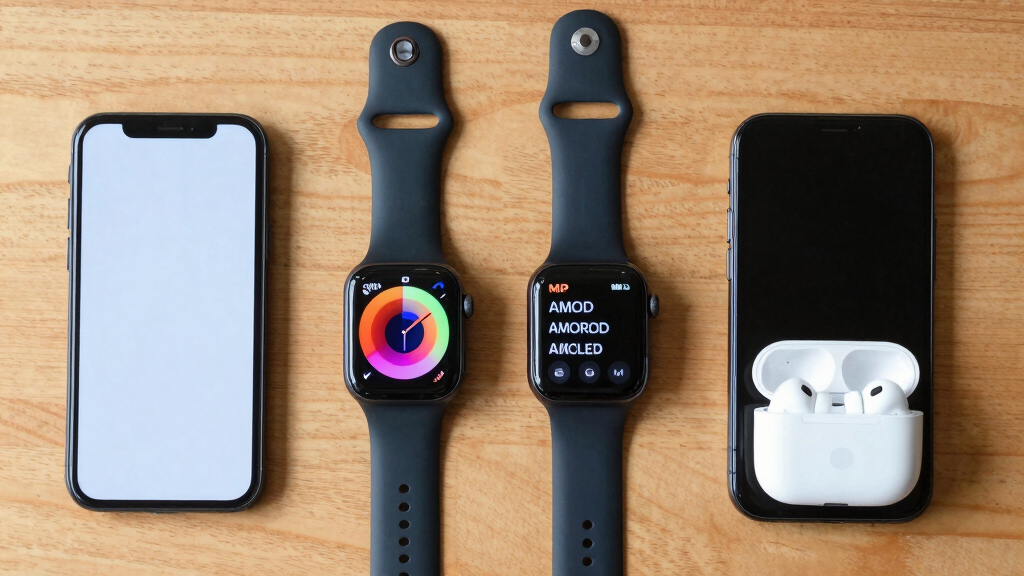
AMOLED (Active Matrix Organic Light Emitting Diode) displays are known for their vibrant colors, high resolution, and brightness, making them popular in newer smartwatches like Apple Watch, Samsung Galaxy Watch, and Fitbit models. These screens are typically touch-enabled and provide sharp images, but they consume more power, especially when using features like always-on display (AOD), which can significantly reduce battery life.
In contrast, MIP (Memory-in-Pixel), also called memory LCD, reflects ambient light and is highly visible in bright sunlight. It does not emit light on its own, which allows for always-on display functionality without draining the battery. MIP screens are often found in older or specialized models, such as Garmin’s solar-powered watches and certain Garmin Forerunners. They offer limited color range and lower resolution but excel in durability and energy efficiency, especially in outdoor environments.
Recent trends show manufacturers shifting toward AMOLED for new models, though MIP remains popular in specific niches like solar watches. The choice between these technologies depends on user priorities—whether they value display vibrancy and resolution or sunlight readability and battery longevity.
Why Display Technology Choice Affects User Experience
The choice between MIP and AMOLED impacts daily usability, especially for outdoor users and fitness enthusiasts. AMOLED’s vibrant displays are ideal for detailed visuals and modern smartwatch features, while MIP’s always-on capability and sunlight readability benefit users who need quick glances without draining the battery. Understanding these differences helps consumers make informed purchasing decisions aligned with their usage habits and priorities.

Amazfit Bip Max 50mm Smartwatch, 2.07" AMOLED Display, 20 Days of Battery, GPS, 4GB Storage, Offline Maps, Fitness Tracker, Hybrid Training, 150+ Sports, HYROX Mode, 5 ATM for Android & iPhone, Silver
LARGE 2.07" AMOLED DISPLAY: Maximize visibility with a massive, bright 2.07-inch screen. This everyday smartwatch transitions effortlessly from…
As an affiliate, we earn on qualifying purchases.
As an affiliate, we earn on qualifying purchases.
Evolution and Market Presence of Watch Displays
Historically, MIP screens dominated early digital watches due to their low power consumption and outdoor visibility. With advancements in display technology, AMOLED screens became prevalent in smartphones and, more recently, in high-end smartwatches, offering superior color and resolution. Despite this shift, MIP displays are still used in certain models, especially those emphasizing long battery life and outdoor performance, such as Garmin’s solar watches. The transition reflects a balance between technological capabilities and user needs, with AMOLED increasingly common in mainstream smartwatches and MIP retained in specialized applications.
“AMOLED screens deliver bright, sharp images but consume more power, especially with always-on features. MIP displays excel outdoors and can stay on indefinitely without draining the battery.”
— Beth Skwarecki, Senior Health Editor at Lifehacker

Garmin Instinct® 3 45mm, AMOLED Display, Rugged Outdoor GPS Smartwatch, Metal-Reinforced Bezel, Built-in Flashlight, Up to 18 Days of Battery Life, Black
Make a bold statement with this rugged GPS smartwatch, featuring a vibrant 1.2” AMOLED display and up to…
As an affiliate, we earn on qualifying purchases.
As an affiliate, we earn on qualifying purchases.
Long-Term Durability and User Preference Trends
It is not yet clear how user preferences will evolve as AMOLED technology advances and MIP displays improve in color and resolution. Long-term durability of AMOLED screens under various conditions and the impact on user satisfaction remain areas for ongoing observation. Additionally, the pace of adoption for MIP in mainstream models is uncertain, especially as battery technology continues to improve.

Smart Watch for Men/Women, Answer/Make Call, 1.85" AMOLED Always-On Display Screen Smartwatch for iPhone & Android, 3ATM Waterproof Fitness Tracker with Heart Rate/Sleep/SpO2 Monitor, 120+ Sport Modes
【Make Call & Message Notification】Enjoy crystal-clear Bluetooth calls directly from your wrist while driving, cooking, or commuting. Stay…
As an affiliate, we earn on qualifying purchases.
As an affiliate, we earn on qualifying purchases.
Future Developments in Watch Display Technologies
Manufacturers are expected to continue refining both display types, potentially integrating hybrid solutions that combine the benefits of each. Watchmakers may also develop new materials or backlight technologies to enhance brightness, color, and battery efficiency. Consumers can anticipate more options tailored to specific needs, such as ultra-long battery life or high-resolution visuals, in upcoming models.

Garmin Instinct® 3 45mm, Solar Charged Display, Rugged Outdoor GPS Smartwatch, Metal-Reinforced Bezel, Built-in Flashlight, Black
Make a bold statement with this rugged GPS smartwatch, featuring a 0.9” display with solar charging lens and…
As an affiliate, we earn on qualifying purchases.
As an affiliate, we earn on qualifying purchases.
Key Questions
Which display type is better for outdoor use?
MIP displays are generally better for outdoor use because they are highly visible in sunlight and can be always-on without draining the battery.
Do AMOLED screens drain the battery faster?
Yes, AMOLED screens consume more power, especially when using features like always-on display, which can reduce battery life significantly.
Are MIP displays still used in new watches?
Yes, especially in models emphasizing long battery life or solar charging, such as Garmin’s solar watches and some Garmin Forerunners.
Can AMOLED displays be always-on?
Yes, but doing so will drain the battery faster. Many watches offer dimmed, low-power always-on modes to mitigate this.
Which display offers better resolution?
AMOLED displays generally provide higher resolution and sharper images compared to MIP screens.
Source: Lifehacker