
TL;DR

Get the latest gadgets delivered free with Prime
- Fast, free delivery on millions of items
- Prime Video, Amazon Music and more included
- Member-only deals all year
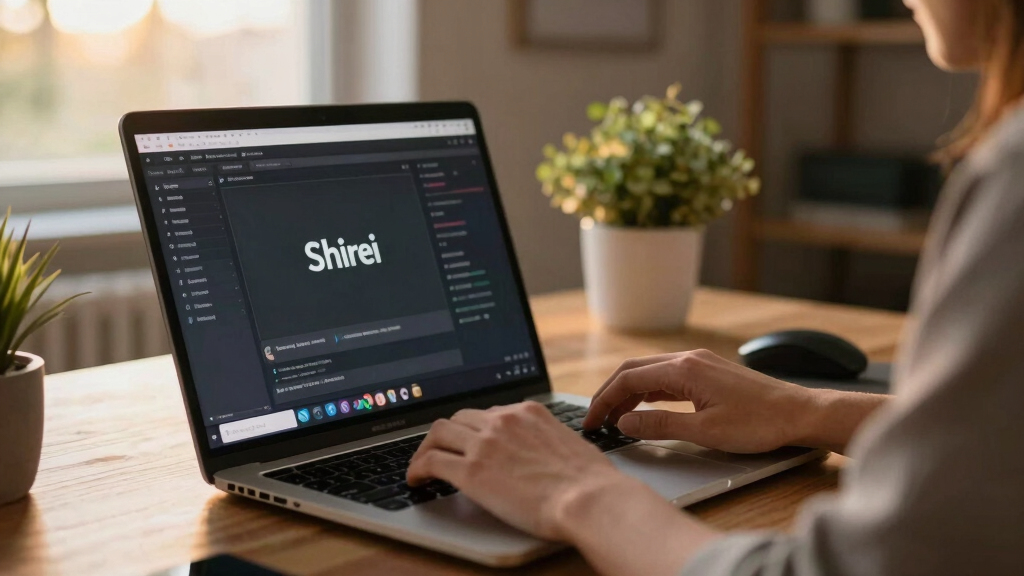
Shirei is a newly announced cross-platform GUI framework written in native Go, designed to simplify desktop app development. It aims to provide a lightweight, native solution for developers seeking to build GUI applications in Go without relying on external libraries.
A developer has introduced Shirei, a new cross-platform GUI framework built entirely in native Go, on Show HN. This development aims to provide a lightweight, dependency-free solution for desktop application development in Go, addressing long-standing challenges around GUI support in the language.
Shirei is designed to enable developers to create cross-platform GUI applications using only Go code, without relying on external C libraries or bindings. The framework emphasizes native performance and appearance, leveraging Go’s capabilities to interface directly with operating system APIs. The project is currently in early development, with the creator sharing initial prototypes and plans for further features. The announcement highlights the goal of simplifying desktop app development in Go, which traditionally has limited native GUI options compared to other languages.According to the project’s README and the Show HN post, Shirei aims to be lightweight, fast, and easy to integrate into existing Go projects. It provides a set of core UI components and intends to support multiple platforms, including Windows, macOS, and Linux. The developer behind Shirei has shared that the framework is built with minimal dependencies, focusing on native look and feel, and is open to community contributions as it evolves.While the project is still in early stages, initial demonstrations show basic window management, buttons, and text inputs functioning across platforms. The developer has expressed intentions to expand the feature set, including more complex widgets and better event handling, in future releases.Potential Impact on Go Desktop Application Development
Shirei’s emergence could significantly influence how developers approach desktop app creation in Go. Currently, Go has limited native GUI options, often relying on third-party libraries that may introduce dependencies or inconsistencies across platforms. By providing a native, dependency-free framework, Shirei could lower barriers for Go developers to build robust, cross-platform GUI applications. This approach could also reduce the complexity and size of desktop apps, making Go a more viable choice for UI-heavy projects, especially in environments where minimal dependencies are critical.
As an affiliate, we earn on qualifying purchases.
Limited Native GUI Options in Go and the Need for a Native Framework
Historically, Go has lacked comprehensive native GUI support, with most solutions relying on bindings to external libraries like GTK, Qt, or Electron-based frameworks. While some third-party projects exist, they often come with dependencies, platform inconsistencies, or performance trade-offs. Developers have expressed a desire for a native, lightweight GUI framework that leverages Go’s strengths directly, without external dependencies. The announcement of Shirei responds to this gap, aiming to provide a minimal yet capable native GUI solution built entirely in Go.
“Our goal with Shirei is to create a lightweight, native GUI framework that allows Go developers to build cross-platform desktop applications without external dependencies.”
— Shirei’s creator
cross-platform desktop app development tools
As an affiliate, we earn on qualifying purchases.
As an affiliate, we earn on qualifying purchases.
Development Stage and Feature Completeness of Shirei
It is not yet clear how complete or stable Shirei is at this stage. The project is in early development, with basic features demonstrated but many advanced UI components and performance optimizations still to be developed. The timeline for broader adoption or official releases remains uncertain, and community feedback will likely influence its evolution.
As an affiliate, we earn on qualifying purchases.
Upcoming Features and Community Involvement in Shirei
The developer plans to expand Shirei’s feature set, including more complex widgets, improved event handling, and performance tuning. They have invited community contributions and feedback to shape future development. Watching for upcoming releases and community engagement will be key indicators of Shirei’s progress and adoption in the Go ecosystem.
Go programming language GUI libraries
As an affiliate, we earn on qualifying purchases.
As an affiliate, we earn on qualifying purchases.
Key Questions
How does Shirei compare to existing GUI solutions for Go?
Shirei aims to provide a native, dependency-free alternative, unlike many existing solutions that rely on external libraries or bindings, potentially offering better performance and consistency across platforms.
Is Shirei ready for production use?
Currently, Shirei is in early development with limited features. It may not yet be suitable for production but is promising for experimentation and future adoption.
What platforms does Shirei support?
The developer plans to support Windows, macOS, and Linux, leveraging Go’s cross-compilation capabilities, but full multi-platform support is still under development.
Can I contribute to Shirei?
Yes, the project is open source, and the creator has invited community contributions to help shape its future development.
Will Shirei integrate with existing Go frameworks or libraries?
The developer has indicated plans for Shirei to be modular and compatible with other Go tools, but specific integrations are still in planning stages.
Source: hn
Halloween Picks
halloween
As an affiliate, we earn on qualifying purchases.